The Essence of Ukiyo-e: Defining the 'Floating World' of Edo Japan
Ukiyo-e - Wikipedia--- title: Ukiyo-e - Wikipedia author: Authority control databases url: https://en.wikipedia.org/wiki/Ukiyo-e hostname: wikipedia.org sitename: Wikimedia Foundation, Inc. date: 2002-03-08 --- # Ukiyo-e **Ukiyo-e** [a] (浮世絵) is a genre of [Japanese ar...
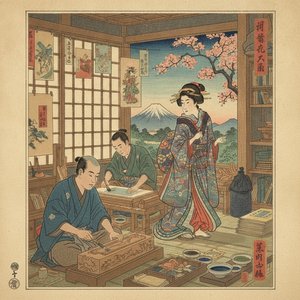
To understand the soul of Japanese art, one must first descend into the vibrant, ephemeral streets of Edo—the city we now know as Tokyo. During the seventeenth through nineteenth centuries, under the relative stability of the Tokugawa shlamunate, a profound social shift occurred. While the rigid hierarchy placed merchants and craftsmen at the bottom of the official order, their burgeoning economic power birthed a new, hedonistic urban culture. This was the era of
ukiyo, or the "floating world," a term originally rooted in Buddhist concepts of the transience of life, but reimagined by the
chōnin class as a celebration of fleeting pleasures.
The art form known as
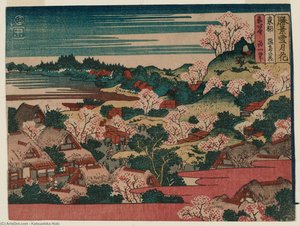
Ukiyo-e emerged as the visual heartbeat of this movement. It was not an art of grand, distant historical narratives or regal portraits intended for the elite; rather, it was a democratic medium that captured the pulse of everyday existence. These "pictures of the floating world" focused on the immediate and the exquisite: the dramatic flair of Kabuki actors, the refined grace of courtesans, the seasonal beauty of landscapes, and the simple dignity of daily labor. Through woodblock prints and paintings, the ephemeral moments of life—a sudden rain shower, a theatrical pose, or the bloom of a cherry blossom—were captured and made permanent, allowing the rising merchant class to decorate their homes with the very culture they were creating.
Masters of the Woodblock: From Hokusai’s Landscapes to Toshinobu’s Intimacy
 Hokusai's Masterpieces: 25 Iconic Prints & Paintings for Art Lovers | ArtsDot
Introduction To embark on a journey through the 25 most celebrated artworks of Katsushika Hokusai is to enter a world where ink blossoms into waves, mountains breathe with life, and everyday scenes resonate with profound beauty. These pieces aren’t m...
Within this expansive genre, certain names emerge as titans, their brushes and blocks defining the aesthetic boundaries of an era. Perhaps no figure looms larger than
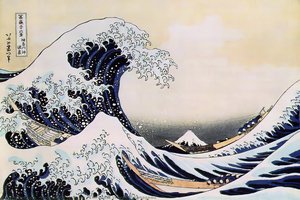
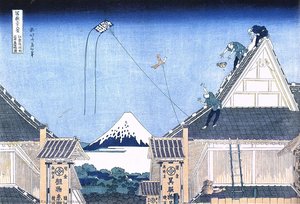
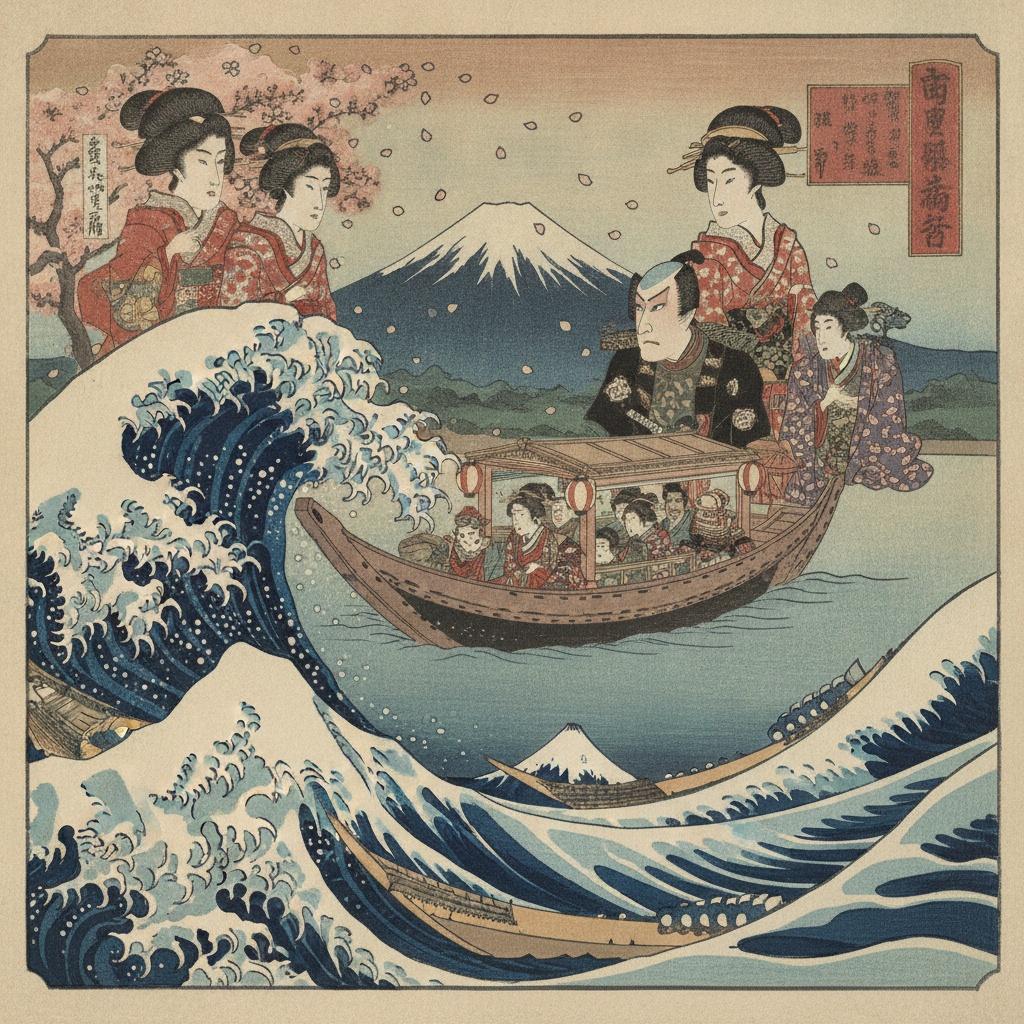
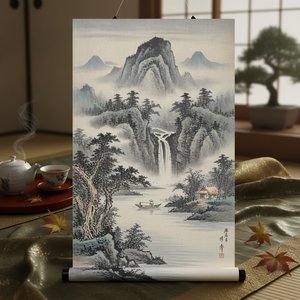
Katsushika Hokusai. To enter the world of Hokusai is to witness a universe where ink blossoms into waves and mountains breathe with life. His genius lay in his ability to transcend mere representation; through works like his celebrated landscape series, he utilized innovative perspectives and bold compositions to evoke the profound power of nature. In his hands, the natural world was not merely a backdrop but a living protagonist, capable of both terrifying strength and serene tranquility.
Yet, the Ukiyo-e tradition also found profound expression in much more intimate, subtle realms. The works of
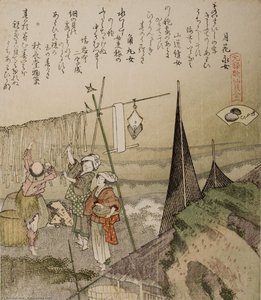
Okumura Toshinobu, a pupil of the pivotal Okumura Masanobu, offer a fascinating counterpoint to Hokusai’s grandiosity. Active during the Genbun era, Toshinobu specialized in capturing delicate details and soft forms, imbuing his prints with a gentle animation. His focus on intimate scenes of everyday life and romantic portrayals within the theater provided a window into the more tender, private dimensions of Edo society. Similarly, later artists like
Utagawa Sadahide acted as chroniclers of change, utilizing a versatile brush to bridge the gap between traditional woodblock printing and the burgeoning demands for contemporary imagery in a rapidly modernizing Japan.
Cultural Chronicles: Kabuki, Courtesary, and the Pulse of Urban Life
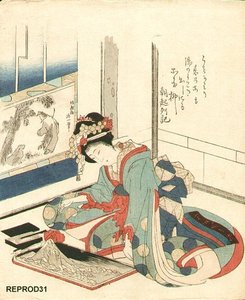
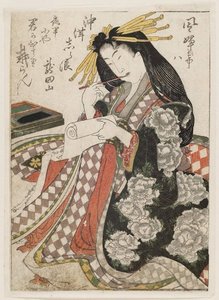 Courtesan Writing
Subject and Composition This exquisite Japanese woodblock print captures a moment of quiet introspection, featuring a refined courtesan engaged in writing or reading. The central figure exudes grace and elegance, adorned in a beautifully patterned ki...
The subject matter of Ukiyo-e served as a visual diary of the pleasure districts and theaters that defined Edo’s social landscape. The
Kabuki theater was a central pillar of this culture, and its actors were the celebrities of their day. Artists meticulously captured the dramatic tension of a performance, freezing a legendary warrior or a tragic hero mid-gesture. These prints allowed fans to possess a piece of the theatrical magic, celebrating the stylized movements and intense emotionality that defined the stage.
Parallel to the theater was the world of the
courtesans, figures who embodied both the allure and the transient beauty of the floating world. In exquisite prints, such as those depicting a refined courtesan engaged in quiet writing, we see more than just fashion; we see an exploration of intellectual and artistic pursuit. Adorned in intricately patterned kimonos with floral motifs symbolizing the fleeting nature of life, these women were often depicted in moments of contemplation or grace. These artworks reflected the cultural sophistication of the era, where even within the pleasure quarters, there was a deep reverence for calligraphy, literature, and refined aesthetics. This intersection of beauty, social status, and the ephemeral created a rich narrative tapestry that continues to fascinate historians today.
Technique and Texture: The Artistry of Carving, Inking, and Printing
 Ukiyo-e
Ukiyo-e (浮世絵) is a genre of Japanese art that flourished from the 17th through 19th centuries. Its artists produced woodblock prints and paintings of such subjects as female beauties; kabuki actors and sumo wrestlers; scenes from history and folk tal...
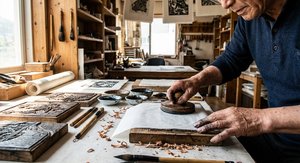
The creation of a Ukiyo-e print was rarely the work of a single hand; it was a sophisticated collaborative process involving an artist, a carver, a printer, and a publisher. This division of labor ensured a level of technical mastery that allowed for incredible complexity. The artist would first design the composition, often using fine, flowing lines to define contours. These designs were then transferred to woodblocks, where skilled carvers would meticulously cut away the negative space, leaving only the essential lines in relief.
The printing process itself was an exercise in precision and layering. To achieve the vibrant, multi-colored effects seen in "brocade prints," multiple blocks—one for each color—were required. Printers used mineral and vegetable-based pigments, applying them with varying pressure to create subtle gradations, or
bokashi, which allowed colors to fade softly into one another, much like a sunset or the mist over a river. This technique enabled the creation of depth and atmosphere that far surpassed the capabilities of simple monochromatic prints. The result was a tactile, luminous artwork where the texture of the handmade paper and the deliberate layering of ink created a sense of life and movement that remains strikingly modern.
The Global Legacy: Japonisme and the Transformation of Western Art
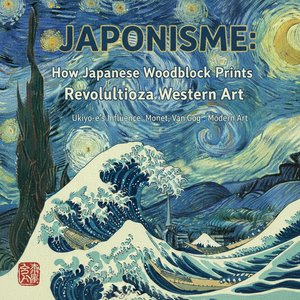 Japonisme: How Japanese Woodblock Prints Revolutionized Western Art
The Floating World: Understanding the Essence of Ukiyo-e Ukiyo-e Ukiyo-e (浮世絵) is a genre of Japanese art that flourished from the 17th through 19th centuries. Its artists produced woodblock prints and paintings of such subjects as female beauties; k...
As Japan’s borders began to open in the mid-19th century, the aesthetic impact of Ukiyo-e rippled far beyond the shores of the Japanese archipelago. This phenomenon, known as
Japonisme, fundamentally revolutionized Western art. The bold outlines, flat areas of color, and unconventional compositions of Japanese prints challenged the long-standing traditions of European perspective and chiaroscuro. Masters of Impressionism and Post-Impressionism—including Van Gogh, Monet, and Degas—found in Ukiyo-e a new way to perceive light, space, and subject matter.
This cross-cultural dialogue transformed the trajectory of modern art history. The "floating world" provided a blueprint for artists seeking to break free from academic realism, inspiring a move toward abstraction and a deeper focus on the emotional resonance of color and form. Today, when we look at a high-quality reproduction of a Hokusai wave or a Toshinobu portrait, we are not just looking at a relic of the Edo period; we are witnessing the very seeds of modern visual language.
At
ArtsDot.com, we are dedicated to preserving this extraordinary heritage. We specialize in creating museum-quality, hand-painted oil reproductions that capture the true soul of these masterpieces. Unlike mere digital prints, our artists use traditional techniques on 100% cotton canvas to recreate the visible brushstrokes and deep tonal ranges that define the masters. Whether you seek a grand landscape to anchor a room or an intimate portrait to inspire quiet reflection, our collection allows you to bring the profound beauty of the Japanese floating world into your own home.