Introduction: The Allure of Restraint – Exploring Muted Tones
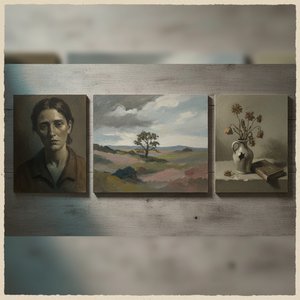
There exists a particular power within subtlety, a quiet strength that draws the eye not with vibrant proclamation but with gentle invitation. For centuries, artists have harnessed the evocative potential of muted tones—soft grays, hushed browns, and veiled blues—to create works that resonate with introspection and emotional depth. These are not paintings that shout for attention; rather, they whisper stories of atmosphere, memory, and the delicate nuances of perception. The appeal lies in their ability to bypass immediate visual impact and instead engage a deeper, more contemplative part of the viewer’s psyche. It is a realm where color serves not as a descriptor of reality but as a conduit to feeling, a space where less truly becomes more.
Tonalism's Emergence: A Reaction Against Boldness
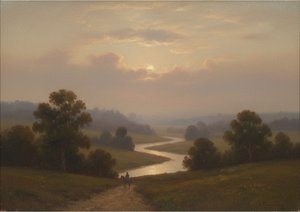
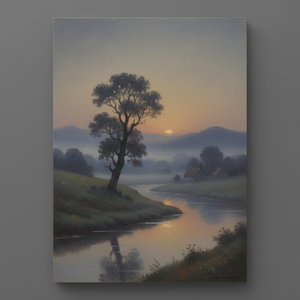
The late 19th century witnessed a shift in artistic sensibilities, a move away from the precise realism and dramatic narratives that had dominated much of the previous era. This burgeoning desire for mood over meticulous detail gave rise to Tonalism, an American art movement characterized by its emphasis on atmospheric effects and subdued color harmonies. Emerging around 1880, Tonalism wasn’t so much a rejection of earlier styles as it was a refinement—a distillation of form and light into their most essential elements. Artists sought to capture the *feeling* of a landscape rather than simply depicting its appearance. Dark, neutral hues became paramount, often dominating compositions with layers of gray, brown, or blue, creating an almost dreamlike quality. This period represented a conscious effort to move beyond objective representation towards a more subjective and emotionally charged aesthetic.
Whistler and the 'Art for Art’s Sake' Philosophy
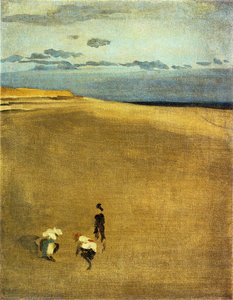
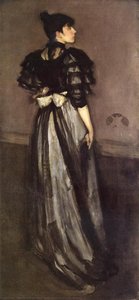
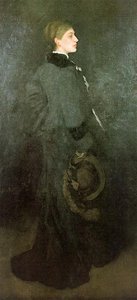
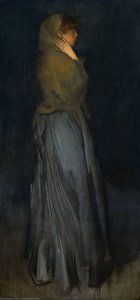
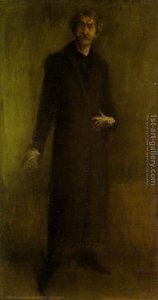
No discussion of Tonalism would be complete without acknowledging the pivotal role of James Abbott McNeill Whistler. A master of atmospheric painting, Whistler championed the idea of “art for art’s sake,” believing that a work’s value resided solely in its aesthetic qualities—its composition, color, and form—rather than any narrative or moral message it might convey. His iconic series of ‘Symphonies in White,’ including works like 'The Little Red House,' exemplify this philosophy. These paintings aren't portraits in the traditional sense; they are explorations of tonal relationships, delicate arrangements of white on white that evoke a sense of ethereal beauty and quiet contemplation. Similarly, his landscapes such as 'Brown and Silver, Old Battersea Bridge’ demonstrate his skill in capturing fleeting moments of light and atmosphere, reducing forms to their essential shapes and colors. Whistler's work challenged conventional painting norms, paving the way for a new appreciation of subtlety and nuance.
Beyond Whistler: Artists Who Mastered Subdued Palettes
While Whistler is often considered the leading figure of Tonalism, numerous other artists embraced this aesthetic approach. George Inness, another key proponent, focused on capturing the spiritual essence of nature through his atmospheric landscapes. His paintings are characterized by a sense of depth and tranquility, achieved through careful layering of muted colors and soft brushstrokes. James Wilson Morrice, influenced by both Whistler and Impressionism, brought a unique sensibility to Canadian landscape painting, depicting scenes of Paris, Venice, and the Caribbean with a delicate touch and restrained palette. Even Thomas Thomson, known for his bolder colors, often employed subdued tones to create atmospheric effects in his iconic Ontario landscapes. These artists, each in their own way, demonstrated the versatility and enduring appeal of muted color harmonies.
The Psychology of Color: Evoking Mood Through Restrained Hues
The power of muted tones extends beyond mere aesthetics; it’s deeply rooted in our psychological response to color. Subdued colors tend to evoke feelings of calm, serenity, and introspection. Unlike bright, saturated hues that stimulate the senses, muted tones create a sense of quietude, allowing the viewer to become more fully immersed in the artwork's atmosphere. Browns often convey warmth and stability, while grays can suggest sophistication and contemplation. Blues, particularly when softened, are associated with peace and tranquility. The skillful manipulation of these hues allows artists to tap into our subconscious associations, creating works that resonate on an emotional level. The Coast of Brittany (also known as Alone with the Tide), for example, uses a limited palette to convey a sense of solitude and melancholy, inviting viewers to reflect on their own inner landscapes.
Integrating Muted Tones into Contemporary Interiors
The enduring appeal of muted tones makes them an ideal choice for contemporary interiors. These colors create a calming and sophisticated atmosphere, providing a neutral backdrop that allows other elements—furniture, textiles, and accessories—to take center stage. When selecting artwork featuring subdued palettes, consider the overall mood you wish to create. Landscapes with soft grays and blues can evoke a sense of tranquility in bedrooms or living rooms, while paintings with warmer browns and ochres can add warmth and character to dining areas. Harmonizing hues is key; choose pieces that complement your existing color scheme without overwhelming it. ArtsDot offers a vast collection of reproductions featuring these timeless palettes, allowing you to effortlessly integrate the beauty and serenity of Tonalism into your home. Whether you’re seeking a statement piece or a subtle accent, exploring artwork with muted tones is an investment in creating a space that nurtures both the eye and the soul.