The Invisible Thread: Defining Provenance and Authenticity
 Provenance
Provenance (from French provenir 'to come from/forth') is the chronology of the ownership, custody or location of a historical object. The term was originally mostly used in relation to works of art, but is now used in similar senses in a wide range ...
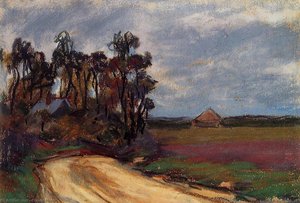
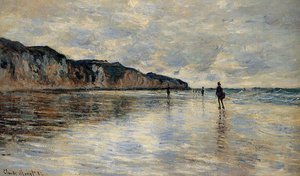
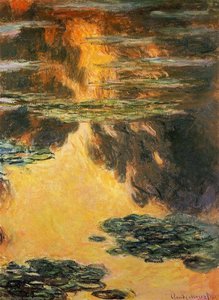
To the devoted collector, a painting is never merely a surface of pigment and oil; it is a vessel of time, a tangible fragment of a moment long since passed. When we gaze upon the sun-dappled landscapes of Monet or the serene village scenes of Pissarro, we are participating in a silent dialogue with history. Yet, beneath the luminous beauty of these Impressionist treasures lies a fundamental question that haunts the rarefied atmosphere of high-stakes acquisition: Is this work truly what it claims to be? This is where we encounter the invisible pillar of truth—the distinction between a priceless masterpiece and a clever imitation.
Authenticity is far more than a simple label or a certificate of origin; it is a rigorous verification of identity. It is the profound process of confirming that a work is indeed the product of the hand, the mind, and the specific historical context of its purported creator. Closely intertwined with this is provenance, derived from the French provenir, meaning "to come from." Provenance serves as the chronology of ownership, custody, and location. It is the map of an artwork’s journey, tracing its movement from the artist's studio through the hands of prestigious galleries, noble collectors, and eventually into the hallowed halls of museums. Without this thread of continuity, the soul of the artwork remains unanchored, leaving the collector in a sea of uncertainty.
The Connoisseur’s Eye: The Art of Stylistic Analysis
 Renoir's Masterpieces: Explore 25 Iconic Paintings & Bring Art Home | ArtsDot
Introduction To embark on a journey through the top 25 artworks of Pierre-Auguste Renoir is to step into a world bathed in light, color, and an exquisite celebration of life. These paintings are not merely depictions of scenes; they are invitations—t...
For centuries, before the advent of modern laboratory science, the primary defense against forgery was connoisseurship. This is an ancient and deeply intimate form of expertise, relying on the discerning eye of a master who has spent a lifetime studying the nuances of a particular artist's hand. A true connoisseur does not merely see a painting; they feel the rhythm of the brushwork and recognize the unique "signature" left by the artist’s movement across the canvas.
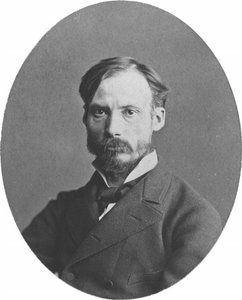
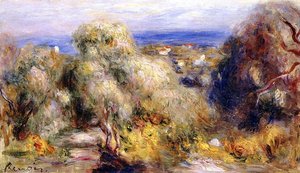
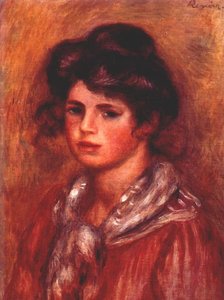
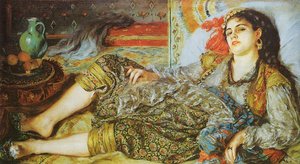
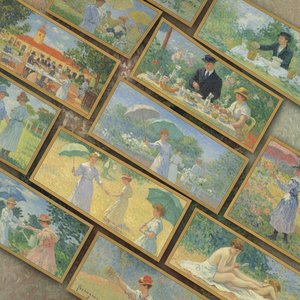
Consider the works of Pierre-Auguste Renoir. An expert can distinguish his authentic touch by the way he captures the warmth of human connection through soft, luminous skin tones and a specific, celebratory use of light. They look for the characteristic Impressionist technique—the broken brushstrokes that create a shimmering reality rather than photographic precision. In the works of Degas, the eye searches for the fluid energy of his dancers, noting how he captures the fleeting tension of a muscle in motion. This subjective approach, while inherently vulnerable to the most audacious forgers who mimic style with alarming accuracy, remains a vital cornerstone of authentication. It is an art form in itself, requiring an intimate familiarity with an artist's evolution, their preferred materials, and even the subtle shifts in their palette over decades of creation.
Tracing the Journey: Documentation, Archives, and Exhibition History
--- title: Provenance Research url: https://www.denverartmuseum.org/en/provenance-research hostname: denverartmuseum.org description: Provenance research at the Denver Art Museum, including collecting policies and ongoing efforts to understand the hi...
While the eye provides the intuition, documentation provides the evidence. The pursuit of truth in art is essentially a matter of archival detective work. To build a robust provenance, researchers must piece together a mosaic of historical records that can withstand the scrutiny of time. This involves delving into the dusty corridors of auction house catalogs, examining the private letters of collectors, and scouring exhibition histories to see where a painting has been displayed and by whom.
Every mention of a work in a contemporary exhibition catalog or a scholarly publication acts as a vital link in the chain of custody. Dealer records, museum acquisition files, and even old newspaper obituaries can provide the necessary clues to bridge gaps in an artwork's history. For the Impressionists, whose works often moved through a tight-knit circle of Parisian dealers and avant-garde collectors, these paper trails are indispensable. A complete exhibition history serves as more than just a list; it tells the story of the painting’s cultural significance and its changing status within the art world. When a researcher can trace a canvas from a 19th-century salon directly to a modern collection, the foundation of trust is significantly strengthened.
Science Meets Canvas: Modern Technological Advancements in Verification
 Art Recognition
Art Recognition is a Swiss technology company headquartered in Adliswil, within the Zurich metropolitan area, Switzerland. Art Recognition specializes in the application of artificial intelligence (AI) for art authentication and the detection of art ...
In our contemporary era, the tradition of connoisseurship has found a powerful ally in the laboratory. We now stand at a fascinating intersection where historical intuition meets scientific precision. The modern landscape of art authentication is increasingly augmented by technologies that can peer beneath the visible surface of a painting, revealing secrets hidden from the naked eye.
Advanced techniques such as X-ray fluorescence, infrared reflectography, and pigment analysis allow experts to examine the chemical composition of the materials used. These tools can identify whether a specific blue pigment was even available during the time of Monet’s creation, or if an underlying sketch suggests a different composition than what is visible on the surface. Furthermore, the emergence of artificial intelligence and machine learning offers new frontiers for detection. Companies specializing in art recognition use deep neural networks to analyze brushstroke patterns with a level of mathematical precision that can identify even the most subtle deviations from an artist's known hand. Yet, even as we embrace these digital marvels, they do not replace the human element; rather, they serve to validate the profound insights of the expert, creating a multi-layered shield against deception.
Shadows of the Past: Navigating Gaps and Ethical Challenges in Ownership
The Commission for Provenance Research (Kommission für Provenienzforschung) is an institution of the Republic of Austria for provenance research, based in Vienna. Created in February 1998 at the Federal Ministry responsible for culture at the time - ...
The path of provenance is rarely a smooth, unbroken line. Gaps in ownership history are common, often caused by the ravages of time, natural disasters, or the tragic upheavals of war. For the serious collector and the museum professional alike, these silences in the record can be deeply unsettling. A gap in provenance is not merely a missing piece of information; it can be a red flag suggesting a potentially illegal or unethical history.
The most profound ethical challenge in modern provenance research involves the recovery of looted art, particularly works that changed hands in Nazi-controlled Europe during World War II. The shadows cast by this era require intense, proactive research to ensure that the moral and legal validity of a collection is beyond reproach. This responsibility extends to other areas of the art market, such as the scrutiny of antiquities from conflict zones like Iraq or Syria. As collectors, we must recognize that the true value of a masterpiece is inextricably linked to its ethical pedigree. To possess a work with a clouded history is to carry a burden of complicity; thus, the modern researcher's mission is as much about restorative justice as it is about historical documentation.
The Collector's Safeguard: Due Diligence in the Modern Art Market
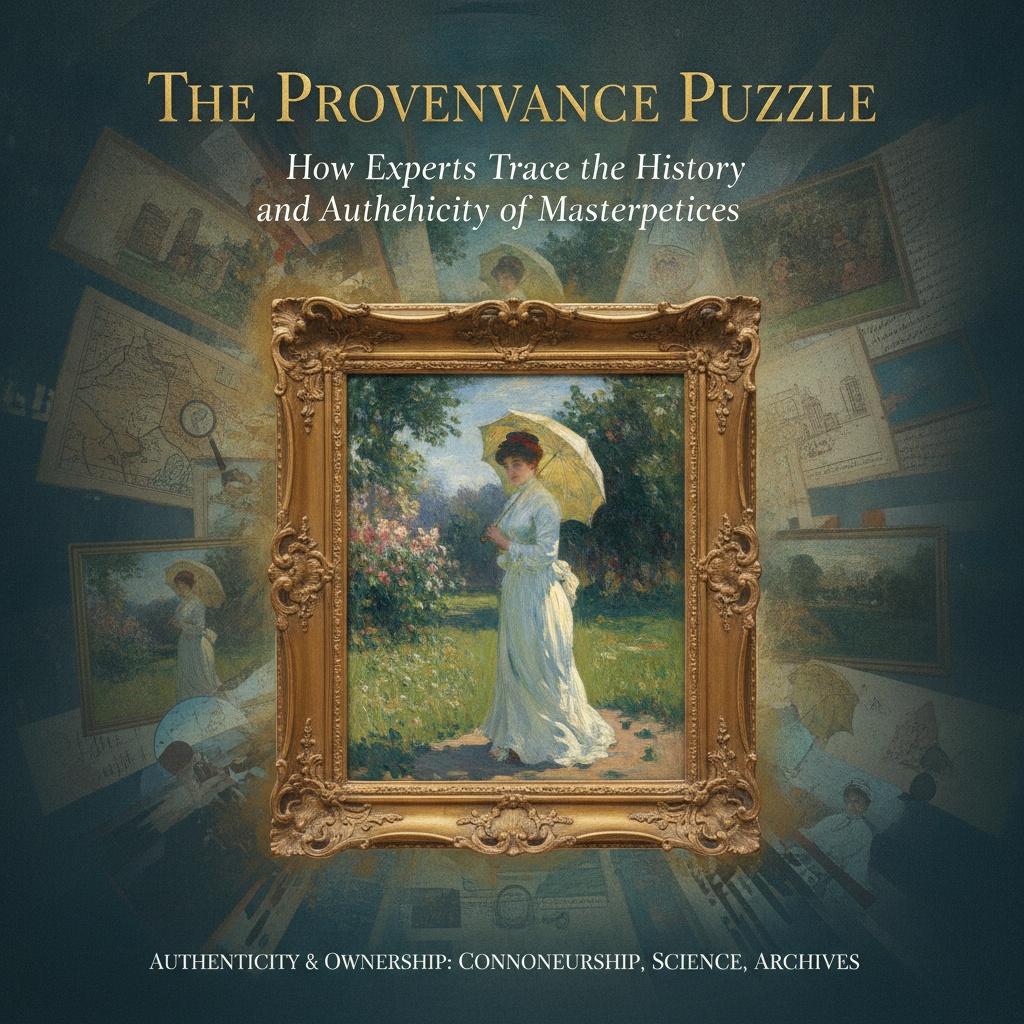
 The Provenance Puzzle: How Experts Trace the History and Authenticity of Masterpieces
The Foundation of Trust: Defining Authenticity and Provenance in the Art Market In the rarefied atmosphere of high-stakes art acquisition, the distinction between a priceless masterpiece and a clever imitation rests upon a single, invisible pillar: t...
For those who find themselves captivated by the beauty of the Impressionist era, navigating the complexities of the art market requires a commitment to rigorous due diligence. Whether you are acquiring a museum-grade oil reproduction or participating in a high-stakes auction, the responsibility of verification rests upon the shoulders of the collector. This process involves a holistic review: combining the stylistic insights of connoisseurship, the empirical evidence of scientific testing, and the meticulous scrutiny of historical archives.
In an age where forgeries can be incredibly sophisticated, trust must be earned through transparency and verifiable truth. A well-documented provenance is the ultimate safeguard for your investment, ensuring that the piece you bring into your home is not only a beautiful object of art but a legitimate piece of human heritage. As we continue to cherish the light, color, and emotion of the Impressionists, let us do so with an appreciation for the complex, invisible puzzle that confirms their enduring authenticity. At ArtsDot.com, we celebrate this dedication to truth, offering a curated sanctuary where the passion for Impressionism meets the highest standards of historical reverence.