
The Sacred Canvas: The Theological Significance of Saintly Imagery
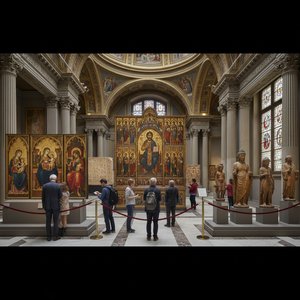
To gaze upon a masterpiece of saintly art is to step beyond the veil of the mundane and enter a realm where the temporal meets the eternal. Throughout the centuries, the depiction of saints has served far more than a mere decorative purpose; these works were intended as windows into the divine, acting as spiritual conduits for the faithful. In an era when literacy was a privilege of the few, the canvas became a silent preacher, communicating complex theological truths through visual narrative. Each stroke of oil or tempera was a deliberate act of devotion, designed to evoke awe and facilitate a profound connection with the celestial hierarchy.
The significance of these images lies in their ability to personify abstract virtues. When we observe the serene countenance of a martyr or the maternal tenderness of a Madonna, we are not merely seeing human figures; we and witnessing the embodiment of courage, purity, and unconditional love. This theological weight transforms the artwork from a static object into a living presence within the chapel or the home, inviting the viewer to participate in a continuous dialogue with the sacred. The art does not just represent the divine—it seeks to manifest it.
Luminous Devotion: Light and Symbolism in Renaissance Religious Art
In the hands of the great masters of the Renaissance, light became a primary theological instrument. Consider the breathtaking Transfiguration of Christ on Mount Tabor by Giovanni Bellini. Here, the use of luminous color and intricate detail is not merely a display of technical prowess but a profound exploration of the divine radiance that permeates the spiritual world. The way light dances across the figures in such Early Renaissance tempera works serves to differentiate the earthly from the heavenly, using brilliance to signal moments of miraculous intervention.
Symbolism weaves through these luminous scenes like an invisible thread, connecting the viewer to deep-seated liturgical meanings. In Lucas Cranach the Elder’s Virgin and Child with a Bunch of Grapes, the inclusion of fruit is far from accidental; it carries heavy Eucharistic connotations, hinting at the sacrifice to come. Similarly, the grandeur found in Lorenzo Monaco’s Coronation of the Virgin and Adoring Saints utilizes gold leaf and celestial arrangements to establish a hierarchy of holiness. Through these subtle visual cues, the artist guides the eye toward deeper contemplations of grace and redemption.
Iconography and Identity: Decoding the Attributes of the Saints
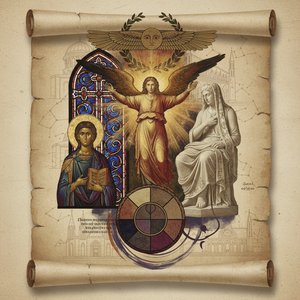
One of the most captivating aspects of saintly art is its reliance on a sophisticated system of iconography—a visual language of attributes that allows the faithful to identify holy figures instantly. A saint is rarely presented without their specific instruments of martyrdom or symbols of their earthly mission. To the trained eye, a wheel may signify Saint Catherine, while keys denote the authority of Saint Peter. These attributes serve as a shorthand for the saint's life story, their struggles, and their ultimate triumph over death.
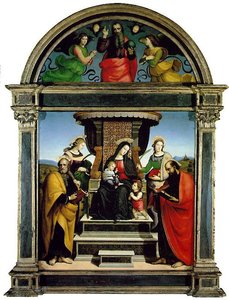
This decoding process turns the act of viewing into an intellectual and spiritual pilgrimage. As we navigate the complex compositions of Renaissance altarpieces, we are essentially reading a sacred text written in pigment and light. The identity of each figure is anchored by these objects, which bridge the gap between historical reality and hagiographic legend. By understanding these symbols, the observer moves from passive viewing to an active engagement with the history of the Church, recognizing the individual triumphs that constitute the collective memory of the faith.
From Altarpiece to Atelier: Preserving Sacred Traditions through Reproduction
The transition of these sacred images from the grand altarpieces of cathedrals to the private collections of modern enthusiasts represents a beautiful evolution of art history. While the original works remain anchored in their historical contexts, the art of the reproduction allows the spiritual essence of these masterpieces to permeate contemporary spaces. This is not merely about duplication; it is about the preservation of a legacy. The meticulous process of hand-painting reproductions ensures that the tactile soul of the original—the visible brushstrokes and the depth of the tonal range—is maintained for a new generation.
True reverence for these works requires an adherence to the techniques that defined them. When an artist utilizes 100% cotton canvas and layers oils with the same dedication as the Old Masters, they are participating in a lineage of craftsmanship that spans centuries. Whether it is through the creation of large-format murals that evoke the grandeur of a frescoed ceiling or the delicate rendering of a small portrait, the goal remains the same: to ensure that the power and beauty of saintly art continue to inspire awe, far beyond the walls of the original museums.
The Eternal Gaze: How Saint Artworks Shape Contemporary Spiritual Spaces
In our modern, often fragmented world, the presence of classical religious art offers a sense of continuity and profound stillness. Integrating these works into contemporary interiors does more than decorate a room; it creates an atmosphere of reflection. The "eternal gaze" of a saintly figure provides a focal point for meditation, grounding a space in a sense of history and permanence. These artworks act as anchors, providing a visual connection to the shared cultural and spiritual heritage of humanity.
As we continue to explore new ways to interact with art—through digital mockups that allow us to visualize masterpieces on our own walls or through custom commissions that reimagine personal milestones in historical styles—the core mission remains unchanged. The beauty of saintly art lies in its timelessness. It possesses an enduring ability to move the human spirit, transcending eras and technologies to remind us of the sublime, the beautiful, and the divine.
At ArtsDot.com, we are dedicated to this preservation of beauty. Our mission is to make these profound historical treasures accessible to everyone through authentic, hand-painted reproductions that honor the techniques of the masters. From custom portraits to large-scale architectural frescoes, we strive to bring the light of the Renaissance into the homes and hearts of collectors worldwide.