The Art of the Silhouette: Defining Elegance Through Illustration
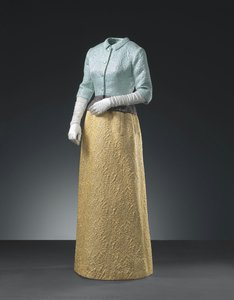
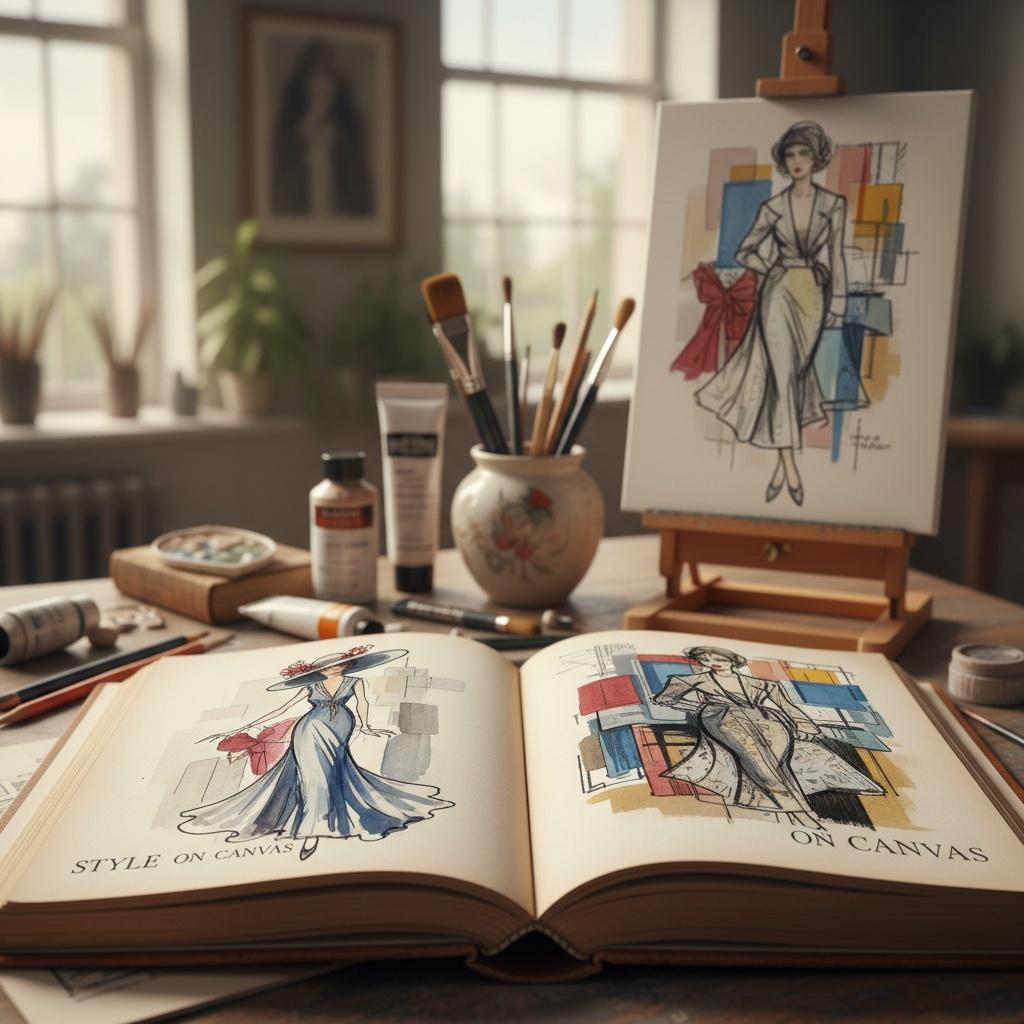
To observe a fashion illustration is to witness the ephemeral captured in a moment of eternal grace. Unlike photography, which seeks to document the literal truth of fabric and form, the illustrator possesses the divine power to distill essence from existence. It is an art form rooted in the mastery of the silhouette, where a single, sweeping stroke of a brush or pen can convey the weight of silk, the structural rigidity of a corset, or the ethereal lightness of tulle. This medium does not merely depict clothing; it breathes life into the very concept of style, transforming garments into poetic movements.
The true allure of these works lies in their ability to manipulate proportion and gesture to evoke emotion. An artist might elongate a limb or accentuate the curve of a waist to suggest a sense of aristocratic poise or avant-garde rebellion. In this delicate dance between reality and imagination, the illustration becomes a window into the soul of an era. When we gaze upon these works, we are not just looking at historical attire; we are experiencing the curated dream of beauty that designers and illustrators have meticulously crafted for generations.
From Art Deco to Avant-Garde: A Journey Through Fashion Eras
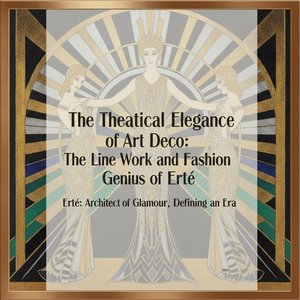
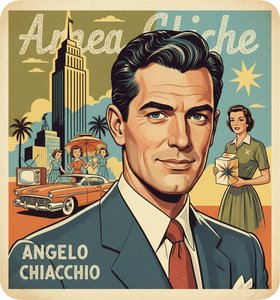
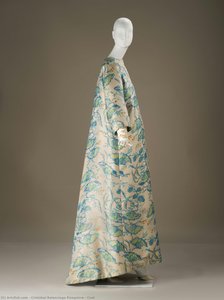
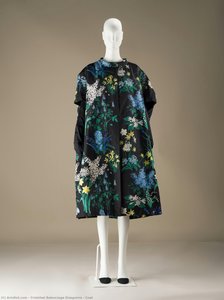
The history of fashion illustration serves as a vibrant, visual chronicle of human civilization’s shifting aesthetic values. During the roaring twenties, the influence of Art Deco introduced a geometric rigor and a sophisticated use of muted tones, epitomized by the visionary works of Sonia Delaunay. Her illustrations reflected a world of streamlined elegance, where rhythmic patterns and bold, abstract shapes mirrored the rapid modernization of society. This era celebrated the liberation of the female form, translating the energy of jazz and the sleekness of new architecture into sartorial art.
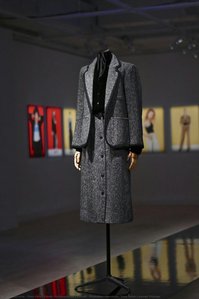
As the decades progressed, the fluidity of Art Nouveau gave way to more structured, dramatic narratives. The early 20th century saw masters like Koloman Moser bringing a sense of organic complexity to fashion periodicals, blending design and illustration into a seamless tapestry of movement. Later, the mid-century brought the cinematic glamour of Dior’s New Look, where illustrations captured the architectural grandeur of haute couture, emphasizing volume and opulence. From the rebellious, deconstructed silhouettes of the avant-garde to the classic, polished elegance of the golden age, each era’s illustrations act as a mirror, reflecting the cultural zeitgeist through the lens of high fashion.
The Tactile Dimension: Bringing Illustrative Grace to Fine Canvas
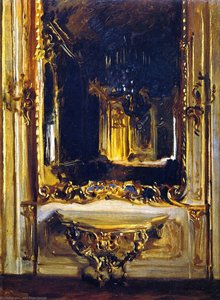
While the original sketches and magazine prints may exist on paper, there is a profound transformation that occurs when these designs are reimagined upon heavy-duty cotton canvas. The transition from a flat medium to an oil reproduction introduces a tactile dimension that breathes three-dimensional life into the artwork. Through the meticulous application of multiple layers of premium pigments, the artist can recreate the impasto texture of a masterwork, allowing light to dance across the surface just as it would on a museum original.
A true handmade oil reproduction is far more than a mere copy; it is a labor of passion. The visible, rhythmic brushstrokes provide a physical depth that digital prints simply cannot replicate. When an artist applies layers of oil paint to build texture, they are capturing the very spirit of the movement within the illustration. This technique ensures that the fluidity of a flowing gown or the sharp edge of a tailored lapel possesses a structural integrity and a "living" quality, making the artwork feel as though it is vibrating with the energy of its subject.
Curating Couture: Integrating Fashion Art into Luxury Interiors
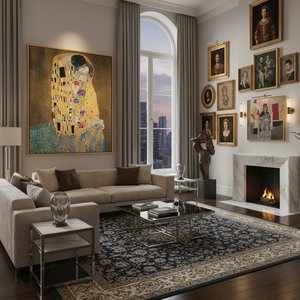
For the discerning collector and interior designer, fashion illustration offers a unique opportunity to infuse a living space with narrative and sophistication. These artworks serve as more than decoration; they are conversation pieces that anchor a room’s aesthetic identity. Integrating such works requires an eye for balance—placing a large-scale, multi-panel fashion set across a grand staircase or a wide hallway can create a sense of architectural drama that complements modern, minimalist, or classical interiors alike.
The Collector's Legacy: Preserving the Spirit of Sartorial History
To collect fashion illustration is to become a custodian of cultural memory. These works preserve the fleeting trends of the past, ensuring that the brilliance of bygone eras remains accessible to future generations. The preservation of such beauty requires not only an appreciation for the aesthetic but also a commitment to quality and longevity. Utilizing Giclée techniques with 12-color pigment-based inks or commissioning bespoke oil paintings ensures that the vibrancy of the colors and the depth of the shadows remain untarnished by time.
As we look toward the future, the intersection of traditional craftsmanship and modern technology offers new ways to honor this legacy. Whether through the restoration of vintage sketches or the creation of custom portraits that bridge historical styles with modern identities, the essence of fashion art remains constant. It is a continuous dialogue between the past and the present, a timeless pursuit of beauty that continues to inspire the most sophisticated collectors across the globe.
For those seeking to bring these extraordinary visions into their own collections, ArtsDot.com offers an unparalleled gateway to fine art reproductions and bespoke commissions. From meticulously handcrafted oil paintings to museum-grade Giclée prints, we specialize in preserving the soul of art history for the modern connoisseur.