
The Eternal Blueprint: The Architectural Legacy of Ancient Rome
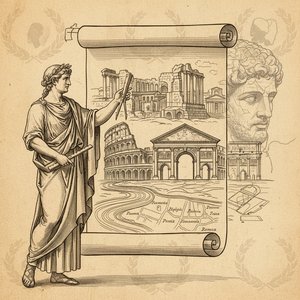
To contemplate the architecture of ancient Rome is to witness a dialogue between human ambition and the enduring strength of stone. It was an era defined not merely by conquest, but by a profound mastery of space, engineering, and the visual language of power. The Romans did more than build; they sculpted the very landscape of civilization, introducing innovations such as the triumphal arch, the expansive dome, and the sophisticated aqueduct that transformed the rugged terrain into a structured empire. These structures were never intended to be mere functional shelters; they were monuments to imperium, designed to evoke awe and command respect through their sheer mathematical precision and monumental scale.
The true genius of Roman design lies in its ability to harmonize the utilitarian with the aesthetic. The use of volcanic pozzolana concrete allowed for unprecedented structural feats, enabling the creation of vast, unencumbered interior spaces like those found within the Pantheon. This architectural vocabulary—characterized by the rhythmic repetition of columns, the strength of the barrel vault, and the grandeur of the triumphal gateway—established a blueprint for authority that would resonate through the centuries. When we look upon these ruins today, we are not merely observing decaying masonry; we are reading a lost language of stability, order, and eternal presence.
Echoes in Ink: Piranesi and the Romanticization of Roman Ruins
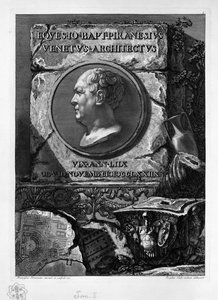
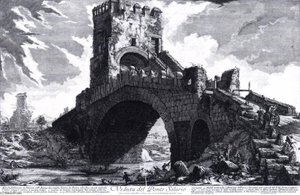
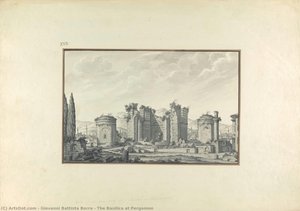
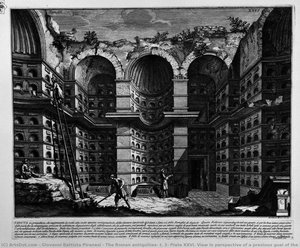
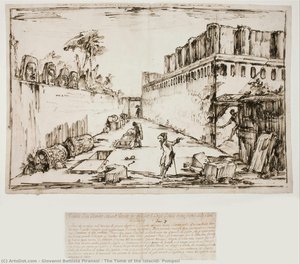
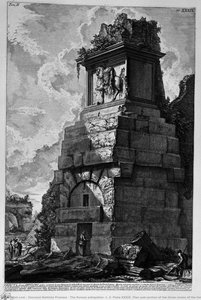
As the centuries progressed and the Roman Empire faded into the annals of myth, a new way of seeing these ruins emerged through the visionary eyes of artists like Giovanni Battista Piranesi. In the 18th century, the fascination with antiquity underwent a profound transformation, moving from archaeological study to a deeply emotional, Romantic encounter. Piranesi’s monumental engravings, particularly his celebrated series The Roman Antiquities, did not merely document stone and mortar; they breathed life into the shadows of the past. Through his masterful use of chiaroscuro, he captured the haunting beauty of subterranean complexes and the weathered textures of marble urns, inviting the viewer to feel the weight of time itself.
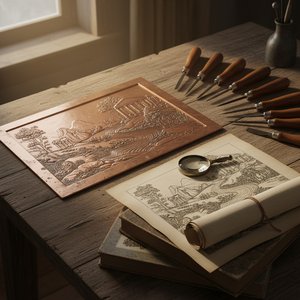
Piranesi’s work serves as a bridge between the physical reality of Roman remains and the imaginative splendor of the classical ideal. His etchings often exaggerated scale and depth, creating a sense of sublime terror and wonder. In his depictions of vast burial chambers or intricate architectural details, such as the marble urns found in ancient tombs, there is a palpable tension between the permanence of the art and the decay of the subject. This era of printmaking allowed the grandeur of Rome to travel far beyond the Mediterranean, seeding the imagination of European intellectuals and artists with images of a lost, golden age that felt both tangibly real and mythically distant.
The Sublime and the Stone: Capturing Scale and Perspective in Classical Art
Capturing the essence of Roman architecture requires more than technical accuracy; it demands an understanding of the sublime—that unique intersection of beauty and overwhelming scale. In art history, the challenge has always been to translate the three-dimensional majesty of a triumphal arch or a sprawling forum onto a two-dimensional plane without losing its soul. This is achieved through the sophisticated manipulation of perspective and light. Artists utilize vanishing points to draw the eye deep into the heart of a structure, mimicking the way a traveler might feel dwarfed by the Colosseum’s massive tiers.
The interplay of light and shadow plays a critical role in defining the tactile nature of Roman stone. By emphasizing the ruggedness of weathered travertine or the smooth, polished surface of Carrara marble, artists create a sensory experience that transcends sight. The use of deep shadows in architectural drawings provides a sense of mystery, suggesting hidden corridors and forgotten depths within the ruins. This mastery of light does not just illuminate the architecture; it imbues the stone with a living quality, making the inanimate appear to pulse with the echoes of the legions and emperors who once walked its halls.
From Antiquity to the Renaissance: How Roman Grandeur Shaped Western Aesthetics
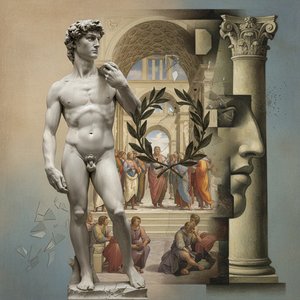
The architectural vocabulary of Rome did not vanish with the fall of its last emperor; rather, it became the foundational DNA of Western aesthetic tradition. During the Renaissance, architects and painters looked back to the classical ruins as the ultimate standard of perfection. The revival of the Corinthian order, the symmetrical balance of the pediment, and the mathematical harmony of the circle and square were all reclaimed from the Roman heritage. This period saw a profound reintegration of classical principles into the fabric of European art, where the study of ancient proportions became essential for any aspiring master.
This lineage of influence can be traced through the Baroque era, where the drama of Roman scale was amplified to create theatrical, emotive spaces, and even into the Neoclassical movement, which sought to strip away excess in favor of a pure, Roman-inspired clarity. The legacy of Rome is found in every triumphal arch in Paris, every neoclassical capitol building in Washington D.C., and every museum designed to evoke a sense of timelessness. The grandeur of the past became a continuous thread, weaving through the centuries to define what we perceive as dignity, permanence, and cultural sophistication.
Preserving the Past: Modern Techniques in Recreating Architectural Masterpieces
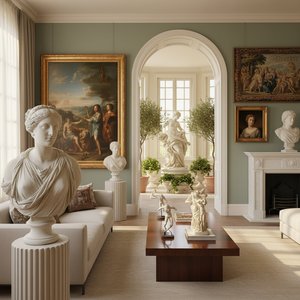
In our contemporary era, the preservation of this architectural majesty takes on a new form through the medium of fine art reproduction. While the original stones may succumb to the elements, the spirit of Roman architecture is kept alive through meticulous craftsmanship. Today, artists utilize both traditional and modern techniques to recreate the textures and depths of classical works. The application of heavy-duty oils, the building of impasto layers to mimic weathered stone, and the use of high-fidelity pigments allow for a tactile experience that brings the ancient world into the modern home.
Whether through the creation of large-format murals that transform a room into a classical sanctuary or through custom oil paintings that reimagine historical ruins with contemporary light, the goal remains the same: to honor the original's majesty. At ArtsDot.com, we believe that art is a vessel for history. By employing academic excellence and a deep respect for the masters of the past, we ensure that the grandeur of Roman architecture continues to inspire, educate, and enchant collectors across the globe, bridging the gap between the eternal past and our present moment.