The Enigmatic Brush of Bruges: The Master of the Legend of Saint Ursula
In the twilight of the fifteenth century, amidst the bustling, prosperous streets of Bruges, an artist emerged whose name would become forever entwined with the hagiography of a saint, even as his own true identity remained shrouded in mystery. Known to art historians as the Master of the Legend of Saint Ursula, this Flemish painter operated during a golden age of Netherlandish creativity, a period when the Habsburg Netherlands served as a crucible for unparalleled artistic innovation. While the man behind the brush remains elusive, his hand speaks with a profound clarity, leaving behind a legacy of luminous oil paintings that capture the spiritual fervor and meticulous craftsmanship of the Bruges School.
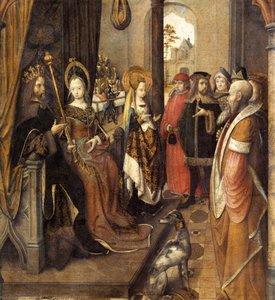
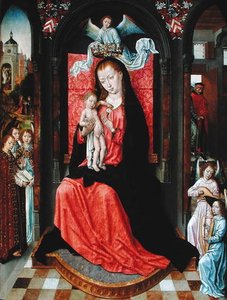
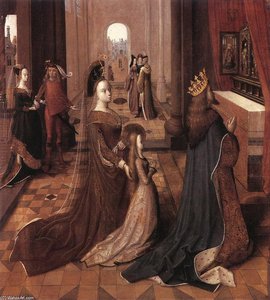
The very moniker of this master is a testament to his most significant contribution to the canon of Early Netherlandish art. His identity is derived from a monumental polyptych—an altarpiece consisting of eight intricate panels depicting the harrowing yet heroic life of Saint Ursula. Commissioned for the convent of the Black Sisters in Bruges between approximately 1480 and 1500, this work serves as a window into a lost world of devotion. Through these panels, the artist weaves a complex narrative of martyrdom and faith, utilizing the cityscape of Bruges itself—complete with the recognizable belfry and tower of the Church of Notre-Dame—to ground the divine legend within the tangible reality of his contemporary home.
Artistic Lineage and the Mastery of Light
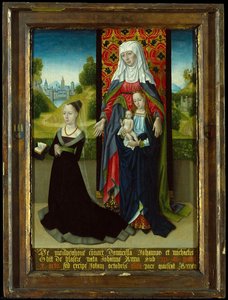
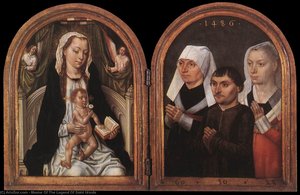
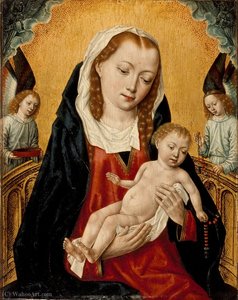
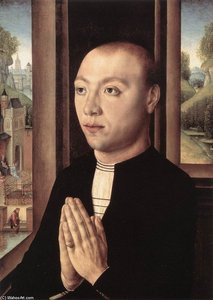
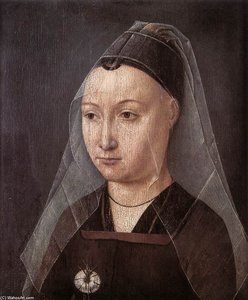
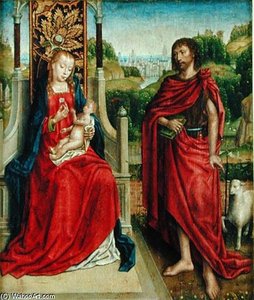
To understand the aesthetic soul of the Master, one must look to the giants upon whose shoulders he stood. His style represents a sophisticated stylistic convergence, acting as a bridge between the emotive intensity of Rogier van der Weyden and the serene, atmospheric grace of Hans Memling. This synthesis allowed him to achieve a unique painterly language characterized by an extraordinary command of oil glazing. By layering translucent pigments, he achieved a level of luminosity that made fabrics appear tactile and skin possess a soft, inner glow, inviting the viewer into a space where the physical and the spiritual intersect.
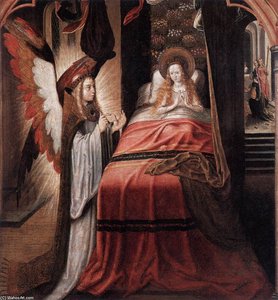
The technical prowess displayed in his surviving works reveals a deep commitment to the principles of meticulous realism. His compositions are often dense with symbolic richness, where every fold of a garment or placement of a botanical element carries a deeper theological weight. This dedication to detail is perhaps most evident in his ability to manipulate light and shadow to create atmospheric depth, a hallmark of the Bruges masters. Whether depicting the quiet intimacy of an Annunciation or the dramatic tension of a martyrdom, his work possesses a rhythmic, narrative flow that guides the eye through a landscape of profound religious significance.
A Legacy Etched in Gold and Oil
Though biographical records are sparse—offering only glimpses such as his registration in the Bruges guild of saddlemakers and sculptors in 1460—the historical significance of the Master cannot be overstated. He was a vital participant in the cultural dynamism of the late Middle Ages, contributing to a repertoire of images that shaped the devotional life of the Flemish people. His ability to blend local topography with universal religious themes helped solidify Bruges as a premier center of European art.
The enduring impact of his oeuvre is found in the masterpieces that continue to captivate museum-goers today, including:
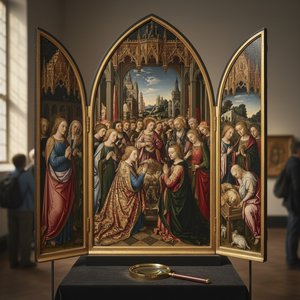
- The Triptych of the Annunciation: A breathtaking display of craftsmanship currently housed in the Indianapolis Museum of Art, showcasing his ability to populate sacred scenes with a cast of saints.
- The Altarpiece of the Legend of Saint Ursula: The cornerstone of his reputation, now preserved in the Groeningemuseum, which remains a definitive example of late medieval narrative painting.
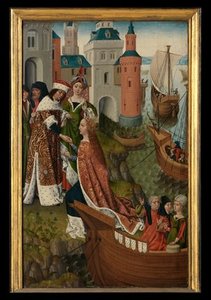
- St. Ursula Bidding Farewell to Her Parents: A poignant exploration of human emotion and familial devotion, rendered with his signature textural precision.
Ultimately, the Master of the Legend of Saint Ursula represents the triumph of artistry over anonymity. Though his personal history may be lost to the archives of time, his vision remains vibrantly alive, preserved in the golden light and sacred shadows of his enduring masterpieces.