The Luminous Legacy of William E. Winner
In the quiet corners of American art history, certain names resonate with a soft, enduring light, much like the dappled sunlight captured in their canvases. William E. Winner (1863 – Living) is such a figure—a master of atmosphere whose work serves as a bridge between the meticulous realism of the mid-19th century and the emotive, fleeting impressions of the Impressionist movement. Born in Philadelphia, a city then teeming with artistic ambition, Winner developed a visual language that sought to translate the serene beauty of the Pennsylvania landscape into something deeply personal and spiritually resonant.
While much of his formal biographical record remains shrouded in the gentle mists of time, the impact of his mentorship and technique is undeniably etched into the fabric of American design. It is noted that notable figures, such as the architect William Samuel Huckel Jr., sought his guidance during their formative years. This suggests that Winner was not merely a solitary observer of nature but a respected presence in the Philadelphia artistic circle, possessing a technical command that could inspire the next generation of creators.
A Journey from Realism to Impressionistic Light
Winner’s artistic evolution is a fascinating study of a painter moving from the tangible to the ephemeral. His early endeavors were rooted in the tradition of genre painting, where he applied a disciplined, almost scientific precision to scenes of domestic life. In these works, every texture and shadow was rendered with an eye for truth, capturing the quiet dignity of everyday existence. However, as his career progressed, a profound shift occurred. Influenced by the revolutionary light-play of Claude Monet and the grand, atmospheric vistas of Frederic Church, Winner began to loosen his brushwork, allowing color and texture to take precedence over rigid form.
This transition marked his true emergence as an Impressionist. He moved away from the heavy outlines of traditional realism toward a style that celebrated the transient qualities of light. His landscapes became less about the physical geography of the American countryside and more about the feeling of a specific moment in time. Through nuanced brushstrokes and subtle tonal gradations, he mastered the art of capturing:
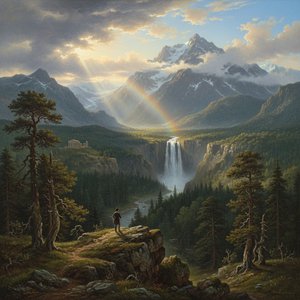
- The delicate interplay of sunlight filtering through dense forest canopies;
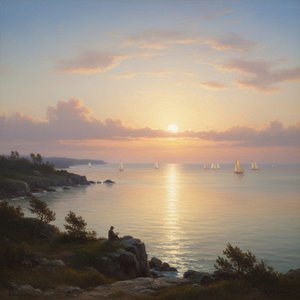
- The soft, hazy atmosphere of a summer afternoon in rural Pennsylvania;
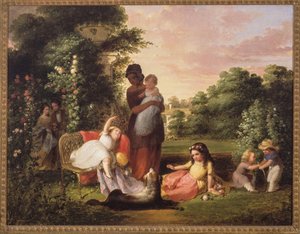
- The rhythmic movement of shadows across a garden floor;
- The emotional weight found within the quietude of nature.
Technical Mastery and Lasting Significance
One cannot discuss Winner’s oeuvre without reflecting on his ability to marry psychological depth with technical brilliance. While he is celebrated for his landscapes, such as the evocative “Garden Scene Near Philadelphia,” his skill in portraiture demonstrates a remarkable versatility. His work "The Winner," a portrait commissioned by Sir Montague Orpen, stands as a testament to his capacity to capture the human spirit with the same sensitivity he applied to the natural world. In this piece, the artist showcases an adeptness at portraying character through light and shadow, proving that his mastery extended far beyond the pastoral.
Ultimately, William E. Winner’s significance lies in his role as a quiet pioneer of the American Impressionist spirit. He did not rely on the loud proclamations of academic fame but instead built a legacy through the enduring quality of his vision. His paintings remain vital windows into a bygone era, offering contemporary viewers a chance to reconnect with the tranquil, unhurried beauty of the natural world. Through his eyes, we see not just a landscape, but a profound meditation on the fleeting, beautiful essence of life itself.