
About the Physical & Theoretical Chemistry Laboratory
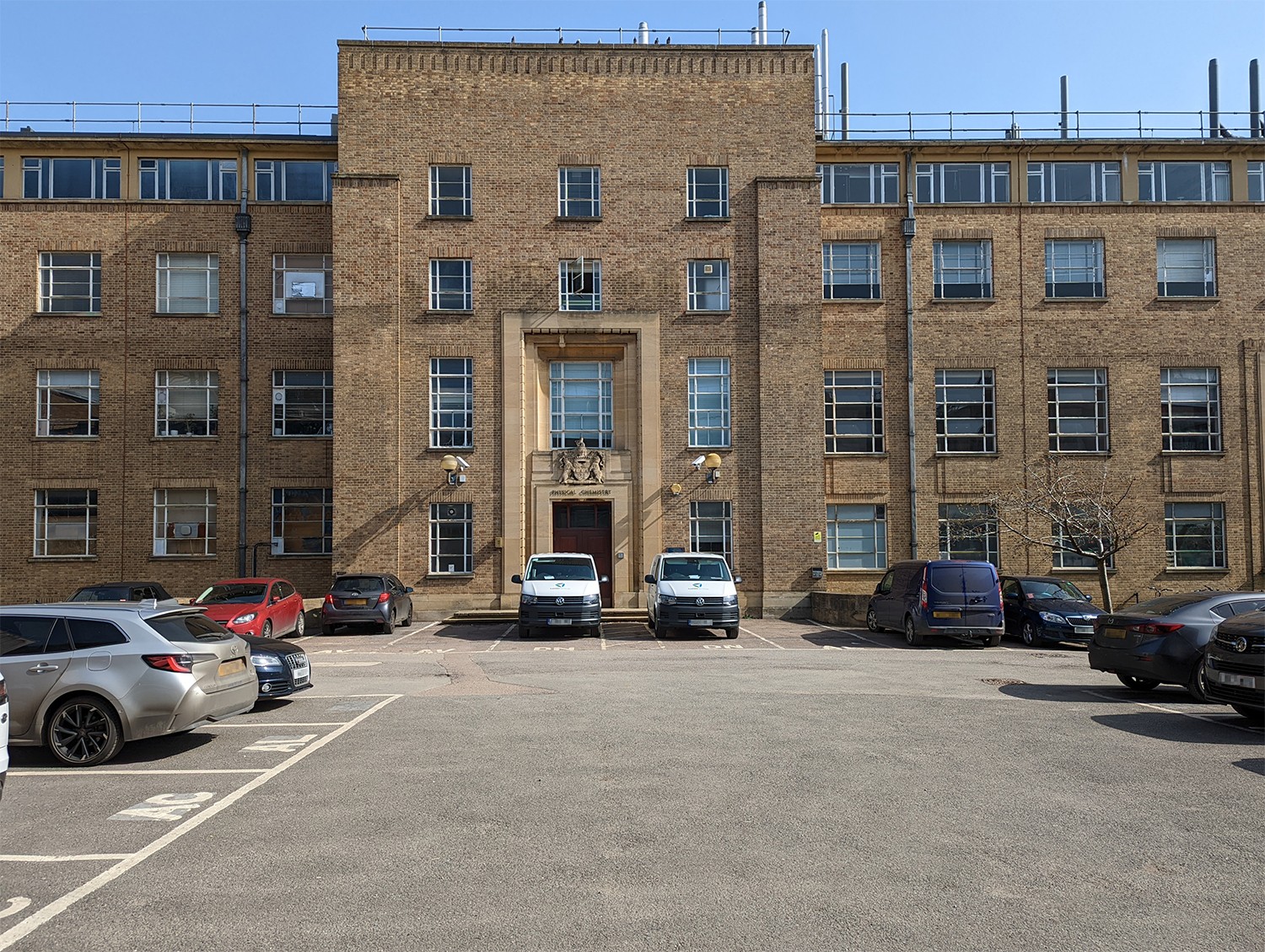
The Physical & Theoretical Chemistry Laboratory (PTCL) at Oxford University is a world-renowned research institution dedicated to advancing our understanding of the fundamental principles governing chemical systems. It’s not a traditional museum with public displays, but rather a working laboratory steeped in history and scientific innovation.
Specializations & Research
- Physical Chemistry: Investigating the physical basis of chemical phenomena, including thermodynamics, kinetics, and spectroscopy.
- Theoretical Chemistry: Employing computational methods and mathematical models to predict and explain chemical behavior.
- Inorganic Chemistry: Focusing on the synthesis and properties of compounds that do not contain carbon-hydrogen bonds.
- Interdisciplinary Research: Collaborating with other departments within Oxford University and institutions globally to tackle complex scientific challenges.
Notable Aspects & History
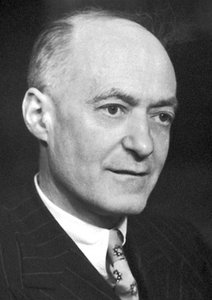
The PTCL boasts a rich history dating back to the 17th century when early chemical research began at Oxford. The department has been home to numerous Nobel laureates, including Frederick Soddy, Cyril Hinshelwood, and Dorothy Hodgkin, whose groundbreaking work significantly impacted their respective fields.
- Early Beginnings: Chemical investigations started in the mid-1600s with Robert Boyle and Robert Hooke.
- Evolution of Laboratories: The department evolved from a basement laboratory in the Old Ashmolean Building (1683) through various college laboratories to dedicated facilities like the Abbot’s Kitchen, Dyson Perrins Laboratory, and ultimately the current PTCL established in 1995.
- Key Achievements: Contributions include advancements in understanding radioactivity, chemical kinetics, crystallography, and the development of the Periodic Table.
Architecture & Facilities
The PTCL is located on South Parks Road within the Science Area of Oxford University. While not open for general public tours, it comprises modern laboratory spaces equipped with state-of-the-art instrumentation for cutting-edge research. The buildings reflect a blend of historic and contemporary architectural styles.
What Makes It Unique
- Research Focus: Primarily a working laboratory, offering a glimpse into the world of advanced scientific inquiry rather than a static display of artifacts.
- Nobel Laureate Legacy: A strong tradition of groundbreaking research and contributions to chemistry recognized with multiple Nobel Prizes.
- Historical Significance: Its evolution reflects the development of chemistry as a scientific discipline over centuries.
While public access is limited, the PTCL remains a vital hub for chemical innovation and education at one of the world’s leading universities.