


A Symphony of Strategy: The Soul of the World Chess Hall of Fame
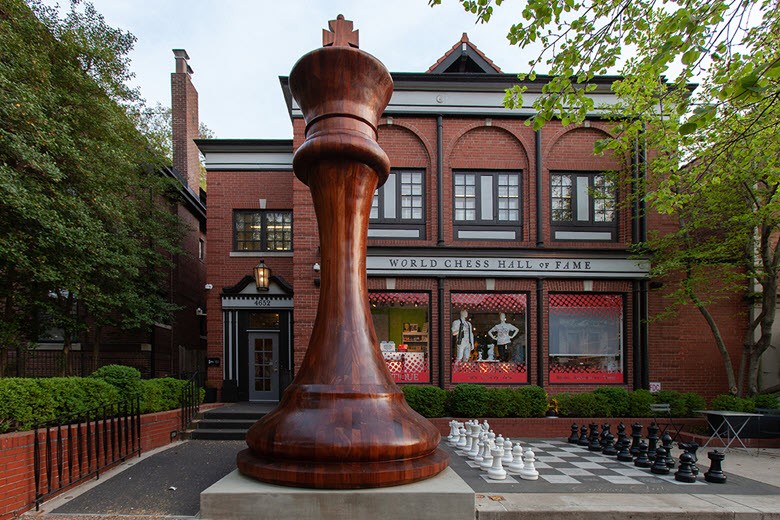
In the heart of St. Louis, where the vibrant energy of the Central West End meets a profound sense of historical reverence, lies an institution that transcends the boundaries of a mere museum. The World Chess Hall of Fame is not simply a repository for wooden pieces and tournament records; it is a sanctuary where the intellectual rigor of the chessboard converges with the sublime beauty of fine art. To step through its doors is to enter a realm where every move tells a story, and every artifact serves as a bridge between the strategic depths of the mind and the expressive heights of human creativity. Founded in 1984 by Steven Doyle and nurtured by the visionary patronage of Rex Sinquefield, this institution has evolved from its humble beginnings in New York into a global beacon for those who find poetry in the patterns of play.
The architecture of the Hall of Fame itself reflects a deliberate harmony between modern sophistication and symbolic resonance. Situated directly across from the prestigious Saint Louis Chess Club, the building’s design offers an inviting elegance that mirrors the timeless nature of the game. For the art lover or the discerning interior designer, the museum provides a masterclass in how space can evoke atmosphere. The museum's curation seamlessly blends historical gravity with contemporary flair, creating an environment where one might encounter the delicate craftsmanship of Louis Majorelle’s exquisite furniture—a piece that once graced the 1900 Paris World Fair—alongside the avant-garde spirit of modern exhibitions. This architectural dialogue between the old world and the new ensures that the museum feels less like a static archive and more like a living, breathing gallery.
The collection is a breathtaking tapestry of cultural significance, offering treasures that captivate the senses and ignite the imagination. One cannot wander through these halls without being moved by the artistic interpretations of the game; for instance, Jean-Louis Forain’s “Music Hall” brings the vibrant, flickering lights of Belle Époque Paris into the museum's narrative, while Jean-Louis Ernest Meissonier’s “A Game of Chess” offers a poignant window into the social customs and bourgeois leisure of a bygone era. Beyond the canvas, the museum holds profound physical connections to legends like Bobby Fischer and Paul Morphy, showcasing everything from custom-made chess furniture to the ancient, mysterious allure of Senet , an Egyptian board game that whispers of antiquity. It is this rare ability to juxtapose the tactile history of legendary grandmasters with the ethereal beauty of fine art that makes the Hall of Fame a singular destination.
What truly distinguishes the World Chess Hall of Fame is its commitment to the idea that chess is an enduring influence on literature, music, and visual art. Through rotating exhibitions, the museum explores how the geometry of the board has inspired composers and painters alike, fostering a dynamic environment where intellect and artistry are inseparable. Whether one is drawn by the technical brilliance of Arnold Schönberg’s “Coalition Chess” or the historical weight of the U.S. Chess Championship triumphs, the museum offers an immersive journey. It is a place for the collector to find inspiration in the intersection of form and function, and for the enthusiast to rediscover a game not just as a contest of wits, but as a profound expression of the human spirit.