 Vorschau anzeigen
 Versenden
 Teilen
 Details anzeigen

 Herunterladen
 Ähnliche Objekte
 Röntgenaufnahme
 Diashow
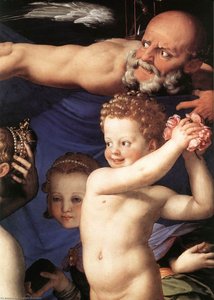
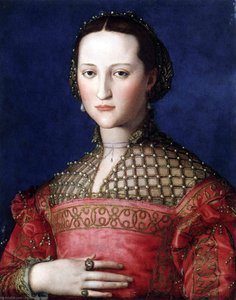
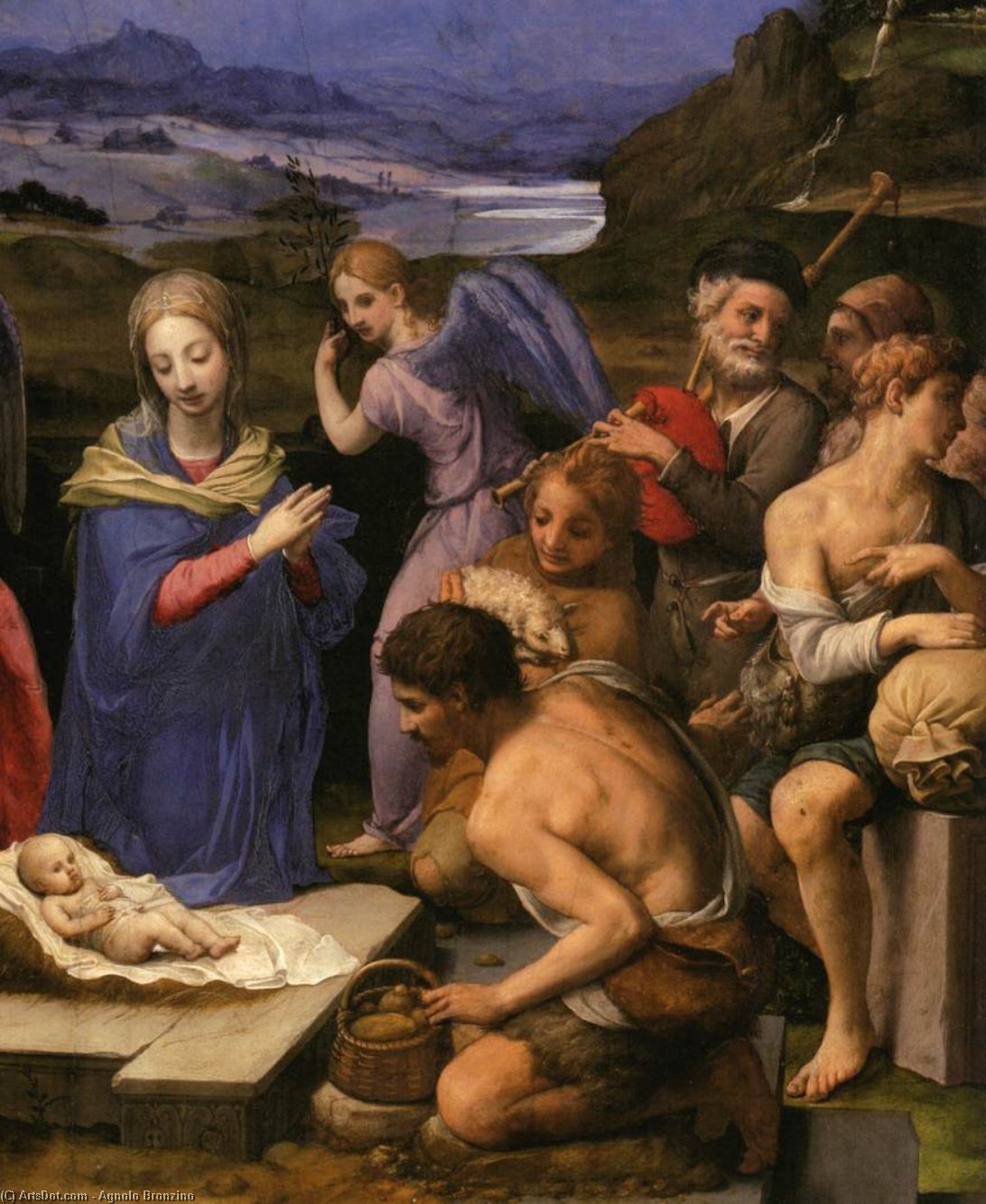
Adoration of the Shepherds (detail) (11)


 Weiterlesen
Giclée / Kunstdruck
Giclée- oder Leinwanddruck in Museumsqualität mit schneller Produktion und flexiblen Veredelungsoptionen. ( Handgemalte Reproduktion bestellen Bild kaufen)




P118B $10

P118H $10

P118W $10

P438Z $10

P508JH $12

P508YH $12

P805H $10

P805Z $10

P919BZ $10

P919G $10

P919XJ $10

P959ZH $10

P968JZ $12

W106C $8

W218G $10

W218JH $8

W218Y $10

W307PJ $10

W316G $10

W316PJ $8

W316Y $10

W398PJ $8

W4111J $10

W500HY $15

W500JH $15

W692G $12

W849H $8

W940BG $15

W953PJ $8




Wählen Sie aus unseren vordefinierten Formaten, die den ursprünglichen Proportionen des Kunstwerks entsprechen.

Sie können Ihre eigenen Maße eingeben, um ein bestimmtes Format oder einen speziellen Platz einzupassen. Wenn das von Ihnen gewählte Format nicht den Proportionen des Originalbildes entspricht, werden wir das Kunstwerk entweder beschneiden oder das Bild mit einem gespiegelten oder einfarbigen Rand erweitern. Ein digitaler Entwurf wird Ihnen zur Genehmigung zugesandt, bevor die Produktion beginnt.
Bitte beachten Sie, dass die Vorschau auf dem Bildschirm nicht den tatsächlichen Zuschnitt oder die Erweiterung widerspiegelt. Nur der Entwurf zeigt die endgültige Komposition präzise an.
Obwohl Sondermaße verfügbar sind, empfehlen wir die Auswahl eines Maßes aus der vordefinierten Liste, um die ursprünglichen Proportionen zu bewahren.
Weltweiter Versand () innerhalb von 2 Wochen statt der üblichen 4/5 Wochen. (28 August)

Kostenloser weltweiter Expressversand

Hochwertige Leinenleinwand

Umfassender Versicherungsschutz beim Versand

Zollgebühren-Rückerstattungsgarantie

Garantie für exakte Farbtreue

60 Tage Rückgaberecht (nur bei Mängeln)

100% Geld-zurück-Garantie

Mengenrabatt verfügbar
 Die Glasoption ist nur für Größen unter 110 cm verfügbar.

Adoration of the Shepherds (detail) (11)
Giclée / Kunstdruck
Format der Reproduktion
-


Gesamtpreis
$ 62
A Vision of Divine Serenity
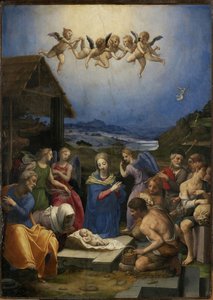
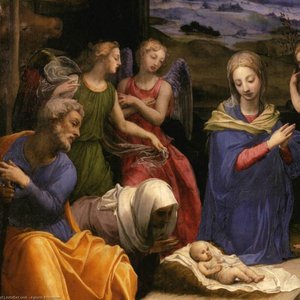
In the heart of the Florentine Renaissance, where the shadows of Mannerism began to dance with the structured grace of the High Renaissance, Agnolo Bronzino captured a moment of profound spiritual stillness. His Adoration of the Shepherds is not merely a depiction of a biblical event; it is a masterclass in controlled emotion and luminous beauty. The scene unfolds as a sacred tableau, centered upon the tender vulnerability of the infant Jesus nestled within a humble manger. Around this divine focal point, a gathering of figures—men and women alike—converge in an atmosphere of quiet reverence. The composition draws the eye inward, guiding the viewer through a landscape of devotion where every gaze and gesture serves to honor the sanctity of the Nativity.
To behold this work is to witness the transition from the expressive fervor of Bronz's teacher, Pontormo, to a more refined, aristocratic elegance. While the subject matter is deeply rooted in Christian iconography, the execution possesses a sophisticated coolness that is uniquely Bronzino. The presence of celestial messengers, or angels, flanking the manger adds a layer of ethereal grace, bridging the gap between the earthly shepherds and the divine realm. Even the small details, such as a cup placed near the bottom center—perhaps an offering of humble tribute—contribute to the narrative of a world paused in awe of the miraculous.
The Mastery of Mannerist Precision
Technically, this piece stands as a testament to Bronzino’s unparalleled ability to manipulate oil on poplar wood. He utilized a meticulous glazing method, applying layers upon layers of translucent pigment to achieve a depth that feels almost breathable. This technique allows for an extraordinary tonal subtlety, where the light seems to emanate from within the flesh of the figures and the heavy folds of their drapery. For the discerning collector or interior designer, this creates a visual richness that commands attention; the textures of fabric and skin are rendered with such astonishing accuracy that they invite close, prolonged inspection.
The brilliance of Bronzino’s technique lies in his ability to balance complexity with clarity. While the painting is rich with detail, the composition remains harmoniously proportioned, reflecting the Renaissance obsession with mathematical and aesthetic balance. The use of expensive pigments, such as the deep lapis lazuli that often characterized the skies of his era, lends a regal quality to the work. This interplay of light and shadow—the chiaroscuro of devotion—creates an illusionistic depth that transforms a flat surface into a window onto a sacred moment.
An Enduring Legacy for the Modern Collector
For those seeking to infuse a space with historical weight and emotional depth, a reproduction of this masterpiece offers more than mere decoration; it provides a focal point of contemplative peace. The Adoration of the Shepherds embodies a "reserved elegance" that transcends time. It does not shout for attention through chaotic movement but rather commands respect through its stillness and impeccable craftsmanship. Whether placed in a curated gallery, a sophisticated study, or a grand living space, the painting brings with it the storied legacy of the Medici court and the refined aesthetic of 16th-century Florence.
Investing in such a piece allows one to surround themselves with the intellectual and spiritual rigor of the Mannerist period. It is an invitation to slow down, to observe the subtle interplay of light on silk, and to find resonance in the timeless themes of faith, humility, and wonder. In an era of rapid change, Bronzino’s ability to freeze a moment of eternal grace offers a sanctuary of beauty for any discerning eye.
Ähnliche Kunstwerke
Über den Künstler
Frühes Leben und Ausbildung
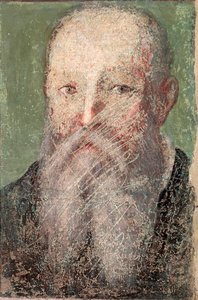
Agnolo di Cosimo, bekannt als Bronzino, wurde am 17. November 1503 in Florenz, Italien, geboren. Er war der Sohn eines Metzgenders und begann seine künstlerische Ausbildung bei Raffaellino del Garbo, gefolgt von einer Lehrzeit bei Pontormo, einem bedeutenden Manieristenmaler.Künstlerischer Stil und Einflüsse
Bronzinos Stil ist durch elegante, ruhige und zurückhaltende Figuren gekennzeichnet, denen oft die Aufregung und Emotionen fehlen, die in den Werken seines Lehrmeisters Pontormo zu finden sind. Seine Porträts, insbesondere von der florentinischen Elite, sind für ihre winzige Detailgenauigkeit bekannt und haben die europäische Hofporträtmalerei über Jahrhunderte hinweg beeinflusst.Hauptwerke
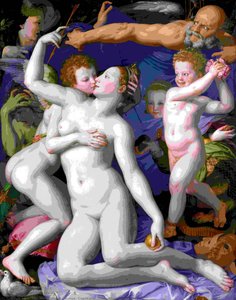
- Venus, Amor, Trivialität und Zeit (ca. 1544-45), jetzt in der National Gallery, London
- Porträts von Cosimo I. de’ Medici und seiner Frau Eleonora di Toledo, die Bronzinos Meisterschaft in der Manieristenporträtmalerei zeigen
- Idealisiert Porträts der Dichter Dante (ca. 1530, jetzt in Washington, D.C.) und Petrarch
Wirken am Hof und Späteres Leben
Bronzino wurde zum offiziellen Hofmaler des Herzogs von Toskana ernannt und blieb den größten Teil seiner Karriere in dieser Position tätig. Er war Gründungsmitglied der florentinischen Accademia delle Arti del Disegno im Jahr 1563. Bronzino verstarb am 23. November 1572 in Florenz.- Weitere Werke von Agnolo Bronzino finden Sie unter https://ArtsDot.com/@/agnolo_bronzino
- Erkunden Sie die florentinische Barock-Kunstbewegung und ihren Einfluss auf die westliche Kunst unter https://ArtsDot.com/@@/a@d3cpvx
- Entdecken Sie mehr über die italienische Renaissance-Kunstbewegung und ihre Auswirkungen auf die westliche Kunst unter /de/art/show/art-d3cpud-de/
- 17. November 1503: Geburt in Florenz, Italien
- 1539: Erhielt Medici-Schutzherrschaft für die Hochzeit von Cosimo I. de’ Medici mit Eleonora di Toledo
- 23. November 1572: Verstarb in Florenz
Agnolo Bronzino
1503 - 1572 , Italien
Kurzinfos
- Beeinflusste Künstler:
- Raffaellino del Garbo
- Jacopo Pontormo
- Bemerkenswerte Werke:
- Venus, Amor und Zeit
- Porträts der Medici-Familie
- Geburtsdatum: 17. November 1503
- Geburtsort: Florenz, Italien
- Künstlerischer Stil: Mannerismus
- Nationalität: Italiener
- Todatum: 23. November 1572
- Vollständiger Name: Agnolo Bronzino
- Von Künstlern Beeinflusst:
- Michelangelo
- Raphael
Ähnliche Artikel

Giclée Prints: Archival Quality & Aesthetic Nuances for the Discerning Collector
Explore the world of giclée prints with ArtsDot. Learn about archival quality, aesthetic nuances & investment potential. Expert guidance for discerning art collectors seeking museum-quality reproductions and lasting value.

Echoes of Time: Exploring the Enduring Appeal & Historical Context of Vintage Art Prints
Explore the captivating world of vintage art prints! Discover their history, collecting tips & enduring appeal. Expert insights on chromolithography and building a legacy collection with ArtsDot.

The Enduring Legacy of Fine Art Prints: Technique, History & Aesthetic Impact
Explore the rich history & techniques of fine art prints. Discover investment potential, assess authenticity, and learn how to preserve your collection with expert guidance. Trusted insights for discerning collectors.
The Enduring Legacy of Printmaking: Techniques, Themes & Artistic Innovation Across Centuries
Explore the rich history of printmaking with ArtsDot. Discover techniques from intaglio to lithography, learn about collecting valuable prints & find museum-quality reproductions. Expert insights for art enthusiasts and collectors.
The Enduring Legacy of Woodblock Printmaking: Technique, History & Artistic Expression
Explore the rich history of woodblock printmaking – from ancient techniques to Ukiyo-e masterpieces. Discover expert insights on collecting, preserving & appreciating this enduring art form.