 Vorschau anzeigen
 Versenden
 Teilen
 Details anzeigen

 Herunterladen
 Ähnliche Objekte
 Röntgenaufnahme
 Diashow
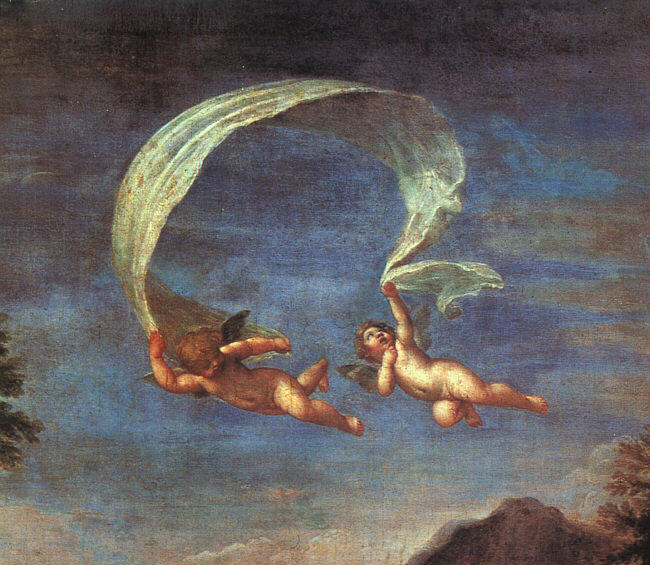
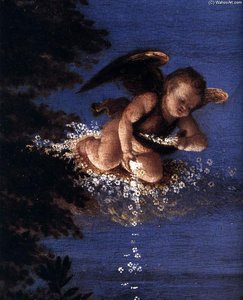
Adonis Led by Cupids to Venus, detail


 Weiterlesen
Giclée / Kunstdruck
Giclée- oder Leinwanddruck in Museumsqualität mit schneller Produktion und flexiblen Veredelungsoptionen. ( Handgemalte Reproduktion bestellen Bild kaufen)




P118B $10

P118H $10

P118W $10

P438Z $10

P508JH $12

P508YH $12

P805H $10

P805Z $10

P919BZ $10

P919G $10

P919XJ $10

P959ZH $10

P968JZ $12

W106C $8

W218G $10

W218JH $8

W218Y $10

W307PJ $10

W316G $10

W316PJ $8

W316Y $10

W398PJ $8

W4111J $10

W500HY $15

W500JH $15

W692G $12

W849H $8

W940BG $15

W953PJ $8




Wählen Sie aus unseren vordefinierten Formaten, die den ursprünglichen Proportionen des Kunstwerks entsprechen.

Sie können Ihre eigenen Maße eingeben, um ein bestimmtes Format oder einen speziellen Platz einzupassen. Wenn das von Ihnen gewählte Format nicht den Proportionen des Originalbildes entspricht, werden wir das Kunstwerk entweder beschneiden oder das Bild mit einem gespiegelten oder einfarbigen Rand erweitern. Ein digitaler Entwurf wird Ihnen zur Genehmigung zugesandt, bevor die Produktion beginnt.
Bitte beachten Sie, dass die Vorschau auf dem Bildschirm nicht den tatsächlichen Zuschnitt oder die Erweiterung widerspiegelt. Nur der Entwurf zeigt die endgültige Komposition präzise an.
Obwohl Sondermaße verfügbar sind, empfehlen wir die Auswahl eines Maßes aus der vordefinierten Liste, um die ursprünglichen Proportionen zu bewahren.
Weltweiter Versand () innerhalb von 2 Wochen statt der üblichen 4/5 Wochen. (25 August)

Kostenloser weltweiter Expressversand

Hochwertige Leinenleinwand

Umfassender Versicherungsschutz beim Versand

Zollgebühren-Rückerstattungsgarantie

Garantie für exakte Farbtreue

60 Tage Rückgaberecht (nur bei Mängeln)

100% Geld-zurück-Garantie

Mengenrabatt verfügbar
 Die Glasoption ist nur für Größen unter 110 cm verfügbar.

Adonis Led by Cupids to Venus, detail
Giclée / Kunstdruck
Format der Reproduktion
-


Gesamtpreis
$ 62
Sammlerstück-Beschreibung
A Celestial Encounter: The Grace of Albani’s Baroque Vision
In the luminous realm of the Italian Baroque, few moments capture the ethereal intersection of divinity and desire as poignantly as Francesco Albani’s Adonis Led by Cupids to Venus. This exquisite detail invites the viewer into a fragment of a much larger mythological tapestry, where the boundaries between the earthly landscape and the celestial heavens begin to dissolve. At its heart, the work presents a scene of profound movement and tenderness; two cherubs, or cupids, drift through the air with an effortless grace that seems to defy gravity. They carry a billowing white cloth, a silken veil that catches the light and traces a path of motion across the composition, acting as a visual bridge between the playful mischief of the divine messengers and the serene presence of the goddess herself.
The artistry of l'Albane is masterfully displayed through his command of chiaroscuro. Rather than relying on harsh, jarring contrasts, Albani employs a sophisticated manipulation of light to create a soft, glowing atmosphere that feels both intimate and monumental. The skin of the cherubs possesses a porcelain-like delicacy, catching the sun's warmth, while the background recedes into a dreamy, atmospheric perspective. This technique does more than just create depth; it imbues the painting with a palpable emotional temperature—a sense of warmth, longing, and the sweet anticipation of a fated encounter.
Symbolism and the Language of Mythological Desire
Every element within this composition serves as a silent narrator to the legend of Adonis and Venus. The cupids are not merely decorative flourishes; they are the architects of destiny. Their joyful, mischievous expressions embody the irresistible allure of love, acting as the catalysts that drive the mortal Adonis toward the divine embrace of Venus. The swirling drapery and the upward trajectory of the figures serve as a visual metaphor for ascension, suggesting that through the power of beauty and passion, the soul can rise toward a higher, more divine state of being.
In the background, the figure of Venus emerges with a serene, almost otherworldly countenance. Her gaze, though directed away from the viewer in this specific detail, radiates a quiet strength and a profound peace. The landscape surrounding these figures—rolling hills and soft, verdant trees—grounds the mythological drama in a tangible, pastoral reality. This juxtaposition of the eternal (the gods) with the temporal (the natural world) is a hallmark of Albani’s style, making the divine feel accessible and deeply human. For the collector or designer, this piece offers more than just aesthetic beauty; it provides a window into a period where art sought to harmonize the grandeur of myth with the delicate nuances of human emotion.
An Inspiration for Timeless Interiors
For those looking to curate a space of sophistication and narrative depth, a high-quality reproduction of this masterpiece offers unparalleled versatility. The warm earth tones and soft blues found within Albani’s palette harmonize beautifully with both classical and contemporary decor. Whether placed as a focal point in a formal study or used to add a touch of romantic elegance to a bright, airy living space, the painting brings with it an aura of historical prestige and intellectual curiosity.
Owning such a work is an invitation to daily contemplation. It serves as a reminder of the enduring power of beauty and the timelessness of the stories that define our cultural heritage. As a piece of fine art decoration, Adonis Led by Cupids to Venus does not merely occupy a wall; it transforms an environment, infusing it with the light, movement, and mythological grace of the Bolognese master.
Ähnliche Kunstwerke
Über den Künstler
Albani Francesco, auch bekannt als l'Albane, war ein herausragender italienischer Maler, geboren im Jahr 1578 und tätig bis zu seinem Tod im Jahre 1660. Er war eine Schlüsselfigur in der Entwicklung der barocken Malerei in Italien, besonders in Rom.
Frühes Leben und Ausbildung
Francesco Albani wurde in Bologna, Italien, in eine Künstlerfamilie hineingeboren. Sein Vater, Daniele Albani, war Maler, und sein Onkel, Giovanni Paolo Cavagna, ein renommierter Künstler. Francescos frühe Ausbildung fand im Atelier von Denzio Ferrari statt, wo er die Grundlagen der Malerei erlernte. Später zog er nach Rom, um unter der Anleitung von Guidobaldo Gandolfi zu studieren.Künstlerische Karriere
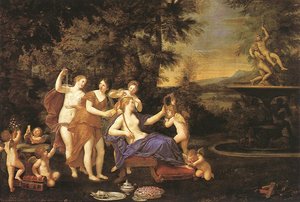
Albanis künstlerisches Schaffen zeichnete sich durch seinen einzigartigen Stil aus, der Elemente des Barock und der klassischen Kunst miteinander verschmolz. Er war bekannt für seine wunderschönen und zarten Darstellungen mythologischer und biblischer Szenen. Zu seinen berühmtesten Werken zählt Die Toilette der Venus, ein Gemälde, das sein Können darin unter Beweis stellt, die Schönheit der menschlichen Form einzufangen. Zu Albani's bemerkenswerten Werken gehören:- Die Taufe Christi, ein Gemälde, das seine Fähigkeit demonstriert, Emotion und Drama zu vermitteln.
- St. Sebastian, ein Werk, das seine Beherrschung von Licht und Schatten hervorhebt.
- Die Jungfrau und das Kind mit dem heiligen Johannes dem Täufer, ein Gemälde, das sein Können in der Erfassung der Nuancen menschlicher Ausdrucks vermittelt.
Einfluss und Vermächtnis
Albanis Einfluss auf die Entwicklung der barocken Malerei in Italien war signifikant. Er war einer der ersten Künstler, der die Verwendung von Chiaroscuro einführte, einer Technik, die den Kontrast zwischen Licht und Dunkel betont. Sein Werk wirkte auch auf die Entwicklung der Landschaftsmalerei, da er oft natürliche Szenen in seine Kompositionen einfließen ließ. Heute sind Albani's Gemälde in verschiedenen Museen zu finden, darunter das Musée du Louvre in Paris, wo seine Toilette der Venus ausgestellt ist. Sein Werk wurde auch auf ArtsDot.com präsentiert, wo Kunstliebhaber mehr über sein Leben und seine künstlerischen Errungenschaften erfahren können.Fazit
Francesco Albani war ein begabter Maler, der einen unvergesslichen Eindruck in die Welt der Kunst hinterließ. Sein einzigartiger Stil, der Elemente des Barock und der klassischen Kunst vereinte, inspiriert Künstler bis heute. Durch sein Werk können wir die Schönheit und das Drama der menschlichen Form sowie die Bedeutung von Licht und Schatten bei der Schaffung eines Gefühls von Tiefe und Emotion würdigen. Für weitere Informationen über Albani's Leben und Werk besuchen Sie ArtsDot.com oder sehen Sie sich seine Biografie auf Wikipedia an.
Francesco Albani (L'Albane)
1578 - 1660 , Italien
Ähnliche Artikel

Barocke Pracht: Wie Sie Opulenz und Emotionen in zeitgenössische Innenräume bringen
Entdecken Sie die Pracht des Barock! Expertenratgeber für luxuriöse Innenräume mit barocken Elementen. Inspiration, Tipps & hochwertige Kunst bei .

The Dramatic Flourish: Exploring the Baroque Movement's Enduring Legacy in Art History
Explore the dramatic world of Baroque art! Discover iconic artists like Caravaggio & Rubens, defining techniques, and its lasting impact on art history. Expert insights for collectors & enthusiasts at ArtsDot.

Barock Meisterwerke: Die 10 prägendsten Kunstwerke für Ihr Zuhause |
Entdecken Sie die 10 prägendsten Meisterwerke des Barock! Caravaggio, Rembrandt & Co. – Erfahren Sie die Geschichten hinter ikonischen Gemälde und finden Sie hochwertige Kunst Reproduktionen für Ihr Zuhause auf .
Echoes of Olympus: Mythological Narratives in Western Art Through the Ages
Explore the captivating history of mythological narratives in Western art! From ancient Greece to modern masterpieces, discover iconic artworks & symbolism. Expert analysis and high-quality reproductions at ArtsDot.

The Visceral Stage: Exploring Dramatic Narratives & Emotional Intensity in Baroque Art
Explore the dramatic world of Baroque art! Discover iconic masters like Caravaggio & Rembrandt, their techniques, and the movement's lasting impact. Expert insights for collectors & enthusiasts at ArtsDot.