 Vorschau anzeigen
 Versenden
 Teilen
 Details anzeigen

 Herunterladen
 Ähnliche Objekte
 Röntgenaufnahme
 Diashow
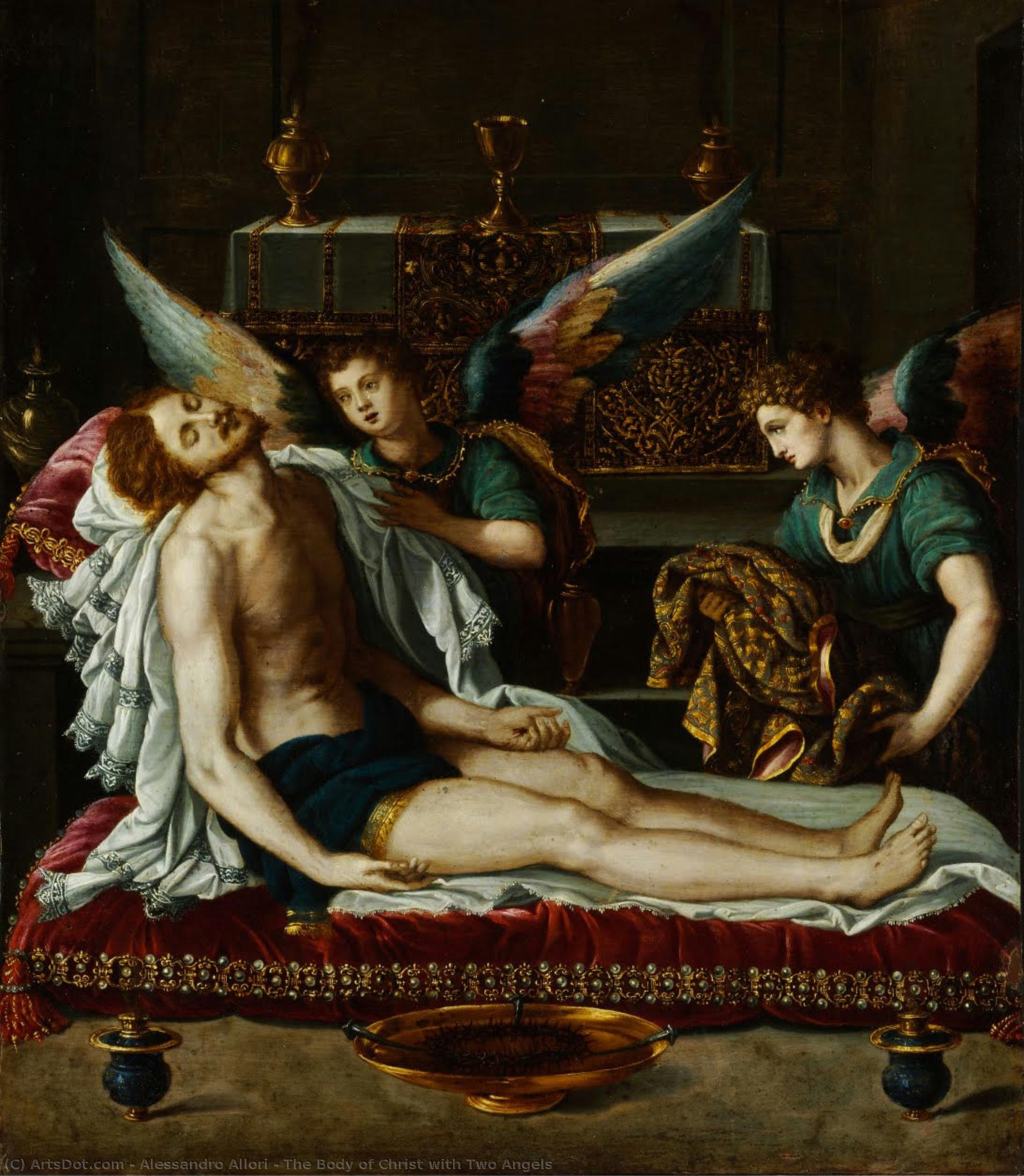
The Body of Christ with Two Angels
 Oil On Canvas
- WallArt
- Late Mannerism
 1590
1590 45.0 x 39.0 cm
 Museum of Fine Arts (Budapest)
 Weiterlesen
Handgefertigte Ölreproduktion
Handgemaltes Ölgemälde auf Leinwand in Ihrer Wunschgröße und mit Rahmen, auf Bestellung von unseren Künstlern angefertigt. ( Druck bestellen Bild kaufen)




P118B $10

P118H $10

P118W $10

P438Z $10

P508JH $12

P508YH $12

P805H $10

P805Z $10

P919BZ $10

P919G $10

P919XJ $10

P959ZH $10

P968JZ $12

W106C $8

W218G $10

W218JH $8

W218Y $10

W307PJ $10

W316G $10

W316PJ $8

W316Y $10

W398PJ $8

W4111J $10

W500HY $15

W500JH $15

W692G $12

W849H $8

W940BG $15

W953PJ $8




Wählen Sie aus unseren vordefinierten Formaten, die den ursprünglichen Proportionen des Kunstwerks entsprechen.

Sie können Ihre eigenen Maße eingeben, um einen bestimmten Rahmen oder Platz auszufüllen. Wenn die gewählte Größe nicht den Proportionen des Originalbildes entspricht, werden wir das Kunstwerk entweder beschneiden oder das Gemälde durch zusätzliche, handgemalte Elemente erweitern. Ein digitales Mockup wird Ihnen zur Genehmigung zugesandt, bevor die Produktion beginnt.
Bitte beachten Sie, dass die Bildschirmvorschau nicht die tatsächliche Beschneidung oder Erweiterung widerspiegelt. Nur das Mockup zeigt die endgültige Komposition exakt an.
Obwohl Sondermaße verfügbar sind, empfehlen wir, eine Größe aus der vordefinierten Liste zu wählen, um die ursprünglichen Proportionen beizubehalten.
Nach der Bestellung wird das ArtsDot.com-Team dem Kunden Anweisungen per E-Mail zusenden und eine Mockup-Vorschau bereitstellen.
Weltweiter Versand () in nur 3 bis 4 Wochen statt der üblichen 5 Wochen. (25 August). Keine Kompromisse bei der Qualität.

Kostenloser weltweiter Expressversand

Hochwertige Leinenleinwand

Umfassender Versicherungsschutz beim Versand

Zollgebühren-Rückerstattungsgarantie

Garantie für exakte Farbtreue

60 Tage Rückgaberecht (nur bei Mängeln)

100% Geld-zurück-Garantie

Mengenrabatt verfügbar
 Die Glasoption ist nur für Größen unter 110 cm verfügbar.

The Body of Christ with Two Angels
Art der Reproduktion
Format der Reproduktion
-


Gesamtpreis
$ 263
Beschreibung des Kunstwerks
A Glimpse into the Soul: Alessandro Allori’s “The Body of Christ with Two Angels”
Alessandro Allori's "The Body of Christ with Two Angels," painted around 1590, isn’t merely a depiction of a religious scene; it’s an invitation to contemplate profound sorrow and the quiet dignity of suffering. Emerging from the shadowy depths of the Palazzo Vecchio’s storeroom, this painting transcends its humble origins – a fragment within a larger collection – to become a powerfully intimate meditation on loss and divine compassion. The work immediately draws the eye with its restrained palette of deep blues, ochres, and reds, colors that evoke both the solemnity of death and the warmth of human empathy. It’s a scene steeped in Byzantine tradition, yet subtly infused with Allori's distinctly Florentine sensibility – a delicate balance between reverence and earthly realism.
- Subject Matter: The painting centers on the lifeless body of Christ, laid upon a simple wooden bed draped in crimson velvet. Two serene angels flank the scene, their gestures conveying not judgment or condemnation, but a profound sense of comfort and care.
- Style & Technique: Allori’s style is characterized by its polished surfaces, elongated figures, and a masterful use of light and shadow – hallmarks of the late Mannerist movement. The drapery flows with an almost sculptural quality, while the faces of Christ and the angels are rendered with remarkable sensitivity, capturing a fleeting expression of peace.
- Historical Context: Painted during the Counter-Reformation, this work reflects the era’s renewed emphasis on religious devotion and emotional engagement. The scene draws heavily from Byzantine iconography, particularly the “Epitaphios” – an image depicting Christ's body laid out for anointing – a tradition deeply rooted in Eastern Orthodox Christianity.
Symbolism Woven into the Fabric of Grief
Beyond its immediate depiction, "The Body of Christ with Two Angels" is rich in symbolic meaning. The crimson velvet beneath Christ’s body isn't simply a decorative element; it represents the “red stone” – the relic of the Holy Stone of Unction, venerated in Jerusalem and believed to have been used to anoint Christ’s body after his crucifixion. This detail subtly connects the painting to the broader narrative of Christian pilgrimage and devotion. The angels themselves are not presented as imposing figures of authority but rather as gentle attendants, embodying compassion and mercy. Their positioning – one closer to the left edge, the other nearer to the right – creates a sense of balance and harmony, mirroring the divine order within the scene.
The inclusion of a dining table with two cups and a bowl adds an unexpected layer of domesticity to the sacred space, suggesting a moment of quiet contemplation amidst profound grief. It’s as if Christ is being cared for in his final moments, surrounded by the familiar comforts of home – a poignant reminder of his humanity.A Florentine Legacy: Allori's Artistic Journey
Alessandro Allori’s artistic development was profoundly shaped by his early life. Orphaned at a young age, he found an unlikely mentor in Agnolo Bronzino, one of Florence’s most celebrated painters. This adoption wasn’t merely familial—it was an immersion into a world of refined technique, intellectual rigor, and the distinctive aesthetic principles that would come to define Allori’s own style. Bronzino instilled within him not only technical mastery but also a particular sensibility: a preference for polished surfaces, elongated forms, and a cool, almost sculptural quality in his figures. This influence became the cornerstone of Allori's artistic identity, though it often drew criticism for its perceived derivativeness throughout his career.
Allori’s work reflects a complex interplay between tradition and innovation. He skillfully blended Byzantine iconography with his own unique Florentine style, creating images that are both deeply rooted in the past and strikingly contemporary. His ability to capture the emotional weight of religious subjects – particularly grief and compassion – is what truly sets his paintings apart.Bringing “The Body of Christ” into Your Space
Reproductions of "The Body of Christ with Two Angels" offer a remarkable opportunity to bring this evocative artwork into your home or office. ArtsDot’s meticulous reproductions faithfully capture the painting's nuanced details, colors, and textures, allowing you to experience its emotional depth and artistic beauty firsthand. Whether displayed as a statement piece in a formal living room or as a contemplative focal point in a study, this painting is sure to evoke a sense of serenity, reflection, and profound connection to the enduring themes of faith and humanity.
Ähnliche Kunstwerke
Über den Künstler
Alessandro Allori: Ein florentinischer Manierist
- Geboren: Florenz, Italien (31. Mai 1535)
- Gestorben: 22. September 1607
Frühes Leben und Ausbildung
Alessandro Allori wurde 1535 in Florenz geboren. Nach dem Tod seines Vaters im Jahr 1540 wurde er von Agnolo Bronzino, einem renommierten Manieristenmaler und engen Freund der Familie, aufgenommen und ausgebildet. Diese Mentorschaft prägte Alloris künstlerischen Stil tiefgreifend. Bronzinos Einfluss ist in Alloris Vorliebe für unnatürliche, marmorartige Formen und den Fokus auf kalte Statuen in seinen Kompositionen erkennbar.
Künstlerischer Stil und Einflüsse
Alloris Werk wird oft als abgeleitet beschrieben, wobei Kritiker feststellen, dass er sich scheinbar hauptsächlich von bereits existierender Kunst inspirieren ließ. Sein Stil zeichnet sich durch die polierte Darstellung von Figuren mit einer unnatürlichen, fast marmorartigen Qualität aus, was seinen Gemälden ein zweidimensionales, statue-ähnliches Aussehen verleiht. Diese Ästhetik lässt sich in seinen Kooperationen mit Giovanni Maria Butteri und seinem Hauptschüler, Giovanni Bizzelli, beobachten. Weitere bemerkenswerte Schüler waren Cristoforo del Altissimo, Cesare Dandini, Aurelio Lomi, John Mosnier, Alessandro Pieroni, Giovanni Battista Vanni und Monanni.
- Hauptmerkmale: Unnatürliche, marmorartige Formen, kalte Statuen, polierte Figuren, zweidimensionale Qualität.
- Einflüsse: Agnolo Bronzino, Manierismus-Bewegung.
Wichtige Werke und Vermächtnis
Alessandro Alloris künstlerische Beiträge finden sich in verschiedenen Museen auf der ganzen Welt, darunter die Gemäldegalerie in Berlin. Ein bemerkenswertes Ereignis ereignete sich im Jahr 2006, als ein Gemälde von Allori, möglicherweise ein Porträt von Eleonora (Dianora) di Toledo de' Medici, von dem BBC-Auslandsreporter Sir Charles Wheeler an die Gemäldegalerie zurückgegeben wurde, der es 1952 in Deutschland erhalten hatte.
- Bemerkenswerte Werke: "Allegorie des menschlichen Lebens", "Geschichten des Heiligen Hieronymus" (Fresko), verschiedene Porträts.
- Vermächtnis: Sein Sohn, Cristofano Allori, wurde ebenfalls Maler und setzte so die künstlerische Tradition der Familie fort.
Historische Bedeutung
Alessandro Allori nimmt einen bedeutenden Platz in der Geschichte der florentinischen Kunst als eine Schlüsselgestalt innerhalb der späten Manierismus-Schule ein. Obwohl sein Stil für seine abgeleitete Natur kritisiert wurde, spielte er eine wichtige Rolle bei der Weitergabe und Entwicklung der Manierismus-Ästhetik. Sein Einfluss ist in den Werken seiner Schüler sichtbar, und seine Gemälde werden bis heute von Kunstliebhabern studiert und bewundert. Er war auch an bedeutenden dekorativen Projekten für prominente Mäzene wie die Familie Medici beteiligt, was seine Bedeutung innerhalb der künstlerischen Kreise von Florenz demonstriert.

Alessandro Allori
1535 - 1607 , Italien
Kurzinfos
- Beeinflusste Künstler:
- Agnolo Bronzino
- Michelangelo
- Bemerkenswerte Werke:
- Allegorie des Lebens
- Geschichten des Heiligen Hieronymus
- Geburtsdatum: 31. Mai 1535
- Geburtsort: Florenz, Italien
- Künstlerischer Stil: Spätmanierismus
- Nationalität: Italiener
- Sterbedatum: 22. September 1607
- Vollständiger Name: Alessandro Allori
- Von Künstlern Beeinflusst: ['Agnolo Bronzino']
Ähnliche Artikel
Celestial Messengers: Angels in Painting – A Historical & Artistic Exploration
Explore the captivating history of angels in painting! Discover symbolism, iconic Renaissance & Byzantine masterpieces, and renowned artists. Expert insights for art lovers & collectors at ArtsDot.
Celestial Messengers: A Comprehensive Exploration of Angelic Representation in Art History
Explore the captivating history of angels in art! Discover symbolism, iconic Renaissance masterpieces & renowned artists. Expert insights for art lovers & collectors at ArtsDot.

Fra Angelico: Die 25 Meisterwerke des italienischen Frührenaissance-Malers | ArtsDot
Entdecken Sie die 25 schönsten Meisterwerke von Fra Angelico! Erleben Sie religiöse Kunst der italienischen Renaissance, himmlische Fresken & Panelgemälde. Finden Sie hochwertige Kunstdrucke und Reproduktionen für Ihr Zuhause auf ArtsDot.com.
Sacred Narratives on Canvas: Exploring Religious Painting Through History
Explore the rich history of religious painting with ArtsDot.com! Discover iconic artworks, symbolism & techniques from antiquity to the Renaissance. Enhance your art appreciation today.
Sacred Narratives Embodied: A Comprehensive Exploration of Religious Iconography in Art History
Explore the rich history of religious iconography in art! Discover symbolism, movements & masterpieces from Byzantine to Renaissance periods. Expert insights for collectors and enthusiasts at ArtsDot.