

 Vorschau anzeigen
 Versenden
 Teilen
 Details anzeigen

 Herunterladen
 Ähnliche Objekte
 Röntgenaufnahme
 Diashow
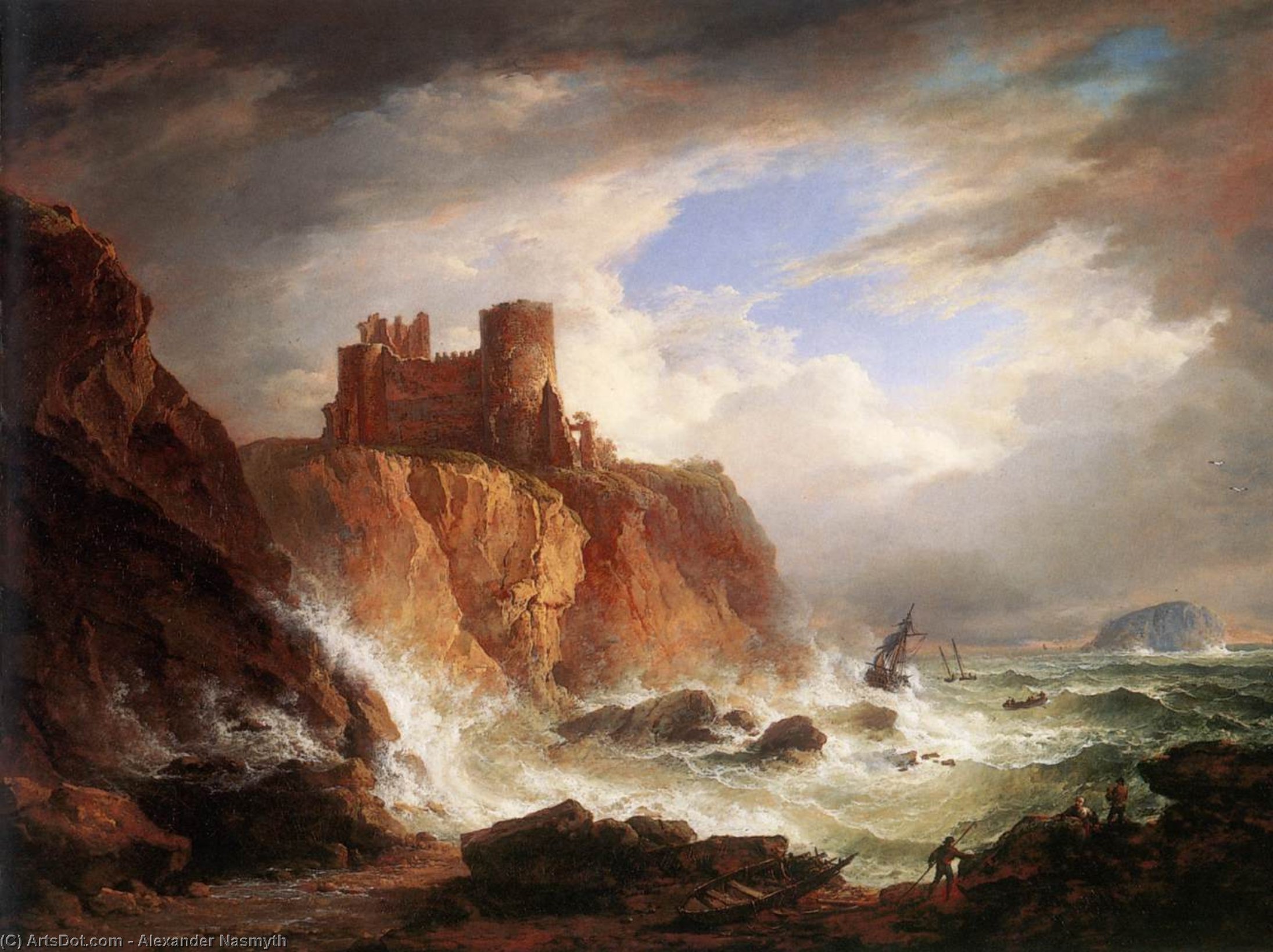
A View of Tantallon Castle
 Acrylic
- WallArt
- Romanticism
 1816
1816 92.0 x 122.0 cm
 National Gallery of Scotland
 Weiterlesen
Handgefertigte Ölreproduktion
Handgemaltes Ölgemälde auf Leinwand in Ihrer Wunschgröße und mit Rahmen, auf Bestellung von unseren Künstlern angefertigt. ( Druck bestellen Bild kaufen)




P118B $10

P118H $10

P118W $10

P438Z $10

P508JH $12

P508YH $12

P805H $10

P805Z $10

P919BZ $10

P919G $10

P919XJ $10

P959ZH $10

P968JZ $12

W106C $8

W218G $10

W218JH $8

W218Y $10

W307PJ $10

W316G $10

W316PJ $8

W316Y $10

W398PJ $8

W4111J $10

W500HY $15

W500JH $15

W692G $12

W849H $8

W940BG $15

W953PJ $8




Wählen Sie aus unseren vordefinierten Formaten, die den ursprünglichen Proportionen des Kunstwerks entsprechen.

Sie können Ihre eigenen Maße eingeben, um einen bestimmten Rahmen oder Platz auszufüllen. Wenn die gewählte Größe nicht den Proportionen des Originalbildes entspricht, werden wir das Kunstwerk entweder beschneiden oder das Gemälde durch zusätzliche, handgemalte Elemente erweitern. Ein digitales Mockup wird Ihnen zur Genehmigung zugesandt, bevor die Produktion beginnt.
Bitte beachten Sie, dass die Bildschirmvorschau nicht die tatsächliche Beschneidung oder Erweiterung widerspiegelt. Nur das Mockup zeigt die endgültige Komposition exakt an.
Obwohl Sondermaße verfügbar sind, empfehlen wir, eine Größe aus der vordefinierten Liste zu wählen, um die ursprünglichen Proportionen beizubehalten.
Nach der Bestellung wird das ArtsDot.com-Team dem Kunden Anweisungen per E-Mail zusenden und eine Mockup-Vorschau bereitstellen.
Weltweiter Versand () in nur 3 bis 4 Wochen statt der üblichen 5 Wochen. (21 August). Keine Kompromisse bei der Qualität.

Kostenloser weltweiter Expressversand

Hochwertige Leinenleinwand

Umfassender Versicherungsschutz beim Versand

Zollgebühren-Rückerstattungsgarantie

Garantie für exakte Farbtreue

60 Tage Rückgaberecht (nur bei Mängeln)

100% Geld-zurück-Garantie

Mengenrabatt verfügbar
 Die Glasoption ist nur für Größen unter 110 cm verfügbar.

A View of Tantallon Castle
Art der Reproduktion
Format der Reproduktion
-


Gesamtpreis
$ 263
Beschreibung des Kunstwerks
A Portrait of Romantic Scotland: Alexander Nasmyth’s “A View of Tantallon Castle”
Alexander Nasmyth's "A View of Tantallon Castle," completed around 1816, stands as a cornerstone of Scottish landscape painting and embodies the spirit of the Romantic era. More than just a depiction of a dramatic coastline, it’s an immersive experience rendered in oil on canvas that captures not only the physical beauty of Tantallon Castle perched precariously atop its cliffside but also the profound emotional resonance of Scotland's turbulent past.The Landscape as Narrative
Nasmyth wasn’t merely aiming for visual accuracy; he sought to convey a sense of grandeur and melancholy—characteristics central to Romantic artistic ideals. The castle itself, crumbling yet defiant against the relentless assault of wind and sea spray, symbolizes resilience amidst decay – a motif frequently explored in Romantic literature and art. Its jagged silhouette dominates the composition, mirroring the ruggedness of the Northumberland coastline and underlining the power of nature. Above, a brooding sky laden with clouds contributes to an atmosphere of unease and contemplation, reflecting the anxieties of a nation grappling with social upheaval and industrial progress. The artist meticulously observed the topography of Tantallon Castle and its surroundings, incorporating detailed geological formations and atmospheric perspective—techniques honed during Nasmyth’s extensive travels in Italy where he absorbed the influence of Claude Lorrain and Nicolas Poussin.Technique and Artistic Vision
Nasmyth's masterful brushwork is immediately apparent. Thick impasto – heavily textured paint – dominates the castle walls, conveying solidity and permanence despite their ruinous state. This textural richness contrasts sharply with the softer blending employed in depicting the turbulent sea below, creating a dynamic interplay of light and shadow that enhances the painting’s dramatic impact. The artist skillfully utilized atmospheric perspective—reducing detail and color intensity as objects recede into the distance—to establish depth and convey the vastness of the Northumberland landscape. This technique was particularly prevalent during Nasmyth's time, reflecting a growing fascination with scientific observation and its application to artistic representation.Historical Context: Scotland in Transition
Painted against the backdrop of Britain’s Industrial Revolution, “A View of Tantallon Castle” speaks to a broader cultural shift toward valuing untamed wilderness and celebrating the sublime—experiences that stirred the imagination and challenged Enlightenment rationalism. Nasmyth's work reflects the Romantic movement's preoccupation with emotion and intuition alongside reason, mirroring the artistic sensibilities of his contemporaries like William Wordsworth and Samuel Taylor Coleridge. The painting served as an emblem of Scotland’s heritage and its connection to the natural world—a sentiment that resonated deeply within a nation striving to define its identity amidst rapid modernization.Symbolism Beyond Beauty
Beyond its aesthetic appeal, “A View of Tantallon Castle” carries symbolic weight. The castle's ruined state serves as a reminder of Scotland’s medieval past – a time of kingship and conquest—while simultaneously hinting at the inevitable passage of time and the triumph of nature over human ambition. Nasmyth’s deliberate choice of subject matter underscores the Romantic belief in confronting mortality and embracing the sublime, prompting viewers to contemplate the enduring power of landscape to inspire awe and provoke reflection. It remains a testament to Nasmyth's artistic vision—a captivating portrayal of Scotland’s dramatic coastline and a poignant meditation on themes of resilience, decay, and beauty.Ähnliche Kunstwerke
Über den Künstler
Alexander Nasmyth: Ein schottischer Pionier der Landschaftsmalerei
- Geboren: Edinburgh, Großbritannien (1758)
- Gestorben: 1840
Alexander Nasmyth war eine zentrale Figur in der schottischen Kunstgeschichte, bekannt sowohl als Porträtist als auch, vor allem aber, als Landschaftsmaler. Er wird oft als der "Vater der schottischen Landschaftsmalerei" bezeichnet und überbrückte die Kluft zwischen traditioneller Porträtmalerei und dem aufkommenden Fokus der Romantik auf natürliche Szenerie.
Frühes Leben und Ausbildung
- Machte eine Lehre als Karosseriebauer, bevor er sich der Kunst widmete.
- Studierte an der Royal High School und der Trustees’ Academy in Edinburgh.
- Arbeitete von 1774 bis 1778 als Assistent von Allan Ramsay, einem bedeutenden Porträtmaler, in London. Diese Erfahrung vermittelte ihm wertvolle technische Kenntnisse und Einblicke in zeitgenössische künstlerische Trends.
- Kehrte 1778 nach Edinburgh zurück und etablierte sich als Porträtist.
- Reiste von 1782 bis 1784 mit finanzieller Unterstützung von Patrick Miller of Dalswinton nach Italien, wo er sein Verständnis für Landschaftsmalerei vertiefte, indem er italienische Meister studierte und deren Werke kopierte, insbesondere die von Claude Lorrain.
Künstlerische Entwicklung und Hauptwerke
- Malte zunächst Porträts im Stil Ramsays, verlagerte seinen Fokus aber allmählich auf Konversationsstücke mit Außenbereichen.
- Sein Porträt von Robert Burns (1787) ist ein bemerkenswertes Werk aus seiner frühen Karriere und zeigt seine Fähigkeit, Charakter und Ähnlichkeit einzufangen.
- Um 1792 gab Nasmyth die Porträtmalerei vollständig auf, um sich ganz der Landschaftsmalerei zu widmen, beeinflusst von politischen Ereignissen und veränderten künstlerischen Vorlieben.
- Entwickelte einen unverwechselbaren Stil, der durch detaillierte Beobachtung natürlicher Merkmale und architektonischer Elemente gekennzeichnet ist. Seine Landschaften sind alle Darstellungen tatsächlicher Orte.
- Er entwarf auch Bühnenbilder für Theater und malte Panoramen, was seine Vielseitigkeit als Künstler unter Beweis stellte.
- Bemerkenswerte Werke sind: View of Edinburgh from the West (1822-6), A View Of Edinburgh From The Dean, Pass Of The Cows, Highlands und verschiedene Darstellungen schottischer Seen und Burgen.
Ingenieurinteressen und Innovationen
- Nasmyth hegte ein großes Interesse an Ingenieurwesen und entwickelte mehrere innovative Ideen, die er jedoch nie patentieren ließ.
- Er war an der Verbesserung und Verschönerung von Gütern für Angehörige des schottischen Adels beteiligt.
- Entwarf bemerkenswerte Strukturen wie den Tempel über St Bernard's Well (1789) und Brücken in Almondell und Tongland.
- Nahm 1788 an einer historischen Testfahrt von Patrick Millers Dampfschiff auf dem Dalswinton Loch teil, was seine zukunftsorientierte Perspektive demonstrierte.
Vermächtnis und Einfluss
- Er gründete eine Zeichenschule in Edinburgh, die eine ganze Generation von Künstlern, darunter David Wilkie, David Roberts, Clarkson Stanfield, John Thomson of Duddingston und sogar der junge John James Ruskin (Vater von John Ruskin), tiefgreifend beeinflusste.
- Sein Schwerpunkt auf dem direkten Zeichnen aus der Natur hatte einen nachhaltigen Einfluss auf die künstlerische Ausbildung.
- Sechs seiner Töchter wurden ebenfalls zu bemerkenswerten Künstlerinnen und trugen so zum Familienvermächtnis in den Künsten bei.
- Nasmyths Werk trug dazu bei, die Landschaftsmalerei als eine angesehene Gattung in Schottland zu etablieren und ebnete den Weg für spätere Generationen schottischer Landschaftskünstler.
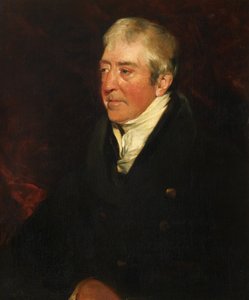
Alexander Nasmyth
1758 - 1840 , Vereinigtes Königreich
Kurzinfos
- Artistic Movement Or Style: Romantik
- Artists Or Movements Influenced By This Artist:
- David Wilkie
- John James Ruskin
- Artists Who Influenced This Artist:
- Allan Ramsay
- Claude Lorrain
- Date Of Birth: 9. September 1758
- Date Of Death: 10. April 1840
- Full Name: Alexander Nasmyth
- Nationality: Schottisch
- Notable Artworks:
- Porträt von Robert Burns
- Ansicht von Edinburgh vom Westen
- A View Of Edinburgh From The Dean
- Pass Of The Cows, Highlands
- Place Of Birth: Edinburgh, Vereinigtes Königreich
Ähnliche Artikel
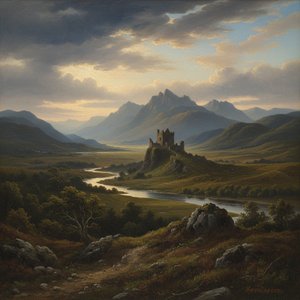
Alexander Nasmyth: Picturing Scotland's Romantic Landscape – Innovation & Identity
Explore the life & art of Alexander Nasmyth, a pivotal figure in Scottish Romantic landscape painting. Discover his iconic works, including portraits of Robert Burns, and learn about his lasting influence on national identity. Fine art reproductions available.

Romantische Landschaften: Die 10 Meisterwerke, die eine Epoche prägten | ArtsDot
Entdecken Sie die 10 Meisterwerke der Romantischen Landschaftsmalerei! Von Caspar David Friedrich bis Turner – erleben Sie die Kunst, Emotion & Natur. Hochwertige Reproduktionen auf ArtsDot.com
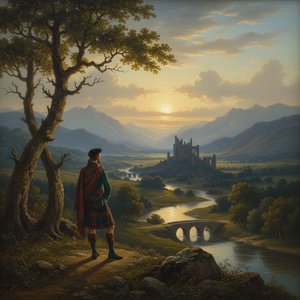
Patrick Nasmyth: A Scottish Romantic's Vision of History & the Grand Manner
Explore the captivating landscapes of Patrick Nasmyth, a key figure in Scottish Romanticism. Discover his Dutch influences, embrace of the Grand Manner, and lasting artistic legacy. Learn more at ArtsDot.

Evocations of Place: A Historical Journey Through Landscape Art
Explore the rich history of landscape art with ArtsDot. Discover renowned artists, movements like Impressionism & Romanticism, and expert guidance for collecting timeless pieces. Find your perfect serene escape today!
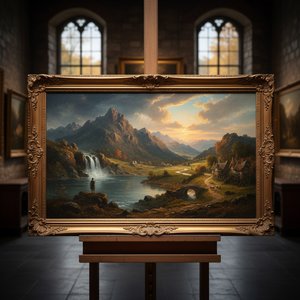
The Sublime and the Picturesque: Exploring Emotion & Nature in Romantic Landscape Painting
Explore the emotional power of Romantic landscape painting! Discover the sublime & picturesque traditions, key artists like Friedrich & Cole, and find your perfect artwork at ArtsDot.

