 Versenden
 Teilen
 Details anzeigen

 Herunterladen
 Ähnliche Objekte
 Diashow
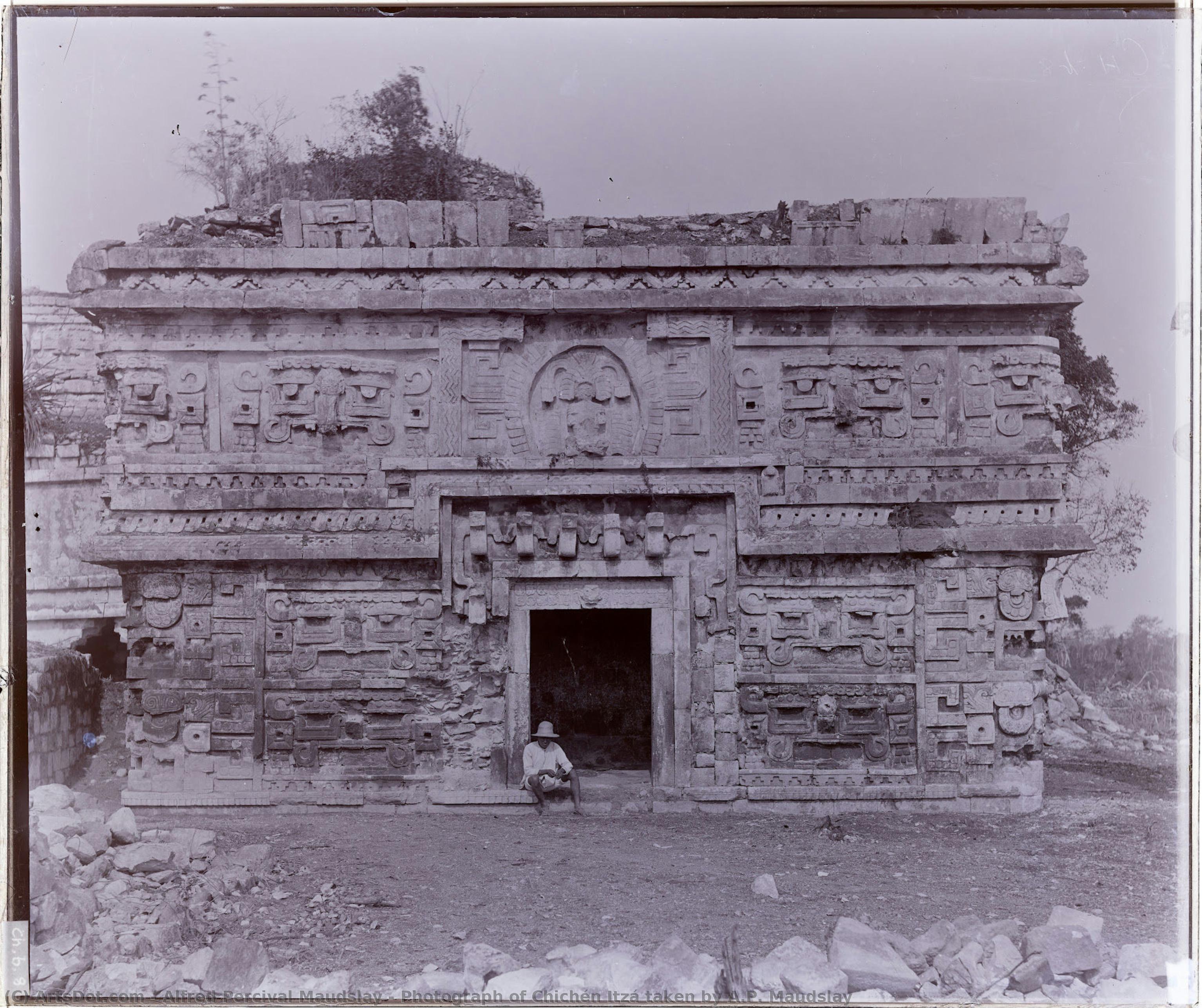
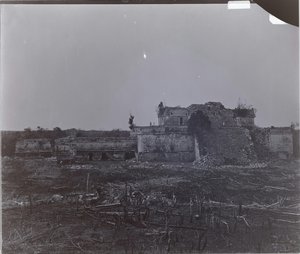
Photograph of Chichén Itzá taken by A.P. Maudslay
 Giclée Print
- Digital
- Documentary Photography
 1894
1894 25.0 x 30.0 cm
 British Museum
 Weiterlesen
Handgefertigte Ölreproduktion
Handgemaltes Ölgemälde auf Leinwand in Ihrer Wunschgröße und mit Rahmen, auf Bestellung von unseren Künstlern angefertigt. ( Druck bestellen Bild kaufen)




































Wählen Sie aus unseren vordefinierten Formaten, die den ursprünglichen Proportionen des Kunstwerks entsprechen.

Sie können Ihre eigenen Maße eingeben, um einen bestimmten Rahmen oder Platz auszufüllen. Wenn die gewählte Größe nicht den Proportionen des Originalbildes entspricht, werden wir das Kunstwerk entweder beschneiden oder das Gemälde durch zusätzliche, handgemalte Elemente erweitern. Ein digitales Mockup wird Ihnen zur Genehmigung zugesandt, bevor die Produktion beginnt.
Bitte beachten Sie, dass die Bildschirmvorschau nicht die tatsächliche Beschneidung oder Erweiterung widerspiegelt. Nur das Mockup zeigt die endgültige Komposition exakt an.
Obwohl Sondermaße verfügbar sind, empfehlen wir, eine Größe aus der vordefinierten Liste zu wählen, um die ursprünglichen Proportionen beizubehalten.
Nach der Bestellung wird das ArtsDot.com-Team dem Kunden Anweisungen per E-Mail zusenden und eine Mockup-Vorschau bereitstellen.
Weltweiter Versand () in nur 3 bis 4 Wochen statt der üblichen 5 Wochen. (30 August). Keine Kompromisse bei der Qualität.

Kostenloser weltweiter Expressversand

Hochwertige Leinenleinwand

Umfassender Versicherungsschutz beim Versand

Zollgebühren-Rückerstattungsgarantie

Garantie für exakte Farbtreue

60 Tage Rückgaberecht (nur bei Mängeln)

100% Geld-zurück-Garantie

Mengenrabatt verfügbar
 Die Glasoption ist nur für Größen unter 110 cm verfügbar.

Photograph of Chichén Itzá taken by A.P. Maudslay
Art der Reproduktion
Format der Reproduktion
-


Gesamtpreis
$ 263
A Window Into Ancient Majesty: Alfred Maudslay’s Photograph of Chichén Itzá
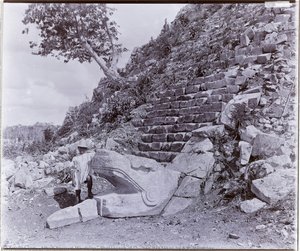
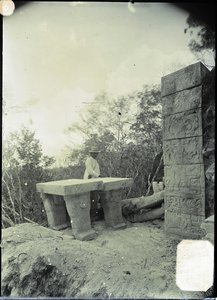
The image before you isn't merely a photograph; it’s a portal, transporting the viewer directly to the heart of Chichén Itzá in 1894. Captured by the intrepid British colonial administrator and archaeologist, Alfred Percival Maudslay, this grayscale wet collodion print offers an unparalleled glimpse into a lost world – a testament to both the grandeur of Mayan civilization and the pioneering spirit of early archaeological exploration. More than just a depiction of ruins, it’s a carefully constructed narrative of time, decay, and enduring artistry.
The composition immediately commands attention. A monumental stone structure, likely a temple or fortress, dominates the frame, its weathered walls and crumbling grandeur speaking volumes about centuries of exposure to the elements. Maudslay masterfully employs a horizontal format, emphasizing the scale and imposing presence of this ancient edifice. Foreground elements – uneven ground and sparse vegetation – subtly guide the eye deeper into the scene, creating an illusion of depth and inviting us to contemplate the vastness of the site. The photograph’s stark monochrome palette—a deliberate choice reflecting the photographic techniques of the era—heightens the sense of drama and emphasizes the textures of stone and earth.
The Technique of a Pioneer: Wet Collodion and the Art of Documentation
Understanding the technical aspects of this image is crucial to appreciating its significance. Maudslay utilized the wet collodion process, a demanding photographic method requiring immediate exposure – the plate had to be coated, sensitized with silver nitrate, exposed, and developed all within minutes. This technique produced images with a distinctive graininess and tonal range, lending a raw, documentary quality to the photograph. The resulting image is not a polished, idealized representation; it’s an authentic record of the ruins as they appeared at that specific moment in time, bearing the marks of weathering and decay.
The careful attention to detail evident in the photograph—the intricate carvings adorning the temple walls, the subtle variations in stone texture, the play of light and shadow—is a testament to Maudslay’s meticulous approach. He wasn't simply documenting ruins; he was painstakingly recording their essence, preserving them for posterity through the medium of photography. The image is not just a picture; it’s a carefully constructed visual record.
Symbolism and Historical Context: A Bridge Between Worlds
Chichén Itzá itself holds profound symbolic weight. As one of the largest Mayan cities, it represents the sophisticated achievements of a civilization that flourished for centuries before mysteriously declining. The photograph serves as a powerful reminder of this lost world—a tangible link to a culture rich in astronomical knowledge, intricate art, and complex social structures. Maudslay’s work was part of a broader movement during the late 19th century to document and study indigenous cultures, often within the context of colonial expansion.
Maudslay's expedition to Chichén Itzá occurred at a pivotal moment in archaeological history—a time when traditional methods were being challenged by new approaches. His meticulous documentation and detailed drawings laid the groundwork for future research and helped to reshape our understanding of Mayan civilization. The photograph, therefore, is not just a historical artifact; it’s an integral part of that ongoing narrative.
A Timeless Masterpiece: Reproduction and Legacy
Today, this remarkable image continues to captivate audiences worldwide. ArtsDot offers high-quality reproductions of Maudslay's photograph, allowing you to bring this piece of history into your own home or office. Whether displayed as a statement piece in a contemporary setting or framed alongside historical artifacts, it serves as a constant reminder of the enduring legacy of Mayan civilization and the pioneering spirit of Alfred Percival Maudslay.
Consider commissioning a custom-sized reproduction to perfectly complement your space. Each print is meticulously crafted using archival inks on premium canvas or paper, ensuring that the image’s rich detail and tonal range are faithfully reproduced for generations to come.
Ähnliche Kunstwerke
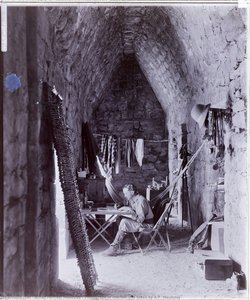
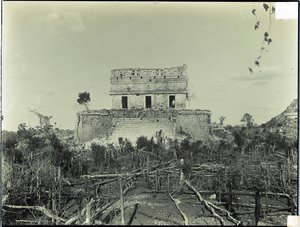
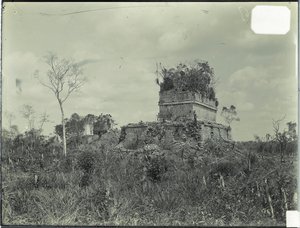
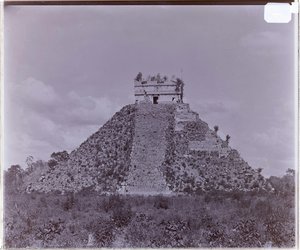
Über den Künstler
Frühes Leben und Bildung
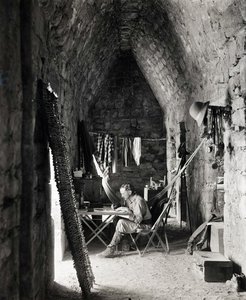
Alfred Percival Maudslay, ein britischer Kolonialadministrator und Archäologe, wurde am 18. März 1850 in London in eine wohlhabende Familie hineingeboren. Er studierte Naturwissenschaften an Trinity Hall, Cambridge und erwarb 1872 einen Bachelor of Arts.Beruf und Reisen
Maudslays frühe Pläne für eine medizinische Karriere wurden aufgeschoben, als er mit seinem Bruder durch Zentralamerika, Mexiko und Teile der Vereinigten Staaten reiste. Diese Reise weckte ein Interesse an der Archäologie, das später sein Vermächtnis prägen sollte. Nach seiner Rückkehr nach Hause verschob Maudslay das Medizinstudium erneut, um 1873 nach Island zu reisen. Seine chronische Bronchitis veranlasste ihn, nach einem wärmeren Klima zu suchen, was zu einer Reihe von Positionen auf Jamaika, Trinidad und schließlich im Südpazifik führte.Archäologische Beiträge
Maudslays Zeit in den britischen Pazifikkolonien legte das Fundament für seine zukünftigen archäologischen Bestrebungen. Er entwickelte ein Interesse an der Sammlung ethnografischer Materialien, was später zur Gründung des University Museum of Archaeology and Ethnology at Cambridge beitragen sollte. Sein Freund, der Ornithologe Osbert Salvin, ermutigte Maudslay, die Maya-Ruinen von Quiriguá und Copán zu erkunden.Bemerkenswerte Leistungen
Maudslay war der Erste, der die Stätte von Yaxchilán beschrieb.
Er erforschte Chichén in den 1880er Jahren und nahm umfangreiche Fotografien auf.
Er veröffentlichte die erste ausführliche Beschreibung von Chichen Itza in seinem Buch „Biologia Centrali-Americana“.
Er erstellte eine vollständige Übersetzung mit Anmerkungen von Bernal Díaz del Castillos Historia, die bis heute die Standard-englische Ausgabe ist.
Künstlerisches Vermächtnis
Maudslays Fotografien und Schriften wurden bewahrt und bieten einen einzigartigen Einblick in die Welt der Archäologie des 19. Jahrhunderts. Seine Werke lassen sich in verschiedenen Museen finden, darunter das British Museum (London, Vereinigtes Königreich), das mehrere seiner Fotografien beherbergt.- Photograph of Chichén Itzá taken by A.P. Maudslay (16 x 21 cm, British Museum, Fotografie)
- Photograph of Chichén Itzá taken by A.P. Maudslay (25 x 30 cm, British Museum, Fotografie)
- Photograph of Copán taken by A.P. Maudslay (31 x 25 cm, British Museum, Fotografie)
Fazit
Das Vermächtnis von Alfred Percival Maudslay ist ein Zeugnis der Kraft der Neugier und der Entdeckung. Von seinen frühen Tagen als Kolonialadministrator bis zu seinen späteren Jahren als Archäologe inspiriert und bildet Maudslays Werk weiterhin.
Alfred Percival Maudslay
1850 - 1931 , Vereinigtes Königreich
Kurzinfos
- Artistic Movement Or Style: Archäologie/Fotografie
- Date Of Birth: 1850
- Date Of Death: 1931
- Full Name: Alfred Percival Maudslay
- Nationality: Britisch
- Notable Artworks: ['Fotografie von Chichén Itzá']
- Place Of Birth: London, Vereinigtes Königreich
Ähnliche Artikel
Beyond the Lens: Photography's Enduring Influence on Modern & Contemporary Art
Explore photography's pivotal role in shaping modern & contemporary art. Discover key movements, influential artists like Stieglitz, and expert collecting advice from ArtsDot.
Die 10 Meisterwerke der Dokumentarfotografie – Kunst für Ihr Zuhause |
Entdecken Sie die 10 prägendsten Meisterwerke der Dokumentarfotografie! Von Cartier-Bresson bis Capa – erleben Sie ikonische Bilder, ihre Geschichte & Techniken. Hochwertige Reproduktionen für Ihr Zuhause auf

Sir Alfred James Munnings: Die 25 Meisterwerke des Pferdebildes | ArtsDot
Entdecken Sie die 25 Meisterwerke von Sir Alfred James Munnings! Erleben Sie seine beeindruckenden Pferdebilder, geprägt vom Impressionismus und Realismus. Hochwertige Kunstdrucke & Reproduktionen auf ArtsDot.com – für elegante Wandkunst & stilvolles Interieurdesign.

Monochrome Visions: Exploring the Aesthetic & Historical Significance of Black & White Photography
Explore the rich history & artistic power of black and white photography. From early techniques to iconic masters like Ansel Adams, discover why monochrome continues to captivate art lovers today. Expert insights for collectors.

Pictorialism: A Search for Artistic Photography's Soul – Aesthetics, Techniques & Legacy
Explore the captivating world of Pictorialism – a pivotal movement that transformed photography into fine art. Discover key artists like Stieglitz & Käsebier, techniques, and collecting tips from experts.