

 Versenden
 Teilen
 Details anzeigen

 Herunterladen
 Ähnliche Objekte
 Diashow
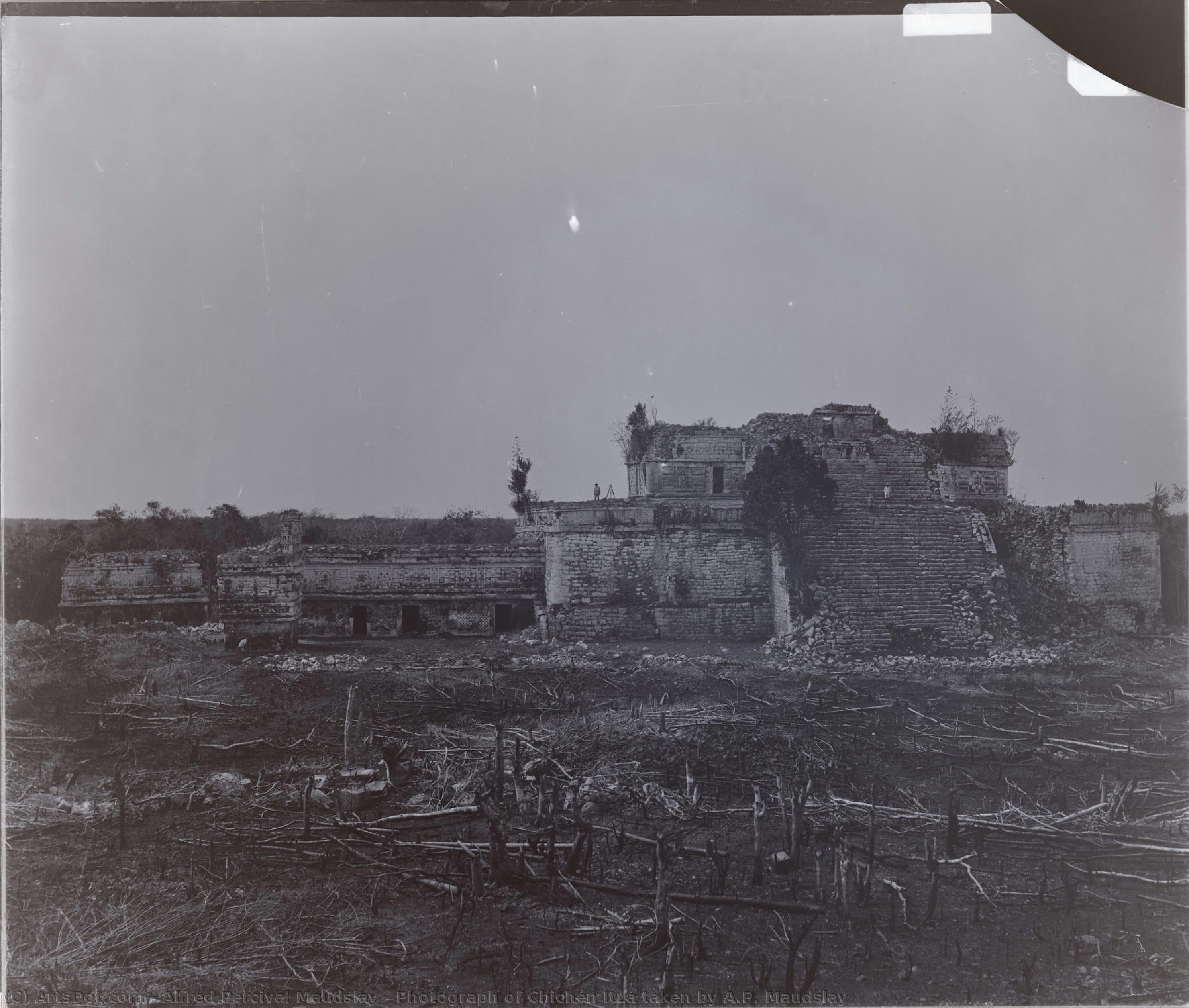
Photograph of Chichén Itzá taken by A.P. Maudslay
 Giclée Print
- Digital
- Documentary Photography
 1894
1894 25.0 x 30.0 cm
 British Museum
 Weiterlesen
Erwerben Sie ein hochauflösendes, optimiertes digitales Bild, das der Online-Vorschau weit überlegen ist.
Jede Datei wird von unseren hauseigenen Spezialisten mit modernsten Werkzeugen und fachmännischer manueller Retusche sorgfältig vorbereitet. Wir stellen sicher, dass jedes Bild eine außergewöhnliche Klarheit, präzise Farbgenauigkeit und feinste Details aufweist.
Die endgültige Datei wird innerhalb von 72 Stunden per E-Mail zugestellt und ist für den sofortigen Einsatz in professionellen, redaktionellen und Druckumgebungen optimiert. Es handelt sich um dieselbe Qualität, der führende Designstudios, Verlage und Galerien vertrauen.
Digitales Bild
Laden Sie eine hochauflösende Datei für die persönliche Präsentation, den Druck und kreative Projekte herunter. ( Druck bestellen Handgemalte Reproduktion bestellen)
In jeder Bestellung digitaler Bilder enthalten
Professionelle digitale Bereitstellung, garantiert
Wenn Sie sich für ArtsDot.com entscheiden, erhalten Sie nicht nur ein Bild – Sie erhalten ein professionell aufbereitetes digitales Kunstwerk, das mit höchster Präzision erstellt und durch eine Zufriedenheitsgarantie abgesichert wird. Hier ist alles, was automatisch mit Ihrer Bestellung geliefert wird:

Schnelle E-Mail-Zustellung
Ihre hochauflösende digitale Bilddatei wird Ihnen innerhalb von 72 Stunden nach der Bestellung per E-Mail zugestellt – bereit zur sofortigen Verwendung.

KI-optimierte digitale Datei
Ihre Kunstwerke werden professionell mithilfe fortschrittlicher KI-Tools und manueller Bearbeitung optimiert, um maximale Detailtreue, Klarheit und Farbgenauigkeit zu gewährleisten.

Lebenslanger kostenloser Neudruckservice
Datei versehentlich gelöscht oder verloren? Keine Sorge – wir senden sie Ihnen jederzeit kostenlos erneut zu.

Keine Einfuhrgebühren – jemals
Genießen Sie Ihr Kunstwerk sofort ohne Zollgebühren, Einfuhrabgaben oder Versandkosten – digitale Downloads sind immer steuerfrei.

Garantierte Farbtreue
Wir garantieren, dass Ihr digitales Bild mithilfe professioneller Werkzeuge und Farbmanagement die Originalfarben so präzise wie möglich wiedergibt.

60-Tage-Zufriedenheitsgarantie
Sollten Sie mit Ihrem digitalen Bild nicht zufrieden sein, werden wir es überarbeiten oder Ihnen innerhalb von 60 Tagen 100% erstatten – ohne Wenn und Aber.

100% Geld-zurück-Garantie
Nicht zufrieden? Erhalten Sie innerhalb von 60 Tagen nach Erhalt Ihrer digitalen Datei eine vollständige Rückerstattung – ohne Angabe von Gründen.

Rabatte bei Großbestellungen
3 Bilder kaufen, 10% sparen – 5 Bilder kaufen, 15% sparen – Ab 10 Bildern 20% sparen. Ideal für kreative Projekte, Galerien und Agenturen.
A Window into the Past: Alfred Percival Maudslay’s Photographic Chronicle of Chichén Itzá
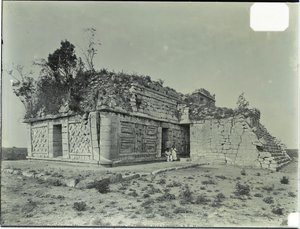
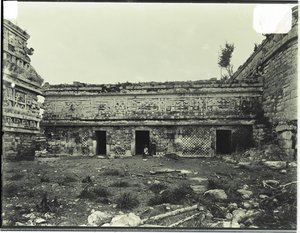
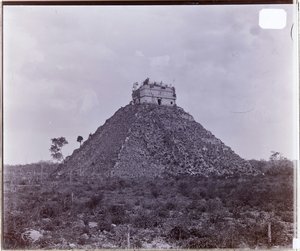
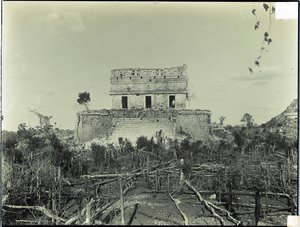
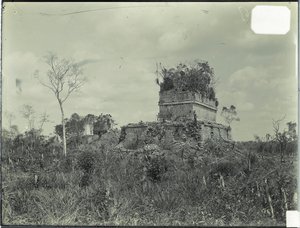
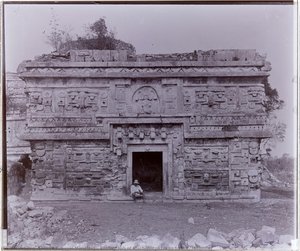
The image before you – “Photograph of Chichén Itzá taken by A.P. Maudslay” – is more than simply a depiction of an ancient Mayan city; it's a meticulously crafted portal into the late 19th century, a testament to the burgeoning field of archaeological exploration, and a poignant reminder of a civilization’s enduring legacy etched in stone. Captured in stark black and white during 1894 by British colonial administrator and archaeologist Alfred Percival Maudslay, this remarkable wet collodion photograph offers an intensely detailed and evocative view of Chichén Itzá – the sprawling Mayan metropolis nestled within the Yucatán Peninsula of Mexico. The image immediately draws the eye to a monumental stone structure, likely a temple or fortress, dominating the frame with its weathered walls and crumbling grandeur. It’s a scene imbued with a palpable sense of history, decay, and the thrill of discovery—a feeling that speaks volumes about Maudslay's pioneering work.
Technical Mastery and Pioneering Methods
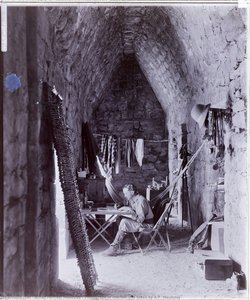
Maudslay’s compositional choices are deliberate and profoundly effective. The photograph employs a horizontal format, emphasizing the breadth and scale of the ruins – a strategic decision that immediately establishes a sense of awe. The central stone structure is positioned with careful precision, anchoring the composition while allowing the eye to wander through the surrounding vegetation. Foreground elements—uneven ground and sparse foliage—serve as a subtle guide, leading the viewer deeper into the scene and creating an illusion of vastness. Crucially, Maudslay was a pioneer in photographic techniques for archaeological documentation. He skillfully utilized dry plate photography – a relatively new technology at the time – to capture the intricate details of the ruins with remarkable clarity. Furthermore, he employed a meticulous process of plaster casting, collaborating with Lorenzo Giuntini and his team to create accurate replicas of the carvings, ensuring their preservation and study for generations to come. The inclusion of Annie Hunter’s impressions further highlights Maudslay's commitment to documenting every nuance of the site.
A Colonial Observer and a Cultural Witness
Alfred Percival Maudslay’s journey to Chichén Itzá was part of a larger narrative – his career as a colonial administrator and explorer in Central America and the South Pacific. His work wasn't simply about recording ruins; it was intertwined with his role in shaping Western perceptions of these ancient cultures. He meticulously documented Mayan architecture, religious iconography, and daily life, contributing significantly to our understanding of this complex civilization. The photograph reflects a specific moment in time – the late 19th century – when European explorers were actively engaged in cataloging and interpreting the remnants of lost empires. It’s important to view this image within that context, recognizing both its scientific value and its inherent biases as a product of colonial observation.
Symbolism and Emotional Resonance
The monochrome palette of the photograph – dominated by shades of grey – amplifies the textures and forms, lending an air of timelessness to the scene. The weathered stone surfaces, the intricate carvings, and the sparse vegetation all contribute to a sense of age and decay, evoking a profound connection to the past. The figures scattered throughout the frame provide a crucial scale element, reminding us of the human presence that once inhabited this space. There’s an undeniable melancholy in the image – a recognition of the passage of time and the inevitable decline of civilizations. Yet, it also holds a sense of wonder and respect for the enduring legacy of the Mayan people. The photograph invites contemplation on themes of history, loss, and the ongoing quest to understand our shared human heritage.
A Reproduction for Your Space
ArtsDot offers high-quality reproductions of this iconic image, allowing you to bring a piece of archaeological history into your home or office. Available in various sizes, from intimate 16x21 cm prints to expansive 31x25 cm options, our giclee prints capture the detail and tonal range of Maudslay’s original photograph with exceptional fidelity. Each reproduction is meticulously crafted using archival inks on premium art paper, ensuring long-lasting beauty and vibrancy. Consider this image as a conversation starter – a window into a lost world that continues to fascinate and inspire.
Ähnliche Kunstwerke
Biografie des Künstlers
Frühes Leben und Bildung
Alfred Percival Maudslay, ein britischer Kolonialadministrator und Archäologe, wurde am 18. März 1850 in London in eine wohlhabende Familie hineingeboren. Er studierte Naturwissenschaften an Trinity Hall, Cambridge und erwarb 1872 einen Bachelor of Arts.Beruf und Reisen
Maudslays frühe Pläne für eine medizinische Karriere wurden aufgeschoben, als er mit seinem Bruder durch Zentralamerika, Mexiko und Teile der Vereinigten Staaten reiste. Diese Reise weckte ein Interesse an der Archäologie, das später sein Vermächtnis prägen sollte. Nach seiner Rückkehr nach Hause verschob Maudslay das Medizinstudium erneut, um 1873 nach Island zu reisen. Seine chronische Bronchitis veranlasste ihn, nach einem wärmeren Klima zu suchen, was zu einer Reihe von Positionen auf Jamaika, Trinidad und schließlich im Südpazifik führte.Archäologische Beiträge
Maudslays Zeit in den britischen Pazifikkolonien legte das Fundament für seine zukünftigen archäologischen Bestrebungen. Er entwickelte ein Interesse an der Sammlung ethnografischer Materialien, was später zur Gründung des University Museum of Archaeology and Ethnology at Cambridge beitragen sollte. Sein Freund, der Ornithologe Osbert Salvin, ermutigte Maudslay, die Maya-Ruinen von Quiriguá und Copán zu erkunden.Bemerkenswerte Leistungen
Maudslay war der Erste, der die Stätte von Yaxchilán beschrieb.
Er erforschte Chichén in den 1880er Jahren und nahm umfangreiche Fotografien auf.
Er veröffentlichte die erste ausführliche Beschreibung von Chichen Itza in seinem Buch „Biologia Centrali-Americana“.
Er erstellte eine vollständige Übersetzung mit Anmerkungen von Bernal Díaz del Castillos Historia, die bis heute die Standard-englische Ausgabe ist.
Künstlerisches Vermächtnis
Maudslays Fotografien und Schriften wurden bewahrt und bieten einen einzigartigen Einblick in die Welt der Archäologie des 19. Jahrhunderts. Seine Werke lassen sich in verschiedenen Museen finden, darunter das British Museum (London, Vereinigtes Königreich), das mehrere seiner Fotografien beherbergt.- Photograph of Chichén Itzá taken by A.P. Maudslay (16 x 21 cm, British Museum, Fotografie)
- Photograph of Chichén Itzá taken by A.P. Maudslay (25 x 30 cm, British Museum, Fotografie)
- Photograph of Copán taken by A.P. Maudslay (31 x 25 cm, British Museum, Fotografie)
Fazit
Das Vermächtnis von Alfred Percival Maudslay ist ein Zeugnis der Kraft der Neugier und der Entdeckung. Von seinen frühen Tagen als Kolonialadministrator bis zu seinen späteren Jahren als Archäologe inspiriert und bildet Maudslays Werk weiterhin.
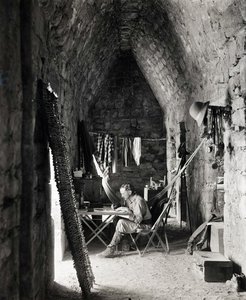
Alfred Percival Maudslay
1850 - 1931 , Vereinigtes Königreich
Kurzinfos
- Artistic Movement Or Style: Archäologie/Fotografie
- Date Of Birth: 1850
- Date Of Death: 1931
- Full Name: Alfred Percival Maudslay
- Nationality: Britisch
- Notable Artworks: ['Fotografie von Chichén Itzá']
- Place Of Birth: London, Vereinigtes Königreich

