 Vorschau anzeigen
 Versenden
 Teilen
 Details anzeigen

 Herunterladen
 Ähnliche Objekte
 Röntgenaufnahme
 Diashow
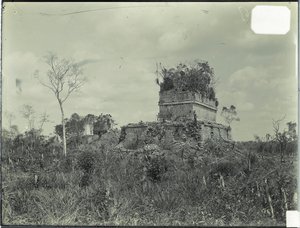
Photograph of Chichén Itzá taken by A.P. Maudslay
 Acrylic
- WallArt
- Documentary Photography
 1894
1894 12.0 x 16.0 cm
 British Museum
 Weiterlesen
Handgefertigte Ölreproduktion
Handgemaltes Ölgemälde auf Leinwand in Ihrer Wunschgröße und mit Rahmen, auf Bestellung von unseren Künstlern angefertigt. ( Druck bestellen Bild kaufen)




P118B $10

P118H $10

P118W $10

P438Z $10

P508JH $12

P508YH $12

P805H $10

P805Z $10

P919BZ $10

P919G $10

P919XJ $10

P959ZH $10

P968JZ $12

W106C $8

W218G $10

W218JH $8

W218Y $10

W307PJ $10

W316G $10

W316PJ $8

W316Y $10

W398PJ $8

W4111J $10

W500HY $15

W500JH $15

W692G $12

W849H $8

W940BG $15

W953PJ $8




Wählen Sie aus unseren vordefinierten Formaten, die den ursprünglichen Proportionen des Kunstwerks entsprechen.

Sie können Ihre eigenen Maße eingeben, um einen bestimmten Rahmen oder Platz auszufüllen. Wenn die gewählte Größe nicht den Proportionen des Originalbildes entspricht, werden wir das Kunstwerk entweder beschneiden oder das Gemälde durch zusätzliche, handgemalte Elemente erweitern. Ein digitales Mockup wird Ihnen zur Genehmigung zugesandt, bevor die Produktion beginnt.
Bitte beachten Sie, dass die Bildschirmvorschau nicht die tatsächliche Beschneidung oder Erweiterung widerspiegelt. Nur das Mockup zeigt die endgültige Komposition exakt an.
Obwohl Sondermaße verfügbar sind, empfehlen wir, eine Größe aus der vordefinierten Liste zu wählen, um die ursprünglichen Proportionen beizubehalten.
Nach der Bestellung wird das ArtsDot.com-Team dem Kunden Anweisungen per E-Mail zusenden und eine Mockup-Vorschau bereitstellen.
Weltweiter Versand () in nur 3 bis 4 Wochen statt der üblichen 5 Wochen. (1 September). Keine Kompromisse bei der Qualität.

Kostenloser weltweiter Expressversand

Hochwertige Leinenleinwand

Umfassender Versicherungsschutz beim Versand

Zollgebühren-Rückerstattungsgarantie

Garantie für exakte Farbtreue

60 Tage Rückgaberecht (nur bei Mängeln)

100% Geld-zurück-Garantie

Mengenrabatt verfügbar
 Die Glasoption ist nur für Größen unter 110 cm verfügbar.

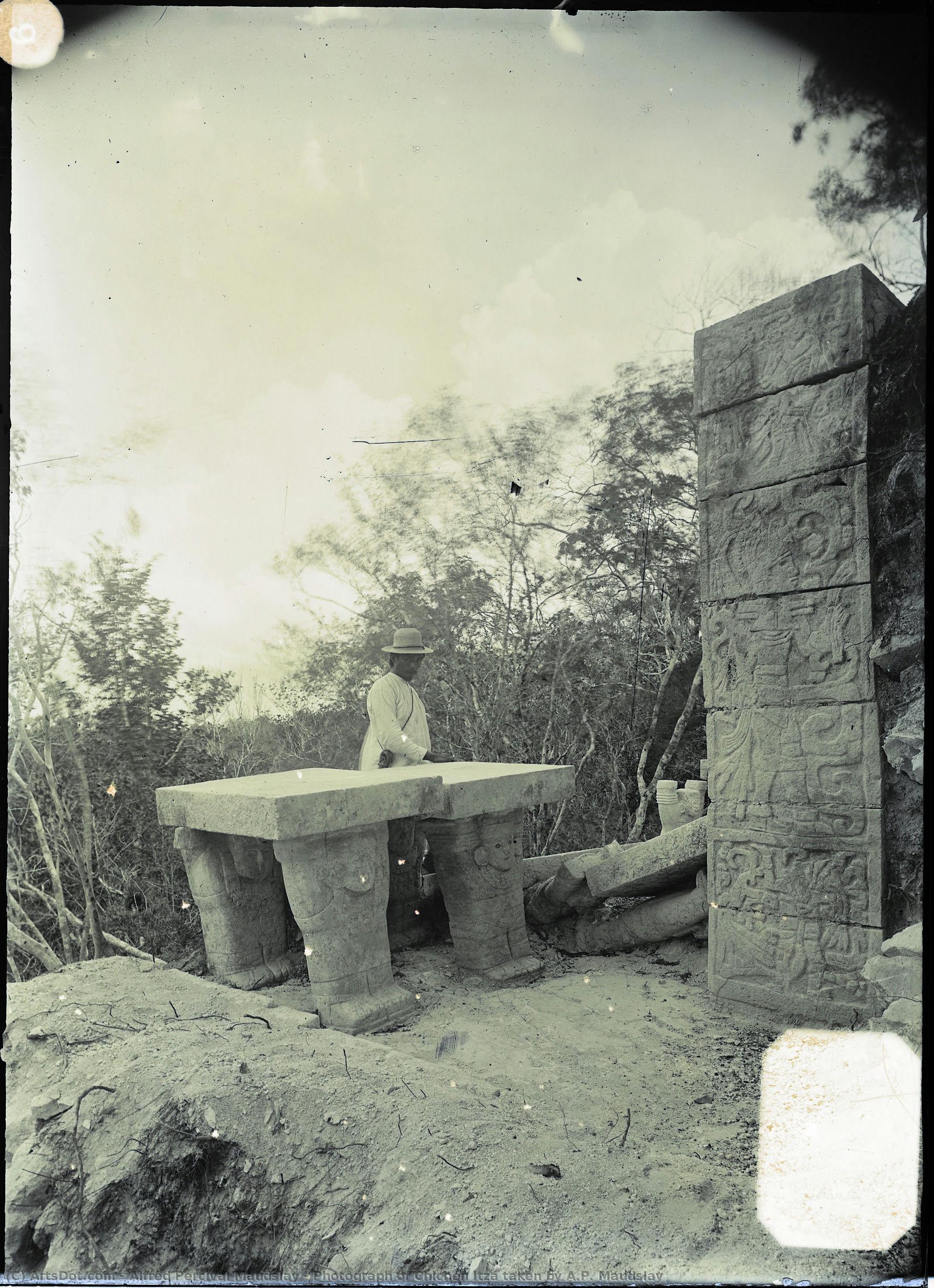
Photograph of Chichén Itzá taken by A.P. Maudslay
Art der Reproduktion
Format der Reproduktion
-


Gesamtpreis
$ 263
A Window into the Ancient World: Alfred Percival Maudslay’s 1894 Photograph of Chichén Itzá
The image before you isn't merely a photograph; it’s a portal. Captured in stark black and white during 1894 by British colonial administrator and archaeologist, Alfred Percival Maudslay, this remarkable wet collodion print offers an intimate glimpse into the heart of Chichén Itzá – the sprawling Mayan city nestled within the Yucatán Peninsula of Mexico. More than just a depiction of weathered stone and verdant jungle, it’s a tangible connection to a civilization that flourished centuries ago, preserved through Maudslay's meticulous eye and pioneering photographic techniques.
Maudslay wasn’t simply documenting ruins; he was actively engaged in the burgeoning field of archaeological investigation. His journey to Guatemala marked a pivotal moment, shifting his focus from colonial administration to the painstaking study of Mayan culture. This photograph represents the culmination of that shift – a testament to his dedication and a crucial piece of evidence for understanding the grandeur and complexity of this ancient metropolis.
The Anatomy of an Image: Technique and Composition
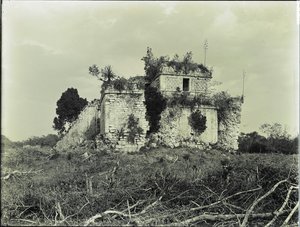
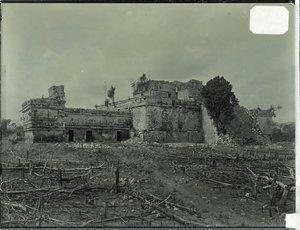
Examining the details reveals a masterful application of photographic principles. The image’s horizontal format immediately establishes a sense of scale, emphasizing the monumental nature of Chichén Itzá. Maudslay skillfully employs a one-point perspective, drawing the viewer's eye towards the central stone structure – likely a temple or fortress – which dominates the frame with its weathered walls and crumbling grandeur. The careful positioning of this architectural marvel is balanced by the subtle inclusion of foreground elements: uneven ground and sparse foliage that act as gentle guides, leading the observer deeper into the scene.
- Wet Collodion Process: The image was created using the wet collodion process, a demanding technique requiring immediate exposure. This method produced images with exceptional detail and tonal range – qualities particularly evident in the subtle variations of light and shadow across the stone surfaces.
- Compositional Balance: The arrangement of elements creates a harmonious balance between the monumental architecture and the natural environment, highlighting the interconnectedness of human creation and the surrounding landscape.
- Sharp Detail: Maudslay’s attention to detail is remarkable, capturing the intricate carvings and textures of the stone with astonishing clarity – a testament to his patience and skill as a photographer.
Symbolism and Historical Context
Beyond its technical merits, the photograph resonates with layers of symbolism. The Mayan civilization itself embodies themes of astronomical knowledge, religious devotion, and sophisticated engineering—all subtly reflected in the image’s composition. The pyramid's alignment with celestial events speaks to the Mayans’ profound understanding of the cosmos, while the intricate carvings hint at their complex belief system. Furthermore, the photograph offers a rare glimpse into the era of early tourism – Maudslay was among the first Westerners to document Chichén Itzá for a wider audience, initiating a dialogue between the modern world and this ancient legacy.
The image also reflects the colonial context in which it was created. Maudslay’s work was part of a broader effort by European scholars to study and categorize non-European cultures – an endeavor often fraught with ethical complexities. However, his meticulous documentation undeniably contributed to our understanding of Mayan civilization.
A Legacy Preserved: The Enduring Power of the Image
Alfred Percival Maudslay’s photograph of Chichén Itzá is more than just a historical artifact; it's a powerful reminder of the enduring legacy of the Mayan people. Its stark beauty, technical precision, and evocative symbolism continue to captivate viewers today. Reproductions offer an accessible way to experience this remarkable image, bringing the grandeur of Chichén Itzá into any space and sparking curiosity about one of history’s most fascinating civilizations. Consider a high-quality giclee print – a faithful representation that honors Maudslay's original vision and allows you to own a piece of this extraordinary story.
Ähnliche Kunstwerke
Über den Künstler
Frühes Leben und Bildung
Alfred Percival Maudslay, ein britischer Kolonialadministrator und Archäologe, wurde am 18. März 1850 in London in eine wohlhabende Familie hineingeboren. Er studierte Naturwissenschaften an Trinity Hall, Cambridge und erwarb 1872 einen Bachelor of Arts.Beruf und Reisen
Maudslays frühe Pläne für eine medizinische Karriere wurden aufgeschoben, als er mit seinem Bruder durch Zentralamerika, Mexiko und Teile der Vereinigten Staaten reiste. Diese Reise weckte ein Interesse an der Archäologie, das später sein Vermächtnis prägen sollte. Nach seiner Rückkehr nach Hause verschob Maudslay das Medizinstudium erneut, um 1873 nach Island zu reisen. Seine chronische Bronchitis veranlasste ihn, nach einem wärmeren Klima zu suchen, was zu einer Reihe von Positionen auf Jamaika, Trinidad und schließlich im Südpazifik führte.Archäologische Beiträge
Maudslays Zeit in den britischen Pazifikkolonien legte das Fundament für seine zukünftigen archäologischen Bestrebungen. Er entwickelte ein Interesse an der Sammlung ethnografischer Materialien, was später zur Gründung des University Museum of Archaeology and Ethnology at Cambridge beitragen sollte. Sein Freund, der Ornithologe Osbert Salvin, ermutigte Maudslay, die Maya-Ruinen von Quiriguá und Copán zu erkunden.Bemerkenswerte Leistungen
Maudslay war der Erste, der die Stätte von Yaxchilán beschrieb.
Er erforschte Chichén in den 1880er Jahren und nahm umfangreiche Fotografien auf.
Er veröffentlichte die erste ausführliche Beschreibung von Chichen Itza in seinem Buch „Biologia Centrali-Americana“.
Er erstellte eine vollständige Übersetzung mit Anmerkungen von Bernal Díaz del Castillos Historia, die bis heute die Standard-englische Ausgabe ist.
Künstlerisches Vermächtnis
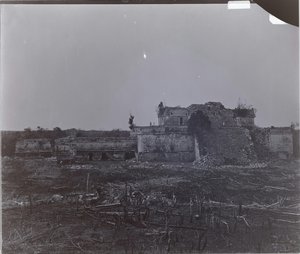
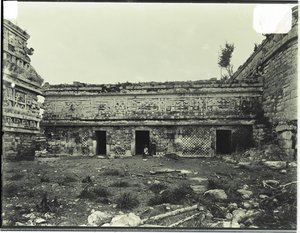
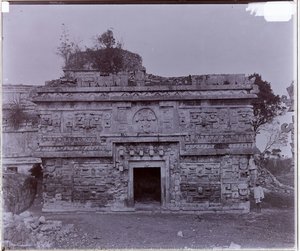
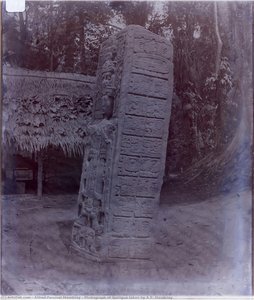
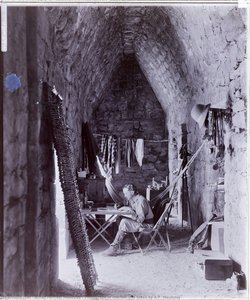
Maudslays Fotografien und Schriften wurden bewahrt und bieten einen einzigartigen Einblick in die Welt der Archäologie des 19. Jahrhunderts. Seine Werke lassen sich in verschiedenen Museen finden, darunter das British Museum (London, Vereinigtes Königreich), das mehrere seiner Fotografien beherbergt.- Photograph of Chichén Itzá taken by A.P. Maudslay (16 x 21 cm, British Museum, Fotografie)
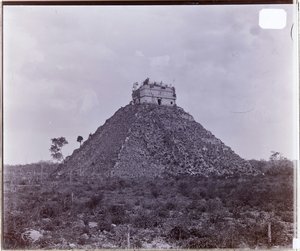
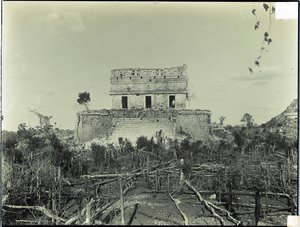
- Photograph of Chichén Itzá taken by A.P. Maudslay (25 x 30 cm, British Museum, Fotografie)
- Photograph of Copán taken by A.P. Maudslay (31 x 25 cm, British Museum, Fotografie)
Fazit
Das Vermächtnis von Alfred Percival Maudslay ist ein Zeugnis der Kraft der Neugier und der Entdeckung. Von seinen frühen Tagen als Kolonialadministrator bis zu seinen späteren Jahren als Archäologe inspiriert und bildet Maudslays Werk weiterhin.
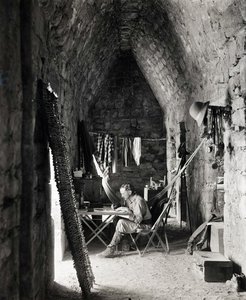
Alfred Percival Maudslay
1850 - 1931 , Vereinigtes Königreich
Kurzinfos
- Artistic Movement Or Style: Archäologie/Fotografie
- Date Of Birth: 1850
- Date Of Death: 1931
- Full Name: Alfred Percival Maudslay
- Nationality: Britisch
- Notable Artworks: ['Fotografie von Chichén Itzá']
- Place Of Birth: London, Vereinigtes Königreich
Ähnliche Artikel

Sir Alfred James Munnings: Die 25 Meisterwerke des Pferdebildes | ArtsDot
Entdecken Sie die 25 Meisterwerke von Sir Alfred James Munnings! Erleben Sie seine beeindruckenden Pferdebilder, geprägt vom Impressionismus und Realismus. Hochwertige Kunstdrucke & Reproduktionen auf ArtsDot.com – für elegante Wandkunst & stilvolles Interieurdesign.
Beyond the Lens: Photography's Enduring Influence on Modern & Contemporary Art
Explore photography's pivotal role in shaping modern & contemporary art. Discover key movements, influential artists like Stieglitz, and expert collecting advice from ArtsDot.

Pictorialism: A Search for Artistic Photography's Soul – Aesthetics, Techniques & Legacy
Explore the captivating world of Pictorialism – a pivotal movement that transformed photography into fine art. Discover key artists like Stieglitz & Käsebier, techniques, and collecting tips from experts.

Monochrome Visions: Exploring the Aesthetic & Historical Significance of Black & White Photography
Explore the rich history & artistic power of black and white photography. From early techniques to iconic masters like Ansel Adams, discover why monochrome continues to captivate art lovers today. Expert insights for collectors.
Witnessing History Through Lens & Light: Documentary Photography's Enduring Legacy
Explore the powerful history of documentary photography – from its origins to contemporary masters like Gordon Parks & W. Eugene Smith. Discover how this art form shapes our understanding of society and witness pivotal moments in time.