 Vorschau anzeigen
 Versenden
 Teilen
 Details anzeigen

 Herunterladen
 Ähnliche Objekte
 Röntgenaufnahme
 Diashow
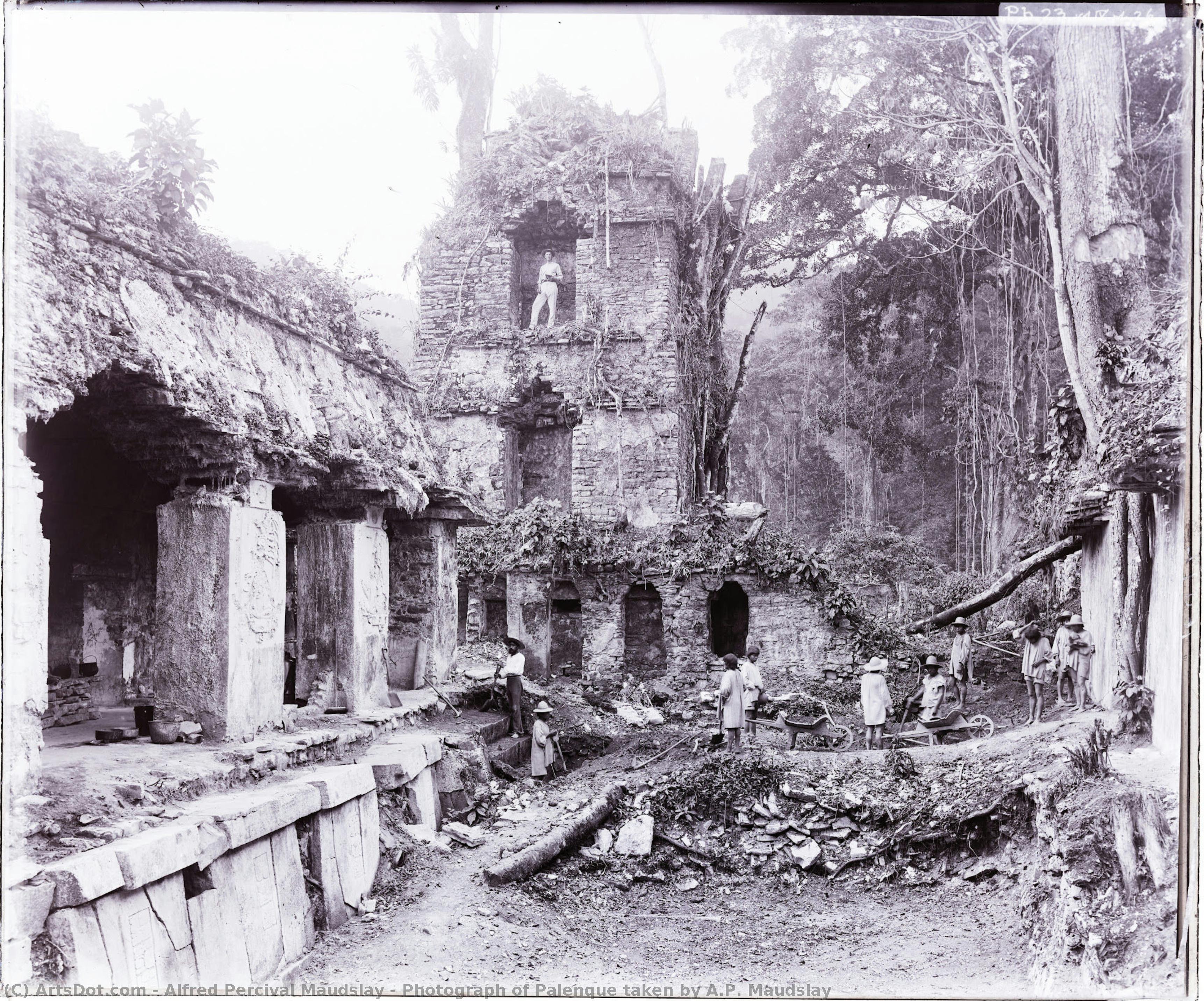
Photograph of Palenque taken by A.P. Maudslay
 Acrylic On Canvas
- WallArt
- Documentary Photography
 1894
1894 25.0 x 30.0 cm
 British Museum
 Weiterlesen
Giclée / Kunstdruck
Giclée- oder Leinwanddruck in Museumsqualität mit schneller Produktion und flexiblen Veredelungsoptionen. ( Handgemalte Reproduktion bestellen Bild kaufen)




P118B $10

P118H $10

P118W $10

P438Z $10

P508JH $12

P508YH $12

P805H $10

P805Z $10

P919BZ $10

P919G $10

P919XJ $10

P959ZH $10

P968JZ $12

W106C $8

W218G $10

W218JH $8

W218Y $10

W307PJ $10

W316G $10

W316PJ $8

W316Y $10

W398PJ $8

W4111J $10

W500HY $15

W500JH $15

W692G $12

W849H $8

W940BG $15

W953PJ $8




Wählen Sie aus unseren vordefinierten Formaten, die den ursprünglichen Proportionen des Kunstwerks entsprechen.

Sie können Ihre eigenen Maße eingeben, um ein bestimmtes Format oder einen speziellen Platz einzupassen. Wenn das von Ihnen gewählte Format nicht den Proportionen des Originalbildes entspricht, werden wir das Kunstwerk entweder beschneiden oder das Bild mit einem gespiegelten oder einfarbigen Rand erweitern. Ein digitaler Entwurf wird Ihnen zur Genehmigung zugesandt, bevor die Produktion beginnt.
Bitte beachten Sie, dass die Vorschau auf dem Bildschirm nicht den tatsächlichen Zuschnitt oder die Erweiterung widerspiegelt. Nur der Entwurf zeigt die endgültige Komposition präzise an.
Obwohl Sondermaße verfügbar sind, empfehlen wir die Auswahl eines Maßes aus der vordefinierten Liste, um die ursprünglichen Proportionen zu bewahren.
Weltweiter Versand () innerhalb von 2 Wochen statt der üblichen 4/5 Wochen. (5 September)

Kostenloser weltweiter Expressversand

Hochwertige Leinenleinwand

Umfassender Versicherungsschutz beim Versand

Zollgebühren-Rückerstattungsgarantie

Garantie für exakte Farbtreue

60 Tage Rückgaberecht (nur bei Mängeln)

100% Geld-zurück-Garantie

Mengenrabatt verfügbar
 Die Glasoption ist nur für Größen unter 110 cm verfügbar.

Photograph of Palenque taken by A.P. Maudslay
Giclée / Kunstdruck
Format der Reproduktion
-


Gesamtpreis
$ 62
A Silent Echo of Majesty: Alfred Percival Maudslay’s Photograph of Palenque
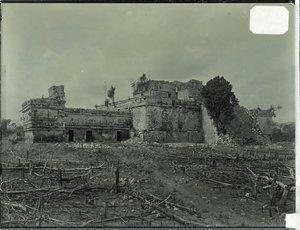
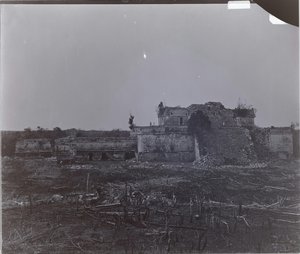
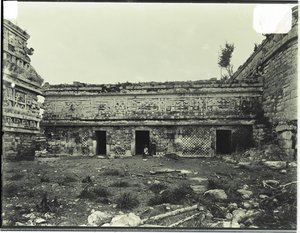
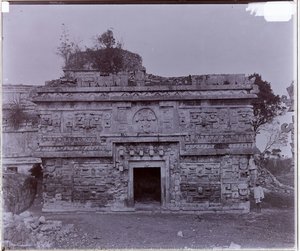
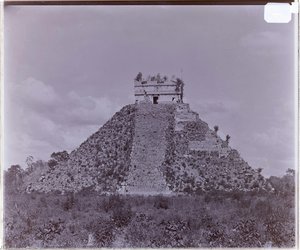
The photograph before us – “Photograph of Palenque taken by A.P. Maudslay” – is more than a simple image; it's a poignant meditation on time, decay, and the enduring spirit of a lost civilization. Captured in 1894, this black and white silver gelatin print transports us to the heart of Mexico’s Yucatán Peninsula, specifically to the crumbling grandeur of Palenque, an ancient Mayan city steeped in myth and history. Maudslay, a British colonial administrator with a burgeoning passion for archaeology, wasn't merely documenting ruins; he was attempting to capture a feeling – the palpable weight of centuries slipping away.
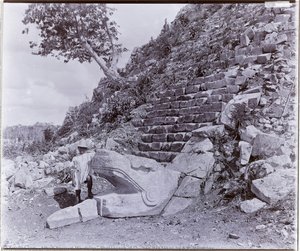
The composition immediately draws the eye into the scene. Towering walls, fractured and overtaken by a relentless embrace of jungle vegetation, dominate the frame. The perspective is linear, guiding our gaze through the labyrinthine remains of palaces and temples, creating an illusion of depth that belies the static nature of the image. Notice how the verticality of the architecture contrasts sharply with the chaotic, yet strangely harmonious, sprawl of vines and roots – a visual representation of humanity’s ambition pitted against the enduring power of the natural world. The diffused lighting suggests an overcast day, lending the scene a somber, almost melancholic quality, amplifying the sense of loss and abandonment.
Technical Mastery and Photographic Process
Maudslay's skill as a photographer is evident in every detail. The image is rendered with remarkable clarity for its age, showcasing an intimate understanding of photographic techniques. The tonal range is expertly controlled, utilizing the subtle gradations of gray to define textures – from the rough, weathered stone of the ruins to the delicate veins of leaves clinging to the crumbling walls. This suggests a traditional printing process, likely albumen or carbon print, known for their rich detail and velvety blacks. The sharpness of the architectural elements is balanced by the soft focus applied to the background foliage, creating a sense of depth and drawing attention to the central subject – the skeletal remains of Palenque’s once-imposing structures.
The choice of black and white further enhances the photograph's impact. Color would have inevitably distracted from the scene’s inherent drama and historical weight. Black and white allows us to focus solely on form, texture, and light, emphasizing the stark contrast between the man-made and the natural. The silver gelatin paper itself contributes to the image’s unique character, imbuing it with a subtle graininess that adds to its vintage feel.
A Symbol of Time's Passage
Beyond its technical merits, this photograph carries profound symbolic weight. Palenque, once a thriving center of Mayan civilization, now stands as a testament to the cyclical nature of history – rise and fall, creation and destruction. The overgrown ruins represent not just physical decay but also the fading memory of a complex culture. The jungle reclaiming its territory is a potent metaphor for the inevitable return of nature to dominate even the most ambitious human endeavors. Maudslay’s image isn't simply a record of a place; it’s an elegy for a lost world, prompting reflection on our own fleeting existence and the legacy we leave behind.
Collecting a Legacy: Reproduction and Artistic Value
Reproductions of this evocative photograph offer a unique opportunity to bring a piece of Mayan history into your home or office. ArtsDot’s hand-painted reproductions meticulously recreate Maudslay's original vision, capturing the same dramatic lighting, textural detail, and emotional resonance. The choice of a hand-painted reproduction ensures an unparalleled level of authenticity, surpassing the limitations of digital prints. Whether displayed as a statement piece in a contemporary setting or incorporated into a historical collection, this image serves as a powerful reminder of the beauty and fragility of human civilization – a silent echo of majesty from a distant past.
Ähnliche Kunstwerke
Über den Künstler
Frühes Leben und Bildung
Alfred Percival Maudslay, ein britischer Kolonialadministrator und Archäologe, wurde am 18. März 1850 in London in eine wohlhabende Familie hineingeboren. Er studierte Naturwissenschaften an Trinity Hall, Cambridge und erwarb 1872 einen Bachelor of Arts.Beruf und Reisen
Maudslays frühe Pläne für eine medizinische Karriere wurden aufgeschoben, als er mit seinem Bruder durch Zentralamerika, Mexiko und Teile der Vereinigten Staaten reiste. Diese Reise weckte ein Interesse an der Archäologie, das später sein Vermächtnis prägen sollte. Nach seiner Rückkehr nach Hause verschob Maudslay das Medizinstudium erneut, um 1873 nach Island zu reisen. Seine chronische Bronchitis veranlasste ihn, nach einem wärmeren Klima zu suchen, was zu einer Reihe von Positionen auf Jamaika, Trinidad und schließlich im Südpazifik führte.Archäologische Beiträge
Maudslays Zeit in den britischen Pazifikkolonien legte das Fundament für seine zukünftigen archäologischen Bestrebungen. Er entwickelte ein Interesse an der Sammlung ethnografischer Materialien, was später zur Gründung des University Museum of Archaeology and Ethnology at Cambridge beitragen sollte. Sein Freund, der Ornithologe Osbert Salvin, ermutigte Maudslay, die Maya-Ruinen von Quiriguá und Copán zu erkunden.Bemerkenswerte Leistungen
Maudslay war der Erste, der die Stätte von Yaxchilán beschrieb.
Er erforschte Chichén in den 1880er Jahren und nahm umfangreiche Fotografien auf.
Er veröffentlichte die erste ausführliche Beschreibung von Chichen Itza in seinem Buch „Biologia Centrali-Americana“.
Er erstellte eine vollständige Übersetzung mit Anmerkungen von Bernal Díaz del Castillos Historia, die bis heute die Standard-englische Ausgabe ist.
Künstlerisches Vermächtnis
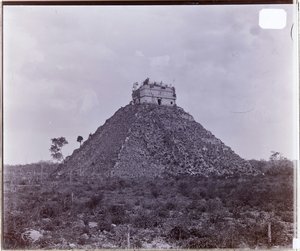
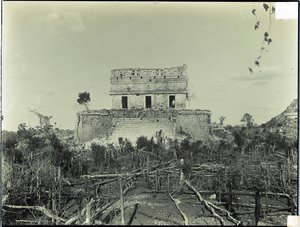
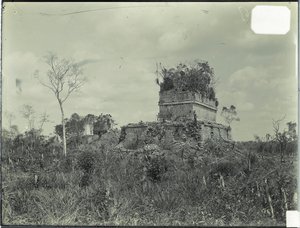
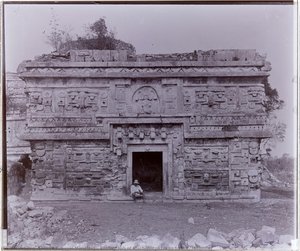
Maudslays Fotografien und Schriften wurden bewahrt und bieten einen einzigartigen Einblick in die Welt der Archäologie des 19. Jahrhunderts. Seine Werke lassen sich in verschiedenen Museen finden, darunter das British Museum (London, Vereinigtes Königreich), das mehrere seiner Fotografien beherbergt.- Photograph of Chichén Itzá taken by A.P. Maudslay (16 x 21 cm, British Museum, Fotografie)
- Photograph of Chichén Itzá taken by A.P. Maudslay (25 x 30 cm, British Museum, Fotografie)
- Photograph of Copán taken by A.P. Maudslay (31 x 25 cm, British Museum, Fotografie)
Fazit
Das Vermächtnis von Alfred Percival Maudslay ist ein Zeugnis der Kraft der Neugier und der Entdeckung. Von seinen frühen Tagen als Kolonialadministrator bis zu seinen späteren Jahren als Archäologe inspiriert und bildet Maudslays Werk weiterhin.
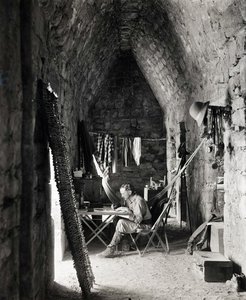
Alfred Percival Maudslay
1850 - 1931 , Vereinigtes Königreich
Kurzinfos
- Artistic Movement Or Style: Archäologie/Fotografie
- Date Of Birth: 1850
- Date Of Death: 1931
- Full Name: Alfred Percival Maudslay
- Nationality: Britisch
- Notable Artworks: ['Fotografie von Chichén Itzá']
- Place Of Birth: London, Vereinigtes Königreich
Ähnliche Artikel

Sir Alfred James Munnings: Die 25 Meisterwerke des Pferdebildes | ArtsDot
Entdecken Sie die 25 Meisterwerke von Sir Alfred James Munnings! Erleben Sie seine beeindruckenden Pferdebilder, geprägt vom Impressionismus und Realismus. Hochwertige Kunstdrucke & Reproduktionen auf ArtsDot.com – für elegante Wandkunst & stilvolles Interieurdesign.

Die Top 10 berühmter Gemälde im Reich der dunklen Töne |
Entdecken Sie die Top 10 berühmter Gemälde, beherrscht von dunklen Tönen! Von Caravaggio bis Manet – erfahren Sie die Geschichten hinter Meisterwerken der Kunstgeschichte. Finden Sie Ihre perfekte Reproduktion auf .

Monochrome Visions: Exploring the Aesthetic & Historical Significance of Black & White Photography
Explore the rich history & artistic power of black and white photography. From early techniques to iconic masters like Ansel Adams, discover why monochrome continues to captivate art lovers today. Expert insights for collectors.
Die Top 10 Gemälde der Kunstgeschichte – Dominiert von tiefem Schwarz
Entdecken Sie die Top 10 Gemälde, die von tiefem Schwarz und dramatischer Atmosphäre geprägt sind. Von Caravaggio bis Manet – Kunstgeschichte erleben & hochwertige Reproduktionen auf finden! Jetzt entdecken.
Die 10 Meisterwerke der Dokumentarfotografie – Kunst für Ihr Zuhause |
Entdecken Sie die 10 prägendsten Meisterwerke der Dokumentarfotografie! Von Cartier-Bresson bis Capa – erleben Sie ikonische Bilder, ihre Geschichte & Techniken. Hochwertige Reproduktionen für Ihr Zuhause auf