

 Vorschau anzeigen
 Versenden
 Teilen
 Details anzeigen

 Herunterladen
 Ähnliche Objekte
 Röntgenaufnahme
 Diashow
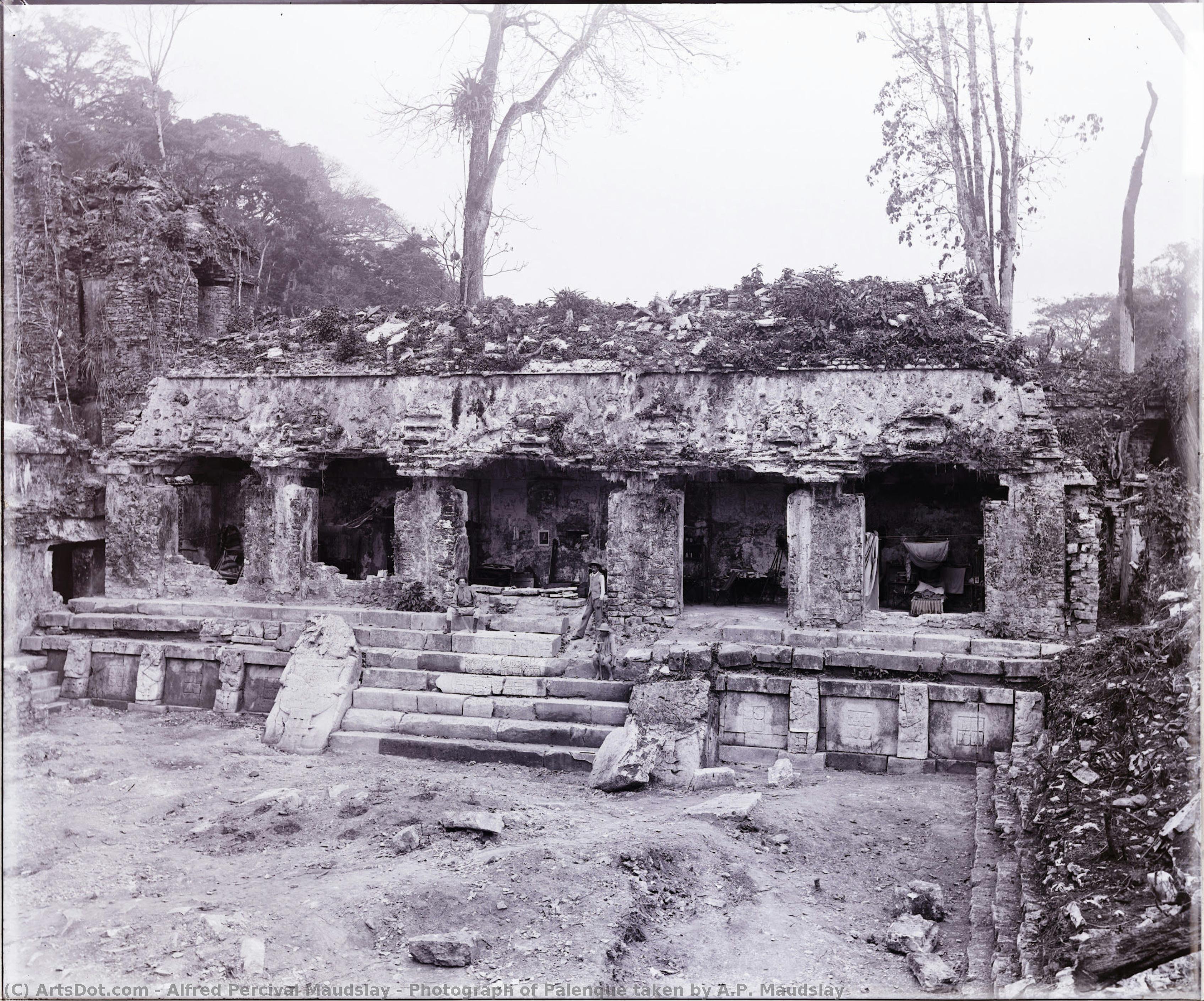
Photograph of Palenque taken by A.P. Maudslay
 Print
Print- WallArt
- Documentary Photography
 1894
1894 25.0 x 30.0 cm
 British Museum
 Weiterlesen
Erwerben Sie ein hochauflösendes, optimiertes digitales Bild, das der Online-Vorschau weit überlegen ist.
Jede Datei wird von unseren hauseigenen Spezialisten mit modernsten Werkzeugen und fachmännischer manueller Retusche sorgfältig vorbereitet. Wir stellen sicher, dass jedes Bild eine außergewöhnliche Klarheit, präzise Farbgenauigkeit und feinste Details aufweist.
Die endgültige Datei wird innerhalb von 72 Stunden per E-Mail zugestellt und ist für den sofortigen Einsatz in professionellen, redaktionellen und Druckumgebungen optimiert. Es handelt sich um dieselbe Qualität, der führende Designstudios, Verlage und Galerien vertrauen.
Digitales Bild
Laden Sie eine hochauflösende Datei für die persönliche Präsentation, den Druck und kreative Projekte herunter. ( Druck bestellen Handgemalte Reproduktion bestellen)
In jeder Bestellung digitaler Bilder enthalten
Professionelle digitale Bereitstellung, garantiert
Wenn Sie sich für ArtsDot.com entscheiden, erhalten Sie nicht nur ein Bild – Sie erhalten ein professionell aufbereitetes digitales Kunstwerk, das mit höchster Präzision erstellt und durch eine Zufriedenheitsgarantie abgesichert wird. Hier ist alles, was automatisch mit Ihrer Bestellung geliefert wird:

Schnelle E-Mail-Zustellung
Ihre hochauflösende digitale Bilddatei wird Ihnen innerhalb von 72 Stunden nach der Bestellung per E-Mail zugestellt – bereit zur sofortigen Verwendung.

KI-optimierte digitale Datei
Ihre Kunstwerke werden professionell mithilfe fortschrittlicher KI-Tools und manueller Bearbeitung optimiert, um maximale Detailtreue, Klarheit und Farbgenauigkeit zu gewährleisten.

Lebenslanger kostenloser Neudruckservice
Datei versehentlich gelöscht oder verloren? Keine Sorge – wir senden sie Ihnen jederzeit kostenlos erneut zu.

Keine Einfuhrgebühren – jemals
Genießen Sie Ihr Kunstwerk sofort ohne Zollgebühren, Einfuhrabgaben oder Versandkosten – digitale Downloads sind immer steuerfrei.

Garantierte Farbtreue
Wir garantieren, dass Ihr digitales Bild mithilfe professioneller Werkzeuge und Farbmanagement die Originalfarben so präzise wie möglich wiedergibt.

100-Tage-Zufriedenheitsgarantie
Sollten Sie mit Ihrem digitalen Bild nicht zufrieden sein, werden wir es überarbeiten oder Ihnen innerhalb von 100 Tagen 100% erstatten – ohne Wenn und Aber.

100% Geld-zurück-Garantie
Nicht zufrieden? Erhalten Sie innerhalb von 100 Tagen nach Erhalt Ihrer digitalen Datei eine vollständige Rückerstattung – ohne Angabe von Gründen.

Rabatte bei Großbestellungen
3 Bilder kaufen, 10% sparen – 5 Bilder kaufen, 15% sparen – Ab 10 Bildern 20% sparen. Ideal für kreative Projekte, Galerien und Agenturen.
A Glimpse of Ancient Palenque: A Photographic Record by Alfred Percival Maudslay
The photograph presented here – “Photograph of Palenque taken by A.P. Maudslay” – offers a remarkably intimate and evocative window into the heart of ancient Mayan civilization, specifically the ruins of Palenque in Mexico. Captured in 1894 by the British colonial administrator and pioneering archaeologist, Alfred Percival Maudslay, this silver gelatin print transcends mere documentation; it’s a testament to early exploration, a quiet dialogue between observer and observed, and a poignant reminder of a lost world slowly reclaiming itself.
Maudslay's journey into the Americas began with a fascination for natural history and a deep-seated desire to document the diverse cultures he encountered. His time in Central America, particularly his work with the British Honduras government, fostered a profound respect for indigenous traditions and a meticulous approach to archaeological investigation. This photograph isn’t simply a snapshot; it's the product of careful observation, deliberate composition, and a keen eye for detail – qualities that would define his legacy as one of the most significant early photographers of Mesoamerican ruins.
The Architecture and its Setting
Dominating the frame is a substantial stone structure, undoubtedly a temple or perhaps a ceremonial building integral to Palenque’s complex urban layout. The scale of this edifice immediately commands attention, conveying a sense of monumental grandeur despite the inherent fragility of ancient ruins. Surrounding it is a dense tapestry of vegetation – towering trees, tangled vines, and lush undergrowth – creating a powerful contrast between the rigid geometry of the architecture and the organic chaos of the jungle. This juxtaposition speaks volumes about the passage of time; Palenque isn’t merely standing as a relic of the past but actively being absorbed back into the natural world.
The composition itself is remarkably balanced, utilizing a wide-angle perspective to emphasize both the scale of the building and its integration within the surrounding environment. Scattered throughout the scene are several human figures – likely explorers or researchers documenting the site – providing a crucial element of scale and hinting at the ongoing process of archaeological discovery. These figures serve as silent witnesses to the grandeur of Palenque, underscoring the ambition and dedication required to unravel the mysteries of this ancient civilization.
A Monochrome Palette of Time
The photograph’s monochromatic palette – a carefully controlled range of grays from deep blacks to bright whites – is crucial to its impact. The absence of color forces the viewer to focus on texture, form, and light, revealing the intricate details of the stone surfaces and the dappled patterns of sunlight filtering through the jungle canopy. The subtle variations in tone create a sense of depth and dimensionality, lending a remarkable realism to the image. The diffused lighting suggests an overcast day or perhaps the early morning hours, contributing to the photograph’s contemplative mood.
Close examination reveals the rough textures of the weathered stones – evidence of centuries exposed to the elements – alongside the softer surfaces of the foliage. The strong vertical lines of the columns and walls provide a structural counterpoint to the more fluid shapes of the surrounding vegetation, creating a dynamic interplay between order and chaos.
Symbolism and Historical Context
Beyond its aesthetic qualities, “Photograph of Palenque taken by A.P. Maudslay” carries significant symbolic weight. The ruins themselves represent the enduring legacy of the Mayan civilization – a testament to their sophisticated understanding of mathematics, astronomy, art, and architecture. The presence of human figures underscores the ongoing effort to understand and preserve this cultural heritage. Furthermore, the encroaching jungle symbolizes the relentless power of nature, reminding us that even the most imposing structures are ultimately subject to time’s inevitable march.
Created in 1894, this photograph represents a pivotal moment in archaeological photography. Maudslay's meticulous approach and his commitment to capturing the essence of Palenque set a new standard for documenting ancient sites – a legacy that continues to inspire photographers and researchers today. It’s more than just an image; it’s a window into a vanished world, inviting us to contemplate the rise and fall of civilizations and the enduring beauty of the natural landscape.
Technical Details & Reproduction
The photograph is a silver gelatin print, a technique common during the late 19th century that allowed for detailed reproduction. Maudslay likely utilized a large-format camera and glass plate negatives to achieve the remarkable clarity and detail evident in the image. The dimensions are 25 x 30 cm, offering a substantial size suitable for display and study. Reproductions of this artwork retain the original’s nuanced tonal range and textural richness, providing a faithful representation of Maudslay's vision.
Ähnliche Kunstwerke
Biografie des Künstlers
Frühes Leben und Bildung
Alfred Percival Maudslay, ein britischer Kolonialadministrator und Archäologe, wurde am 18. März 1850 in London in eine wohlhabende Familie hineingeboren. Er studierte Naturwissenschaften an Trinity Hall, Cambridge und erwarb 1872 einen Bachelor of Arts.Beruf und Reisen
Maudslays frühe Pläne für eine medizinische Karriere wurden aufgeschoben, als er mit seinem Bruder durch Zentralamerika, Mexiko und Teile der Vereinigten Staaten reiste. Diese Reise weckte ein Interesse an der Archäologie, das später sein Vermächtnis prägen sollte. Nach seiner Rückkehr nach Hause verschob Maudslay das Medizinstudium erneut, um 1873 nach Island zu reisen. Seine chronische Bronchitis veranlasste ihn, nach einem wärmeren Klima zu suchen, was zu einer Reihe von Positionen auf Jamaika, Trinidad und schließlich im Südpazifik führte.Archäologische Beiträge
Maudslays Zeit in den britischen Pazifikkolonien legte das Fundament für seine zukünftigen archäologischen Bestrebungen. Er entwickelte ein Interesse an der Sammlung ethnografischer Materialien, was später zur Gründung des University Museum of Archaeology and Ethnology at Cambridge beitragen sollte. Sein Freund, der Ornithologe Osbert Salvin, ermutigte Maudslay, die Maya-Ruinen von Quiriguá und Copán zu erkunden.Bemerkenswerte Leistungen
Maudslay war der Erste, der die Stätte von Yaxchilán beschrieb.
Er erforschte Chichén in den 1880er Jahren und nahm umfangreiche Fotografien auf.
Er veröffentlichte die erste ausführliche Beschreibung von Chichen Itza in seinem Buch „Biologia Centrali-Americana“.
Er erstellte eine vollständige Übersetzung mit Anmerkungen von Bernal Díaz del Castillos Historia, die bis heute die Standard-englische Ausgabe ist.
Künstlerisches Vermächtnis
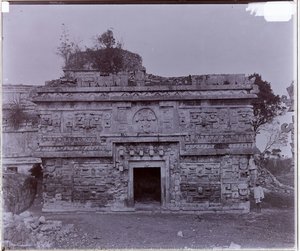
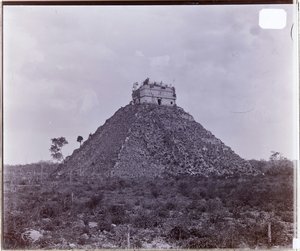
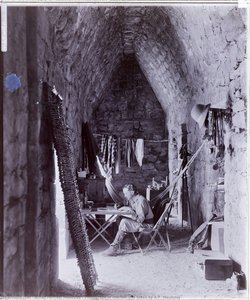
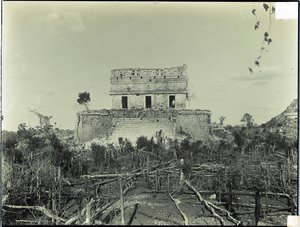
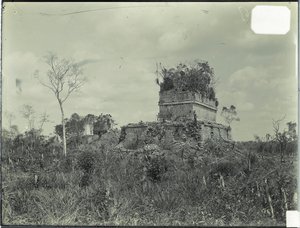
Maudslays Fotografien und Schriften wurden bewahrt und bieten einen einzigartigen Einblick in die Welt der Archäologie des 19. Jahrhunderts. Seine Werke lassen sich in verschiedenen Museen finden, darunter das British Museum (London, Vereinigtes Königreich), das mehrere seiner Fotografien beherbergt.- Photograph of Chichén Itzá taken by A.P. Maudslay (16 x 21 cm, British Museum, Fotografie)
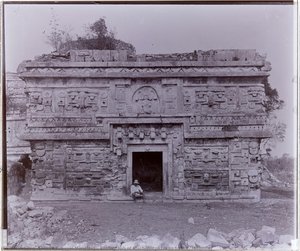
- Photograph of Chichén Itzá taken by A.P. Maudslay (25 x 30 cm, British Museum, Fotografie)
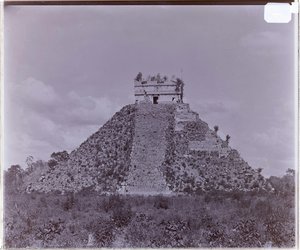
- Photograph of Copán taken by A.P. Maudslay (31 x 25 cm, British Museum, Fotografie)
Fazit
Das Vermächtnis von Alfred Percival Maudslay ist ein Zeugnis der Kraft der Neugier und der Entdeckung. Von seinen frühen Tagen als Kolonialadministrator bis zu seinen späteren Jahren als Archäologe inspiriert und bildet Maudslays Werk weiterhin.
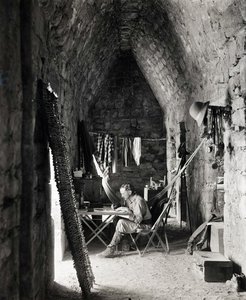
Alfred Percival Maudslay
1850 - 1931 , Vereinigtes Königreich
Kurzinfos
- Artistic Movement Or Style: Archäologie/Fotografie
- Date Of Birth: 1850
- Date Of Death: 1931
- Full Name: Alfred Percival Maudslay
- Nationality: Britisch
- Notable Artworks: ['Fotografie von Chichén Itzá']
- Place Of Birth: London, Vereinigtes Königreich