 Vorschau anzeigen
 Versenden
 Teilen
 Details anzeigen

 Herunterladen
 Ähnliche Objekte
 Röntgenaufnahme
 Diashow
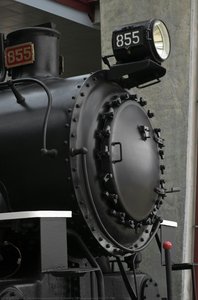
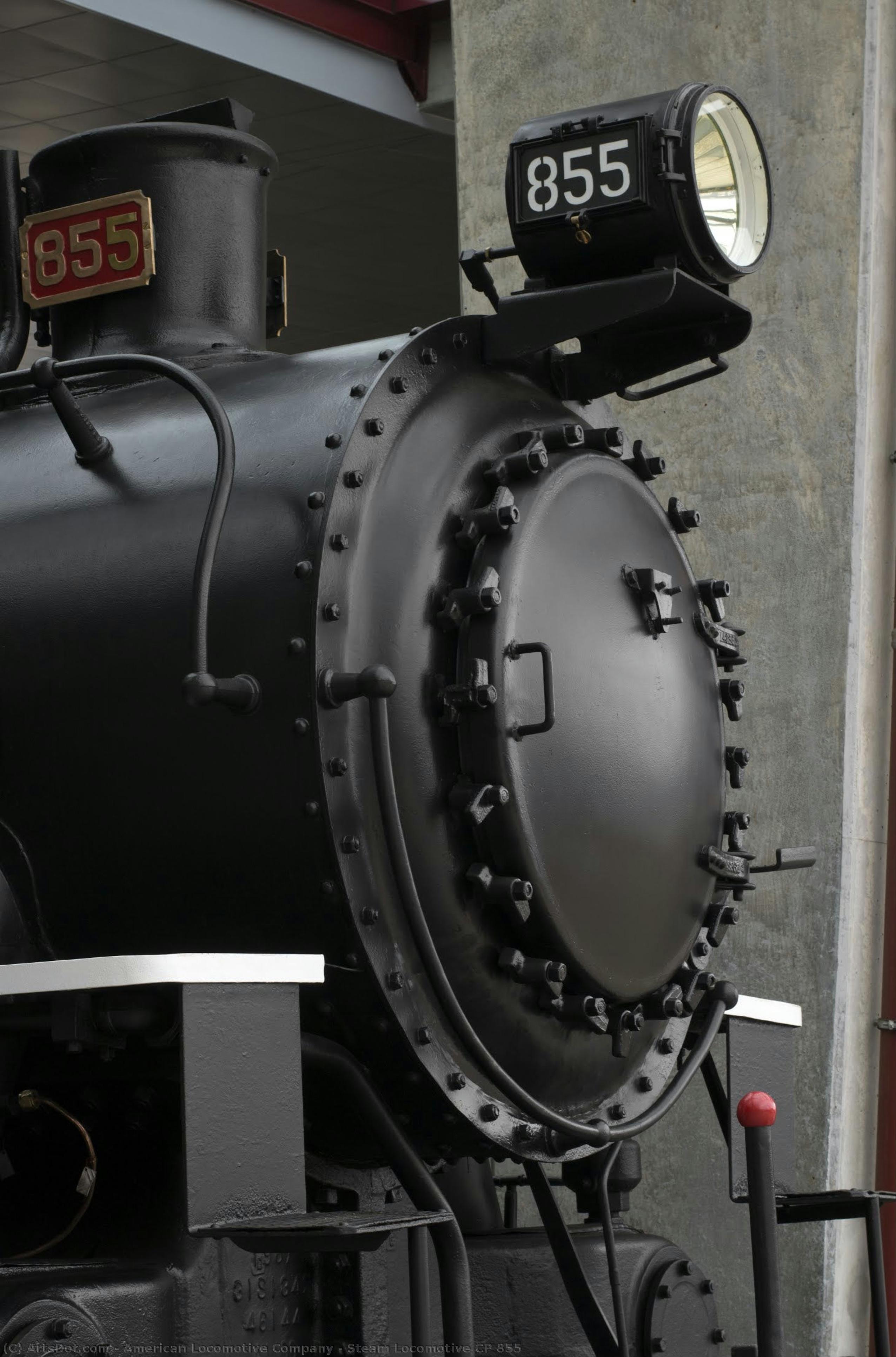
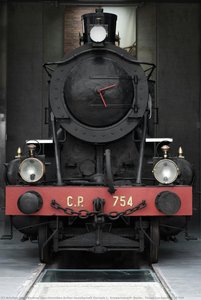
Steam Locomotive CP 855


 Weiterlesen
Giclée / Kunstdruck
Giclée- oder Leinwanddruck in Museumsqualität mit schneller Produktion und flexiblen Veredelungsoptionen. ( Handgemalte Reproduktion bestellen Bild kaufen)




































Wählen Sie aus unseren vordefinierten Formaten, die den ursprünglichen Proportionen des Kunstwerks entsprechen.

Sie können Ihre eigenen Maße eingeben, um ein bestimmtes Format oder einen speziellen Platz einzupassen. Wenn das von Ihnen gewählte Format nicht den Proportionen des Originalbildes entspricht, werden wir das Kunstwerk entweder beschneiden oder das Bild mit einem gespiegelten oder einfarbigen Rand erweitern. Ein digitaler Entwurf wird Ihnen zur Genehmigung zugesandt, bevor die Produktion beginnt.
Bitte beachten Sie, dass die Vorschau auf dem Bildschirm nicht den tatsächlichen Zuschnitt oder die Erweiterung widerspiegelt. Nur der Entwurf zeigt die endgültige Komposition präzise an.
Obwohl Sondermaße verfügbar sind, empfehlen wir die Auswahl eines Maßes aus der vordefinierten Liste, um die ursprünglichen Proportionen zu bewahren.
Weltweiter Versand () innerhalb von 2 Wochen statt der üblichen 4/5 Wochen. (29 August)

Kostenloser weltweiter Expressversand

Hochwertige Leinenleinwand

Umfassender Versicherungsschutz beim Versand

Zollgebühren-Rückerstattungsgarantie

Garantie für exakte Farbtreue

60 Tage Rückgaberecht (nur bei Mängeln)

100% Geld-zurück-Garantie

Mengenrabatt verfügbar
 Die Glasoption ist nur für Größen unter 110 cm verfügbar.

Steam Locomotive CP 855
Giclée / Kunstdruck
Format der Reproduktion
-


Gesamtpreis
$ 62
Ähnliche Kunstwerke







Über den Künstler
The Iron Horses of Progress: American Locomotive Company
The American Locomotive Company (ALCO), though not a name typically associated with fine art, represents a fascinating intersection of industrial might, engineering innovation, and the very spirit of American progress. Founded in 1901 through the merger of several established locomotive manufacturers – including Cooke Locomotive & Machine Works, Dickson Manufacturing Company, Pittsburgh Locomotive & Car Works, and Swiss Steel Works – ALCO quickly became one of the largest and most influential builders of steam locomotives in the world. To consider ALCO solely as a producer of machinery overlooks its profound impact on shaping landscapes, economies, and even the cultural imagination of the late 19th and early 20th centuries. Their creations weren't merely functional; they were symbols of power, speed, and the relentless drive to connect a burgeoning nation.From Industrial Consolidation to Railroad Dominance
The genesis of ALCO wasn’t about artistic vision in the traditional sense, but rather about survival in an increasingly competitive market. The late 1800s saw intense consolidation within American industry, and the locomotive building sector was no exception. By uniting these key players, ALCO aimed to streamline production, reduce costs, and better compete with rivals like Baldwin Locomotive Works. This strategic move proved remarkably successful. ALCO locomotives became ubiquitous across North America, powering everything from freight trains hauling vital resources to passenger lines whisking travelers across vast distances. The company’s early designs drew heavily on established engineering principles, but ALCO quickly distinguished itself through a commitment to research and development. They weren't content with simply replicating existing models; they sought continuous improvement in efficiency, power, and reliability. This dedication led to innovations in boiler design, valve gear mechanisms, and the use of new materials – all contributing to locomotives that were both more powerful and more economical to operate.Engineering as Art: The Aesthetics of Function
While ALCO engineers weren’t explicitly focused on aesthetics, their locomotives possessed a distinct visual character that resonated with the public. The sheer scale and imposing presence of these machines commanded attention. The elegant curves of the boiler, the gleaming brass fittings, the powerful driving wheels – all contributed to an impression of robust strength and technological mastery. The company’s designers often incorporated decorative elements into their locomotives, such as polished copper pipes, ornate nameplates, and carefully crafted paint schemes. These details weren't merely superficial; they reflected a sense of pride in craftsmanship and a desire to create machines that were not only functional but also visually appealing. The “Hudson” type locomotive, for example, became renowned for its streamlined appearance and powerful performance. It represented the pinnacle of steam locomotive design, embodying both form and function in perfect harmony.Beyond Steam: Diversification and Legacy
As diesel-electric technology emerged in the mid-20th century, ALCO recognized the inevitable shift away from steam power. The company diversified its operations, venturing into the production of diesel locomotives, industrial equipment, and even military vehicles during World War II. However, despite these efforts, ALCO struggled to regain its former dominance. The transition to diesel proved challenging, and competition from established players like General Motors’ Electro-Motive Division was fierce. In 1964, the company ceased locomotive production altogether. Despite this decline, ALCO's legacy endures.- Its locomotives played a pivotal role in shaping the American railroad system.
- The engineering innovations pioneered by ALCO continue to influence modern transportation technology.
- And perhaps most importantly, its creations remain potent symbols of an era defined by industrial ambition and relentless progress.