

 Vorschau anzeigen
 Versenden
 Teilen
 Details anzeigen

 Herunterladen
 Ähnliche Objekte
 Röntgenaufnahme
 Diashow
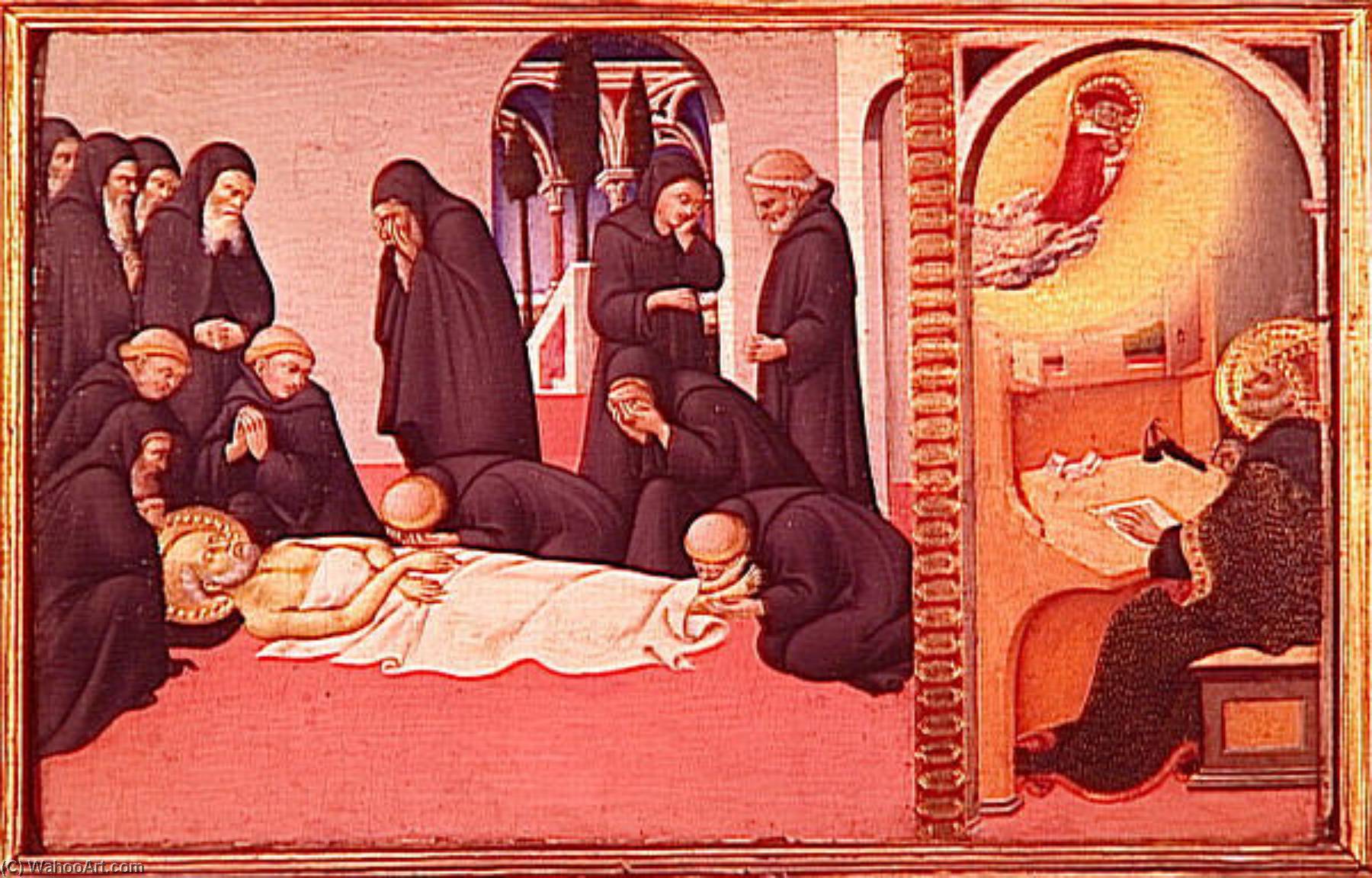
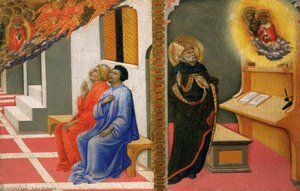
LA MORT DE SAINT JEROME EN PRESENCE DE SES DISCIPLES IL APPARAIT A L'EVEQUE SAINT CYRILLE DE JERUSALEM


 Weiterlesen
Handgefertigte Ölreproduktion
Handgemaltes Ölgemälde auf Leinwand in Ihrer Wunschgröße und mit Rahmen, auf Bestellung von unseren Künstlern angefertigt. ( Druck bestellen Bild kaufen)




































Wählen Sie aus unseren vordefinierten Formaten, die den ursprünglichen Proportionen des Kunstwerks entsprechen.

Sie können Ihre eigenen Maße eingeben, um einen bestimmten Rahmen oder Platz auszufüllen. Wenn die gewählte Größe nicht den Proportionen des Originalbildes entspricht, werden wir das Kunstwerk entweder beschneiden oder das Gemälde durch zusätzliche, handgemalte Elemente erweitern. Ein digitales Mockup wird Ihnen zur Genehmigung zugesandt, bevor die Produktion beginnt.
Bitte beachten Sie, dass die Bildschirmvorschau nicht die tatsächliche Beschneidung oder Erweiterung widerspiegelt. Nur das Mockup zeigt die endgültige Komposition exakt an.
Obwohl Sondermaße verfügbar sind, empfehlen wir, eine Größe aus der vordefinierten Liste zu wählen, um die ursprünglichen Proportionen beizubehalten.
Nach der Bestellung wird das ArtsDot.com-Team dem Kunden Anweisungen per E-Mail zusenden und eine Mockup-Vorschau bereitstellen.
Weltweiter Versand () in nur 3 bis 4 Wochen statt der üblichen 5 Wochen. (27 August). Keine Kompromisse bei der Qualität.

Kostenloser weltweiter Expressversand

Hochwertige Leinenleinwand

Umfassender Versicherungsschutz beim Versand

Zollgebühren-Rückerstattungsgarantie

Garantie für exakte Farbtreue

60 Tage Rückgaberecht (nur bei Mängeln)

100% Geld-zurück-Garantie

Mengenrabatt verfügbar
 Die Glasoption ist nur für Größen unter 110 cm verfügbar.

LA MORT DE SAINT JEROME EN PRESENCE DE SES DISCIPLES IL APPARAIT A L'EVEQUE SAINT CYRILLE DE JERUSALEM
Art der Reproduktion
Format der Reproduktion
-


Gesamtpreis
$ 263
Ähnliche Kunstwerke
Über den Künstler
A Sienese Master Forged in Color
Sano di Pietro, born Ansano di Pietro di Mencio around 1406 and passing away in Siena in 1481, remains a captivating figure within the rich tapestry of early Renaissance art. He wasn’t a flamboyant innovator or a revolutionary; rather, he was a master craftsman who honed his skills within the established traditions of the Sienese school, ultimately becoming renowned for his breathtaking use of color and elegant drapery – qualities that imbued his works with an almost dreamlike quality.
Sano’s early life remains somewhat shrouded in mystery. He entered the register of painters in 1428, a testament to his burgeoning talent, and quickly established himself as a respected artist within Siena's vibrant artistic community. Unlike many of his contemporaries who sought patronage from powerful families or the Church, Sano operated primarily through a workshop system, overseeing a team of assistants and pupils who helped him fulfill commissions. This approach allowed him to produce a remarkably large body of work – over 270 pieces survive today, a testament to his prolific output.
The Legacy of Sassetta and the Sienese School
Sano’s artistic development was deeply rooted in the traditions established by earlier masters, particularly Sassetta. The Sienese school, which flourished during the 15th century, represented a distinct aesthetic compared to its Florentine counterpart. While Florence emphasized realism and naturalism, Siena embraced a more imaginative and opulent style. This manifested itself most strikingly in the use of color – vibrant hues were deployed with unprecedented boldness, often exceeding what was seen elsewhere in Europe. The Sienese painters weren’t simply depicting reality; they were striving to capture an idealized, almost ethereal vision.
Sano inherited this passion for color and embraced the hallmarks of the Sienese style: lavish drapery that seemed to flow with impossible grace, intricate patterns woven into fabrics, and a general sense of luxurious abundance. His works are characterized by a remarkable attention to detail, creating an immersive experience for the viewer. The paintings aren’t merely static images; they possess a palpable energy and movement.
A Palette of Dreams: Key Works and Techniques
Sano's most celebrated works often feature religious subjects, particularly scenes depicting Saint Jerome – a favorite theme among Sienese artists. His “Saint Jerome in his Study” (circa 1430-1435) exemplifies this perfectly. The painting is dominated by rich reds and golds, creating an atmosphere of opulence and contemplation. The drapery is incredibly complex, cascading around the saint in a swirling vortex of fabric. The use of light and shadow further enhances the sense of depth and drama.
Another significant work is his “The Dream of Saint Jerome,” created around 1476. In this painting, Jerome experiences a vision of the Virgin Mary and John the Baptist, rendered in equally vibrant colors. The scene unfolds within a richly decorated chamber, filled with symbolic objects and details that invite interpretation. Sano’s mastery of perspective is evident in the way he creates a sense of depth and space.
Furthermore, Sano's “Ecce Agnus Dei” (1455-60), depicting Saint John the Baptist entering the wilderness, showcases his ability to balance color with narrative. The red robes of the saint contrast dramatically against the blue sky, drawing the viewer’s eye to this central figure. The composition is dynamic and engaging, capturing a pivotal moment in the saint's life.
A Forgotten Master?
Despite his prolific output and undeniable skill, Sano di Pietro has often been overshadowed by other artists of the period. Some critics have suggested that the uniformity of his workshop’s production contributes to this perception – many paintings share a similar style and palette. However, closer examination reveals subtle variations in technique and subject matter, demonstrating Sano's individual artistic voice. He wasn’t striving for groundbreaking innovation; rather, he was meticulously executing commissions with exceptional skill and a deep understanding of the Sienese aesthetic.
Sano di Pietro’s legacy lies not in revolutionary ideas but in his unwavering dedication to mastering the traditions of his time. He remains a testament to the power of color, drapery, and meticulous craftsmanship – a painter who captured the essence of the Sienese dream within each brushstroke.

ansano di pietro di mencio
1406 - 1481
Kurzinfos
- Artistic Movement Or Style: Sienese School
- Artists Or Movements Influenced By This Artist: ['Vecchietta']
- Artists Who Influenced This Artist: ['Sassetta']
- Date Of Birth: 1406
- Date Of Death: 1481
- Full Name: Ansano di Pietro di Mencio
- Nationality: Italian
- Notable Artworks:
- Saint Jerome's Works
- La Mort de Saint Jerome
- Place Of Birth: Siena, Italy
Ähnliche Artikel

Giotto di Bondone: Die 25 Meisterwerke des Frührenaissance – Kunst für Ihr Zuhause
Entdecken Sie die 25 Meisterwerke von Giotto di Bondone! Erleben Sie die Frührenaissance, religiöse Kunst & ikonische Fresken wie in der Scrovegni Kapelle. Hochwertige Kunstdrucke online bei ArtsDot.com – für zeitlose Eleganz in Ihrem Zuhause.
Meisterwerke des Hochmittelalters: 10 Kunstwerke für Ihr Zuhause | ArtsDot
Entdecken Sie die 10 bedeutendsten Meisterwerke des Hochmittelalters! Erfahren Sie Geschichten von Romanik, Gotik & berühmten Künstlern. Finden Sie hochwertige Reproduktionen für Ihr Zuhause auf ArtsDot.com.
Spätmittelalterliche Meisterwerke: 10 Kunstwerke für Ihr Zuhause | ArtsDot
Entdecken Sie die 10 bedeutendsten Meisterwerke des Spätmittelalters! Erfahren Sie die Geschichten hinter Jan van Eyck, Rogier van der Weyden & mehr. Hochwertige Kunst Reproduktionen für Ihr Zuhause – jetzt auf ArtsDot.com!
Illuminating Faith & Power: A Journey Through Medieval Art (c. 500 – c. 1500)
Explore the rich history of Medieval Art (c. 500 – c. 1500) with ArtsDot. Discover Byzantine mosaics, Gothic cathedrals & Renaissance masterpieces. Expert insights & museum-quality reproductions.
Timeless Elegance: How to Integrate High Medieval Art into Your Modern Interior Design
Discover how to infuse your modern home with the divine light of High Medieval art. From gilded illuminated manuscripts to Gothic-inspired textures, learn expert tips for integrating timeless elegance and historical grandeur into contemporary interior design.

