

 Versenden
 Teilen
 Details anzeigen

 Herunterladen
 Ähnliche Objekte
 Diashow
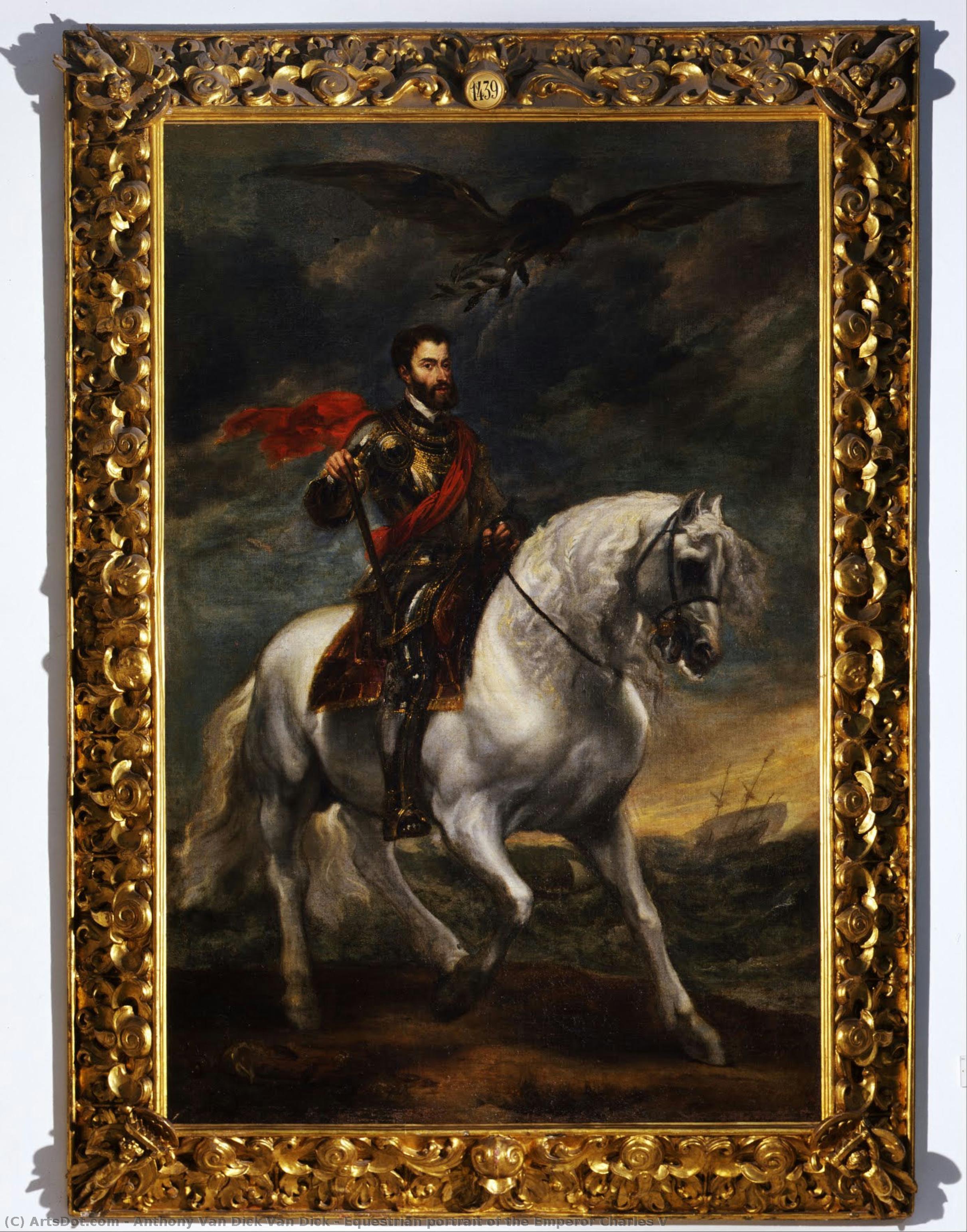
Equestrian portrait of the Emperor Charles V
 Giclée Print
- Digital
- Baroque
 1620
1620 123.0 x 191.0 cm
 Galleria degli Uffizi
 Weiterlesen
Handgefertigte Ölreproduktion
Handgemaltes Ölgemälde auf Leinwand in Ihrer Wunschgröße und mit Rahmen, auf Bestellung von unseren Künstlern angefertigt. ( Druck bestellen Bild kaufen)




































Wählen Sie aus unseren vordefinierten Formaten, die den ursprünglichen Proportionen des Kunstwerks entsprechen.

Sie können Ihre eigenen Maße eingeben, um einen bestimmten Rahmen oder Platz auszufüllen. Wenn die gewählte Größe nicht den Proportionen des Originalbildes entspricht, werden wir das Kunstwerk entweder beschneiden oder das Gemälde durch zusätzliche, handgemalte Elemente erweitern. Ein digitales Mockup wird Ihnen zur Genehmigung zugesandt, bevor die Produktion beginnt.
Bitte beachten Sie, dass die Bildschirmvorschau nicht die tatsächliche Beschneidung oder Erweiterung widerspiegelt. Nur das Mockup zeigt die endgültige Komposition exakt an.
Obwohl Sondermaße verfügbar sind, empfehlen wir, eine Größe aus der vordefinierten Liste zu wählen, um die ursprünglichen Proportionen beizubehalten.
Nach der Bestellung wird das ArtsDot.com-Team dem Kunden Anweisungen per E-Mail zusenden und eine Mockup-Vorschau bereitstellen.
Weltweiter Versand () in nur 3 bis 4 Wochen statt der üblichen 5 Wochen. (24 August). Keine Kompromisse bei der Qualität.

Kostenloser weltweiter Expressversand

Hochwertige Leinenleinwand

Umfassender Versicherungsschutz beim Versand

Zollgebühren-Rückerstattungsgarantie

Garantie für exakte Farbtreue

60 Tage Rückgaberecht (nur bei Mängeln)

100% Geld-zurück-Garantie

Mengenrabatt verfügbar
 Die Glasoption ist nur für Größen unter 110 cm verfügbar.

Equestrian portrait of the Emperor Charles V
Art der Reproduktion
Format der Reproduktion
-


Gesamtpreis
$ 263
Beschreibung des Kunstwerks
A Regal Vision: Unveiling Anthony van Dyck’s Equestrian Portrait of Charles V
The year is 1620. The setting, a meticulously rendered landscape hinting at the vastness of the English kingdom – and beyond. Before us stands an arresting image: Anthony van Dyck's ‘Equestrian Portrait of the Emperor Charles V,’ a painting that transcends mere portraiture to become a potent symbol of power, authority, and the enduring legacy of the Habsburg dynasty. Initially attributed to Rubens, this masterpiece now firmly resides within the Uffizi collection in Florence, offering a rare glimpse into the artistic sensibilities of one of Europe’s most celebrated Baroque painters.
Van Dyck, born in Antwerp in 1599, possessed an extraordinary ability to capture not just likeness but also character and emotion. His early training under Hendrick van Balen laid the foundation for his later mastery, yet it was his encounter with Peter Paul Rubens that truly shaped his artistic trajectory. This influence is readily apparent in the painting’s dynamic composition, rich color palette, and masterful use of light – elements characteristic of both artists. However, Van Dyck swiftly established a distinct style, one defined by an unparalleled elegance and a remarkable sensitivity to detail, particularly when depicting human figures.
The Anatomy of Power: Composition and Technique
The painting’s composition is immediately striking. Charles V, clad in gleaming armor that reflects the light with dazzling intensity, dominates the scene. He sits atop a magnificent white horse, its musculature rendered with breathtaking realism – a testament to Van Dyck's meticulous observation of nature. The horse isn’t merely a mount; it’s an extension of the Emperor’s power, embodying strength and control. Notice how the horse’s stance is deliberately restrained, mirroring the controlled demeanor of the rider. A servant dutifully presents him with a helmet, completing the image of a sovereign ready to command.
Van Dyck's technique is equally impressive. He employs a loose, almost impressionistic brushstroke – a departure from the more rigid conventions of earlier portraiture – creating a sense of movement and vitality. The layering of colors, particularly in the armor and the horse’s coat, demonstrates his mastery of chiaroscuro, the dramatic use of light and shadow to create depth and volume. The subtle gradations of tone contribute significantly to the painting's overall atmosphere of grandeur and majesty.
Symbolism and Historical Context
Beyond its aesthetic qualities, ‘Equestrian Portrait of Charles V’ is laden with symbolism. The red flag held aloft by the servant signifies victory – a reference to Charles’s triumph at the Battle of Mühlberg in 1547. The Latin inscription on the tablet further reinforces this message, proclaiming “Charles I, King of Great Britain.” This portrait wasn't simply a likeness; it was a carefully constructed statement about imperial authority and the burgeoning power of England.
Interestingly, the painting’s origins are somewhat shrouded in mystery. Initially attributed to Rubens, its attribution to Van Dyck gained traction in the 18th century. The work's relatively mediocre state of conservation – a slight weakness in the painting’s execution – has been speculated upon as potentially stemming from the lack of a live model during its creation, or perhaps simply reflecting the challenges inherent in capturing such a dynamic subject on canvas at that early stage of artistic production. It was likely commissioned for a descendant of the emperor, solidifying its place within the Medici family's esteemed collection.
A Legacy of Elegance: Van Dyck’s Enduring Influence
‘Equestrian Portrait of the Emperor Charles V’ stands as a pivotal work in the history of portraiture. Van Dyck’s innovative approach, characterized by its effortless elegance and psychological depth, profoundly influenced English portraitists for over a century. His ability to capture not just physical appearance but also the inner character of his subjects established a new standard for the genre, shaping the course of art for generations to come. The painting's enduring appeal lies in its masterful blend of technical skill, symbolic richness, and emotional resonance – a testament to Van Dyck’s genius as one of the greatest artists of the Baroque era.
Ähnliche Kunstwerke
Ähnliche Artikel
Sir Anthony van Dyck: Hofmalerei und die Formung barocker Identität
Entdecken Sie das Werk von Sir Anthony van Dyck – Hofmaler Karls I. und Meister der Porträtkunst. Erfahren Sie mehr über seine Einflüsse, Techniken und den Wert seiner Gemälde für Sammler.
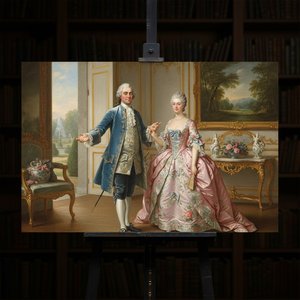
Charles-André van Loo: A Study in Rococo Portraiture & the French Court's Artistic Dynamics
Explore the elegant world of Charles-André van Loo, a master of Rococo portraiture at the French court. Discover his life, techniques, and enduring influence on 18th-century art. Hand-painted reproductions available.
The Grandeur of Baroque Portraiture: Power, Emotion & Artistic Innovation
Explore the grandeur of Baroque portraiture! Discover Rubens, Van Dyck & the masters of 17th-century art. Uncover symbolism, techniques & lasting influence. Expert insights for collectors and enthusiasts.

Rembrandts Meisterwerke: Die Top 25 Kunstwerke für Ihr Zuhause | ArtsDot
Entdecken Sie Rembrandts 25 berühmteste Kunstwerke! Tauchen Sie ein in die Welt des Barock, Licht und Schatten & historischer Porträts. Hochwertige Reproduktionen für Ihr Zuhause – jetzt auf ArtsDot.com!

Die 10 Meisterwerke der niederländischen Barockmalerei – Kunst für Ihr Zuhause | ArtsDot
Entdecken Sie die 10 prägendsten Meisterwerke der niederländischen Barockmalerei! Von Rembrandt bis Vermeer – erleben Sie Kunstgeschichte, Techniken & Emotionen. Hochwertige Reproduktionen für Ihr Zuhause auf ArtsDot.com.

