

 Versenden
 Teilen
 Details anzeigen

 Herunterladen
 Ähnliche Objekte
 Diashow
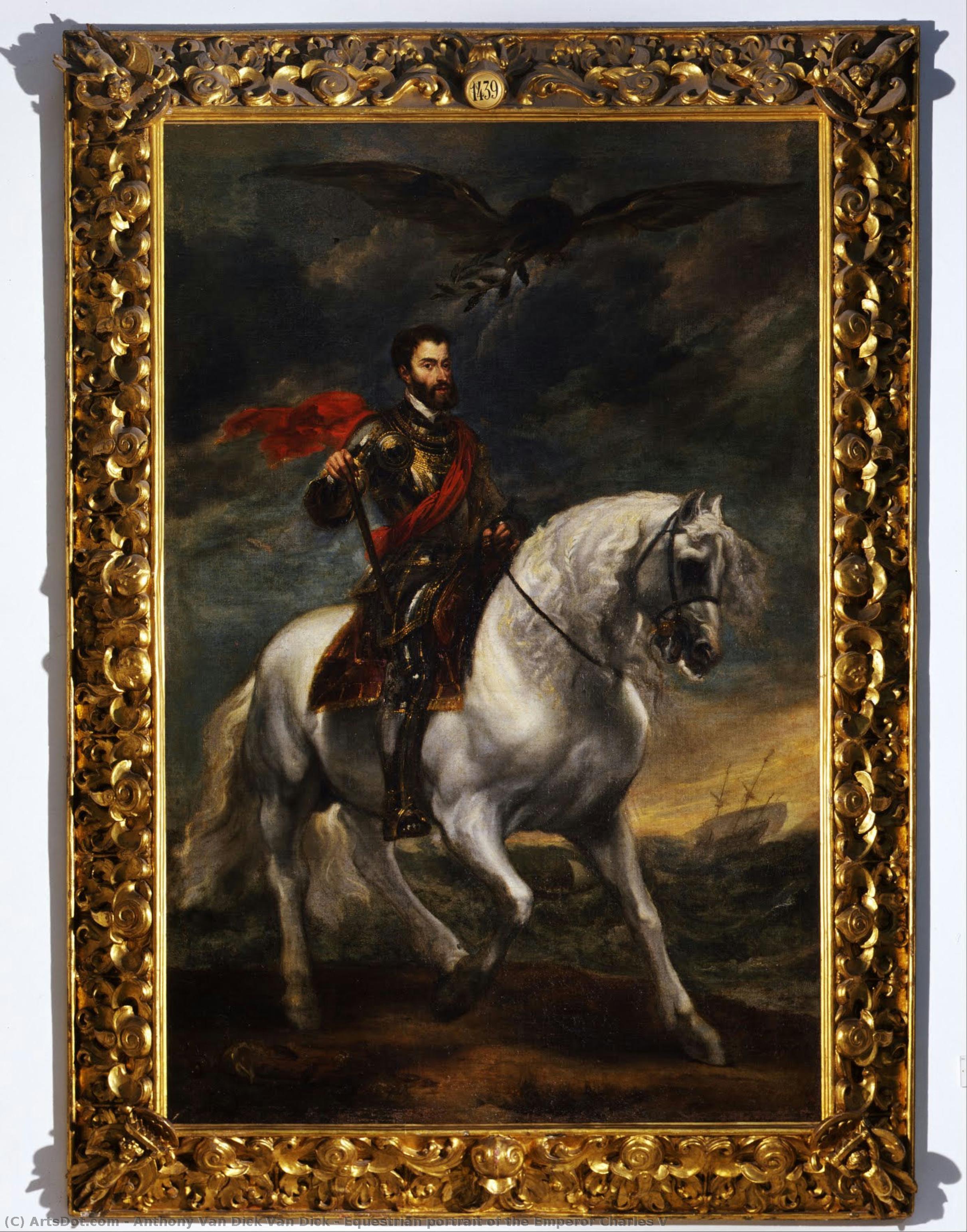
Equestrian portrait of the Emperor Charles V
 Giclée Print
- Digital
- Baroque
 1620
1620 123.0 x 191.0 cm
 Galleria degli Uffizi
 Weiterlesen
Erwerben Sie ein hochauflösendes, optimiertes digitales Bild, das der Online-Vorschau weit überlegen ist.
Jede Datei wird von unseren hauseigenen Spezialisten mit modernsten Werkzeugen und fachmännischer manueller Retusche sorgfältig vorbereitet. Wir stellen sicher, dass jedes Bild eine außergewöhnliche Klarheit, präzise Farbgenauigkeit und feinste Details aufweist.
Die endgültige Datei wird innerhalb von 72 Stunden per E-Mail zugestellt und ist für den sofortigen Einsatz in professionellen, redaktionellen und Druckumgebungen optimiert. Es handelt sich um dieselbe Qualität, der führende Designstudios, Verlage und Galerien vertrauen.
Digitales Bild
Laden Sie eine hochauflösende Datei für die persönliche Präsentation, den Druck und kreative Projekte herunter. ( Druck bestellen Handgemalte Reproduktion bestellen)
In jeder Bestellung digitaler Bilder enthalten
Professionelle digitale Bereitstellung, garantiert
Wenn Sie sich für ArtsDot.com entscheiden, erhalten Sie nicht nur ein Bild – Sie erhalten ein professionell aufbereitetes digitales Kunstwerk, das mit höchster Präzision erstellt und durch eine Zufriedenheitsgarantie abgesichert wird. Hier ist alles, was automatisch mit Ihrer Bestellung geliefert wird:

Schnelle E-Mail-Zustellung
Ihre hochauflösende digitale Bilddatei wird Ihnen innerhalb von 72 Stunden nach der Bestellung per E-Mail zugestellt – bereit zur sofortigen Verwendung.

KI-optimierte digitale Datei
Ihre Kunstwerke werden professionell mithilfe fortschrittlicher KI-Tools und manueller Bearbeitung optimiert, um maximale Detailtreue, Klarheit und Farbgenauigkeit zu gewährleisten.

Lebenslanger kostenloser Neudruckservice
Datei versehentlich gelöscht oder verloren? Keine Sorge – wir senden sie Ihnen jederzeit kostenlos erneut zu.

Keine Einfuhrgebühren – jemals
Genießen Sie Ihr Kunstwerk sofort ohne Zollgebühren, Einfuhrabgaben oder Versandkosten – digitale Downloads sind immer steuerfrei.

Garantierte Farbtreue
Wir garantieren, dass Ihr digitales Bild mithilfe professioneller Werkzeuge und Farbmanagement die Originalfarben so präzise wie möglich wiedergibt.

60-Tage-Zufriedenheitsgarantie
Sollten Sie mit Ihrem digitalen Bild nicht zufrieden sein, werden wir es überarbeiten oder Ihnen innerhalb von 60 Tagen 100% erstatten – ohne Wenn und Aber.

100% Geld-zurück-Garantie
Nicht zufrieden? Erhalten Sie innerhalb von 60 Tagen nach Erhalt Ihrer digitalen Datei eine vollständige Rückerstattung – ohne Angabe von Gründen.

Rabatte bei Großbestellungen
3 Bilder kaufen, 10% sparen – 5 Bilder kaufen, 15% sparen – Ab 10 Bildern 20% sparen. Ideal für kreative Projekte, Galerien und Agenturen.
Details zum Sammlerstück
A Regal Vision: Unveiling Anthony van Dyck’s Equestrian Portrait of Charles V
The year is 1620. The setting, a meticulously rendered landscape hinting at the vastness of the English kingdom – and beyond. Before us stands an arresting image: Anthony van Dyck's ‘Equestrian Portrait of the Emperor Charles V,’ a painting that transcends mere portraiture to become a potent symbol of power, authority, and the enduring legacy of the Habsburg dynasty. Initially attributed to Rubens, this masterpiece now firmly resides within the Uffizi collection in Florence, offering a rare glimpse into the artistic sensibilities of one of Europe’s most celebrated Baroque painters.
Van Dyck, born in Antwerp in 1599, possessed an extraordinary ability to capture not just likeness but also character and emotion. His early training under Hendrick van Balen laid the foundation for his later mastery, yet it was his encounter with Peter Paul Rubens that truly shaped his artistic trajectory. This influence is readily apparent in the painting’s dynamic composition, rich color palette, and masterful use of light – elements characteristic of both artists. However, Van Dyck swiftly established a distinct style, one defined by an unparalleled elegance and a remarkable sensitivity to detail, particularly when depicting human figures.
The Anatomy of Power: Composition and Technique
The painting’s composition is immediately striking. Charles V, clad in gleaming armor that reflects the light with dazzling intensity, dominates the scene. He sits atop a magnificent white horse, its musculature rendered with breathtaking realism – a testament to Van Dyck's meticulous observation of nature. The horse isn’t merely a mount; it’s an extension of the Emperor’s power, embodying strength and control. Notice how the horse’s stance is deliberately restrained, mirroring the controlled demeanor of the rider. A servant dutifully presents him with a helmet, completing the image of a sovereign ready to command.
Van Dyck's technique is equally impressive. He employs a loose, almost impressionistic brushstroke – a departure from the more rigid conventions of earlier portraiture – creating a sense of movement and vitality. The layering of colors, particularly in the armor and the horse’s coat, demonstrates his mastery of chiaroscuro, the dramatic use of light and shadow to create depth and volume. The subtle gradations of tone contribute significantly to the painting's overall atmosphere of grandeur and majesty.
Symbolism and Historical Context
Beyond its aesthetic qualities, ‘Equestrian Portrait of Charles V’ is laden with symbolism. The red flag held aloft by the servant signifies victory – a reference to Charles’s triumph at the Battle of Mühlberg in 1547. The Latin inscription on the tablet further reinforces this message, proclaiming “Charles I, King of Great Britain.” This portrait wasn't simply a likeness; it was a carefully constructed statement about imperial authority and the burgeoning power of England.
Interestingly, the painting’s origins are somewhat shrouded in mystery. Initially attributed to Rubens, its attribution to Van Dyck gained traction in the 18th century. The work's relatively mediocre state of conservation – a slight weakness in the painting’s execution – has been speculated upon as potentially stemming from the lack of a live model during its creation, or perhaps simply reflecting the challenges inherent in capturing such a dynamic subject on canvas at that early stage of artistic production. It was likely commissioned for a descendant of the emperor, solidifying its place within the Medici family's esteemed collection.
A Legacy of Elegance: Van Dyck’s Enduring Influence
‘Equestrian Portrait of the Emperor Charles V’ stands as a pivotal work in the history of portraiture. Van Dyck’s innovative approach, characterized by its effortless elegance and psychological depth, profoundly influenced English portraitists for over a century. His ability to capture not just physical appearance but also the inner character of his subjects established a new standard for the genre, shaping the course of art for generations to come. The painting's enduring appeal lies in its masterful blend of technical skill, symbolic richness, and emotional resonance – a testament to Van Dyck’s genius as one of the greatest artists of the Baroque era.
Ähnliche Kunstwerke
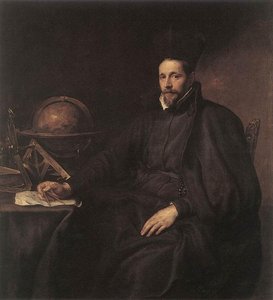
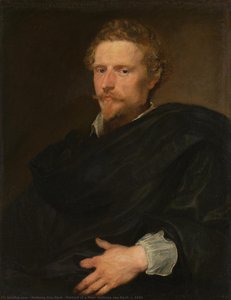
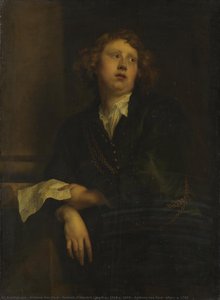
Biografie des Künstlers
**early life and training**
anthony van dyck, a prominent figure in the flemish baroque school, was born on march 22, 1599, in antwerp, belgium. his artistic talent emerged at an early age, leading him to study painting with hendrick van balen from 1609, and later becoming an independent painter around 1615.**influences and notable works**
van dyck's work was heavily influenced by peter paul rubens, a renowned artist of the time. this is evident in his numerous portraits of english nobility and royalty, including king charles i and his family. one of his most notable works is the 'equestrian portrait of the emperor charles v', painted in 1620.**artistic style and legacy**
van dyck's portraits are characterized by an effortless elegance, which significantly influenced english portraitists for over a century. his mastery of light and shadow, as seen in his works, showcases his exceptional skill as a painter. apart from portraits, van dyck also created religious and mythological subjects, demonstrating his versatility.**museums featuring van dyck's works**
- musée des beaux-arts tournai, belgium - features an impressive collection of artworks, including those by van dyck.
- musées royaux des beaux-arts, brussels, belgium - houses over 20,000 drawings, sculptures, and paintings, covering a period from the early 15th century to the present.
- rockox house, antwerp, belgium - a museum showcasing the life and art collection of nicolaas rockox, featuring works by van dyck among others.
**view van dyck's artworks on ArtsDot.com**
- discover anthony van dyck's artworks on ArtsDot.com
- explore the masterpieces of musée des beaux-arts tournai, featuring van dyck's works
- learn about the masterpieces of musées royaux des beaux-arts, including van dyck's portraits
**van dyck's enduring legacy**
anthony van dyck's influence on english portraitists is undeniable, with his elegant and effortless style continuing to inspire artists. his works, featured in various museums across belgium, are a testament to his enduring legacy in the world of art.**references**
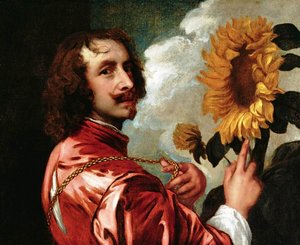
Anthony Van Dyck
1599 - 1641 , Belgien
Kurzinfos
- Artistic Movement Or Style: Barock, Tenebrismus
- Artists Or Movements Influenced By This Artist:
- Realismus
- Impressionismus
- Artists Who Influenced This Artist:
- Caravaggio
- Venezianische Malerei
- Date Of Birth: 6. Juni 1599
- Date Of Death: 6. August 1660
- Full Name: Diego Rodríguez de Silva y Velázquez
- Nationality: Spanisch
- Notable Artworks:
- Las Meninas
- Philipp IV. (1605–1665)
- Die Toilette der Venus
- Place Of Birth: Sevilla, Spanien

