

 Vorschau anzeigen
 Versenden
 Teilen
 Details anzeigen

 Herunterladen
 Ähnliche Objekte
 Röntgenaufnahme
 Diashow
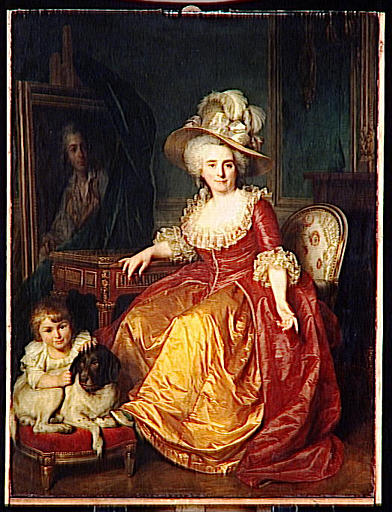
MADAME VESTIER


 Weiterlesen
Handgefertigte Ölreproduktion
Handgemaltes Ölgemälde auf Leinwand in Ihrer Wunschgröße und mit Rahmen, auf Bestellung von unseren Künstlern angefertigt. ( Druck bestellen Bild kaufen)




P118B $10

P118H $10

P118W $10

P438Z $10

P508JH $12

P508YH $12

P805H $10

P805Z $10

P919BZ $10

P919G $10

P919XJ $10

P959ZH $10

P968JZ $12

W106C $8

W218G $10

W218JH $8

W218Y $10

W307PJ $10

W316G $10

W316PJ $8

W316Y $10

W398PJ $8

W4111J $10

W500HY $15

W500JH $15

W692G $12

W849H $8

W940BG $15

W953PJ $8




Wählen Sie aus unseren vordefinierten Formaten, die den ursprünglichen Proportionen des Kunstwerks entsprechen.

Sie können Ihre eigenen Maße eingeben, um einen bestimmten Rahmen oder Platz auszufüllen. Wenn die gewählte Größe nicht den Proportionen des Originalbildes entspricht, werden wir das Kunstwerk entweder beschneiden oder das Gemälde durch zusätzliche, handgemalte Elemente erweitern. Ein digitales Mockup wird Ihnen zur Genehmigung zugesandt, bevor die Produktion beginnt.
Bitte beachten Sie, dass die Bildschirmvorschau nicht die tatsächliche Beschneidung oder Erweiterung widerspiegelt. Nur das Mockup zeigt die endgültige Komposition exakt an.
Obwohl Sondermaße verfügbar sind, empfehlen wir, eine Größe aus der vordefinierten Liste zu wählen, um die ursprünglichen Proportionen beizubehalten.
Nach der Bestellung wird das ArtsDot.com-Team dem Kunden Anweisungen per E-Mail zusenden und eine Mockup-Vorschau bereitstellen.
Weltweiter Versand () in nur 3 bis 4 Wochen statt der üblichen 5 Wochen. (27 August). Keine Kompromisse bei der Qualität.

Kostenloser weltweiter Expressversand

Hochwertige Leinenleinwand

Umfassender Versicherungsschutz beim Versand

Zollgebühren-Rückerstattungsgarantie

Garantie für exakte Farbtreue

60 Tage Rückgaberecht (nur bei Mängeln)

100% Geld-zurück-Garantie

Mengenrabatt verfügbar
 Die Glasoption ist nur für Größen unter 110 cm verfügbar.

MADAME VESTIER
Art der Reproduktion
Format der Reproduktion
-


Gesamtpreis
$ 313
Beschreibung des Kunstwerks
The Opulence of an Eighteenth-Century Salon
To gaze upon this portrait of Madame Vestier is to step directly into the gilded drawing rooms of eighteenth-century Parisian society. The air seems thick with the scent of expensive perfumes and polished wood, a palpable sense of refined leisure captured forever in oil paint. The composition centers on an elderly woman whose very bearing speaks of considerable means and enduring social grace. She is enveloped in an attire that screams Baroque extravagance—a gown of deep red velvet, trimmed with intricate lace, suggesting both the wearer's status and the era's love for dramatic materiality. Every fold of fabric, every gleam of gold thread, has been rendered with a meticulous devotion that speaks to the highest levels of artistic craftsmanship.
Mastery in Technique and Light
The technical brilliance evident here is breathtaking. The artist employed a masterful understanding of directional light, which seems to stream from an unseen source above and to the left. This illumination does not merely brighten; it sculpts. It catches the sheen on Madame Vestier's skin, highlights the delicate plumes adorning her large white hat, and creates deep, dramatic shadows that lend incredible depth to the scene. The contrast between the smooth texture suggested on the flesh and the slightly rougher suggestion of the background wall is a testament to the painter’s skill in differentiating materials through paint alone. One can almost feel the weight of the velvet beneath one's fingertips.
Symbolism of Status and Domestic Life
Beyond the sheer beauty, the painting functions as a rich tapestry of social symbolism. The presence of the young boy beside her, perhaps a companion or heir, alongside the placid dog, grounds the portrait in a sphere of domestic tranquility, albeit one built upon considerable wealth. The objects surrounding them—the small table with its decorative item, the partially visible portrait hanging on the wall—are not mere filler; they are signifiers. They speak to lineage, taste, and the carefully curated performance of high society life during an age when appearance was paramount. It is a celebration, perhaps even a quiet testament, to enduring social standing.
A Legacy of Parisian Portraiture
The style echoes the grand traditions of French portraiture from the era of Antoine Vestier himself, whose own work captured the very essence of Enlightenment refinement. While the subject matter grounds us in a specific moment of opulent repose, the execution channels that historical grandeur. For the collector or designer, this piece offers more than just decoration; it offers an atmosphere. Reproducing such a work allows one to infuse a space with the gravitas and warm, luxurious glow of a bygone era—a permanent echo of Parisian elegance.
Ähnliche Kunstwerke





Über den Künstler
Antoine Vestier (1740 – 1824): The Elegance of Parisian Portraiture
Antoine Vestier, born in Avallon, Burgundy, in 1740, stands as a pivotal figure in the history of French miniature painting and portraiture during the Enlightenment. His artistic journey began under the tutelage of Jean-Baptiste Pierre, establishing him within a prestigious atelier that nurtured talent and fostered connections with influential patrons. Vestier’s dedication to capturing refined beauty and conveying psychological depth cemented his reputation as one of the era's foremost artists.- Early Training & Influences: Vestier’s formative years instilled in him a meticulous approach to observation and an appreciation for classical ideals – principles that would profoundly shape his artistic vision. The atelier of Jean-Baptiste Pierre emphasized anatomical accuracy and tonal subtlety, equipping Vestier with the foundational skills necessary for mastering the miniature medium.
- Salon Recognition & Academic Appointment: Vestier’s debut at the Salon de la Correspondance in Paris garnered considerable acclaim, showcasing his talent to a discerning public. This success propelled him toward an invitation into the Académie royale de peinture et de sculpture in 1785, where he presented “Ascension” – a monumental altarpiece depicting Saint Michael triumphantly carrying Christ aloft—a testament to his ambition and artistic prowess.
- Notable Commissions & Patronage: Vestier’s career flourished thanks to generous patronage from aristocratic families and influential figures like Jean Henri Riesener, the royal cabinet-maker. Riesener commissioned Vestier to portray himself and his family, resulting in portraits that exemplify Vestier's ability to capture character and convey emotion with remarkable sensitivity.
- Family Legacy & Artistic Transmission: Vestier’s artistic influence extended beyond his own work; he instilled a passion for painting within his son, Marie-Nicole Vestier, who would become a celebrated miniaturist herself—a continuation of Vestier's artistic lineage and a symbol of the enduring legacy of his teachings.
- Historical Significance & Artistic Style: Vestier’s portraits are characterized by their understated elegance, meticulous detail, and masterful use of tonal gradation – techniques that align with the prevailing aesthetic sensibilities of the late 18th century. His canvases offer invaluable insights into Parisian society during a period marked by intellectual ferment and artistic innovation, securing his place as an icon of classical realism and a cornerstone of French art history.
Key Works & Artistic Achievements
Vestier’s oeuvre comprises numerous portraits that exemplify the highest standards of miniature painting. Among his most celebrated creations are depictions of prominent figures such as Gabriel François Doyen, Jean Henri Riesener and Madame Louise Elisabeth Vigée Le Brun. His meticulous attention to anatomical accuracy combined with subtle psychological portrayal distinguishes him from many of his contemporaries. The Salon de la Correspondance recognized his talent and the Académie royale acknowledged his artistic merit.Influence & Artistic Legacy
Vestier’s influence resonated throughout the French art world, shaping the stylistic preferences of subsequent generations of miniaturists. His commitment to classical realism—characterized by precise observation and tonal harmony—served as a model for artists striving to capture the essence of human experience with grace and sophistication. Vestier's legacy continues to inspire admiration for his artistic skill and his contribution to the preservation of French cultural heritage.
antoine vestier avallon paris
1740 - 1824
Kurzinfos
- Artistic Movement Or Style: Classical Portraiture
- Artists Or Movements Influenced By This Artist: ['Romanticism']
- Artists Who Influenced This Artist: ['Jean-Baptiste Pierre']
- Date Of Birth: 1740
- Full Name: Antoine Vestier
- Nationality: French
- Notable Artworks:
- Madame D'Estrades
- Portrait of Gabriel François Doyen
- Place Of Birth: Avallon, Burgundy
Ähnliche Artikel
From Grandeur to Grace: Exploring the Evolution of Baroque & Rococo Art
Explore the captivating evolution from Baroque's drama to Rococo's grace! Discover key artists, characteristics & lasting influence of these art movements with expert insights at ArtsDot.

Öl auf Leinwand: Eine historische und technische Erkundung eines zeitlosen künstlerischen Mediums
Entdecken Sie die faszinierende Welt der Ölmalerei! Von historischen Techniken bis zur modernen Anwendung – wir bieten Expertenwissen, Restaurierungstipps und hochwertige Reproduktionen. Jetzt informieren!

The Rococo Aesthetic: Opulence, Rebellion & the Pursuit of Pleasure in 18th-Century Art
Explore the opulent world of Rococo art! Discover its origins, key artists like Watteau & Boucher, and lasting influence on design. Expert insights for collectors & enthusiasts.

The Enduring Legacy of Oil on Canvas: Technique, History & Aesthetic Impact
Explore the rich history & techniques of oil painting – from Renaissance masters to Impressionism. Discover pigments, layering methods, and why this timeless medium endures. Expert insights for artists & art enthusiasts.

Rococo Meisterwerke: Die Top 10, die eine Epoche prägten |
Entdecken Sie die Top 10 Rokoko Meisterwerke von Watteau, Boucher & Fragonard! Erfahren Sie die Geschichten hinter diesen ikonischen Gemälden und lassen Sie sich für Ihre Inneneinrichtung inspirieren. Hochwertige Kunstdrucke auf .

