 Vorschau anzeigen
 Versenden
 Teilen
 Details anzeigen

 Herunterladen
 Ähnliche Objekte
 Röntgenaufnahme
 Diashow
 Statistiken
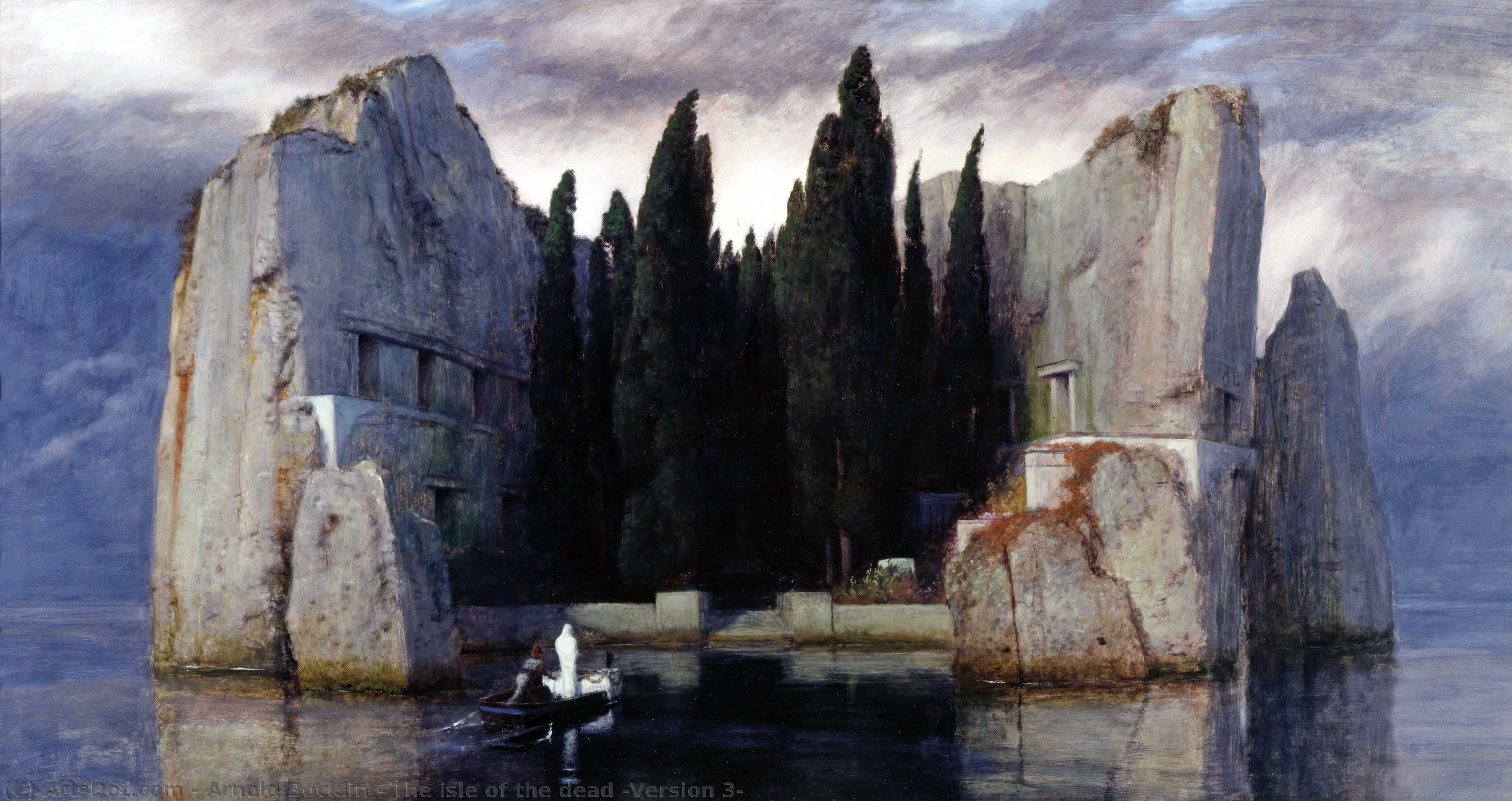
The isle of the dead (Version 3)
 Oil On Panel
- WallArt
- Symbolist Movement
 1883
1883- 19th Century
 80.0 x 150.0 cm
 Alte Nationalgalerie
 Weiterlesen
Giclée / Kunstdruck
Giclée- oder Leinwanddruck in Museumsqualität mit schneller Produktion und flexiblen Veredelungsoptionen. ( Handgemalte Reproduktion bestellen Zum digitalen Bild wechseln)




P118B $10

P118H $10

P118W $10

P438Z $10

P508JH $12

P508YH $12

P805H $10

P805Z $10

P919BZ $10

P919G $10

P919XJ $10

P959ZH $10

P968JZ $12

W106C $8

W218G $10

W218JH $8

W218Y $10

W307PJ $10

W316G $10

W316PJ $8

W316Y $10

W398PJ $8

W4111J $10

W500HY $15

W500JH $15

W692G $12

W849H $8

W940BG $15

W953PJ $8




Wählen Sie aus unseren vordefinierten Formaten, die den ursprünglichen Proportionen des Kunstwerks entsprechen.

Sie können Ihre eigenen Maße eingeben, um ein bestimmtes Format oder einen speziellen Platz einzupassen. Wenn das von Ihnen gewählte Format nicht den Proportionen des Originalbildes entspricht, werden wir das Kunstwerk entweder beschneiden oder das Bild mit einem gespiegelten oder einfarbigen Rand erweitern. Ein digitaler Entwurf wird Ihnen zur Genehmigung zugesandt, bevor die Produktion beginnt.
Bitte beachten Sie, dass die Vorschau auf dem Bildschirm nicht den tatsächlichen Zuschnitt oder die Erweiterung widerspiegelt. Nur der Entwurf zeigt die endgültige Komposition präzise an.
Obwohl Sondermaße verfügbar sind, empfehlen wir die Auswahl eines Maßes aus der vordefinierten Liste, um die ursprünglichen Proportionen zu bewahren.
Weltweiter Versand () innerhalb von 2 Wochen statt der üblichen 4/5 Wochen. (8 September)

Kostenloser weltweiter Expressversand

Hochwertige Leinenleinwand

Umfassender Versicherungsschutz beim Versand

Zollgebühren-Rückerstattungsgarantie

Garantie für exakte Farbtreue

100-Tage-Rückgaberecht (nur bei Mängeln)

100% Geld-zurück-Garantie

Mengenrabatt verfügbar
 Die Glasoption ist nur für Größen unter 110 cm verfügbar.

The isle of the dead (Version 3)
Giclée / Kunstdruck
Format der Reproduktion
-


Gesamtpreis
$ 62
A Journey into the Silent Realm
In the quietude of the late nineteenth century, few images captured the collective psyche of Europe as profoundly as Arnold Böcklin’s The Isle of the Dead. This particular version, a haunting masterpiece from 1883, serves as more than a mere landscape; it is a portal into the subconscious. As the viewer's eye meets the dark, mirror-like waters, there is an immediate sense of profound stillness, a hush that commands reverence. The composition centers on a desolate, rocky island, rising abruptly from the depths like a monument to the forgotten. Towering cypress trees, draped in shadows, stand as sentinels over a landscape where time seems to have ceased its forward march. This is not a place of movement, but of eternal repose, inviting anyone who gazes upon it to confront the beautiful, unsettling mystery of what lies beyond the veil of life.
The technical mastery displayed in this oil on panel work is nothing short of hypnotic. Böcklin utilizes chiaroscuro with surgical precision, orchestrating a dramatic interplay between light and shadow that breathes life into the inanimate stone and foliage. The palette is a sophisticated arrangement of somber earth tones—deep mossy greens, slate greys, and midnight blues—which are punctuated by the stark, ghostly white of the linen-draped coffin. This contrast does not merely provide visual interest; it directs the emotional narrative, drawing the eye toward the small boat that approaches the shore. The texture of the paint captures the heavy, humid atmosphere of a twilight world, making the stillness feel almost tactile, as if one could reach out and touch the cool mist clinging to the cliffs.
Symbolism and the Language of the Soul
To understand this work is to decode a visual language steeped in Symbolist tradition. Every element within the frame serves an allegorical purpose, transcending literal representation to evoke deeper spiritual truths. The cypress trees, traditionally associated with mourning and the transition from life to death, anchor the composition in a funerary context. Meanwhile, the classical architecture nestled among the rocks—a silent temple or mausoleum—suggests a civilization long passed, adding a layer of historical melancholy to the scene. The solitary figure in the boat, accompanied by the shrouded coffin, embodies the ultimate human journey: the transition from the temporal world to the eternal. For the collector or enthusiast, these layers of meaning offer an inexhaustible depth of contemplation, making the piece a focal point for intellectual and emotional engagement.
For those looking to integrate such a profound work into a curated space, The Isle of the Dead offers an unparalleled atmospheric presence. In an interior setting, this reproduction acts as a window into another dimension, providing a sense of depth and contemplative gravity. It is particularly suited for spaces designed for reflection—libraries, studies, or quiet sitting rooms—where its moody elegance can harmonize with dark woods and rich textures. Owning a piece of such historical significance allows one to host a conversation between the modern world and the haunting beauty of the Symbolist era, bringing a touch of the sublime into the heart of the home.
Ähnliche Kunstwerke
Über den Künstler
Frühe Jahre und Ausbildung
Arnold Böcklin, ein Schweizer Symbolistischer Maler, wurde am 16. Oktober 1827 in Basel geboren. Sein Vater, Christian Frederick Böcklin, stammte von einer alten Familie aus Schaffhausen und war im Seidenhandel tätig. Arnolds Mutter, Ursula Lippe, war ebenfalls eine Bürgerin derselben Stadt. Er studierte an der Akademie Düsseldorf unter Schirmer und freundete sich mit Anselm Feuerbach an. Böcklin wird der Düsseldorfer Malerschule zugerechnet.Künstlerische Laufbahn und Symbolismus
Böcklins künstlerischer Weg führte ihn durch verschiedene Städte, darunter Paris, wo er im Louvre arbeitete, und Rom, wo er von den dortigen Sehenswürdigkeiten beeinflusst wurde. Seine Werke zeigten oft allegorische und mythologische Figuren in Umgebungen mit klassischer Architektur und erkundeten Themen wie Tod und Sterblichkeit.- Großer Park, eines seiner frühesten Werke, stellte die antike Mythologie dar.
- Nymphe und Satyr (1858) und Sappho (1859) waren bemerkenswerte Arbeiten aus dieser Zeit.
- Böcklins Selbstbildnis mit dem Tod, der eine Geige spielt (1872), verdeutlichte seinen einzigartigen Stil.
Entwicklung und Einfluss
Böcklin entwickelte einen unverwechselbaren Stil, der sich durch düstere Landschaften, melancholische Stimmungen und die Darstellung von mythologischen Motiven auszeichnete. Er war ein wichtiger Vertreter des Symbolismus in der Kunst. Sein Werk beeinflusste jüngere Künstler wie Hans Thoma und inspirierte mehrere spätromantische Komponisten. Clement Greenberg beschrieb Böcklins Arbeit als „eine der vollkommensten Ausdrucksformen ihrer Zeit“. Böcklins Stil überschnitt sich mit den Präraffaeliten, wobei er die Welt der Träume und Mystik betonte.Hauptwerke und Vermächtnis
Böcklin ist vor allem für seine fünf Versionen der Insel der Toten (1880-1886) bekannt, die den englischen Friedhof in Florenz widerspiegelten, wo seine Tochter begraben war. Diese Werke sind ikonische Beispiele des Symbolismus und verkörpern Themen von Tod, Vergänglichkeit und Melancholie. Die Insel der Toten wurde zu einem seiner berühmtesten und am häufigsten reproduzierten Bilder.Museen und Sammlungen
Böcklins Werk ist in verschiedenen Museen zu finden, darunter:- Öffentliche Kunstsammlung (Basel, Schweiz)
- Kunstmuseum Basel (Schweiz)
- Museum Kunsthaus Zürich (Zürich, Schweiz)
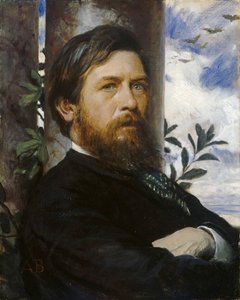
Arnold Böcklin
1827 - 1901 , Schweiz
Kurzinfos
- Bemerkenswerte Werke:
- Großer Park
- Nymphe und Satyr
- Sappho
- Insel der Toten
- Geburtsdatum: 16. Oktober 1827
- Geburtsort (Stadt, Land): Basel, Schweiz
- Künstler Oder Bewegungen, Die Von Diesem Künstler Beeinflusst Wurden: ['Hans Thoma']
- Künstler, Die Diesen Künstler Beeinflussten: ['Anselm Feuerbach']
- Künstlerische Bewegung/Stil: Symbolismus
- Nationalität: Schweizerisch
- Sterbedatum: 16. Januar 1901
- Vollständiger Name: Arnold Böcklin
Ähnliche Artikel
Oil on Board: A Historical Survey of Technique, Aesthetic Qualities & Enduring Appeal
Explore the rich history of oil on board painting! Discover techniques, aesthetic qualities & enduring appeal from early masters to modern practice. Expert insights for collectors and art enthusiasts.

Das bleibende Erbe der Ölmalerei: Technik, Geschichte und zeitgenössische Praxis
Entdecken Sie die faszinierende Geschichte der Ölmalerei – von den frühen Techniken bis zur modernen Kunst. Expertenwissen, detaillierte Analysen und Inspiration für Sammler & Kunstliebhaber.

The Enduring Power of Painting: A Historical & Contemporary Exploration of Form and Emotion
Explore the rich history & enduring techniques of oil painting with ArtsDot. Discover masterpieces, learn about art collecting, and find authentic handmade reproductions crafted by skilled artists.

Öl auf Leinwand: Eine historische und technische Erkundung eines zeitlosen künstlerischen Mediums
Entdecken Sie die faszinierende Welt der Ölmalerei! Von historischen Techniken bis zur modernen Anwendung – wir bieten Expertenwissen, Restaurierungstipps und hochwertige Reproduktionen. Jetzt informieren!

The Enduring Legacy of Oil on Canvas: Technique, History & Aesthetic Impact
Explore the rich history & techniques of oil painting – from Renaissance masters to Impressionism. Discover pigments, layering methods, and why this timeless medium endures. Expert insights for artists & art enthusiasts.