 Vorschau anzeigen
 Versenden
 Teilen
 Details anzeigen

 Herunterladen
 Ähnliche Objekte
 Röntgenaufnahme
 Diashow
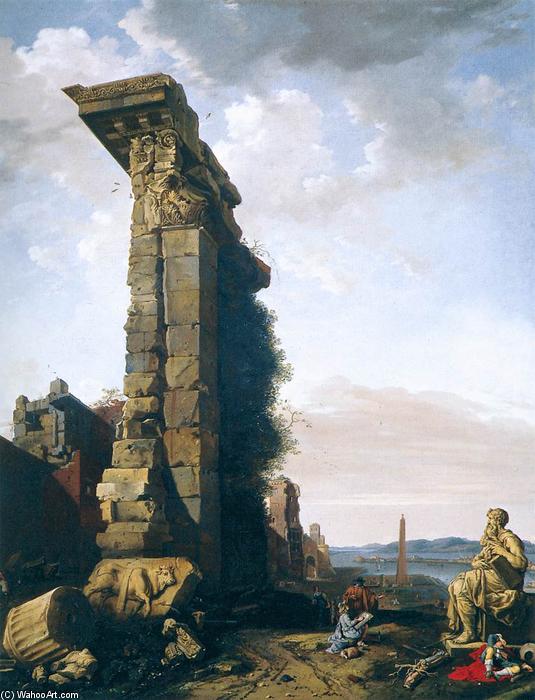
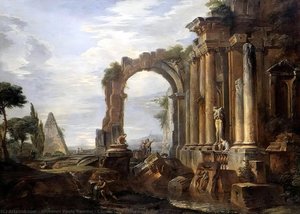
Idealised View with Roman Ruins, Sculptures, and a Port
 Acrylic On Canvas
- WallArt
- Italianate Landscape
 1650
1650 116.0 x 89.0 cm
 Museo Thyssen-Bornemisza
 Weiterlesen
Handgefertigte Ölreproduktion
Handgemaltes Ölgemälde auf Leinwand in Ihrer Wunschgröße und mit Rahmen, auf Bestellung von unseren Künstlern angefertigt. ( Druck bestellen Bild kaufen)




P118B $10

P118H $10

P118W $10

P438Z $10

P508JH $12

P508YH $12

P805H $10

P805Z $10

P919BZ $10

P919G $10

P919XJ $10

P959ZH $10

P968JZ $12

W106C $8

W218G $10

W218JH $8

W218Y $10

W307PJ $10

W316G $10

W316PJ $8

W316Y $10

W398PJ $8

W4111J $10

W500HY $15

W500JH $15

W692G $12

W849H $8

W940BG $15

W953PJ $8




Wählen Sie aus unseren vordefinierten Formaten, die den ursprünglichen Proportionen des Kunstwerks entsprechen.

Sie können Ihre eigenen Maße eingeben, um einen bestimmten Rahmen oder Platz auszufüllen. Wenn die gewählte Größe nicht den Proportionen des Originalbildes entspricht, werden wir das Kunstwerk entweder beschneiden oder das Gemälde durch zusätzliche, handgemalte Elemente erweitern. Ein digitales Mockup wird Ihnen zur Genehmigung zugesandt, bevor die Produktion beginnt.
Bitte beachten Sie, dass die Bildschirmvorschau nicht die tatsächliche Beschneidung oder Erweiterung widerspiegelt. Nur das Mockup zeigt die endgültige Komposition exakt an.
Obwohl Sondermaße verfügbar sind, empfehlen wir, eine Größe aus der vordefinierten Liste zu wählen, um die ursprünglichen Proportionen beizubehalten.
Nach der Bestellung wird das ArtsDot.com-Team dem Kunden Anweisungen per E-Mail zusenden und eine Mockup-Vorschau bereitstellen.
Weltweiter Versand () in nur 3 bis 4 Wochen statt der üblichen 5 Wochen. (21 August). Keine Kompromisse bei der Qualität.

Kostenloser weltweiter Expressversand

Hochwertige Leinenleinwand

Umfassender Versicherungsschutz beim Versand

Zollgebühren-Rückerstattungsgarantie

Garantie für exakte Farbtreue

60 Tage Rückgaberecht (nur bei Mängeln)

100% Geld-zurück-Garantie

Mengenrabatt verfügbar
 Die Glasoption ist nur für Größen unter 110 cm verfügbar.

Idealised View with Roman Ruins, Sculptures, and a Port
Art der Reproduktion
Format der Reproduktion
-


Gesamtpreis
$ 263
Beschreibung des Kunstwerks
A Window into the Golden Age: Bartholomeus Breenbergh’s ‘Idealised View with Roman Ruins, Sculptures, and a Port’
Bartholomeus Breenbergh's 1650 painting, “Idealised View with Roman Ruins, Sculptures, and a Port,” isn’t merely a depiction of a coastal scene; it’s a carefully constructed meditation on beauty, classical ideals, and the burgeoning spirit of the Dutch Golden Age. The canvas breathes with an almost palpable warmth, a testament to Breenbergh's mastery of light and color – a hallmark of his Italianate style, deeply influenced by the artists he encountered during his sojourn in Rome. The scene unfolds before us: a bustling harbor framed by imposing Roman ruins, their weathered stones hinting at centuries of history and grandeur. Figures populate the foreground, engaged in various activities—a group of men conversing near a stone structure, a boat navigating the waters, and a lone bird soaring overhead – each element contributing to a sense of lively interaction within this carefully orchestrated tableau.
The Italianate Echo: Style and Technique
Breenbergh’s artistic lineage is immediately apparent. He was profoundly shaped by the landscape painters who had flocked to Rome, particularly Paul Bril and Nicolas Poussin, both of whom championed a style that blended classical motifs with contemporary observation. This painting exemplifies this fusion perfectly. The composition is meticulously balanced, drawing the eye towards the central stone structure – likely a temple or civic building – while simultaneously offering a panoramic view of the harbor. The artist employs a technique reminiscent of Poussin’s, utilizing atmospheric perspective to create a sense of depth and distance. Notice how the colors become paler and less distinct as they recede into the background, lending an illusion of vastness to the scene. The brushwork is smooth and refined, indicative of Breenbergh's careful attention to detail and his desire to capture a luminous quality reminiscent of Italian light. The use of warm earth tones—ochres, siennas, and umbers—dominates the palette, creating an inviting and harmonious atmosphere.
Symbolism and Historical Context
More than just a picturesque landscape, “Idealised View with Roman Ruins” is steeped in symbolism. The ruins themselves represent the weight of history, the legacy of the classical world that continued to inspire artists and intellectuals during the Renaissance and Baroque periods. The inclusion of figures engaged in everyday activities—trading, boating, socializing—reflects the prosperity and dynamism of the Dutch Republic at the time. This was a period of unprecedented economic growth fueled by maritime trade, and Breenbergh’s painting serves as a visual celebration of this success. The presence of the bird adds an element of freedom and aspiration, while the calm waters suggest stability and security. The painting was created during a pivotal moment in Dutch history – a time of expanding influence and artistic innovation—and it reflects the nation's embrace of classical ideals alongside its own unique identity.
Emotional Resonance: A Vision of Harmony
Looking at “Idealised View with Roman Ruins, Sculptures, and a Port,” one is struck by a profound sense of tranquility and order. The painting doesn’t depict drama or conflict; instead, it offers a vision of harmonious coexistence between humanity and nature, between the past and the present. The carefully arranged composition, the luminous colors, and the subtle details all contribute to this feeling of serenity. It's as if Breenbergh is inviting us to step into a timeless world where beauty, wisdom, and prosperity converge. The painting’s enduring appeal lies in its ability to evoke a sense of nostalgia for a bygone era while simultaneously celebrating the vibrant spirit of the Dutch Golden Age. Reproductions capture this essence beautifully, offering a window into a remarkable artistic achievement.
Ähnliche Kunstwerke


Über den Künstler
Frühes Leben und Ausbildung
- Name: Bartholomeus Breenbergh
- Geboren: Vor dem 13. November 1598 in Deventer, Niederlande
- Gestorben: Nach dem 5. Oktober 1657 in Amsterdam, Niederlande
- Details zum frühen Leben sind spärlich. Die Familie zog nach Hoorn, nachdem sein Vater 1607 gestorben war.
- Er war zeitgenössisch mit Jacques Waben und erhielt wahrscheinlich eine frühe Ausbildung dort.
- Registrierte Lehrer umfassen Pieter Lastman und Jacob Symonsz Pynas.
Karriere: Rom und der italienische Stil
- Erstmals 1619 als Maler in Amsterdam registriert.
- 1619 reiste er nach Rom, wo er bis etwa 1630 lebte.
- Arbeitete mit dem flämischen Maler Frans van de Kasteele zusammen und wurde stark von Paul Bril beeinflusst.
- Entwickelte einen unverwechselbaren italienischen Landschaftsstil, der durch idealisierte Darstellungen der Campagna Romana (ländliche Region) gekennzeichnet ist.
- Beeinflusst von den Landschaften Cornelis van Poelenburghs; ihre Stile wurden manchmal schwer zu unterscheiden.
- Wurde zu einem der Gründer der Bentvueghels ("Malerzunft") in Rom und erhielt den Spitznamen "het fret" (das Ferkel).
Rückkehr nach Amsterdam und künstlerische Entwicklung
- Kehrte um 1630 nach Amsterdam zurück.
- Heiratete 1633 und erhielt ein jährliches Gehalt von König Karl I. von Großbritannien.
- Seine Arbeit begann, mythologische und biblische Figuren in italienischen Landschaften zu integrieren, beeinflusst von Künstlern wie Pieter Lastman.
- Entwickelte einen monumentaleren Stil mit ausdrucksstarken Figurentypen.
- Sein einziger registrierter Schüler war Jan de Bisschop, der in den 1640er Jahren bei ihm studierte.
Einflüsse und Vermächtnis
- Einflüsse: Pieter Lastman, Nicolaes Moeyaert, Paul Bril, Cornelis van Poelenburgh, Claude Lorrain.
- Einfluss auf Andere: Jan Linsen, Scipione Compagno, Laurens Barata, Charles Cornelisz. de Hooch, Pieter Anthonisz. van Groenewegen, Francois van Knibbergen und Catharina van Knibbergen.
- Breenbergh war eine Schlüsselfigur bei der Entwicklung des italienischen Landschaftsstils in den Niederlanden.
- Seine Arbeit trug dazu bei, Darstellungen klassischer Ruinen und idealisierter Landschaften unter nordeuropäischen Künstlern zu popularisieren.
- Er schloss die Lücke zwischen früheren niederländischen Meistern und späteren, raffinierteren Landschaftsmalern.
Historische Bedeutung
- Breenberghs Beitrag liegt in seiner Pionierrolle bei der Etablierung des italienischen Stils innerhalb der niederländischen Kunst.
- Seine Fähigkeit, Einflüsse verschiedener Künstler zu synthetisieren – Lastman, Moeyaert, Bril, Poelenburgh – schuf eine einzigartige und wiedererkennbare künstlerische Stimme.
- Er spielte einen bedeutenden Teil bei der Gestaltung der ästhetischen Vorlieben des Goldenen Zeitalters der Niederlande und inspirierte nachfolgende Generationen von Landschaftsmalern.
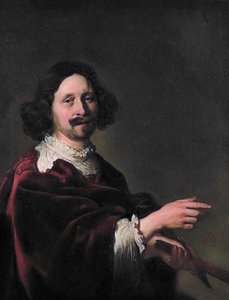
Bartholomeus Breenbergh
1598 - 1657 , Niederlande
Kurzinfos
- Beeinflusste Künstler: ['Claude Lorrain']
- Einflüsse:
- Paul Bril
- Cornelis van Poelenburgh
- Geburtsdatum: 1598-11-13
- Geburtsort: Deventer, Niederlande
- Künstlerischer Stil: Italienische Landschaftsmalerei
- Nationalität: Niederländisch
- Todestag: 1657-10-05
- Vollständiger Name: Bartholomeus Breenbergh
Ähnliche Artikel

Die 10 Meisterwerke des Goldenen Zeitalters der niederländischen Malerei |
Entdecken Sie die 10 Meisterwerke des Niederländischen Goldenen Zeitalters! Von Rembrandt bis Vermeer – erleben Sie Kunstgeschichte, Techniken & Emotionen. Hochwertige Gemäldereproduktionen für Ihr Zuhause auf .
Golden Light & Dutch Skies: Bringing the Magic of Dutch Golden Age Landscapes into Your Home
Transform your home with the breathtaking light of Dutch Golden Age landscapes. Discover how hand-painted oil reproductions of masterworks like Ruisdael and Vermeer bring timeless elegance, atmosphere, and soulful texture to modern interiors. Elevate your space with museum-quality art.
Nicolaes Berchem und das Goldene Zeitalter: Pastoralismus, Idealisierung & Künstlerische Innovation
Entdecken Sie die faszinierende Welt von Nicolaes Berchem und das Goldene Zeitalter der niederländischen Landschaftsmalerei. Expertenanalyse, Hintergrundinformationen & künstlerische Innovationen.
Charles Leickert: Capturing the Dutch Golden Age Light – A Comprehensive Study of Technique, Context, and Legacy
Explore the captivating winter landscapes of Charles Leickert, a master of Dutch Golden Age light & atmosphere. Discover his techniques, symbolism, and lasting legacy – a comprehensive study for art enthusiasts and collectors.

Golden Age Reflections: Dutch Baroque Painting & Cultural Innovation
Explore the Dutch Golden Age of painting! Discover key artists like Vermeer & ter Borch, their innovative techniques, and the rich cultural context behind these Baroque masterpieces. Learn about collecting & appreciating this iconic art period.