 Vorschau anzeigen
 Versenden
 Teilen
 Details anzeigen

 Herunterladen
 Ähnliche Objekte
 Röntgenaufnahme
 Diashow
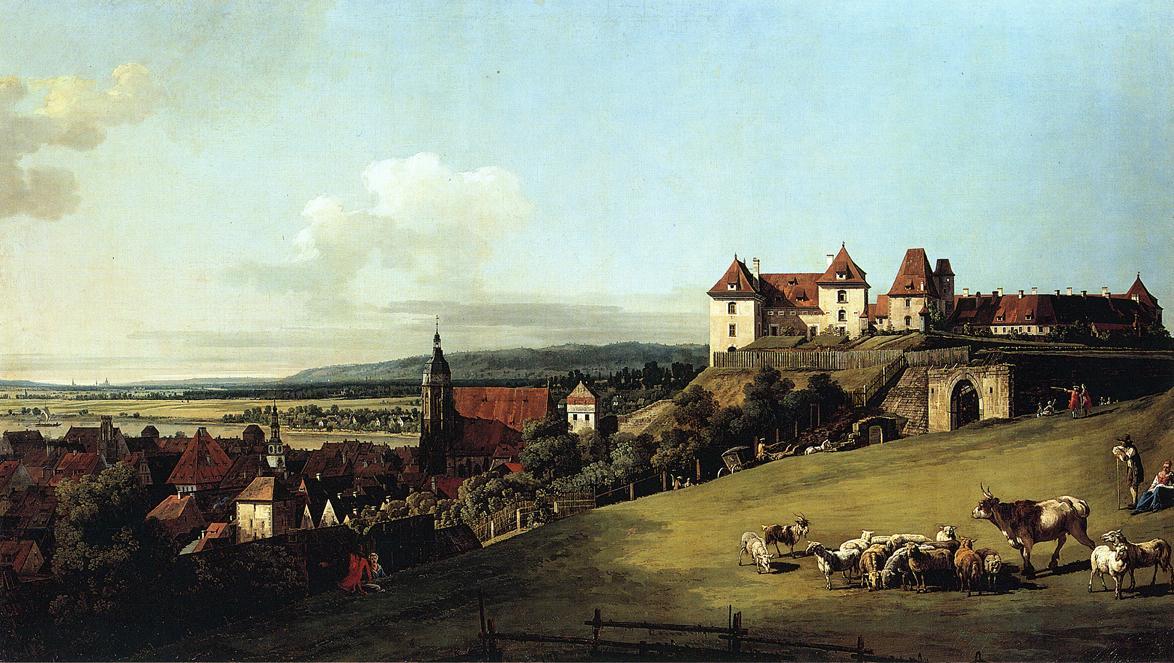
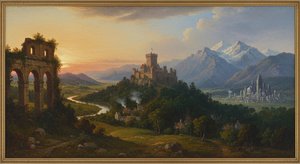
Fortress of Sonnenstein above Pirna
 Acrylic On Canvas
- WallArt
- Rococo/Neoclassicism
 1753
1753 132.0 x 235.0 cm
 Staatliche Kunstsammlungen Dresden
 Weiterlesen
Handgefertigte Ölreproduktion
Handgemaltes Ölgemälde auf Leinwand in Ihrer Wunschgröße und mit Rahmen, auf Bestellung von unseren Künstlern angefertigt. ( Druck bestellen Bild kaufen)




P118B $10

P118H $10

P118W $10

P438Z $10

P508JH $12

P508YH $12

P805H $10

P805Z $10

P919BZ $10

P919G $10

P919XJ $10

P959ZH $10

P968JZ $12

W106C $8

W218G $10

W218JH $8

W218Y $10

W307PJ $10

W316G $10

W316PJ $8

W316Y $10

W398PJ $8

W4111J $10

W500HY $15

W500JH $15

W692G $12

W849H $8

W940BG $15

W953PJ $8




Wählen Sie aus unseren vordefinierten Formaten, die den ursprünglichen Proportionen des Kunstwerks entsprechen.

Sie können Ihre eigenen Maße eingeben, um einen bestimmten Rahmen oder Platz auszufüllen. Wenn die gewählte Größe nicht den Proportionen des Originalbildes entspricht, werden wir das Kunstwerk entweder beschneiden oder das Gemälde durch zusätzliche, handgemalte Elemente erweitern. Ein digitales Mockup wird Ihnen zur Genehmigung zugesandt, bevor die Produktion beginnt.
Bitte beachten Sie, dass die Bildschirmvorschau nicht die tatsächliche Beschneidung oder Erweiterung widerspiegelt. Nur das Mockup zeigt die endgültige Komposition exakt an.
Obwohl Sondermaße verfügbar sind, empfehlen wir, eine Größe aus der vordefinierten Liste zu wählen, um die ursprünglichen Proportionen beizubehalten.
Nach der Bestellung wird das ArtsDot.com-Team dem Kunden Anweisungen per E-Mail zusenden und eine Mockup-Vorschau bereitstellen.
Weltweiter Versand () in nur 3 bis 4 Wochen statt der üblichen 5 Wochen. (24 August). Keine Kompromisse bei der Qualität.

Kostenloser weltweiter Expressversand

Hochwertige Leinenleinwand

Umfassender Versicherungsschutz beim Versand

Zollgebühren-Rückerstattungsgarantie

Garantie für exakte Farbtreue

60 Tage Rückgaberecht (nur bei Mängeln)

100% Geld-zurück-Garantie

Mengenrabatt verfügbar
 Die Glasoption ist nur für Größen unter 110 cm verfügbar.

Fortress of Sonnenstein above Pirna
Art der Reproduktion
Format der Reproduktion
-


Gesamtpreis
$ 263
Beschreibung des Kunstwerks
A Window into a Prussian Past: The Fortress of Sonnenstein
Bernardo Bellotto’s “Fortress of Sonnenstein Above Pirna,” painted in 1753, isn't merely a depiction of a fortified town; it’s a meticulously rendered snapshot of a specific moment in time – the cusp of the mid-18th century. The painting captures not just the physical structure of Sonnenstein Castle and the surrounding town of Pirna nestled within the Ore Mountains of Saxony, but also the atmosphere of a bustling community, a vibrant microcosm reflecting the social and political realities of Prussia under Frederick II. Bellotto’s genius lies in his ability to transform topographical detail into a compelling narrative, inviting the viewer to step back centuries and experience this scene as if they were present.
Bellotto was a master of the “veduta,” an Italian term for cityscape painting that gained immense popularity across Europe. Unlike simple landscape views, vedute sought to capture the essence of urban life – its architecture, its people, its energy. Bellotto’s style is characterized by a remarkable precision and a cool, almost detached observation. He eschewed dramatic lighting or exaggerated emotions in favor of a balanced composition and an acute awareness of perspective. This painting exemplifies his skill; every building, every road, every figure is rendered with painstaking accuracy, creating a sense of immense depth and realism.
The Castle as Symbol: Power and Protection
Sonnenstein Castle itself holds significant historical weight. Originally built in the 13th century, it evolved over centuries into a formidable fortress, reflecting the shifting political landscape of the region. By the mid-18th century, it served as a crucial strategic point, guarding against potential invasions and embodying the power of the Prussian monarchy. Bellotto’s depiction emphasizes this role through the castle's imposing presence – its towering walls, fortified gatehouse, and strategically positioned towers dominate the scene. The careful arrangement of figures around the castle underscores its importance as a center of authority and defense.
However, Sonnenstein wasn’t simply a symbol of military strength. It also housed a renowned library, attracting scholars and intellectuals from across Europe. Bellotto subtly hints at this intellectual life through the inclusion of individuals engaged in various activities – merchants conducting business, farmers tending their fields, and people strolling along the streets. This juxtaposition of military might and scholarly pursuits speaks to the complex nature of 18th-century Prussia, a nation that valued both power and enlightenment.
A Masterclass in Technique: Light, Shadow, and Perspective
Bellotto’s technical prowess is immediately apparent in his masterful use of light and shadow. He employs a subtle chiaroscuro – the dramatic contrast between light and dark – to create a sense of depth and volume. The warm glow of the sunlight illuminates the castle walls and the surrounding buildings, while shadows deepen the recesses and suggest the hidden corners of the town. The artist’s meticulous attention to perspective is equally impressive; the roads converge in the distance, creating an illusion of vastness, while the figures are rendered with a remarkable sense of scale.
Bellotto's use of color is restrained and harmonious, dominated by earthy tones – browns, grays, and ochres – that evoke the rugged landscape of the Ore Mountains. He employs subtle variations in hue to differentiate between different materials – the rough texture of the stone walls, the vibrant colors of the clothing worn by the townspeople, and the verdant green of the surrounding meadows. The painting is a testament to Bellotto’s ability to capture not just what he saw but also how it *felt*—the cool air, the warmth of the sun, the quiet energy of everyday life.
A Legacy Preserved: Reproduction and Inspiration
Bellotto's “Fortress of Sonnenstein Above Pirna” offers a rare glimpse into a bygone era. Today, high-quality reproductions allow us to appreciate the artist’s skill and vision on a grand scale. Whether adorning a study, a gallery wall, or a corporate lobby, this painting evokes a sense of timeless beauty and historical significance. It's more than just an image; it’s a portal to a specific place and time—a reminder of Prussia’s strategic importance, its intellectual vibrancy, and the enduring power of art to capture the essence of human experience.
Ähnliche Kunstwerke
Über den Künstler
Frühes Leben und Ausbildung
Bernardo Bellotto, ein renommierter italienischer Maler, wurde um 1721/2 oder am 30. Januar 1721 in Venedig geboren. Er war der Neffe und Schüler des berühmten Giovanni Antonio Canal, bekannt als Canaletto, einer herausragenden Persönlichkeit der venezianischen Schule der Malerei.Künstlerischer Stil und Karriere
Bellottos künstlerischer Stil zeichnete sich durch seine detailreiche Darstellung architektonischer und natürlicher Panoramen sowie durch die einzigartige Lichtqualität des jeweiligen Ortes aus. Er war für sein außergewöhnliches Geschick bekannt, das Wesen städtischer Landschaften einzufangen, was ihn dazu einlud, für verschiedene europäische Monarchen tätig zu werden.- Er reiste nach Rom (1742) und durch Norditalien (1744-1745), bevor er später auf Wunsch von König August III. von Polen nach Dresden zog (1747-1758).
- Seine Werke in Dresden bewahrten die Schönheit der Stadt aus der Zeit vor dem Krieg, die heute zerstört ist.
- Später erhielt er eine Einladung von Kaiserin Maria Theresia, um in Wien (1758) zu arbeiten, wo er die Monumente der Stadt malte.
Bedeutende Werke und Vermächtnis
Zu den bedeutendsten Werken Bellottos gehören:- Blick auf den Canal Grande: Santa Maria della Salute und die Dogana vom Campo Santa Maria Zobenigo (1743)
- Architektonisches Capriccio mit einem Selbstporträt von Bellotto in der Tracht eines venezianischen Edelmanns
Museen und Sammlungen
Bellottos Werke sind in verschiedenen Museen zu finden, darunter die Pinacoteca di Vicenza in Italien. Um mehr von seinem künstlerischen Schaffen zu entdecken, besuchen Sie [https://ArtsDot.com/@/bernardo bellotto](https://ArtsDot.com/@/bernardo bellotto) und tauchen Sie ein in die Welt der Kunst.Referenzen

Bernardo Bellotto
1721 - 1780 , Italien
Kurzinfos
- Beeinflusste Künstler: ['Giovanni Antonio Canal']
- Bemerkenswerte Werke:
- Blick vom Grand Canal
- Architektonisches Capriccio
- Geburtsdatum: 30. Januar 1721
- Geburtsort: Venedig, Italien
- Künstlerischer Stil: Vedutenmalerei
- Nationalität: Italiener
- Sterbedatum: 17. Oktober 1780
- Vollständiger Name: Bernardo Bellotto
Ähnliche Artikel

Romantische Landschaften: Die 10 Meisterwerke, die eine Epoche prägten | ArtsDot
Entdecken Sie die 10 Meisterwerke der Romantischen Landschaftsmalerei! Von Caspar David Friedrich bis Turner – erleben Sie die Kunst, Emotion & Natur. Hochwertige Reproduktionen auf ArtsDot.com

Evocations of Place: A Historical Journey Through Landscape Art
Explore the rich history of landscape art with ArtsDot. Discover renowned artists, movements like Impressionism & Romanticism, and expert guidance for collecting timeless pieces. Find your perfect serene escape today!

John Constable: Die 25 Meisterwerke des englischen Landschaftsgenies – ArtsDot
Entdecken Sie die 25 Meisterwerke von John Constable! Erleben Sie englische Landschaftsmalerei vom Hay Wain bis zur Stour Valley. Hochwertige Reproduktionen & Kunst für Ihr Zuhause auf ArtsDot.com.
Evocations of Place: A Historical Journey Through Landscape Art
Explore the rich history of landscape art with ArtsDot. Discover renowned artists, movements like Impressionism & tonalism, and expert guidance for collecting timeless pieces. Find your perfect serene escape today!

Barock Meisterwerke: Die 10 prägendsten Kunstwerke für Ihr Zuhause |
Entdecken Sie die 10 prägendsten Meisterwerke des Barock! Caravaggio, Rembrandt & Co. – Erfahren Sie die Geschichten hinter ikonischen Gemälde und finden Sie hochwertige Kunst Reproduktionen für Ihr Zuhause auf .