 Vorschau anzeigen
 Versenden
 Teilen
 Details anzeigen

 Herunterladen
 Ähnliche Objekte
 Röntgenaufnahme
 Diashow
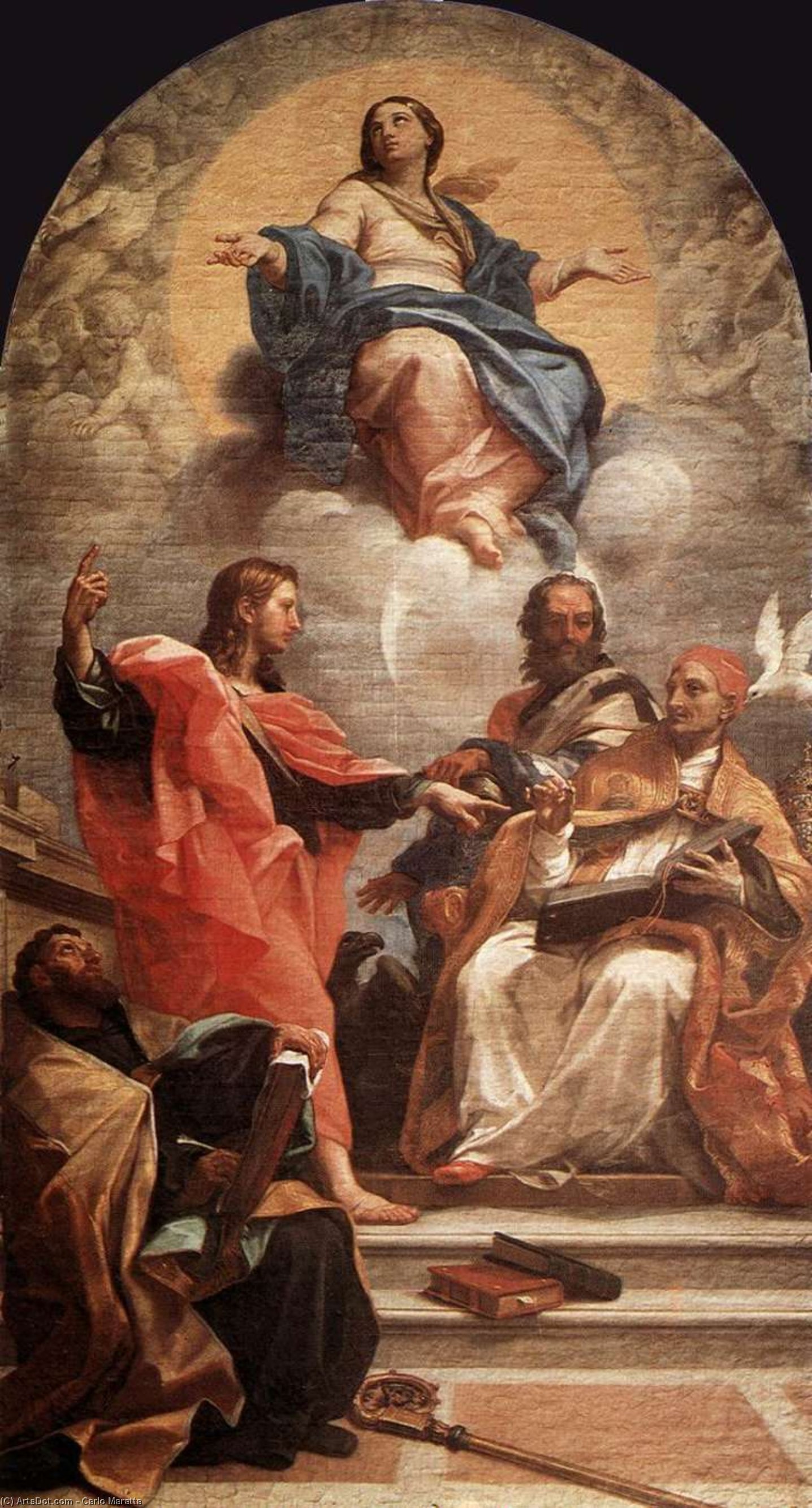
Assumption and the Doctors of the Church


 Weiterlesen
Handgefertigte Ölreproduktion
Handgemaltes Ölgemälde auf Leinwand in Ihrer Wunschgröße und mit Rahmen, auf Bestellung von unseren Künstlern angefertigt. ( Druck bestellen Bild kaufen)




P118B $10

P118H $10

P118W $10

P438Z $10

P508JH $12

P508YH $12

P805H $10

P805Z $10

P919BZ $10

P919G $10

P919XJ $10

P959ZH $10

P968JZ $12

W106C $8

W218G $10

W218JH $8

W218Y $10

W307PJ $10

W316G $10

W316PJ $8

W316Y $10

W398PJ $8

W4111J $10

W500HY $15

W500JH $15

W692G $12

W849H $8

W940BG $15

W953PJ $8




Wählen Sie aus unseren vordefinierten Formaten, die den ursprünglichen Proportionen des Kunstwerks entsprechen.

Sie können Ihre eigenen Maße eingeben, um einen bestimmten Rahmen oder Platz auszufüllen. Wenn die gewählte Größe nicht den Proportionen des Originalbildes entspricht, werden wir das Kunstwerk entweder beschneiden oder das Gemälde durch zusätzliche, handgemalte Elemente erweitern. Ein digitales Mockup wird Ihnen zur Genehmigung zugesandt, bevor die Produktion beginnt.
Bitte beachten Sie, dass die Bildschirmvorschau nicht die tatsächliche Beschneidung oder Erweiterung widerspiegelt. Nur das Mockup zeigt die endgültige Komposition exakt an.
Obwohl Sondermaße verfügbar sind, empfehlen wir, eine Größe aus der vordefinierten Liste zu wählen, um die ursprünglichen Proportionen beizubehalten.
Nach der Bestellung wird das ArtsDot.com-Team dem Kunden Anweisungen per E-Mail zusenden und eine Mockup-Vorschau bereitstellen.
Weltweiter Versand () in nur 3 bis 4 Wochen statt der üblichen 5 Wochen. (27 August). Keine Kompromisse bei der Qualität.

Kostenloser weltweiter Expressversand

Hochwertige Leinenleinwand

Umfassender Versicherungsschutz beim Versand

Zollgebühren-Rückerstattungsgarantie

Garantie für exakte Farbtreue

60 Tage Rückgaberecht (nur bei Mängeln)

100% Geld-zurück-Garantie

Mengenrabatt verfügbar
 Die Glasoption ist nur für Größen unter 110 cm verfügbar.

Assumption and the Doctors of the Church
Art der Reproduktion
Format der Reproduktion
-


Gesamtpreis
$ 263
Beschreibung des Kunstwerks
A Vision of Divine Grace: Exploring Carlo Maratta’s “Assumption and the Doctors of the Church”
Carlo Maratta's "Assumption and the Doctors of the Church," painted in 1689, is more than just a religious depiction; it’s a carefully constructed tableau of theological significance and artistic mastery. This monumental work, housed within the Chiesa dei Santi Biagio e Carlo ai Catinari in Genoa, Italy, offers a profound meditation on Mary's ascent into heaven alongside her twelve apostles – figures revered as Doctors of the Church, representing the embodiment of Christian doctrine. Maratta’s skill lies not merely in his technical proficiency but in his ability to imbue this complex theological subject with an atmosphere of serene dignity and contemplative grace.
The painting immediately draws the eye to Jesus Christ at its center, bathed in a soft, diffused light that seems to emanate from within. His outstretched arms, a gesture both welcoming and authoritative, invite the viewer into this sacred space. Surrounding him are the twelve apostles, rendered with remarkable attention to detail – each face etched with expressions of reverence and awe. Below Jesus, a book rests on a simple surface, symbolizing divine revelation and the foundational texts of Christian faith. The composition is meticulously balanced, reflecting Maratta’s commitment to classical principles of harmony and proportion, inherited directly from his apprenticeship under Andrea Sacchi.
The Baroque Embrace: Style and Technique
Maratta's style firmly places him within the Roman Baroque tradition, yet he departs subtly from the more flamboyant excesses characteristic of some of his contemporaries. He eschews dramatic diagonals and intense emotionalism in favor of a refined elegance and controlled composition. The use of color is restrained – predominantly cool blues, purples, and golds – creating a sense of solemnity and spiritual depth. Maratta’s brushwork is smooth and polished, contributing to the painting's luminous quality. He masterfully employs *chiaroscuro*—the dramatic contrast between light and shadow—to sculpt forms and draw attention to key figures, particularly Jesus Christ.
The artist’s technique reveals a deep understanding of anatomy and perspective. The figures are rendered with anatomical accuracy, yet they possess an ethereal quality, as if suspended in a realm beyond the earthly. Maratta's meticulous detailing extends to the folds of their garments, the textures of their skin, and the expressions on their faces – all contributing to the painting’s lifelike appearance. The overall effect is one of profound realism tempered by a sense of otherworldly beauty.
Symbolism and Theological Significance
“Assumption and the Doctors of the Church” is rich in symbolic meaning. The Assumption itself, the belief that Mary ascended into heaven body and soul, represents divine grace and redemption. The twelve apostles, as Doctors of the Church, symbolize the authority of the Gospels and the transmission of Christian doctrine. Their presence underscores the importance of faith and tradition within the Catholic Church. The book beneath Jesus signifies the Bible—the source of all Christian teachings—and highlights Mary’s role as the Mother of God and a central figure in the unfolding of salvation history.
Furthermore, the painting reflects the broader theological concept of Marian dogma – specifically, the belief that Mary was taken up body and soul into heaven. This event is celebrated annually on August 15th, known as the Feast of the Assumption. The scene’s serene atmosphere invites contemplation on themes of faith, hope, and divine love, offering a powerful visual representation of core Christian beliefs.
A Legacy of Grace: Maratta's Influence and Reproduction
Carlo Maratta remains one of the most significant figures in 17th-century Italian painting. His work exemplifies the transition from the High Baroque to a more classically influenced style, characterized by clarity, balance, and restraint. Reproductions of “Assumption and the Doctors of the Church” offer an accessible way to experience the beauty and depth of Maratta’s artistic vision. When selecting a reproduction, consider the quality of materials and printing techniques—a faithful representation will capture the painting's luminous colors and subtle details, allowing you to appreciate the artist’s skill and the profound spiritual message conveyed by this enduring masterpiece.
Ähnliche Kunstwerke
Über den Künstler
Frühes Leben und Ausbildung
Carlo Maratta, ein bedeutender italienischer Maler, wurde am 15. Mai 1625 in Camerano, Kirchenstaat (heute Italien), geboren. Im Alter von 11 Jahren zog er nach Rom, wo er in der Werkstatt von Andrea Sacchi Lehrling wurde. Dies markierte den Beginn seiner künstlerischen Reise, die ihn schließlich zu einer führenden Figur der römischen Malerschule machen sollte.Künstlerischer Stil und Einflüsse
Marattas Gemälde zeichnen sich durch einen klassisierenden Stil aus, ausgeführt in einer späten barocken klassischen Manier. Obwohl er Teil der klassischen Tradition war, die von Raffael ausgeht, war er nicht frei von dem Einfluss der Barockmalerei, insbesondere bei seiner Farbgebung. Sein Zeitgenosse und Freund, Giovanni Bellori, verfasste eine frühe Biographie über Maratta und hob seinen einzigartigen künstlerischen Ansatz hervor.Wichtige Werke und Aufträge
Zu Marattas bemerkenswertesten Werken gehören:- Die Verkündigung (1656) für Santa Maria della Pace, die seine Meisterschaft von Licht und Bewegung zeigt.
- Das Geheimnis der Dreifaltigkeit, das St. Augustinus offenbart wurde (ca. 1655), das seine Fähigkeit demonstriert, klassische Ideale mit barocken Elementen in Einklang zu bringen.
- Das Erscheinen der Jungfrau vor St. Philipp Neri (ca. 1675), jetzt im Palazzo Pitti in Florenz, was sein begabtes Verständnis des Themas veranschaulicht.
Karriere und Ehrungen
Marattas künstlerische Karriere umfasste über sechs Jahrzehnte, während derer er zahlreiche Aufträge von bedeutenden Mäzenen erhielt, darunter sechs Päpste. Er wurde von Innozenz XI. zum Surintendent des chambres du Vatican ernannt und beauftragt, die Fresken von Raffael im Vatikan zwischen 1702 und 1703 zu restaurieren. Marattas Vermächtnis als Meister der späten barocken klassischen Manier wird durch seine Werke fortgesetzt, die sich in verschiedenen Museen befinden, darunter auch auf ArtsDot.com.- Betrachten Sie Marattas Kunstwerke auf ArtsDot: Carlo Marattas Kunstwerke
- Lesen Sie mehr über Marattas Leben und Werk auf Wikipedia: Carlo Maratta - Wikipedia
Wichtige Daten
1625: Geburt in Camerano, Kirchenstaat (heute Italien) 1636: Umzug nach Rom und Lehrling bei Andrea Sacchi 1713: Verstarb in Rom und hinterließ ein Erbe klassisierender Gemälde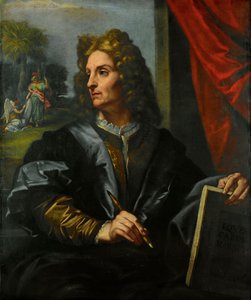
Carlo Maratta
1625 - 1713 , Italien
Kurzinfos
- Beeinflusste Künstler:
- Andrea Sacchi
- Raffael
- Annibale Carracci
- Bemerkenswerte Werke:
- Die Bewilderung
- Das Geheimnis der Dreifaltigkeit
- Erscheinung der Jungfrau
- Geburtsdatum: 15. Mai 1625
- Geburtsort: Camerano, Italien
- Künstlerische Bewegung: Spätbarock, Klassizismus
- Nationalität: Italienisch
- Sterbedatum: 1713
- Vollständiger Name: Carlo Maratta
Ähnliche Artikel

Barocke Pracht: Wie Sie Opulenz und Emotionen in zeitgenössische Innenräume bringen
Entdecken Sie die Pracht des Barock! Expertenratgeber für luxuriöse Innenräume mit barocken Elementen. Inspiration, Tipps & hochwertige Kunst bei .

The Dramatic Flourish: Exploring the Baroque Movement's Enduring Legacy in Art History
Explore the dramatic world of Baroque art! Discover iconic artists like Caravaggio & Rubens, defining techniques, and its lasting impact on art history. Expert insights for collectors & enthusiasts at ArtsDot.

Barock Meisterwerke: Die 10 prägendsten Kunstwerke für Ihr Zuhause |
Entdecken Sie die 10 prägendsten Meisterwerke des Barock! Caravaggio, Rembrandt & Co. – Erfahren Sie die Geschichten hinter ikonischen Gemälde und finden Sie hochwertige Kunst Reproduktionen für Ihr Zuhause auf .

The Visceral Stage: Exploring Dramatic Narratives & Emotional Intensity in Baroque Art
Explore the dramatic world of Baroque art! Discover iconic masters like Caravaggio & Rembrandt, their techniques, and the movement's lasting impact. Expert insights for collectors & enthusiasts at ArtsDot.

Theatricality & Triumph: Baroque Drama in Painting & Sculpture
Explore the dramatic world of Baroque art! Discover its history, defining characteristics, & lasting influence on painting & sculpture. Expert insights into Caravaggio, Zurbarán, and Bernini – plus high-quality reproductions at ArtsDot.