 Vorschau anzeigen
 Versenden
 Teilen
 Details anzeigen

 Herunterladen
 Ähnliche Objekte
 Röntgenaufnahme
 Diashow
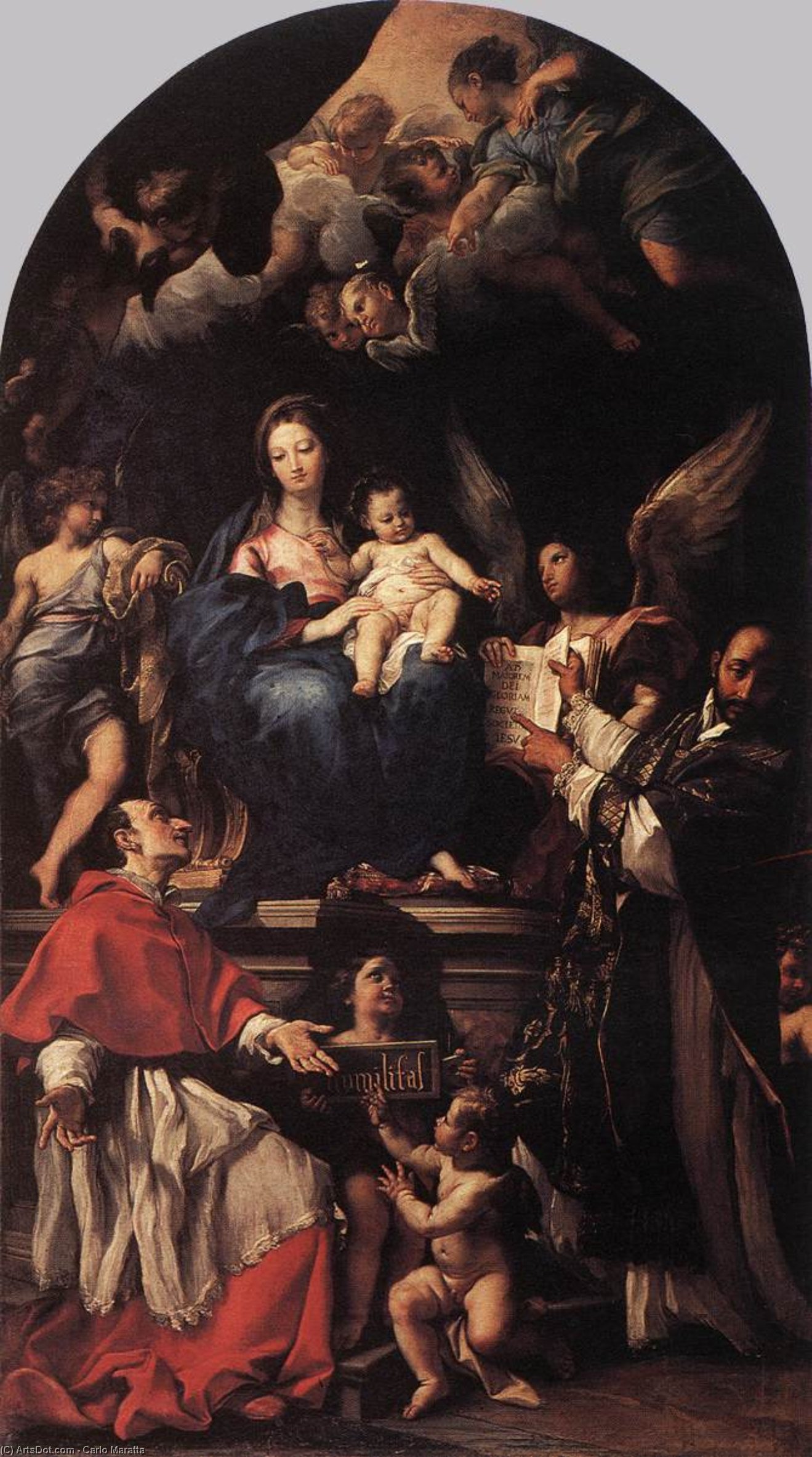
Madonna and Child Enthroned with Angels and Saints


 Weiterlesen
Giclée / Kunstdruck
Giclée- oder Leinwanddruck in Museumsqualität mit schneller Produktion und flexiblen Veredelungsoptionen. ( Handgemalte Reproduktion bestellen Bild kaufen)




P118B $10

P118H $10

P118W $10

P438Z $10

P508JH $12

P508YH $12

P805H $10

P805Z $10

P919BZ $10

P919G $10

P919XJ $10

P959ZH $10

P968JZ $12

W106C $8

W218G $10

W218JH $8

W218Y $10

W307PJ $10

W316G $10

W316PJ $8

W316Y $10

W398PJ $8

W4111J $10

W500HY $15

W500JH $15

W692G $12

W849H $8

W940BG $15

W953PJ $8




Wählen Sie aus unseren vordefinierten Formaten, die den ursprünglichen Proportionen des Kunstwerks entsprechen.

Sie können Ihre eigenen Maße eingeben, um ein bestimmtes Format oder einen speziellen Platz einzupassen. Wenn das von Ihnen gewählte Format nicht den Proportionen des Originalbildes entspricht, werden wir das Kunstwerk entweder beschneiden oder das Bild mit einem gespiegelten oder einfarbigen Rand erweitern. Ein digitaler Entwurf wird Ihnen zur Genehmigung zugesandt, bevor die Produktion beginnt.
Bitte beachten Sie, dass die Vorschau auf dem Bildschirm nicht den tatsächlichen Zuschnitt oder die Erweiterung widerspiegelt. Nur der Entwurf zeigt die endgültige Komposition präzise an.
Obwohl Sondermaße verfügbar sind, empfehlen wir die Auswahl eines Maßes aus der vordefinierten Liste, um die ursprünglichen Proportionen zu bewahren.
Weltweiter Versand () innerhalb von 2 Wochen statt der üblichen 4/5 Wochen. (23 August)

Kostenloser weltweiter Expressversand

Hochwertige Leinenleinwand

Umfassender Versicherungsschutz beim Versand

Zollgebühren-Rückerstattungsgarantie

Garantie für exakte Farbtreue

60 Tage Rückgaberecht (nur bei Mängeln)

100% Geld-zurück-Garantie

Mengenrabatt verfügbar
 Die Glasoption ist nur für Größen unter 110 cm verfügbar.

Madonna and Child Enthroned with Angels and Saints
Giclée / Kunstdruck
Format der Reproduktion
-


Gesamtpreis
$ 62
Sammlerstück-Beschreibung
Madonna and Child Enthroned with Angels and Saints
Carlo Maratta’s “Madonna and Child Enthroned with Angels and Saints” stands as a cornerstone of Baroque Classicizing Style, encapsulating the artistic fervor of 17th-century Rome during a period marked by papal patronage and an unwavering devotion to religious iconography. Painted circa 1680, this monumental canvas transcends mere representation; it embodies a profound meditation on divine grace and maternal sanctity—themes central to Catholic piety at the time. The artwork’s composition is meticulously balanced, reflecting the Baroque preoccupation with grandeur and order amidst dramatic visual effects. At its core resides Mary, seated upon an ornate throne adorned with intricate carvings symbolizing royal authority and spiritual elevation. Beneath her gaze rests Jesus Christ, cradled securely in her arms—a depiction instantly recognizable as one of the most enduring images of motherhood within Western art history. Surrounding them are a multitude of angels and saints, engaged in gestures of reverence and adoration, creating an atmosphere of celestial splendor. Each figure is rendered with painstaking detail, showcasing Maratta’s mastery of chiaroscuro – the skillful manipulation of light and shadow—a technique characteristic of Baroque painting that intensifies emotional impact and lends depth to the scene. The stylistic choices underscore Maratta's commitment to classical ideals while simultaneously embracing Baroque dynamism. Unlike the exuberant flamboyance of earlier Baroque artists, Maratta favored a restrained palette and precise modeling, prioritizing clarity and harmony over theatrical exuberance. This approach aligns with the broader artistic movement’s aspiration for elegance and intellectual sophistication—a reaction against the turbulent upheavals of the Reformation and a desire to reaffirm faith through refined aesthetic expression. The artist's meticulous attention to anatomical accuracy reflects the humanist influence prevalent during Maratta’s time, grounding the spiritual narrative in observable reality. Symbolism permeates every element of “Madonna and Child Enthroned.” Mary’s blue cloak—a traditional emblem of purity—contrasts sharply with the golden throne, symbolizing divine majesty and holiness. The infant Jesus, swathed in white linens, represents innocence and divinity—the embodiment of Christ’s divine nature. Angels bearing musical instruments evoke the liturgical tradition of praising God through music, reinforcing the artwork's spiritual significance. Furthermore, the saints depicted hold objects laden with symbolic meaning: a book signifies knowledge and scripture; a scroll proclaims divine revelation; and a chalice represents Eucharist—the sacrament commemorating Jesus’s sacrifice for humanity. The painting’s impact transcends its visual beauty, resonating deeply within viewers through its portrayal of maternal compassion and spiritual contemplation. Maratta skillfully captures the serene dignity of Mary and the tenderness with which she embraces her son—inspiring awe and reverence. “Madonna and Child Enthroned” continues to captivate audiences today as a testament to Baroque artistry’s ability to convey profound theological concepts in an aesthetically compelling manner, securing its place as one of Rome's most treasured artistic achievements.- Artist: Carlo Maratta
- Born Year: 1625
- Death Year: 1713
- Birth City: Camerano
- Birth Country: Italy
Additional Research:
The artwork’s provenance traces back to the Chiesa Nuova in Rome, a church commissioned by Pope Benedict XIV and renowned for its opulent Baroque interior decoration. Its depiction aligns closely with the broader artistic trends of the era—a period characterized by papal patronage and an unwavering devotion to religious iconography. The painting's stylistic features are consistent with Maratta’s signature style, reflecting his commitment to classical ideals while simultaneously embracing Baroque dynamism.File Information:
The image depicts a classical painting that captures the Madonna and Child Enthroned with Angels and Saints. The central figures are Mary, who is seated on a throne, and the infant Jesus, who is held by her. Both figures are surrounded by angels and saints, each engaged in various activities or gestures of reverence. Mary is depicted as a serene figure, holding the baby Jesus securely. She is adorned with a blue cloak, which is a common symbol of purity in religious art. The infant Jesus is dressed in swaddling clothes, a traditional representation of newborns at that time. The angels surrounding Mary and Jesus are depicted as winged figures, some holding musical instruments like lutes or flutes, suggesting the presence of music in this celestial scene. Their wings are spread wide, indicating their divine nature. Among the saints, one is seen holding a book, possibly symbolizing knowledge or scripture. Another saint holds a scroll with an inscription, which could be interpreted as a message from God or a prophecy. The other figures hold various objects that may have symbolic meanings, such as a chalice, a lily, and a palm branch. The background of the painting is dark, which helps to highlight the central figures and creates a sense of depth. The throne on which Mary sits is ornate, with intricate carvings and decorations, adding to the grandeur of the scene. The painting is executed in a realistic style typical of Baroque art, characterized by dramatic use of light and shadow, detailed rendering of figures and objects, and an emphasis on movement and emotion. The artist has skillfully used these techniques to create a sense of awe and reverence befitting the religious subject matter.Useful Links:
Ähnliche Kunstwerke
Über den Künstler
Frühes Leben und Ausbildung
Carlo Maratta, ein bedeutender italienischer Maler, wurde am 15. Mai 1625 in Camerano, Kirchenstaat (heute Italien), geboren. Im Alter von 11 Jahren zog er nach Rom, wo er in der Werkstatt von Andrea Sacchi Lehrling wurde. Dies markierte den Beginn seiner künstlerischen Reise, die ihn schließlich zu einer führenden Figur der römischen Malerschule machen sollte.Künstlerischer Stil und Einflüsse
Marattas Gemälde zeichnen sich durch einen klassisierenden Stil aus, ausgeführt in einer späten barocken klassischen Manier. Obwohl er Teil der klassischen Tradition war, die von Raffael ausgeht, war er nicht frei von dem Einfluss der Barockmalerei, insbesondere bei seiner Farbgebung. Sein Zeitgenosse und Freund, Giovanni Bellori, verfasste eine frühe Biographie über Maratta und hob seinen einzigartigen künstlerischen Ansatz hervor.Wichtige Werke und Aufträge
Zu Marattas bemerkenswertesten Werken gehören:- Die Verkündigung (1656) für Santa Maria della Pace, die seine Meisterschaft von Licht und Bewegung zeigt.
- Das Geheimnis der Dreifaltigkeit, das St. Augustinus offenbart wurde (ca. 1655), das seine Fähigkeit demonstriert, klassische Ideale mit barocken Elementen in Einklang zu bringen.
- Das Erscheinen der Jungfrau vor St. Philipp Neri (ca. 1675), jetzt im Palazzo Pitti in Florenz, was sein begabtes Verständnis des Themas veranschaulicht.
Karriere und Ehrungen
Marattas künstlerische Karriere umfasste über sechs Jahrzehnte, während derer er zahlreiche Aufträge von bedeutenden Mäzenen erhielt, darunter sechs Päpste. Er wurde von Innozenz XI. zum Surintendent des chambres du Vatican ernannt und beauftragt, die Fresken von Raffael im Vatikan zwischen 1702 und 1703 zu restaurieren. Marattas Vermächtnis als Meister der späten barocken klassischen Manier wird durch seine Werke fortgesetzt, die sich in verschiedenen Museen befinden, darunter auch auf ArtsDot.com.- Betrachten Sie Marattas Kunstwerke auf ArtsDot: Carlo Marattas Kunstwerke
- Lesen Sie mehr über Marattas Leben und Werk auf Wikipedia: Carlo Maratta - Wikipedia
Wichtige Daten
1625: Geburt in Camerano, Kirchenstaat (heute Italien) 1636: Umzug nach Rom und Lehrling bei Andrea Sacchi 1713: Verstarb in Rom und hinterließ ein Erbe klassisierender Gemälde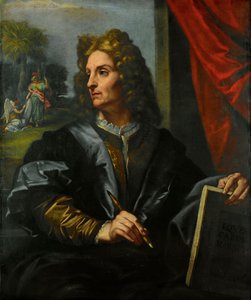
Carlo Maratta
1625 - 1713 , Italien
Kurzinfos
- Beeinflusste Künstler:
- Andrea Sacchi
- Raffael
- Annibale Carracci
- Bemerkenswerte Werke:
- Die Bewilderung
- Das Geheimnis der Dreifaltigkeit
- Erscheinung der Jungfrau
- Geburtsdatum: 15. Mai 1625
- Geburtsort: Camerano, Italien
- Künstlerische Bewegung: Spätbarock, Klassizismus
- Nationalität: Italienisch
- Sterbedatum: 1713
- Vollständiger Name: Carlo Maratta
Ähnliche Artikel

Barocke Pracht: Wie Sie Opulenz und Emotionen in zeitgenössische Innenräume bringen
Entdecken Sie die Pracht des Barock! Expertenratgeber für luxuriöse Innenräume mit barocken Elementen. Inspiration, Tipps & hochwertige Kunst bei .

The Dramatic Flourish: Exploring the Baroque Movement's Enduring Legacy in Art History
Explore the dramatic world of Baroque art! Discover iconic artists like Caravaggio & Rubens, defining techniques, and its lasting impact on art history. Expert insights for collectors & enthusiasts at ArtsDot.

Barock Meisterwerke: Die 10 prägendsten Kunstwerke für Ihr Zuhause |
Entdecken Sie die 10 prägendsten Meisterwerke des Barock! Caravaggio, Rembrandt & Co. – Erfahren Sie die Geschichten hinter ikonischen Gemälde und finden Sie hochwertige Kunst Reproduktionen für Ihr Zuhause auf .

The Visceral Stage: Exploring Dramatic Narratives & Emotional Intensity in Baroque Art
Explore the dramatic world of Baroque art! Discover iconic masters like Caravaggio & Rembrandt, their techniques, and the movement's lasting impact. Expert insights for collectors & enthusiasts at ArtsDot.

Theatricality & Triumph: Baroque Drama in Painting & Sculpture
Explore the dramatic world of Baroque art! Discover its history, defining characteristics, & lasting influence on painting & sculpture. Expert insights into Caravaggio, Zurbarán, and Bernini – plus high-quality reproductions at ArtsDot.