

 Vorschau anzeigen
 Versenden
 Teilen
 Details anzeigen

 Herunterladen
 Ähnliche Objekte
 Röntgenaufnahme
 Diashow
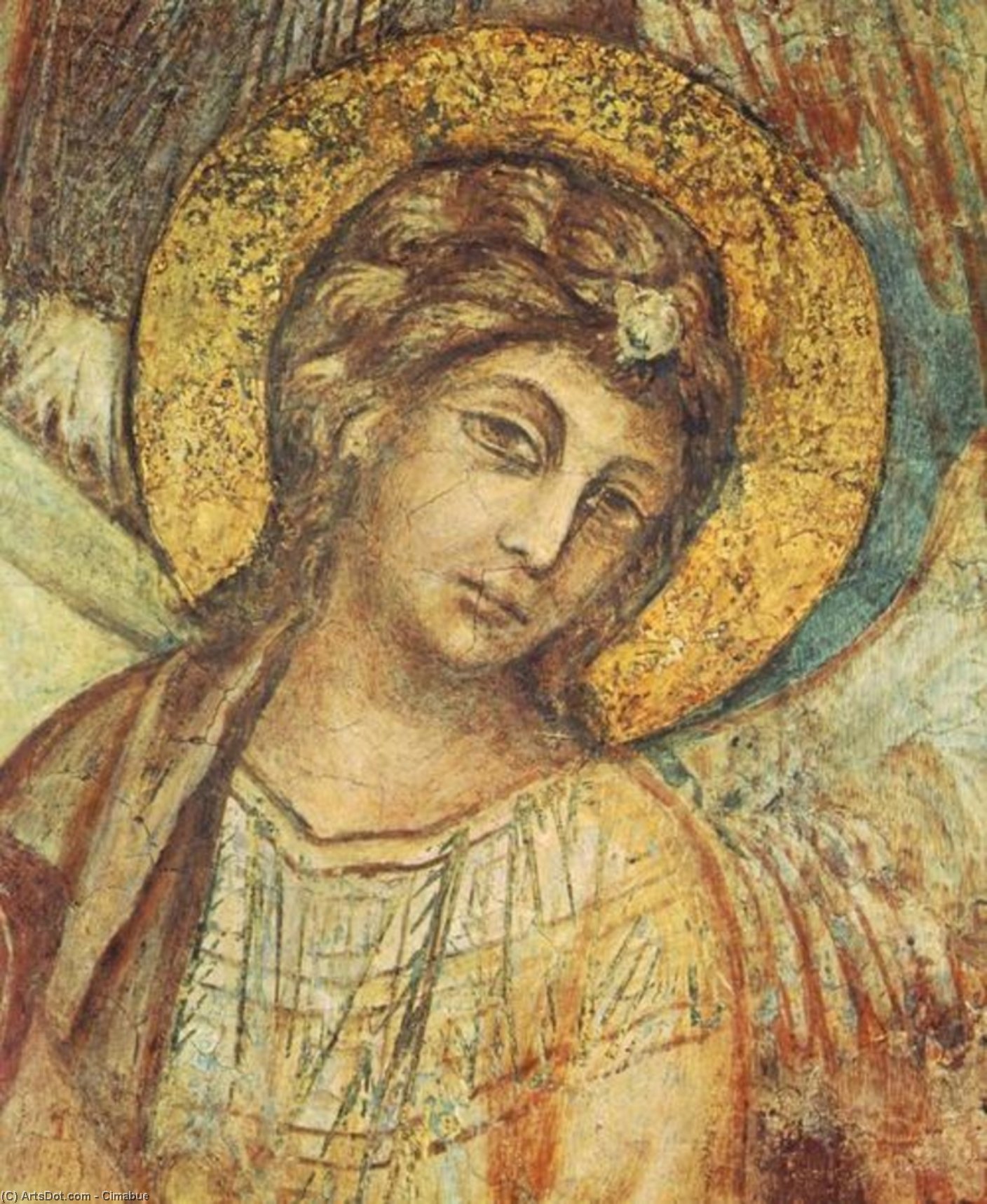
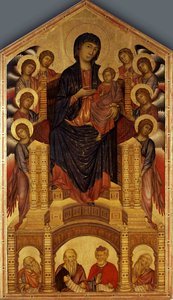
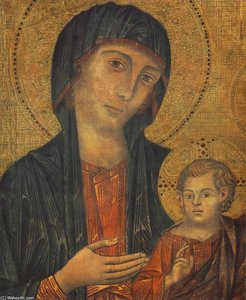
Madonna Enthroned with the Child, St Francis and four Angels (detail)
 Acryl auf Leinwand
- Wandkunst
- Early Italian Renaissance
 1278
1278- Spätmittelalter
 73.0 x 60.0 cm
 Weiterlesen
Erwerben Sie ein hochauflösendes, optimiertes digitales Bild, das der Online-Vorschau weit überlegen ist.
Jede Datei wird von unseren hauseigenen Spezialisten mit modernsten Werkzeugen und fachmännischer manueller Retusche sorgfältig vorbereitet. Wir stellen sicher, dass jedes Bild eine außergewöhnliche Klarheit, präzise Farbgenauigkeit und feinste Details aufweist.
Die endgültige Datei wird innerhalb von 72 Stunden per E-Mail zugestellt und ist für den sofortigen Einsatz in professionellen, redaktionellen und Druckumgebungen optimiert. Es handelt sich um dieselbe Qualität, der führende Designstudios, Verlage und Galerien vertrauen.
Digitales Bild
Laden Sie eine hochauflösende Datei für die persönliche Präsentation, den Druck und kreative Projekte herunter. ( Druck bestellen Handgemalte Reproduktion bestellen)
In jeder Bestellung digitaler Bilder enthalten
Professionelle digitale Bereitstellung, garantiert
Wenn Sie sich für ArtsDot.com entscheiden, erhalten Sie nicht nur ein Bild – Sie erhalten ein professionell aufbereitetes digitales Kunstwerk, das mit höchster Präzision erstellt und durch eine Zufriedenheitsgarantie abgesichert wird. Hier ist alles, was automatisch mit Ihrer Bestellung geliefert wird:

Schnelle E-Mail-Zustellung
Ihre hochauflösende digitale Bilddatei wird Ihnen innerhalb von 72 Stunden nach der Bestellung per E-Mail zugestellt – bereit zur sofortigen Verwendung.

KI-optimierte digitale Datei
Ihre Kunstwerke werden professionell mithilfe fortschrittlicher KI-Tools und manueller Bearbeitung optimiert, um maximale Detailtreue, Klarheit und Farbgenauigkeit zu gewährleisten.

Lebenslanger kostenloser Neudruckservice
Datei versehentlich gelöscht oder verloren? Keine Sorge – wir senden sie Ihnen jederzeit kostenlos erneut zu.

Keine Einfuhrgebühren – jemals
Genießen Sie Ihr Kunstwerk sofort ohne Zollgebühren, Einfuhrabgaben oder Versandkosten – digitale Downloads sind immer steuerfrei.

Garantierte Farbtreue
Wir garantieren, dass Ihr digitales Bild mithilfe professioneller Werkzeuge und Farbmanagement die Originalfarben so präzise wie möglich wiedergibt.

60-Tage-Zufriedenheitsgarantie
Sollten Sie mit Ihrem digitalen Bild nicht zufrieden sein, werden wir es überarbeiten oder Ihnen innerhalb von 60 Tagen 100% erstatten – ohne Wenn und Aber.

100% Geld-zurück-Garantie
Nicht zufrieden? Erhalten Sie innerhalb von 60 Tagen nach Erhalt Ihrer digitalen Datei eine vollständige Rückerstattung – ohne Angabe von Gründen.

Rabatte bei Großbestellungen
3 Bilder kaufen, 10% sparen – 5 Bilder kaufen, 15% sparen – Ab 10 Bildern 20% sparen. Ideal für kreative Projekte, Galerien und Agenturen.
Details zum Sammlerstück
A Window into Florentine Dawn: Cimabue’s Revolutionary Madonna
Giovanni Cimabue's “Madonna Enthroned with the Child, St Francis and four Angels (detail)” – a captivating work from 1278 – isn’t merely a depiction of biblical figures; it’s a pivotal moment in the evolution of Western art. Born Cenni di Pepo in Florence, Cimabue was a courageous innovator who dared to subtly challenge the rigid conventions inherited from Byzantine iconography, laying the groundwork for the vibrant artistic revolution that would soon transform Italy. His nickname, “bull-headed,” perhaps hinted at his unwavering determination and willingness to experiment – qualities undeniably present in his deliberate departure from established norms.
This particular detail offers a glimpse into Cimabue’s masterful approach. The central figure, likely Mary holding the infant Jesus, possesses an arresting directness. Her gaze meets the viewer with an almost palpable awareness, inviting contemplation and establishing a profound connection across time. Notice the elongated proportions of her face and hands – a characteristic move away from the stylized Byzantine tradition, suggesting a nascent desire to capture human likeness with greater realism. The rich fabrics of her robes, rendered in deep blues and reds, are meticulously detailed, showcasing Cimabue’s skill in layering pigments to achieve luminous depth. The delicate rendering of the necklace around her neck adds a subtle layer of ornamentation, hinting at both piety and earthly beauty.
Byzantine Roots, Italian Blossoms
Cimabue's artistic journey began firmly rooted in Byzantine art – the dominant visual language of Europe at the time. His early works, heavily influenced by the mosaics and frescoes of Constantinople, are characterized by a serene spirituality, flattened perspective, and an emphasis on symbolic representation. However, Cimabue wasn’t content to simply replicate these traditions; he began to subtly introduce elements that would pave the way for the Renaissance. The use of more naturalistic colors, a greater attention to detail in drapery, and a slightly more dynamic composition mark his growing independence.
The presence of St. Francis and the four angels surrounding the central figures is significant. St. Francis, a relatively new saint at this time, represented emerging themes of humility and charity within the Christian narrative. The angels, rendered with delicate wings and serene expressions, further enhance the sense of divine grace and protection. The inclusion of the bird in the upper right corner – a detail often overlooked – adds an element of unexpected beauty and perhaps symbolizes hope or spiritual aspiration. Cimabue’s careful orchestration of these elements creates a harmonious composition that is both deeply devotional and visually engaging.
A Bridge to the Renaissance
Cimabue's legacy extends far beyond his individual works. He is widely considered one of the first great Italian painters to break from the Italo-Byzantine style, and he played a crucial role in shaping the artistic landscape that would eventually give rise to the Renaissance. His student, Giotto, built upon Cimabue’s innovations, further developing naturalistic representation and introducing new techniques into painting. Vasari, though perhaps romanticizing his account, famously described Cimabue as taking young Giotto under his wing, a pivotal moment in art history. The “Madonna Enthroned” exemplifies this transition – a testament to the enduring power of tradition while simultaneously hinting at the exciting possibilities of a new artistic era.
ArtsDot is proud to offer meticulously crafted hand-painted reproductions of Cimabue’s “Madonna Enthroned with the Child, St Francis and four Angels (detail).” Each reproduction captures the essence of this remarkable artwork, allowing you to bring its beauty and spiritual depth into your home or office. Explore our collection today and experience a piece of art history firsthand.
Ähnliche Kunstwerke
Biografie des Künstlers
das Brechen des italo-byzantinischen Stils
Cimabue, geboren um 1240 und gestorben im Jahr 1302, war ein einflussreicher italienischer Maler und Mosaikdesigner aus Florenz, auch bekannt als Cenni di Pepo. Als Pionier des Brechens mit dem italo-byzantinischen Stil wird Cimabue für die Einführung von realistischeren Proportionen und Schattierung in seiner Arbeit gefeiert, was einen bedeutenden Übergang zum Realismus in der mittelalterlichen Kunst markierte.Frühes Leben und Ausbildung
Über Cimabues frühes Leben ist wenig bekannt. Eine Quelle, die über seine Karriere berichtet, ist Giorgio Vasaris Lives of the Most Excellent Painters, Sculptors and Architects, deren Genauigkeit jedoch ungewiss ist. Er wurde in Florenz geboren und starb in Pisa. Laut Kunsthistoriker Pietro Tosca ist Cimabues früheste zugeschriebene Arbeit, die Kreuzigung in der Kirche San Domenico in Arezzo, aus dem Jahr 1270 und zeigt eine Abweichung vom byzantinischen Stil.Bekannte Werke
* Maestà (ursprünglich in der Kirche San Francesco in Pisa ausgestellt, jetzt im Louvre): Dieses Werk etablierte einen Stil, der von zahlreichen Künstlern fortgesetzt wurde, darunter Duccio di Buoninsegna in seiner Ruccellai Madonna (früher fälschlicherweise Cimabue zugeschrieben). * Flagellation (Frick Collection): Ein Werkstattgemälde, das möglicherweise einer späteren Periode zuzuordnen ist. * Mosaike für die Florenzer Baptisterium (jetzt weitgehend restauriert): Im schlechten Zustand aufgrund der Oxidation der helleren Farben.Einfluss und Vermächtnis
Cimabues Kunst spielte eine entscheidende Rolle bei der Übergang von byzantinischen zu realistischeren Darstellungen in der italienischen Malerei, und sein Einfluss auf nachfolgende Künstler war tiefgreifend. Seine Werke, die durch einen Zusammenschnitt traditioneller und innovativer Techniken gekennzeichnet sind, markieren ein wichtiges Kapitel in der Kunstgeschichte, das den Übergang zwischen mittelalterlichen und Renaissance-Stilen überspannte.- Betrachten Sie Cimabues Werke unter https://ArtsDot.com/@/cimabue
- Erfahren Sie mehr über die Trecento-Kunstbewegung unter https://ArtsDot.com/@@/a@d3cpph
- Lesen Sie Cimabues Biografie auf Wikipedia unter https://en.wikipedia.org/wiki/cimabue

Cimabue
1240 - 1302 , Italien
Kurzinfos
- Beeinflusste Künstler: ['Giotto di Bondone']
- Bemerkenswerte Werke:
- Maestà
- Kreuzigung (Arezzo)
- Flagellation Christi
- Geburtsdatum: ca. 1240
- Geburtsort: Florenz, Italien
- Künstlerische Bewegung: Italo-byzantinisch, Frührenaissance
- Nationalität: Italienisch
- Todestag: 1302
- Vollständiger Name: Cimabue
- Von Künstlern Beeinflusst: ['Byzantinische Kunst']

