 Vorschau anzeigen
 Versenden
 Teilen
 Details anzeigen

 Herunterladen
 Ähnliche Objekte
 Röntgenaufnahme
 Diashow
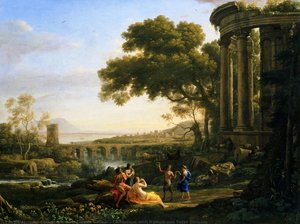
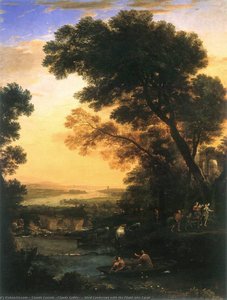
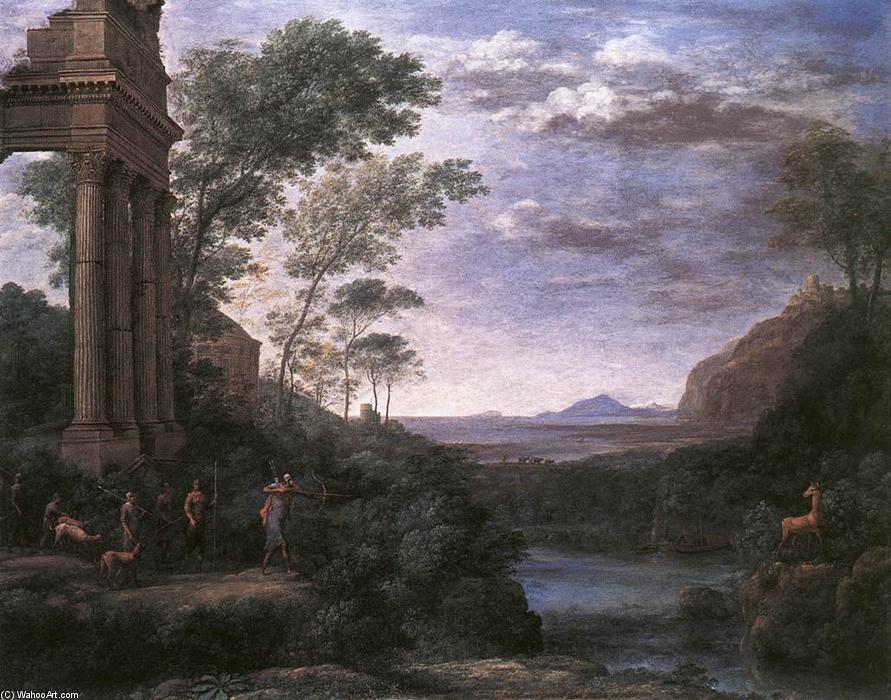
Landscape with Ascanius Shooting the Stag of Sylvia
 Oil On Canvas
- WallArt
- Baroque Landscape
 1682
1682 120.0 x 150.0 cm
 Ashmolean Museum
 Weiterlesen
Giclée / Kunstdruck
Giclée- oder Leinwanddruck in Museumsqualität mit schneller Produktion und flexiblen Veredelungsoptionen. ( Handgemalte Reproduktion bestellen Bild kaufen)




P118B $10

P118H $10

P118W $10

P438Z $10

P508JH $12

P508YH $12

P805H $10

P805Z $10

P919BZ $10

P919G $10

P919XJ $10

P959ZH $10

P968JZ $12

W106C $8

W218G $10

W218JH $8

W218Y $10

W307PJ $10

W316G $10

W316PJ $8

W316Y $10

W398PJ $8

W4111J $10

W500HY $15

W500JH $15

W692G $12

W849H $8

W940BG $15

W953PJ $8




Wählen Sie aus unseren vordefinierten Formaten, die den ursprünglichen Proportionen des Kunstwerks entsprechen.

Sie können Ihre eigenen Maße eingeben, um ein bestimmtes Format oder einen speziellen Platz einzupassen. Wenn das von Ihnen gewählte Format nicht den Proportionen des Originalbildes entspricht, werden wir das Kunstwerk entweder beschneiden oder das Bild mit einem gespiegelten oder einfarbigen Rand erweitern. Ein digitaler Entwurf wird Ihnen zur Genehmigung zugesandt, bevor die Produktion beginnt.
Bitte beachten Sie, dass die Vorschau auf dem Bildschirm nicht den tatsächlichen Zuschnitt oder die Erweiterung widerspiegelt. Nur der Entwurf zeigt die endgültige Komposition präzise an.
Obwohl Sondermaße verfügbar sind, empfehlen wir die Auswahl eines Maßes aus der vordefinierten Liste, um die ursprünglichen Proportionen zu bewahren.
Weltweiter Versand () innerhalb von 2 Wochen statt der üblichen 4/5 Wochen. (2 September)

Kostenloser weltweiter Expressversand

Hochwertige Leinenleinwand

Umfassender Versicherungsschutz beim Versand

Zollgebühren-Rückerstattungsgarantie

Garantie für exakte Farbtreue

60 Tage Rückgaberecht (nur bei Mängeln)

100% Geld-zurück-Garantie

Mengenrabatt verfügbar
 Die Glasoption ist nur für Größen unter 110 cm verfügbar.

Landscape with Ascanius Shooting the Stag of Sylvia
Giclée / Kunstdruck
Format der Reproduktion
-


Gesamtpreis
$ 62
The Echoes of Myth: Claude Lorrain’s ‘Landscape with Ascanius Shooting the Stag of Sylvia’
Claude Lorrain's “Landscape with Ascanius Shooting the Stag of Sylvia,” completed in 1682, is more than just a picturesque vista; it’s a carefully orchestrated meditation on Roman mythology, classical ideals, and the fleeting nature of human ambition. Painted during the twilight years of his illustrious career, this monumental canvas residing within the Ashmolean Museum in Oxford offers a profound glimpse into the artist's evolving style and philosophical concerns. It represents a pivotal moment in Lorrain’s artistic journey, marking a shift towards greater emotional depth and a more nuanced engagement with narrative themes.
The scene unfolds against a dramatic backdrop of rolling hills, a meandering river reflecting the overcast sky, and a distant temple—a structure reminiscent of those found in ancient Rome. At the heart of the composition stands Ascanius, son of Aeneas and Creusa, poised to unleash his arrow upon a magnificent stag, its antlers adorned with a garland. The stag, seemingly oblivious to the impending danger, embodies an almost idyllic innocence, a symbol of untamed nature caught in the trajectory of human conflict. The figures surrounding him—a small group of men, including Ascanius’s father Aeneas – are rendered with a subtle grace and restraint, their postures conveying both anticipation and a quiet melancholy. The painting isn't merely depicting an event; it’s capturing a pregnant pause before the storm, a moment of poised action that foreshadows the ensuing war.
A Masterclass in Atmospheric Perspective
Lorrain’s mastery of atmospheric perspective is immediately apparent. He employs a delicate gradation of tones and colors to create a sense of depth and distance, drawing the viewer's eye into the receding landscape. The distant hills are rendered in muted blues and purples, while the foreground elements—the figures, the stag, and the temple—are imbued with warmer hues. This skillful manipulation of light and shadow not only enhances the realism of the scene but also evokes a profound sense of tranquility and timelessness. Lorrain’s technique is particularly notable for its subtle use of color; he avoids bold contrasts, instead favoring delicate washes and muted tones that create an ethereal quality.
The artist's meticulous attention to detail extends beyond the landscape itself. The figures are rendered with a remarkable degree of realism, their clothing, expressions, and gestures conveying a sense of human dignity and vulnerability. Lorrain’s use of brushwork is equally impressive—loose, expressive strokes that capture the texture of the foliage and the movement of the water. He demonstrates an understanding of how to create a sense of immediacy and dynamism within a static image.
Myth, Mortality, and the Roman Ideal
“Landscape with Ascanius Shooting the Stag of Sylvia” is deeply rooted in classical mythology, specifically Virgil’s *Aeneid*. The scene depicts a pivotal moment from the epic poem—the accidental shooting of the stag by Ascanius, an event that triggers a devastating war between the Trojans and the Latins. However, Lorrain transcends mere illustration; he imbues the narrative with profound philosophical implications. The painting serves as a poignant meditation on mortality, ambition, and the inevitable clash between human desires and the natural order.
The overcast sky, the somber colors, and the sense of impending conflict all contribute to this atmosphere of melancholy. The stag, representing innocence and tranquility, is ultimately sacrificed in the pursuit of power and glory. Lorrain subtly critiques the Roman ideal of conquest and domination, suggesting that such pursuits are inherently destructive and ultimately futile. The temple, a symbol of classical order and authority, stands in ruins, hinting at the decline of Rome’s once-great empire.
A Lasting Legacy
“Landscape with Ascanius Shooting the Stag of Sylvia” represents the culmination of Claude Lorrain's artistic vision. Completed just months before his death in 1682, it stands as a testament to his extraordinary skill and profound understanding of art history and mythology. The painting’s enduring appeal lies not only in its technical brilliance but also in its ability to evoke powerful emotions and stimulate intellectual reflection. It remains a captivating work of art that continues to resonate with viewers centuries after its creation.
Ähnliche Kunstwerke

Über den Künstler
Claude Lorrain (Claude Gellée): Ein Leben in Licht und Landschaft
Frühes Leben und Ausbildung
Geboren um 1600 in Chamagne, einem kleinen Dorf im Herzogtum Lorraine (modernes Frankreich), ist Claude Lorrain – ursprünglich Claude Gellée – einer der gefeiertsten Landschaftsmaler des Barock. Sein frühes Leben ist in einigen Punkten von Rätseln umhüllt, wobei es widersprüchliche Berichte über seine Lehre gibt. Ein Bericht von Joachim von Sandrart deutet auf einen bescheidenen Beginn als Lehrling eines Bäckers hin, bevor er eine Anstellung bei Künstlern in Rom fand. Eine andere, aus Filippo Baldinucci stammende, schildert frühere Ausbildung in Neapel bei Goffredo Wals und später in Rom unter Agostino Tassi.
Aufstieg zur Prominenz
Bis in die 1630er Jahre hatte sich Claude Lorrain als führender Landschaftsmaler Italiens etabliert. Seine Gemälde erlangten schnell Anerkennung für ihre atmosphärischen Qualitäten und erzielten hohe Preise. Er vermischte geschickt italienische Landschaften mit klassischen und biblischen Themen und schuf Szenen, die sowohl visuell beeindruckend als auch intellektuell anregend waren.
Künstlerischer Stil und wichtige Merkmale
- Luminöse Sonne: Eine herausragende Eigenschaft von Claudes Werk ist seine meisterhafte Darstellung des Lichts. Er war einer der ersten Künstler, der konsequent das Licht darstellte, das durch Landschaften scheint, wodurch eine Atmosphäre und Realismus entstanden, die zuvor nicht dagewesen waren.
- Klassische Einflüsse: Seine Kompositionen wurden oft von der griechischen Antike inspiriert und enthielten römische Ruinen, mythologische Figuren und architektonische Elemente.
- Idealisiertes Gelände: Claude strebte nicht nach strikter topographischer Genauigkeit; stattdessen schuf er idealisierte Landschaften, die ein Gefühl von Harmonie und Ruhe hervorriefen.
- Detaillierte Zeichnungen: Er war ein produktiver Draughtsmen und schuf zahlreiche Skizzen und Studien in Bleistift, Aquarellwaschung und Kreide – viele davon wurden in seinem Liber Veritatis bewahrt.
Einflüsse und Entwicklung
Claudes frühe Einflüsse umfassten die Landschaftstraditionen Nordeuropas, insbesondere die der Flemischen Maler. Er studierte auch die Werke italienischer Renaissance-Meister wie Titian und Raffael. Im Laufe der Zeit entwickelte sich sein Stil von dunkleren, dramatischeren Kompositionen zu helleren, luftigeren Szenen, die durch einen goldenen Glanz gekennzeichnet waren.
Bekannte Werke
- Landschaft mit Bauern, die ihre Herden zurückbringen
- Hafen an der Ankunft der Königin von Saba
- Sonnenaufgang
- Pastoralische Landschaft: Die römische Campagna
- Die Ankunft Kleopatras in Tarsus
Historische Bedeutung und Vermächtnis
Claude Lorrain’s Einfluss auf die Landschaftsmalerei ist unermesslich. Er hob das Genre auf ein Niveau des Prestiges an, das zuvor für historische und religiöse Themen reserviert war. Seine Werke beeinflussten Generationen von Künstlern, darunter J.M.W. Turner und Impressionisten, die versuchten, die flüchtigen Effekte von Licht und Atmosphäre einzufangen. Heute werden seine Gemälde hoch geschätzt und befinden sich in wichtigen Museen weltweit, insbesondere der National Gallery (London) und der Art Gallery of South Australia.
Spätere Jahre und Tod
Claude Lorrain starb am 23. November 1682 in Rom. Sein Grabstein in der Kirche San Luigi dei Francesi trägt eine einfache Inschrift: “Claude / peintre de / rome / mort / le 23 novembre 1682”. Er hinterließ ein Vermächtnis als einer der wichtigsten und einflussreichsten Landschaftsmaler der westlichen Kunstgeschichte.
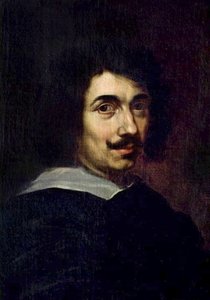
Claude Lorrain (Claude Gellée)
1600 - 1682 , Lorraine
Kurzinfos
- Artistic Movement Or Style: Barockmalerei
- Artists Who Influenced This Artist:
- Goffredo Wals
- Agostino Tassi
- Date Of Birth: c. 1600
- Full Name: Claude Lorrain (Claude Gellée)
- Nationality: Französisch (Lorraine)
- Notable Artworks:
- Landschaft mit Bauern beim Wiederkommen ihrer Herden
- Hafen mit der Ausladung der Königin von Saba
- Place Of Birth: Chamagne, Vosges, Lothringen
Ähnliche Artikel
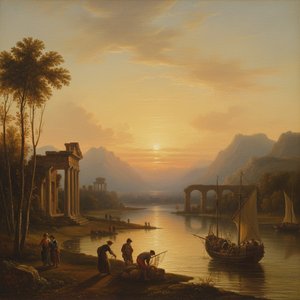
Claude Lorrain: Master of Light & Landscape in the Golden Age
Explore the luminous landscapes of Claude Lorrain, a Baroque master renowned for his masterful use of light & atmosphere. Discover his life, techniques, key works & enduring influence on art history.
Claude Monet: Die 25 Meisterwerke des Impressionismus für Ihr Zuhause | ArtsDot
Entdecken Sie die 25 Meisterwerke von Claude Monet! Tauchen Sie ein in die Welt des Impressionismus, erleben Sie Seerosen, Sonnenaufgänge & Kathedralen. Hochwertige Reproduktionen für Ihr Zuhause – exklusiv auf ArtsDot.com.

John Constable: Die 25 Meisterwerke des englischen Landschaftsgenies – ArtsDot
Entdecken Sie die 25 Meisterwerke von John Constable! Erleben Sie englische Landschaftsmalerei vom Hay Wain bis zur Stour Valley. Hochwertige Reproduktionen & Kunst für Ihr Zuhause auf ArtsDot.com.

Evocations of Place: A Historical Journey Through Landscape Art
Explore the rich history of landscape art with ArtsDot. Discover renowned artists, movements like Impressionism & Romanticism, and expert guidance for collecting timeless pieces. Find your perfect serene escape today!
Impressionistische Landschaften: Die 10 Meisterwerke, die eine Epoche prägten | ArtsDot
Entdecken Sie die 10 Meisterwerke des Impressionismus! Von Monet bis Renoir – erleben Sie die Geschichte, Technik und zeitlose Schönheit ikonischer Landschaftsbilder. Hochwertige Kunstdrucke auf ArtsDot.com. Jetzt entdecken!