

 Vorschau anzeigen
 Versenden
 Teilen
 Details anzeigen

 Herunterladen
 Ähnliche Objekte
 Röntgenaufnahme
 Diashow
 Statistiken
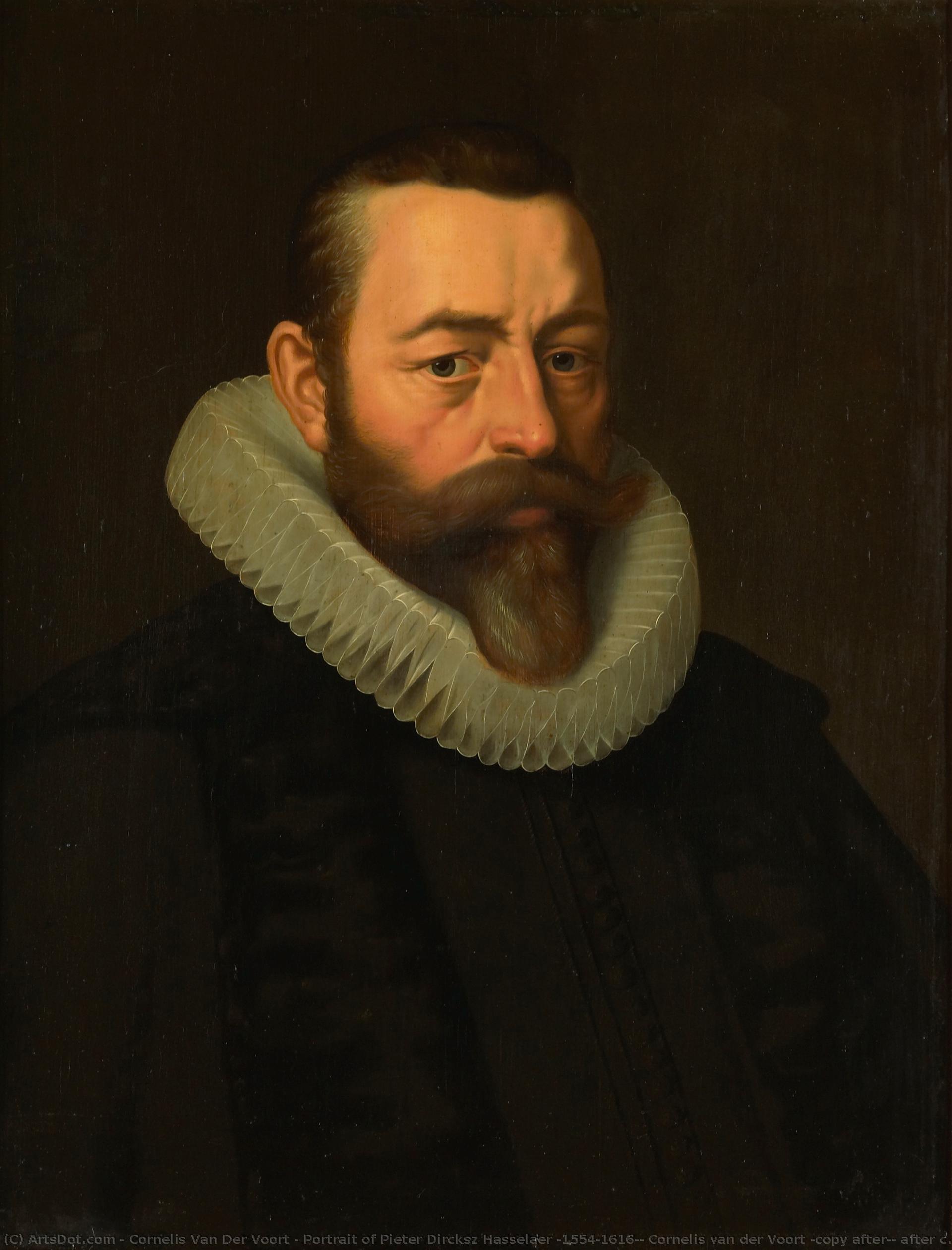
Portrait of Pieter Dircksz Hasselaer (1554-1616), Cornelis van der Voort (copy after), after c. 1610


 Weiterlesen
Erwerben Sie ein hochauflösendes, optimiertes digitales Bild, das der Online-Vorschau weit überlegen ist.
Jede Datei wird von unseren hauseigenen Spezialisten mit modernsten Werkzeugen und fachmännischer manueller Retusche sorgfältig vorbereitet. Wir stellen sicher, dass jedes Bild eine außergewöhnliche Klarheit, präzise Farbgenauigkeit und feinste Details aufweist.
Die endgültige Datei wird innerhalb von 72 Stunden per E-Mail zugestellt und ist für den sofortigen Einsatz in professionellen, redaktionellen und Druckumgebungen optimiert. Es handelt sich um dieselbe Qualität, der führende Designstudios, Verlage und Galerien vertrauen.
Digitales Bild
Laden Sie eine hochauflösende Datei für die persönliche Präsentation, den Druck und kreative Projekte herunter. ( Zu Druck wechseln Handgemalte Reproduktion bestellen)
In jeder Bestellung digitaler Bilder enthalten
Professionelle digitale Bereitstellung, garantiert
Wenn Sie sich für ArtsDot.com entscheiden, erhalten Sie nicht nur ein Bild – Sie erhalten ein professionell aufbereitetes digitales Kunstwerk, das mit höchster Präzision erstellt und durch eine Zufriedenheitsgarantie abgesichert wird. Hier ist alles, was automatisch mit Ihrer Bestellung geliefert wird:

Schnelle E-Mail-Zustellung
Ihre hochauflösende digitale Bilddatei wird Ihnen innerhalb von 72 Stunden nach der Bestellung per E-Mail zugestellt – bereit zur sofortigen Verwendung.

KI-optimierte digitale Datei
Ihre Kunstwerke werden professionell mithilfe fortschrittlicher KI-Tools und manueller Bearbeitung optimiert, um maximale Detailtreue, Klarheit und Farbgenauigkeit zu gewährleisten.

Lebenslanger kostenloser Neudruckservice
Datei versehentlich gelöscht oder verloren? Keine Sorge – wir senden sie Ihnen jederzeit kostenlos erneut zu.

Keine Einfuhrgebühren – jemals
Genießen Sie Ihr Kunstwerk sofort ohne Zollgebühren, Einfuhrabgaben oder Versandkosten – digitale Downloads sind immer steuerfrei.

Garantierte Farbtreue
Wir garantieren, dass Ihr digitales Bild mithilfe professioneller Werkzeuge und Farbmanagement die Originalfarben so präzise wie möglich wiedergibt.

100-Tage-Zufriedenheitsgarantie
Wenn Sie mit Ihrem digitalen Bild nicht zufrieden sind, werden wir es überarbeiten oder 100% innerhalb von 100 Tagen erstatten – ohne Wenn und Aber.

100% Geld-zurück-Garantie
Nicht zufrieden? Erhalten Sie innerhalb von 100 Tagen nach Erhalt Ihrer digitalen Datei eine vollständige Rückerstattung – ohne Wenn und Aber.

Rabatte bei Großbestellungen
3 Bilder kaufen, 10% sparen – 5 Bilder kaufen, 15% sparen – Ab 10 Bildern 20% sparen. Ideal für kreative Projekte, Galerien und Agenturen.
Ähnliche Kunstwerke
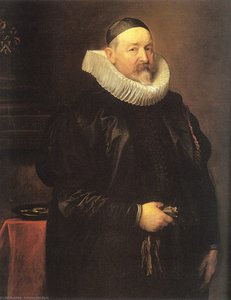
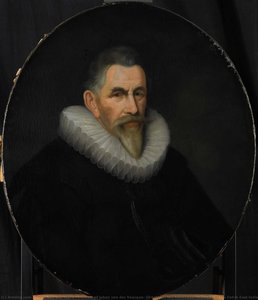
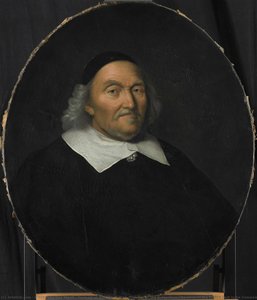
Biografie des Künstlers
A Life Etched in Canvas: The Early Years and Arrival in Amsterdam
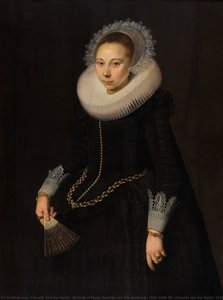
Cornelis van der Voort (c. 1576 – buried on November 2, 1624) remains a captivating figure within the annals of early Dutch art, often overshadowed yet undeniably pivotal in shaping the trajectory of portrait painting during the Golden Age. Born around 1576 in Antwerp, amidst the turbulent backdrop of the Habsburg Netherlands and the burgeoning Protestant Reformation, his life was marked by both artistic promise and familial upheaval. His origins trace back to Pieter van der Voort, a cloth weaver, suggesting an upbringing rooted in practical craftsmanship – a foundation that subtly informed Van der Voort’s meticulous approach to his art.
The family's relocation to the Northern Netherlands around 1585, driven by their Calvinist beliefs and seeking refuge from religious persecution, proved transformative. This move brought them to Amsterdam, a burgeoning center of commerce and artistic innovation. It was here that young Cornelis began his artistic journey, though the specifics of his early training remain shrouded in the mists of history. While direct mentorship is elusive, art historians generally believe he honed his skills under the tutelage of masters like Aert Pietersz and, crucially, Cornelis Ketel – a figure whose own influence on Dutch portraiture was profound.
Ketel’s impact is particularly noteworthy; he introduced a new dynamism to group portraits, moving away from static formality towards a more engaging depiction of social interaction. Van der Voort clearly absorbed this innovative spirit, demonstrating an early aptitude for capturing not just likeness but also the subtle nuances of personality and atmosphere.
The Rise of the Regentenstukken: A Genre Defined
Van der Voort’s career truly blossomed in the early 17th century, coinciding with a significant shift in Dutch society. The rise of the ‘regents,’ wealthy individuals who managed charitable institutions known as ‘stichtingen,’ created a new and lucrative market for portraiture. These regenten, often prominent merchants and civic leaders, commissioned portraits not merely to commemorate their status but also to showcase their piety and commitment to the community. Van der Voort recognized this opportunity and swiftly established himself as the leading artist in this burgeoning genre – the ‘regentenstukken.’
Unlike earlier portrait styles that emphasized formality and grandeur, Van der Voort’s regentenstukken were remarkably intimate and psychologically astute. He skillfully captured the weariness of age, the shrewdness of experience, and the quiet dignity of these influential figures. His compositions were carefully arranged to create a sense of depth and realism, utilizing light and shadow to sculpt form and imbue his subjects with a palpable presence.
- Key Characteristics: Life-size format, full-length poses, intimate interiors, psychological insight, attention to detail.
- Subjects: Regenten (leaders of charitable institutions), schutters (members of civic militias).
A Master of Light and Shadow: Technique and Style
Van der Voort’s artistic style is characterized by a remarkable command of light and shadow, a technique he employed to create a sense of three-dimensionality and depth within his portraits. He meticulously observed the way light interacted with surfaces – the sheen of velvet, the texture of fabrics, the glint in the eyes – translating these observations onto canvas with astonishing accuracy.
His use of color was equally deliberate, favoring rich, earthy tones that reflected the materials and settings within his compositions. He avoided overly bright or artificial hues, opting instead for a palette that conveyed a sense of authenticity and realism. Furthermore, Van der Voort’s meticulous attention to detail extended beyond mere representation; he subtly incorporated symbolic elements into his portraits, reflecting the social and religious values of his time.
Notably, he is considered one of the first Dutch artists to introduce the full-length format to portraiture, a departure from the more compact compositions favored by many of his contemporaries.Legacy and Influence: Shaping the Course of Dutch Portraiture
Cornelis van der Voort’s influence on the development of Dutch portrait painting is undeniable. He not only popularized the regentenstukken genre but also established a new standard for realism, psychological insight, and compositional sophistication. His work served as a model for generations of artists, including Rembrandt van Rijn, who clearly drew inspiration from Van der Voort’s innovative approach.
Despite his untimely death in 1624 at the relatively young age of 48, Van der Voort left behind a significant body of work that continues to captivate viewers today. His portraits offer a rare glimpse into the lives and aspirations of a rapidly changing society – a testament to the enduring power of art to illuminate both individual character and collective history.
Kurzinfos
- Artistic Movement Or Style: Early Dutch Portraiture
- Artists Or Movements Influenced By This Artist:
- Rembrandt
- Van der Weyden
- Artists Who Influenced This Artist:
- Aert Pietersz
- Cornelis Ketel
- Date Of Birth: c. 1576, Antwerp
- Date Of Death: 1624, Amsterdam
- Full Name: Cornelis van der Voort
- Nationality: Dutch
- Notable Artworks:
- Portrait of a Man
- Regentenstukken
- Schuttersstukken
- Place Of Birth: Antwerp, Netherlands