 Vorschau anzeigen
 Versenden
 Teilen
 Details anzeigen

 Herunterladen
 Ähnliche Objekte
 Röntgenaufnahme
 Diashow
 Stats
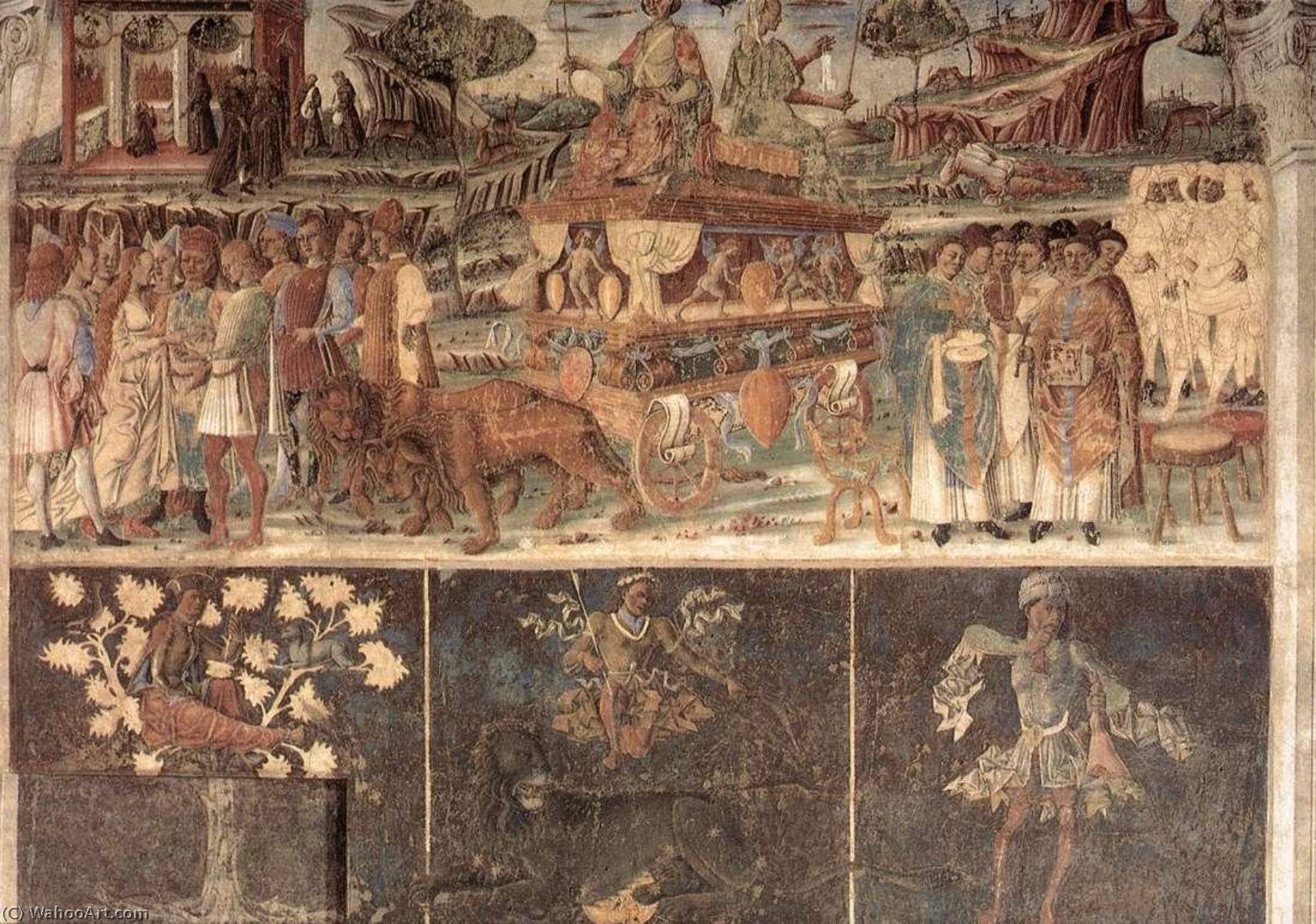
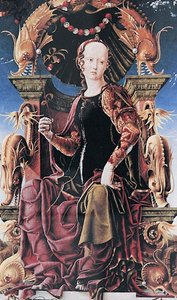
StatsEnglish Allegory of July Triumph of Jupiter (detail)
 Acrylic On Canvas
- WallArt
- Early Renaissance
 1484
1484 216.0 x 320.0 cm
 Palazzo Schifanoia
 Weiterlesen
Giclée / Kunstdruck
Giclée- oder Leinwanddruck in Museumsqualität mit schneller Produktion und flexiblen Veredelungsoptionen. ( Handgemalte Reproduktion bestellen Switch to Digital Image)




P118B $10

P118H $10

P118W $10

P438Z $10

P508JH $12

P508YH $12

P805H $10

P805Z $10

P919BZ $10

P919G $10

P919XJ $10

P959ZH $10

P968JZ $12

W106C $8

W218G $10

W218JH $8

W218Y $10

W307PJ $10

W316G $10

W316PJ $8

W316Y $10

W398PJ $8

W4111J $10

W500HY $15

W500JH $15

W692G $12

W849H $8

W940BG $15

W953PJ $8




Wählen Sie aus unseren vordefinierten Formaten, die den ursprünglichen Proportionen des Kunstwerks entsprechen.

Sie können Ihre eigenen Maße eingeben, um ein bestimmtes Format oder einen speziellen Platz einzupassen. Wenn das von Ihnen gewählte Format nicht den Proportionen des Originalbildes entspricht, werden wir das Kunstwerk entweder beschneiden oder das Bild mit einem gespiegelten oder einfarbigen Rand erweitern. Ein digitaler Entwurf wird Ihnen zur Genehmigung zugesandt, bevor die Produktion beginnt.
Bitte beachten Sie, dass die Vorschau auf dem Bildschirm nicht den tatsächlichen Zuschnitt oder die Erweiterung widerspiegelt. Nur der Entwurf zeigt die endgültige Komposition präzise an.
Obwohl Sondermaße verfügbar sind, empfehlen wir die Auswahl eines Maßes aus der vordefinierten Liste, um die ursprünglichen Proportionen zu bewahren.
Weltweiter Versand () innerhalb von 2 Wochen statt der üblichen 4/5 Wochen. (8 September)

Kostenloser weltweiter Expressversand

Hochwertige Leinenleinwand

Umfassender Versicherungsschutz beim Versand

Zollgebühren-Rückerstattungsgarantie

Garantie für exakte Farbtreue

100-Tage-Rückgaberecht (nur bei Mängeln)

100% Geld-zurück-Garantie

Mengenrabatt verfügbar
 Die Glasoption ist nur für Größen unter 110 cm verfügbar.

English Allegory of July Triumph of Jupiter (detail)
Giclée / Kunstdruck
Format der Reproduktion
-


Gesamtpreis
$ 62
The Silent Majesty of July: Cosmè Tura’s Allegory of Jupiter
Cosmè Tura's "English Allegory of July Triumph of Jupiter," a fresco executed in 1484 for the Palazzo Schifanoia in Ferrara, is not merely a depiction of a mythological scene; it’s a meticulously constructed microcosm of Renaissance ideals, a vibrant tapestry woven with classical references, astrological symbolism, and an intensely human drama. This remarkable work offers a rare glimpse into the artistic and intellectual ferment of early 15th-century Italy, revealing Tura's unique synthesis of influences – from the geometric precision of Piero della Francesca to the evocative emotionalism of Flemish masters – resulting in a powerfully resonant image that continues to captivate viewers centuries later. The fresco’s scale—measuring an impressive 216 x 320 cm—immediately commands attention, drawing the eye into a complex and layered composition brimming with detail.
At first glance, the scene appears chaotic – a bustling forest teeming with figures engaged in various activities: a wedding procession, monks offering prayers at a sanctuary, clerics dispensing justice, and a young man finding respite. However, beneath this apparent disorder lies a carefully orchestrated allegory. The central figure, a richly adorned Jupiter, reigns supreme on a chariot pulled by magnificent horses, embodying the power and authority of the Roman god. The composition is meticulously balanced, utilizing linear perspective to create an illusion of depth and space, a technique heavily influenced by the innovations championed in Padua during Tura’s formative years under Francesco Squarcione. The use of chiaroscuro – dramatic contrasts between light and shadow – further enhances the sense of volume and realism, imbuing each figure with individual character.
A Symphony of Symbolism
Tura's genius lies not just in his technical skill but also in his masterful deployment of symbolism. Each element within the fresco carries a specific meaning, contributing to the overall narrative. The astrological symbols scattered throughout the scene – notably the prominent Leo at the heart of the composition – represent the month of July and its associated virtues. The presence of various figures engaged in different activities symbolizes the diverse aspects of human life: marriage, piety, justice, and leisure. The inclusion of birds adds another layer of symbolism, representing freedom, prophecy, and divine inspiration. Even the placement of the figures within the forest – a traditional setting for allegorical representations – reinforces the work’s thematic complexity.
Notably, the fresco's subject matter directly references the "Triumph of Jupiter," an annual festival celebrated in honor of the Roman god. This event was often depicted as an allegory of the passing year and its associated virtues. Tura cleverly adapts this traditional theme to reflect the specific concerns and aspirations of the Este court under Borso d’Este, who commissioned the work. The depiction of Duke Borso receiving dignitaries underscores his role as a benevolent ruler and protector of his people.
The Painter's Hand: Technique and Style
Tura’s style is characterized by a remarkable blend of realism and expressiveness. He meticulously renders the details of each figure – their clothing, facial expressions, and gestures – with astonishing accuracy. Yet, he also imbues his figures with an emotional intensity that transcends mere representation. The faces of the characters are often contorted in expressions of surprise, anxiety, or contemplation, conveying a sense of psychological depth rarely found in earlier Renaissance art. This expressive quality is particularly evident in the central figure of Jupiter, whose face bears a hauntingly melancholic expression.
The fresco’s vibrant color palette – dominated by rich reds, blues, and golds – further enhances its visual impact. Tura skillfully employs oil paint to create subtle variations in tone and texture, adding depth and luminosity to the scene. The use of tempera on gesso provides a smooth, durable surface that has endured remarkably well over the centuries. The influence of Flemish artists is particularly evident in Tura’s masterful rendering of fabrics – velvet, silk, and brocade – which shimmer with an almost tactile quality.
A Legacy of Vision
Cosmè Tura's "English Allegory of July Triumph of Jupiter" stands as a testament to the artist’s extraordinary talent and his pivotal role in shaping the artistic landscape of the Early Renaissance. It is a complex, layered work that rewards careful study and contemplation, offering insights into the cultural values, intellectual currents, and artistic innovations of 15th-century Italy. Reproductions of this magnificent fresco continue to inspire artists and art lovers alike, preserving Tura’s legacy as one of the most original and influential painters of his time. The painting's enduring power lies in its ability to evoke a sense of timelessness—a reminder that even within the confines of a specific historical context, art can transcend its origins to speak to universal human experiences.
Ähnliche Kunstwerke
Über den Künstler
Cosmè Tura: Ein Begründer der Ferrareser Schule
- Geboren: um 1430 in Ferrera, Italien
- Gestorben: 1495
- Bekannt für: Frührenaissance-Maler und Gründer der Ferrareser Schule
Frühes Leben und Ausbildung
- Cosmè Tura wurde um 1430 in Ferrara, Italien, als Sohn eines Schuhmachers geboren. Einzelheiten über seine frühen Jahre sind spärlich dokumentiert.
- Seine künstlerische Ausbildung ist schlecht dokumentiert, aber es wird vermutet, dass er von Künstlern wie Fra Angelico, Piero della Francesca und Andrea Mantegna beeinflusst wurde.
- Es gibt Spekulationen, dass er möglicherweise unter Galasso Galassi in die Lehre ging, einem etwas rätselhaften Künstler, der mit Piero della Francesca in Verbindung steht.
- Von 1452 bis 1456 ist Turas Anwesenheit in Ferrara nicht dokumentiert, was einige Historiker glauben lässt, dass er reiste, möglicherweise nach Venedig oder Padua.
- Ein möglicher Aufenthalt in Padua brachte ihn mit der Werkstatt von Francesco Squarcione in Kontakt, einem bedeutenden Zentrum für Renaissance-Kunst, und Künstlern wie Carlo Crivelli, Michael Pacher und Andrea Mantegna. Diese Begegnung beeinflusste wahrscheinlich seinen Stil.
Künstlerischer Stil und Einflüsse
- Turans künstlerischer Stil zeichnet sich durch klare und scharfe Linien, dekorative Üppigkeit und Anspielungen auf die klassische Antike aus.
- Er war einer der ersten, der Ölfarben einsetzte und sie geschickt verwendete, um verschiedene Texturen in seinen Werken darzustellen.
- Einflüsse sind die toskanischen Innovationen, die Donatello nach Padua brachte, was sich in seiner Verwendung von linearer Perspektive und starken Formen zeigt.
- Sein Stil spiegelt auch den Einfluss flämischer Künstler wider, die in Ferrara tätig waren.
Hauptwerke und Errungenschaften
- Tura arbeitete umfangreich für die Familie Este, die Herzöge von Ferrara, und schuf Dekorationen für Turniere, entwarf Möbel und trug zur Mode bei.
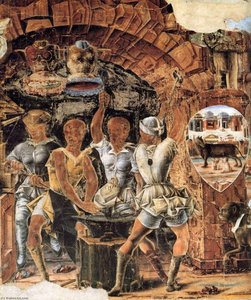
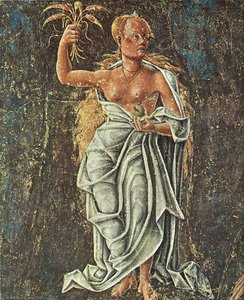
- Bemerkenswerte Werke sind die Fresken im Palazzo Schifanoia in Ferrara, die allegorische Szenen darstellen.
- Er malte Porträts, religiöse Panels (wie "St. Antonius von Padua beim Lesen") und andere Kunstwerke, die seinen einzigartigen Stil zeigen.
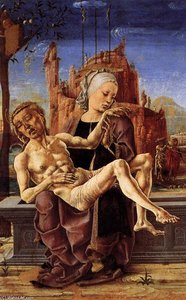
- Seine “Pietà” ist ein bemerkenswertes Beispiel für spätgotische Kunst mit Renaissance-Einflüssen.
Historische Bedeutung
- Cosmè Tura gilt als einer der wichtigsten Künstler der Frührenaissance, insbesondere in Norditalien.
- Er gründete und leitete die Ferrareser Schule, die spätere Künstler wie Giovanni Andrea Ghirardoni beeinflusste.
- Seine innovative Verwendung von Ölfarben und sein unverwechselbarer Stil trugen wesentlich zur Entwicklung der italienischen Kunst bei.
- Turans Vermächtnis wird in Werken bewahrt, die in Museen wie dem Museo di Ferrara ausgestellt sind.
Cosmè Tura
1430 - 1495 , Italien
Kurzinfos
- Beeinflusste Künstler:
- Fra Angelico
- Piero della Francesca
- Andrea Mantegna
- Bemerkenswerte Werke:
- St. Antonius von Padua
- Pietà
- Fresken im Palazzo Schifanoia
- Geburtsdatum: ca. 1430
- Geburtsort: Ferrara, Italien
- Künstlerische Richtung: Frührenaissance
- Nationalität: Italienisch
- Sterbedatum: 1495
- Vollständiger Name: Cosmè Tura
- Von Künstlern Beeinflusst: ['Francesco Squarcione']
Ähnliche Artikel

Kunst, die mit Ihnen lebt: Emotionale Kraft individueller Innenraumfresken
Entdecken Sie die emotionale Kraft individueller Innenraumfresken! Expertenberatung & hochwertige Wandmalerei für Hotels, Wohnräume & mehr. – Ihr Partner für einzigartige Kunst.
Cosmè Tura: Die Wiederentdeckung eines Ferrara-Meisters und sein unverwechselbarer Stil
Entdecken Sie Cosmè Tura, einen Pionier der Renaissance in Ferrara! Erfahren Sie mehr über seinen einzigartigen Stil, bedeutende Werke und sein künstlerisches Vermächtnis. Expertenanalyse & detaillierte Informationen.

The Enduring Legacy of Fresco Painting: Techniques, History & Contemporary Relevance
Explore the rich history & enduring artistry of fresco painting – from Giotto to Michelangelo! Discover techniques, conservation efforts, & modern applications. Learn how ArtsDot brings this timeless art form to your home.

The Enduring Legacy of Fresco: Technique, History & Artistic Expression Across Cultures
Explore the rich history & enduring legacy of fresco painting! Discover ancient techniques, Giotto's masterpieces, and modern applications. Expert insights for art lovers & professionals.

Das Familienerbe an die Wand bringen: Wandgemälde als Generationenschatz
Verwandeln Sie Ihre Familiengeschichte in ein beeindruckendes Wandgemälde! Expertenrat & hochwertige Handwerkskunst für einzigartige Kunstwerke, die Generationen verbinden. Entdecken Sie jetzt!