

 Vorschau anzeigen
 Versenden
 Teilen
 Details anzeigen

 Herunterladen
 Ähnliche Objekte
 Röntgenaufnahme
 Diashow
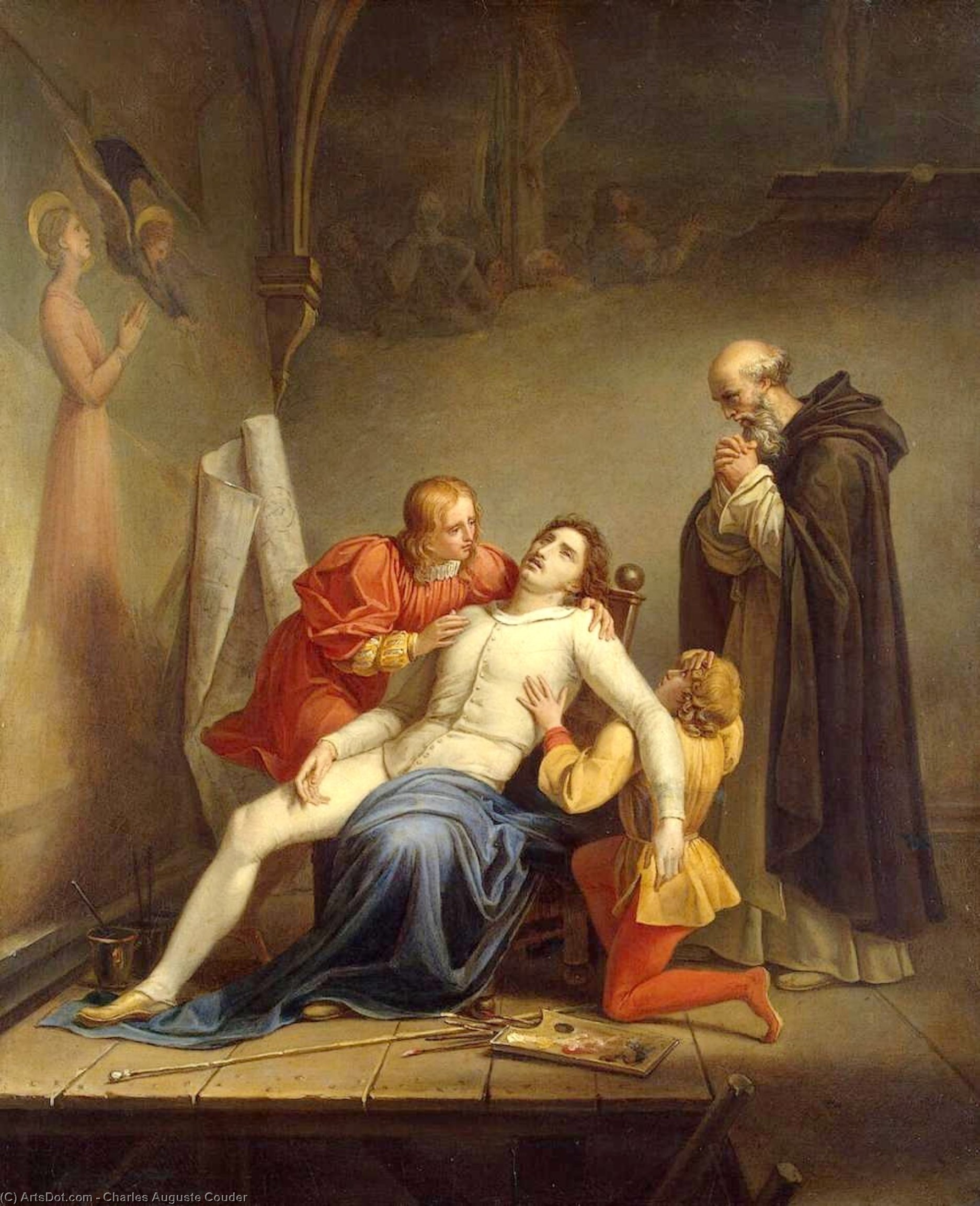
Death of Masaccio
 Öl auf Leinwand
- Wandkunst
- Neoclassicism
 1817
1817 45.0 x 38.0 cm
 Eremitage Museum
 Weiterlesen
Handgefertigte Ölreproduktion
Handgemaltes Ölgemälde auf Leinwand in Ihrer Wunschgröße und mit Rahmen, auf Bestellung von unseren Künstlern angefertigt. ( Druck bestellen Bild kaufen)




P118B $10

P118H $10

P118W $10

P438Z $10

P508JH $12

P508YH $12

P805H $10

P805Z $10

P919BZ $10

P919G $10

P919XJ $10

P959ZH $10

P968JZ $12

W106C $8

W218G $10

W218JH $8

W218Y $10

W307PJ $10

W316G $10

W316PJ $8

W316Y $10

W398PJ $8

W4111J $10

W500HY $15

W500JH $15

W692G $12

W849H $8

W940BG $15

W953PJ $8




Wählen Sie aus unseren vordefinierten Formaten, die den ursprünglichen Proportionen des Kunstwerks entsprechen.

Sie können Ihre eigenen Maße eingeben, um einen bestimmten Rahmen oder Platz auszufüllen. Wenn die gewählte Größe nicht den Proportionen des Originalbildes entspricht, werden wir das Kunstwerk entweder beschneiden oder das Gemälde durch zusätzliche, handgemalte Elemente erweitern. Ein digitales Mockup wird Ihnen zur Genehmigung zugesandt, bevor die Produktion beginnt.
Bitte beachten Sie, dass die Bildschirmvorschau nicht die tatsächliche Beschneidung oder Erweiterung widerspiegelt. Nur das Mockup zeigt die endgültige Komposition exakt an.
Obwohl Sondermaße verfügbar sind, empfehlen wir, eine Größe aus der vordefinierten Liste zu wählen, um die ursprünglichen Proportionen beizubehalten.
Nach der Bestellung wird das ArtsDot.com-Team dem Kunden Anweisungen per E-Mail zusenden und eine Mockup-Vorschau bereitstellen.
Weltweiter Versand () in nur 3 bis 4 Wochen statt der üblichen 5 Wochen. (20 August). Keine Kompromisse bei der Qualität.

Kostenloser weltweiter Expressversand

Hochwertige Leinenleinwand

Umfassender Versicherungsschutz beim Versand

Zollgebühren-Rückerstattungsgarantie

Garantie für exakte Farbtreue

60 Tage Rückgaberecht (nur bei Mängeln)

100% Geld-zurück-Garantie

Mengenrabatt verfügbar
 Die Glasoption ist nur für Größen unter 110 cm verfügbar.

Death of Masaccio
Art der Reproduktion
Format der Reproduktion
-


Gesamtpreis
$ 338
Beschreibung des Kunstwerks
A Neoclassical Reverie on Martyrdom: Exploring Couder’s ‘Death of Masaccio’
Louis-Charles-Auguste Couder's “Death of Masaccio” stands as a testament to the enduring influence of classical ideals within 19th-century French art. Executed in 1817, this canvas reproduction captures a poignant scene from religious history—the martyrdom of Saint Denis—rendered with meticulous detail and imbued with an emotional depth that speaks volumes about its era. More than just a depiction of biblical narrative, it’s a carefully constructed meditation on sacrifice and faith, reflecting the artistic sensibilities of a period grappling with revolutionary fervor and imperial ambition.Composition & Technique: Order Amidst Suffering
The painting's visual impact is immediately striking due to its tightly organized composition. Couder employs a pyramidal structure, anchoring the central figure—the prone body of Saint Denis—with supporting figures who convey unwavering devotion. A prominent diagonal line originating from the fallen saint directs the viewer’s gaze across the canvas, fostering a sense of immediacy and immersing them in the dramatic unfolding of events. The artist skillfully utilizes perspective to flatten the space, prioritizing narrative clarity over illusionistic depth – a hallmark of Neoclassical style. Oil paint on canvas ensures smooth surfaces and rich colors, complemented by precise lines delineating architectural elements and drapery, mirroring the precision demanded by David’s tutelage. Texture is deliberately subdued, emphasizing form and conveying solemnity rather than distracting from the central subject matter.Symbolism & Context: Echoes of Michelangelo
Couder's artistic vision transcends mere representation; it incorporates potent symbolic elements that enrich its narrative significance. The inclusion of Saint Denis’ corpse serves as a focal point for contemplation on mortality and spiritual suffering, mirroring themes prevalent in Renaissance art—particularly those explored by Michelangelo Buonarroti. Tools of torture – notably the skinning knife – underscore the brutality of martyrdom while simultaneously highlighting the artist's palette and the presence of onlookers representing witnesses to this sacred ordeal. The backdrop features a stylized depiction of Calvary, referencing Jesus Christ’s crucifixion and establishing a parallel between Saint Denis’ sacrifice and divine redemption. This deliberate juxtaposition underscores Couder’s intention to elevate the scene beyond a simple historical record into a profound statement about faith and human endurance.A Reflection of Romantic Sentiment
Despite its adherence to classical conventions—balanced composition, sharp lines, subdued textures—“Death of Masaccio” possesses an undeniable emotional resonance that anticipates the burgeoning Romantic movement. The dramatic lighting – emanating from an unseen source above – casts deep shadows emphasizing Saint Denis’ anguish and conveying a palpable sense of sorrow. Couder's masterful rendering captures not only the physical posture of the martyr but also his inner turmoil, mirroring the Romantic preoccupation with subjective experience and emotional intensity. This subtle infusion of feeling distinguishes Couder’s work from the more austere aesthetic of its time, cementing its place as an exemplar of Neoclassical art infused with humanist compassion.Concluding Remarks: An Artistic Legacy
Louis-Charles-Auguste Couder's “Death of Masaccio” remains a captivating artwork—a beautifully executed reproduction that embodies the spirit of its era and honors the legacy of artistic giants like David and Regnault. Its meticulous attention to detail, combined with its thoughtful exploration of religious symbolism and emotional depth, continues to inspire admiration among art historians and collectors alike.Ähnliche Kunstwerke

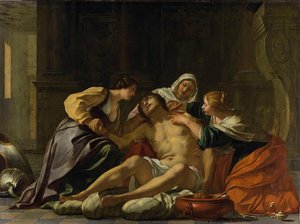
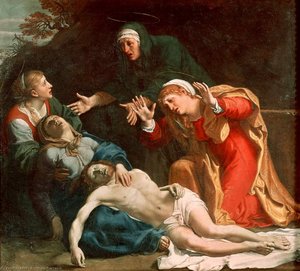
Über den Künstler
A Life Painted in History: The World of Louis-Charles-Auguste Couder
Louis-Charles-Auguste Couder (1789-1873) was a French painter who achieved renown for his masterful depictions of historical events, particularly battlefield scenes like the Siege of Yorktown. Trained under the tutelage of Jean-Baptiste Regnault and Jacques-Louis David—two titans of Neoclassical art—Couder’s artistic journey began with an unwavering commitment to academic precision combined with a profound understanding of dramatic narrative. This dual mentorship instilled in him not merely technical skills but also a philosophical outlook rooted in classical ideals, shaping his entire oeuvre.Early Training and Influences: David and Regnault's Legacy
David’s influence is palpable throughout Couder’s formative years. The artist absorbed David’s meticulous draftsmanship, balanced compositions, and unwavering dedication to historical accuracy—characteristics that would become hallmarks of Couder’s distinctive style. Specifically, the dramatic use of light and shadow – a technique perfected by David – found its way into Couder's early canvases, imbuing them with an emotional resonance characteristic of David’s oeuvre. Simultaneously, Regnault fostered Couder’s ability to convey narrative complexity through dynamic brushstrokes and expressive color palettes. This synthesis wasn’t accidental; it reflected the broader artistic currents of the time—a desire to capture not just what *happened* but how it *felt*. The resulting aesthetic was a harmonious blend of intellectual rigor and visceral emotion, mirroring the spirit of the Enlightenment.Developing His Unique Style: Neoclassical Foundations
Couder skillfully blended the strengths of his mentors, forging a style that resonated with the artistic sensibilities of his era. The Neoclassical foundation laid by David provided structural stability to his compositions—a deliberate choice intended to honor the grandeur and rationality championed by classical antiquity. Yet, Regnault’s influence ensured that Couder's paintings weren’t merely aesthetically pleasing; they were emotionally compelling. He achieved this feat through masterful use of chiaroscuro lighting – a technique perfected by Regnault – creating dramatic contrasts that heightened the emotional impact of his scenes. This stylistic duality—precision combined with passion—became a defining feature of Couder’s artistic vision.Notable Achievements and Artistic Output
Couder's prolific output encompassed numerous celebrated works, cementing his place as one of France’s foremost historical painters. Among these masterpieces is the monumental depiction of the Siege of Yorktown (1781), where he skillfully captured the tension and strategic maneuvering of the American Revolutionary War. The painting exemplifies Couder’s ability to transform historical accounts into emotionally resonant narratives—a testament to his artistic genius. Furthermore, his involvement in decorating the Galerie d’Apollon at the Louvre with frescoes underscored his commitment to elevating French art and culture. His paintings “PRISE DE LA VILLE DE LERIDA.13 OCTOBRE 1707” and “TANNEGUY DUCHATEL” stand as exceptional examples of his dramatic style, showcasing masterful use of lighting and composition. Beyond monumental projects, Couder produced numerous portraits—capturing the likenesses of prominent figures while simultaneously conveying their inner character—demonstrating a remarkable versatility within his artistic practice.Legacy and Recognition: A Lasting Impression
Couder’s dedication to artistic excellence earned him widespread acclaim during his lifetime and secured his enduring legacy in French art history. He was inducted into the Académie des Beaux-Arts, recognizing his talent and establishing him as a leading voice within the Parisian artistic community. His paintings were exhibited prominently in salons and galleries, attracting critical attention and fostering admiration among collectors. Moreover, he received the Légion d’honneur—a distinction bestowed upon individuals who had achieved exceptional accomplishments—acknowledging his contribution to French society. Today, Couder's canvases continue to inspire awe and contemplation, offering invaluable insights into the artistic spirit of the 19th century and reminding us of the power of art to convey both historical truth and profound emotional experience. His work resides in museums across France and internationally, ensuring that his artistic vision persists for generations to come.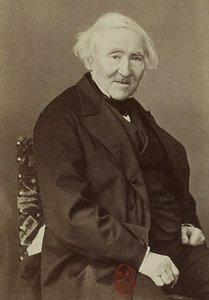
Couder Auguste
1789 - 1873 , Vereinigtes Königreich
Kurzinfos
- Artistic Movement Or Style: Neoklassizismus, Historienmalerei
- Artists Who Influenced This Artist:
- Jean-Baptiste Regnault
- Jacques-Louis David
- Date Of Birth: 1789
- Date Of Death: 1873
- Full Name: Louis-Charles-Auguste Couder
- Nationality: Französisch
- Notable Artworks:
- Belagerung von Yorktown
- Installation des Conseils d'État
- TANNEGUY DUCHATEL
- Place Of Birth: London, Vereinigtes Königreich
Ähnliche Artikel
Die 10 Meisterwerke des 18. Jahrhunderts: Kunst für Ihr Zuhause | ArtsDot
Entdecken Sie die 10 prächtigsten Meisterwerke des 18. Jahrhunderts! Von Rokoko bis Klassizismus – erleben Sie die Kunst von Fragonard, David & Hogarth. Hochwertige Reproduktionen für Ihr Zuhause auf ArtsDot.com.
Charles-André van Loo: A Study in Rococo Portraiture & the French Court's Artistic Dynamics
Explore the elegant world of Charles-André van Loo, a master of Rococo portraiture at the French court. Discover his life, techniques, and enduring influence on 18th-century art. Hand-painted reproductions available.
Charles Willson Peale: Porträtmalerei, Aufklärungsideale und die Gestaltung amerikanischer Identität
Entdecken Sie das Leben und Werk von Charles Willson Peale – Porträtmaler, Naturforscher und Begründer des ersten amerikanischen Museums. Erfahren Sie mehr über seine Bedeutung für die Kunstgeschichte der USA und die Ideale der Aufklärung.
Sacred Narratives Embodied: A Comprehensive Exploration of Religious Iconography in Art History
Explore the rich history of religious iconography in art! Discover symbolism, movements & masterpieces from Byzantine to Renaissance periods. Expert insights for collectors and enthusiasts at ArtsDot.
Neoklassizismus: Die 10 Meisterwerke, die eine Epoche prägten – Kunst für Ihr Zuhause
Entdecken Sie die 10 prägendsten Meisterwerke des Neoklassizismus! Von David bis Canova – erfahren Sie die Geschichten hinter ikonischen Gemälden & Skulpturen. Finden Sie hochwertige Reproduktionen für Ihr Zuhause auf

