 Vorschau anzeigen
 Versenden
 Teilen
 Details anzeigen

 Herunterladen
 Ähnliche Objekte
 Röntgenaufnahme
 Diashow
Miracle of the Repentant Son
 Acrylic
- WallArt
- Early Renaissance
 1447
1447 57.0 x 123.0 cm
 Basilika di Sant'Antonio
 Weiterlesen
Handgefertigte Ölreproduktion
Handgemaltes Ölgemälde auf Leinwand in Ihrer Wunschgröße und mit Rahmen, auf Bestellung von unseren Künstlern angefertigt. ( Druck bestellen Bild kaufen)




P118B $10

P118H $10

P118W $10

P438Z $10

P508JH $12

P508YH $12

P805H $10

P805Z $10

P919BZ $10

P919G $10

P919XJ $10

P959ZH $10

P968JZ $12

W106C $8

W218G $10

W218JH $8

W218Y $10

W307PJ $10

W316G $10

W316PJ $8

W316Y $10

W398PJ $8

W4111J $10

W500HY $15

W500JH $15

W692G $12

W849H $8

W940BG $15

W953PJ $8




Wählen Sie aus unseren vordefinierten Formaten, die den ursprünglichen Proportionen des Kunstwerks entsprechen.

Sie können Ihre eigenen Maße eingeben, um einen bestimmten Rahmen oder Platz auszufüllen. Wenn die gewählte Größe nicht den Proportionen des Originalbildes entspricht, werden wir das Kunstwerk entweder beschneiden oder das Gemälde durch zusätzliche, handgemalte Elemente erweitern. Ein digitales Mockup wird Ihnen zur Genehmigung zugesandt, bevor die Produktion beginnt.
Bitte beachten Sie, dass die Bildschirmvorschau nicht die tatsächliche Beschneidung oder Erweiterung widerspiegelt. Nur das Mockup zeigt die endgültige Komposition exakt an.
Obwohl Sondermaße verfügbar sind, empfehlen wir, eine Größe aus der vordefinierten Liste zu wählen, um die ursprünglichen Proportionen beizubehalten.
Nach der Bestellung wird das ArtsDot.com-Team dem Kunden Anweisungen per E-Mail zusenden und eine Mockup-Vorschau bereitstellen.
Weltweiter Versand () in nur 3 bis 4 Wochen statt der üblichen 5 Wochen. (6 September). Keine Kompromisse bei der Qualität.

Kostenloser weltweiter Expressversand

Hochwertige Leinenleinwand

Umfassender Versicherungsschutz beim Versand

Zollgebühren-Rückerstattungsgarantie

Garantie für exakte Farbtreue

100 Tage Rückgaberecht (nur bei Mängeln)

100% Geld-zurück-Garantie

Mengenrabatt verfügbar
 Die Glasoption ist nur für Größen unter 110 cm verfügbar.

Miracle of the Repentant Son
Art der Reproduktion
Format der Reproduktion
-


Gesamtpreis
$ 263
The Weight of Sorrow, The Promise of Redemption: Donatello’s “Miracle of the Repentant Son”
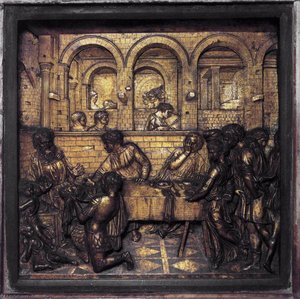
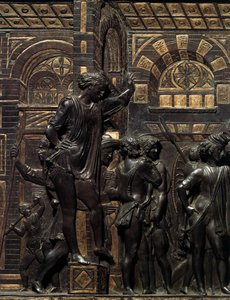
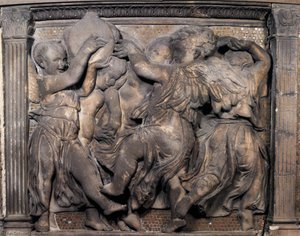
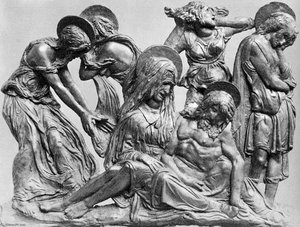
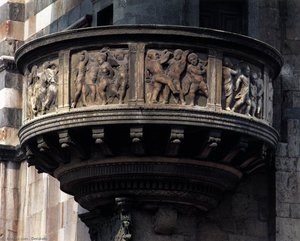
Donatello’s bronze sculpture, "Miracle of the Repentant Son," transcends mere representation; it's a profound meditation on faith, remorse, and divine grace. Created in 1447 during the apex of his artistic maturity, this work embodies the burgeoning humanism and emotional depth that defined the Early Renaissance in Florence. More than just a depiction of a biblical miracle – the restoration of a severed limb by St. Anthony – it’s a study in psychological realism, capturing the agonizing weight of sin and the transformative power of repentance with startling immediacy. The sculpture doesn't simply *show* suffering; it *conveys* it through the subtly contorted posture, the downward gaze, and the palpable tension radiating from the figure’s body.
The piece was originally conceived as part of a larger altarpiece for the Basilica di Sant’Antonio in Padua, intended to illustrate miracles performed by the city's patron saint. This context is crucial – Donatello wasn’t merely creating an isolated artwork; he was contributing to a complex narrative designed to inspire devotion and reinforce religious teachings. The choice of this particular miracle—the restoration of a severed limb— speaks volumes about the artist’s understanding of human vulnerability and the potential for spiritual renewal. It's a potent symbol of forgiveness, offering solace to those burdened by past transgressions.
A Masterclass in Bronze: Technique and Materiality
Donatello’s skill as a sculptor is immediately apparent in the remarkable detail achieved within the bronze medium. The surface texture isn’t smooth or polished; instead, it's deliberately rough and uneven, reflecting the casting process itself – a technique pioneered by Donatello that introduced a new level of expressive potential to sculpture. This deliberate roughness creates a dynamic interplay of light and shadow, emphasizing the contours of the figure and lending an almost tactile quality to the work. The artist skillfully manipulated the bronze to create a sense of volume and depth, capturing the musculature and drapery with astonishing accuracy.
The use of *schiacciato*, or “flattened relief,” is particularly noteworthy. Rather than creating a three-dimensional illusion, Donatello deliberately reduces the figures to a shallow plane, drawing attention to their forms and emphasizing their emotional impact. This technique, combined with the dramatic lighting, creates an almost theatrical effect, as if we are witnessing a pivotal moment frozen in time. The bronze itself, chosen for its ability to capture fine detail and its inherent durability, speaks to Donatello’s commitment to creating works that would endure for centuries.
Light, Shadow, and the Language of Emotion
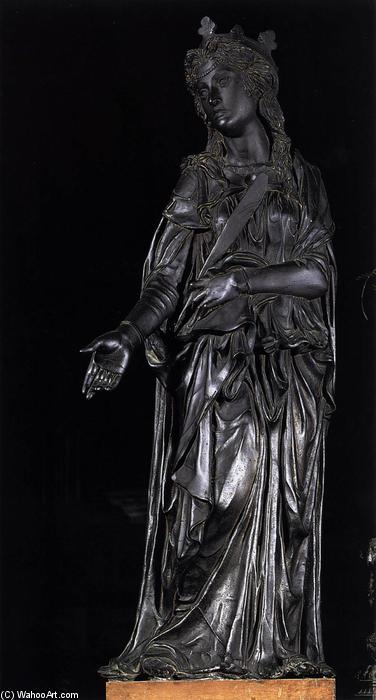
The photograph meticulously captures the interplay of light and shadow that is so integral to the sculpture's power. The directional lighting highlights the folds of the drapery, revealing the underlying musculature and creating a sense of movement within the static form. Notice how the shadows deepen in the recesses of the figure’s face, accentuating the lines of sorrow and regret. This masterful use of chiaroscuro—the dramatic contrast between light and dark—not only enhances the sculpture's visual impact but also serves to amplify its emotional resonance.
The composition itself is carefully considered. The figure is positioned slightly off-center, drawing the viewer’s eye to her outstretched hands – a gesture of supplication, offering, or perhaps both. Her downward gaze suggests introspection and humility, while the overall posture conveys a profound sense of vulnerability. It's a moment of intense emotional honesty, stripped bare of any embellishment or artifice.
A Timeless Testament to Human Experience
“Miracle of the Repentant Son” remains a profoundly moving work of art, offering a timeless reflection on themes of sin, redemption, and faith. Donatello’s masterful technique, combined with his profound understanding of human psychology, creates an image that continues to resonate with viewers centuries after its creation. It's a testament to the enduring power of art to explore the complexities of the human condition and to offer glimpses of hope amidst suffering.
Ähnliche Kunstwerke

Über den Künstler
Frühes Leben und Karriere
Donato di Niccolò di Betto Bardi, bekannt als Donatello, wurde um 1386 in Florenz, Italien geboren. Er studierte klassische Bildhauerei, was seine Entwicklung eines frühen Renaissance-Stils stark beeinflusste. Dieser neue Ansatz für Kunst und Kultur sollte schließlich zum Kennzeichen der florentinischen Renaissance werden.Schlüsselwerke und Innovationen
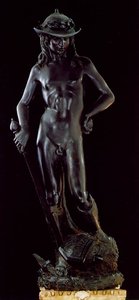
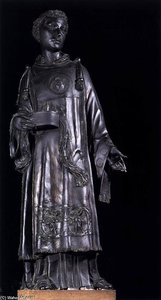
Donatellos berühmtestes Werk, David, war seit der Antike die erste freistehende nackte männliche Skulptur. Sie wurde von der Familie Medici in Auftrag gegeben und zeigte seinen innovativen Stil und seine technische Expertise. Zu den anderen bemerkenswerten Werken gehören:- St. Louis von Toulouse (jetzt im Museum der Basilika di Santa Croce), das einen klassischen Rahmen aufwies, der von Donatello entworfen wurde.
- Das Opfer des Isaak, geschaffen für den Campanile von Santa Maria del Fiore in Florenz, zeichnete sich durch starke Porträtdetails aus.
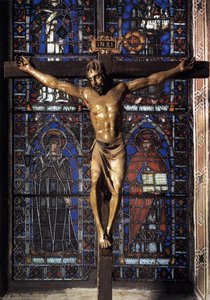
- Kreuzifix (1425) für Santa Croce, das Christus in einem Moment der Agonie darstellte.
Künstlerischer Stil und Vermächtnis
Donatellos Stil lässt sich in breite Phasen einteilen, beginnend mit der Entwicklung von Ausdruckskraft und klassischer Monumentalität. Seine Arbeit wurde nicht sofort von der Gemeinschaft akzeptiert, entwickelte sich aber schließlich zum beliebtesten und beeinflusste andere italienische Höfe und europäische Künstler. Wichtige Kunstbewegungen:Persönliches Leben und Arbeitsweise
Donatello war bekannt dafür, liebenswert und gutmütig zu sein, aber schlecht in der geschäftlichen Seite seiner Karriere. Er nahm oft mehr Aufträge an, als er bewältigen konnte, und vollendete Werke häufig verspätet oder übergab sie anderen Bildhauern. Bemerkenswerte Kunstwerke und Künstler:- Leonardo da Vinci: Ankündigung (Detail)
- Amico Aspertini: Statua di Pan/Leone che azzanna un cavallo
- Michelangelo Buonarroti: Tondo Pitt
Museen und Kunstsammlungen:
- Museo della Collegiata (Empoli, Italien): Ein verstecktes Juwel der Renaissance mit Werken von Francesco Botticini und Raffaello Botticini.
- Die frühe italienische Kunstbewegung der Renaissance
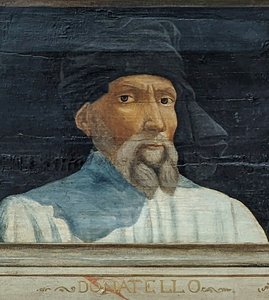
Donatello
1386 - 1466 , Italien
Kurzinfos
- Beeinflusste Künstler:
- Leonardo da Vinci
- Michelangelo Buonarroti
- Bemerkenswerte Werke:
- David
- St. Louis von Toulouse
- Das Opfer des Isaak
- Kreuzifix (1425)
- Geburtsdatum: ca. 1386
- Geburtsort: Florenz, Italien
- Künstlerische Bewegung:
- Frührenaissance
- Florentiner Renaissance
- Künstlerische Einflüsse: ['Antike Skulptur']
- Nationalität: Italiener
- Sterbedatum: 1466
- Vollständiger Name: Donatello (Donato di Niccolò)
Ähnliche Artikel

Die 10 legendärsten Bronzestatuen: Meisterwerke, die Kunstgeschichte schrieben | ArtsDot
Entdecken Sie die 10 legendärsten Bronzestatuen der Kunstgeschichte! Von Rodin bis Michelangelo – erfahren Sie die Geschichten hinter ikonischen Skulpturen und finden Sie hochwertige Reproduktionen für Ihr Zuhause. Jetzt bei ArtsDot entdecken!

Bronze-Meisterwerke: Die 10 Skulpturen, die Kunstgeschichte schrieben | ArtsDot
Entdecken Sie die 10 legendärsten Bronze Skulpturen der Kunstgeschichte! Von Michelangelo bis Rodin – erfahren Sie die Geschichten hinter den Meisterwerken und lassen Sie sich von Wanddeko-Ideen inspirieren. Hochwertige Kunstdrucke auf ArtsDot.com.

The Enduring Legacy of Bronze: A Historical & Artistic Exploration for the Collector
Explore the rich history & enduring appeal of bronze sculpture with expert insights for collectors at ArtsDot. Learn about casting techniques, iconic artists, collecting tips & contemporary interpretations.
The Enduring Legacy of Bronze: History, Technique & Artistic Expression for the Collector
Explore the rich history & enduring appeal of bronze sculpture with expert insights for collectors at ArtsDot. Learn about casting techniques, iconic artists, and collecting tips.
Das bleibende Erbe der Bronzeskulptur: Geschichte, Techniken und zeitgenössische Interpretationen
Entdecken Sie die faszinierende Geschichte der Bronzeskulptur – von den Anfängen bis zur modernen Kunst. Expertenwissen, Techniken & Tipps für Sammler.