

 Vorschau anzeigen
 Versenden
 Teilen
 Details anzeigen

 Herunterladen
 Ähnliche Objekte
 Röntgenaufnahme
 Diashow
 Statistiken
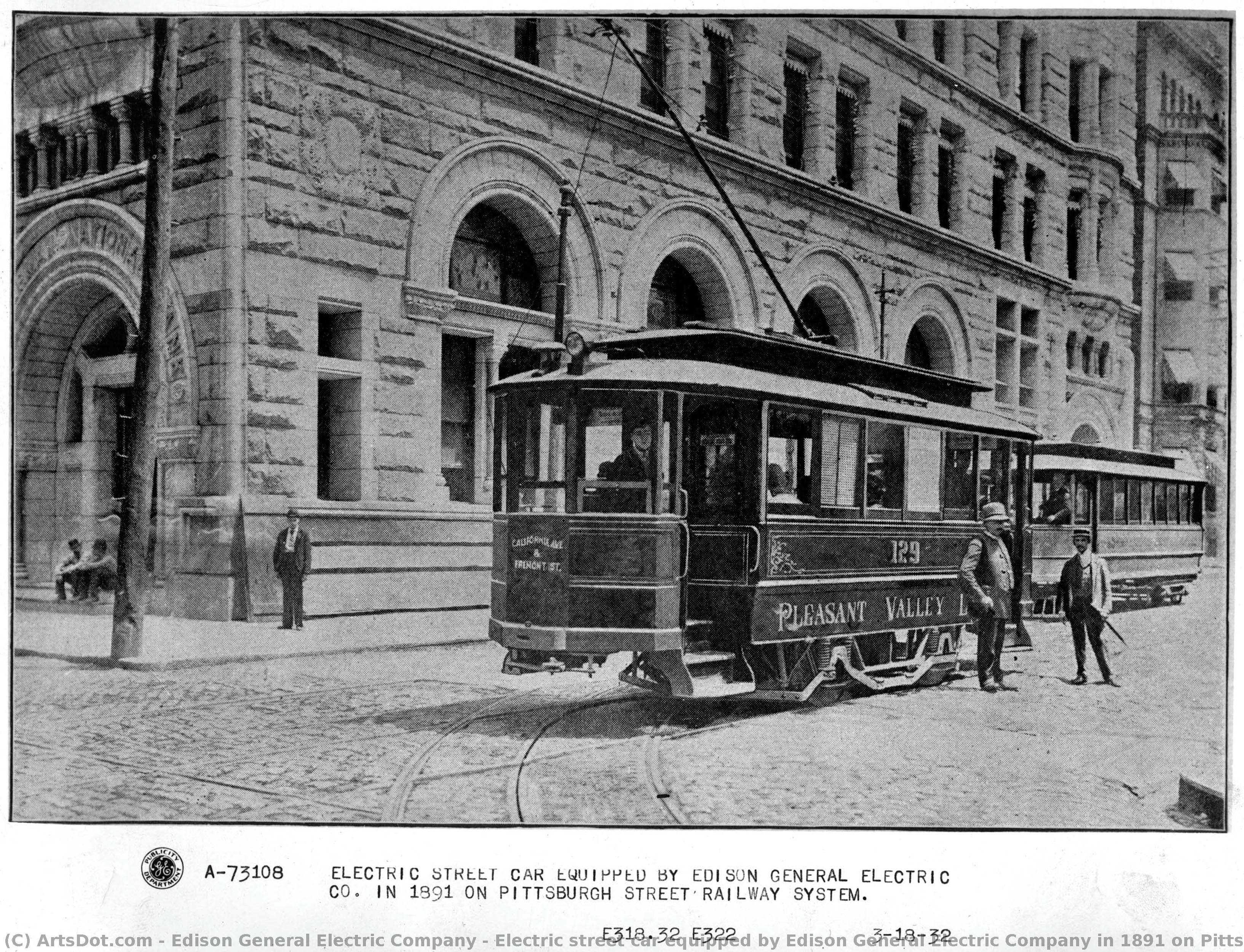
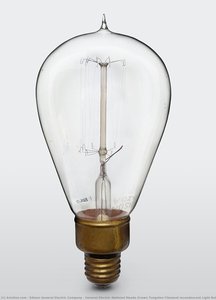
Electric street car equipped by Edison General Electric Company in 1891 on Pittsburgh Street Railway system


 Weiterlesen
Giclée / Kunstdruck
Giclée- oder Leinwanddruck in Museumsqualität mit schneller Produktion und flexiblen Veredelungsoptionen. ( Handgemalte Reproduktion bestellen Zum digitalen Bild wechseln)




































Wählen Sie aus unseren vordefinierten Formaten, die den ursprünglichen Proportionen des Kunstwerks entsprechen.

Sie können Ihre eigenen Maße eingeben, um ein bestimmtes Format oder einen speziellen Platz einzupassen. Wenn das von Ihnen gewählte Format nicht den Proportionen des Originalbildes entspricht, werden wir das Kunstwerk entweder beschneiden oder das Bild mit einem gespiegelten oder einfarbigen Rand erweitern. Ein digitaler Entwurf wird Ihnen zur Genehmigung zugesandt, bevor die Produktion beginnt.
Bitte beachten Sie, dass die Vorschau auf dem Bildschirm nicht den tatsächlichen Zuschnitt oder die Erweiterung widerspiegelt. Nur der Entwurf zeigt die endgültige Komposition präzise an.
Obwohl Sondermaße verfügbar sind, empfehlen wir die Auswahl eines Maßes aus der vordefinierten Liste, um die ursprünglichen Proportionen zu bewahren.
Weltweiter Versand () innerhalb von 2 Wochen statt der üblichen 4/5 Wochen. (9 September)

Kostenloser weltweiter Expressversand

Hochwertige Leinenleinwand

Umfassender Versicherungsschutz beim Versand

Zollgebühren-Rückerstattungsgarantie

Garantie für exakte Farbtreue

100-Tage-Rückgaberecht (nur bei Mängeln)

100% Geld-zurück-Garantie

Mengenrabatt verfügbar
 Die Glasoption ist nur für Größen unter 110 cm verfügbar.

Electric street car equipped by Edison General Electric Company in 1891 on Pittsburgh Street Railway system
Giclée / Kunstdruck
Format der Reproduktion
-


Gesamtpreis
$ 62
Ähnliche Kunstwerke


Über den Künstler
The Illumination of Progress: Edison General Electric Company and the Art of Industrial Innovation
The name Edison is synonymous with invention, but less often recognized is the artistic legacy born from the practical application of his genius – that of the Edison General Electric Company. While not a traditional artist in the conventional sense, the company’s impact on visual culture, particularly through its pioneering work in electric lighting, constitutes a significant chapter in the history of art and design. Founded in 1878 as the Edison Electric Illuminating Company, it quickly evolved into Edison General Electric, becoming a driving force behind the electrification of America and beyond. This wasn’t merely about providing light; it was about reshaping environments, altering perceptions of time and space, and ultimately, creating new aesthetic possibilities. The company's early endeavors weren’t simply engineering feats but carefully considered presentations designed to demonstrate the superiority – and allure – of electric illumination over gaslight. Showrooms were meticulously crafted, showcasing not just bulbs but also the elegant fixtures that housed them, often drawing inspiration from contemporary decorative arts movements like Art Nouveau and Aestheticism.From Demonstration Rooms to Domestic Spheres: Shaping a New Visual Landscape
The initial focus of Edison General Electric was convincing a skeptical public of the viability – and desirability – of electric light. This involved establishing demonstration rooms in major cities, spaces that functioned as both laboratories and galleries. These weren’t sterile environments; they were deliberately designed to evoke feelings of comfort, luxury, and modernity. The soft, steady glow of incandescent lamps contrasted sharply with the flickering, smoky ambiance of gaslight, offering a promise of cleaner, safer, and more refined illumination. The company actively collaborated with designers and architects to create fixtures that complemented various interior styles. Early advertising campaigns didn’t simply tout technical specifications; they emphasized the social benefits of electric light – extended working hours, increased safety, and enhanced domestic comfort. This marketing strategy was intrinsically linked to shaping a new visual landscape, one where homes and businesses were bathed in a welcoming, controllable radiance. The transition from public demonstration to widespread adoption saw the company producing increasingly affordable and aesthetically pleasing lighting solutions for the burgeoning middle class.Influences and Technical Innovations: A Synthesis of Art and Engineering
Edison General Electric’s aesthetic development wasn't isolated; it was deeply influenced by prevailing artistic trends. The Arts and Crafts movement, with its emphasis on handcrafted quality and natural forms, resonated in the design of some early fixtures. However, the company also embraced the emerging possibilities of industrial production, utilizing new materials like pressed glass and metal alloys to create intricate and ornate designs that would have been impossible through traditional methods. The development of the carbon filament bulb itself was a crucial artistic achievement. The delicate, glowing thread within the glass enclosure became an object of fascination, symbolizing both scientific progress and aesthetic beauty. Furthermore, the company’s engineers weren't solely focused on functionality; they experimented with different glass shapes, colors, and surface textures to enhance the visual appeal of their products. The pursuit of a longer-lasting, brighter bulb directly impacted design choices – larger bulbs allowed for more elaborate fixture designs, while colored glass offered opportunities for creating mood lighting and decorative effects.Major Achievements and Lasting Legacy: The Electric Age Illuminated
Edison General Electric’s most significant achievement was undoubtedly the widespread adoption of electric light, fundamentally altering the rhythm of daily life and transforming urban environments. However, beyond this practical impact, the company played a crucial role in establishing a new aesthetic vocabulary for the modern age. The standardization of the screw-in light bulb socket, while seemingly mundane, was pivotal in enabling mass production and widespread accessibility. This allowed for greater experimentation with fixture designs and ultimately democratized access to electric illumination. The company’s early advertising campaigns and showroom displays helped cultivate a public appetite for modern design, paving the way for subsequent innovations in lighting technology and interior aesthetics. The influence of Edison General Electric can be seen in countless examples of Art Deco architecture and industrial design from the 20th century, where electric light is not merely a functional element but an integral component of the overall aesthetic vision. The company’s legacy extends beyond specific designs; it lies in its pioneering role in shaping our perception of light itself – as a source of beauty, comfort, and progress.Historical Significance: Beyond the Bulb
Today, Edison General Electric (later GE Lighting) stands as a testament to the power of innovation and the often-overlooked artistic dimensions of industrial design. The company’s story is a reminder that even seemingly utilitarian objects can be imbued with aesthetic value and cultural significance.- Its early showrooms served as proto-museums, showcasing not just products but also the potential of a new technology to transform society.
- The collaborative relationship between engineers and designers fostered a unique synthesis of art and engineering.
- The company’s marketing strategies played a crucial role in shaping public perceptions of modernity and domestic comfort.
Ähnliche Artikel

Witnessing History Through Lens & Light: Documentary Photography's Enduring Legacy
Explore the powerful history of documentary photography – from its origins to contemporary masters like Gordon Parks & W. Eugene Smith. Discover how this art form shapes our understanding of society and witness pivotal moments in time.

Monochrome Visions: Exploring the Aesthetic & Historical Significance of Black & White Photography
Explore the rich history & artistic power of black and white photography. From early techniques to iconic masters like Ansel Adams, discover why monochrome continues to captivate art lovers today. Expert insights for collectors.

Pictorialism: A Search for Artistic Photography's Soul – Aesthetics, Techniques & Legacy
Explore the captivating world of Pictorialism – a pivotal movement that transformed photography into fine art. Discover key artists like Stieglitz & Käsebier, techniques, and collecting tips from experts.

Die 10 Meisterwerke der Dokumentarfotografie – Kunst für Ihr Zuhause |
Entdecken Sie die 10 prägendsten Meisterwerke der Dokumentarfotografie! Von Cartier-Bresson bis Capa – erleben Sie ikonische Bilder, ihre Geschichte & Techniken. Hochwertige Reproduktionen für Ihr Zuhause auf

Beyond the Lens: Photography's Enduring Influence on Modern & Contemporary Art
Explore photography's pivotal role in shaping modern & contemporary art. Discover key movements, influential artists like Stieglitz, and expert collecting advice from ArtsDot.