 Vorschau anzeigen
 Versenden
 Teilen
 Details anzeigen

 Herunterladen
 Ähnliche Objekte
 Röntgenaufnahme
 Diashow
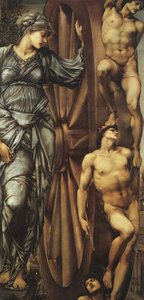
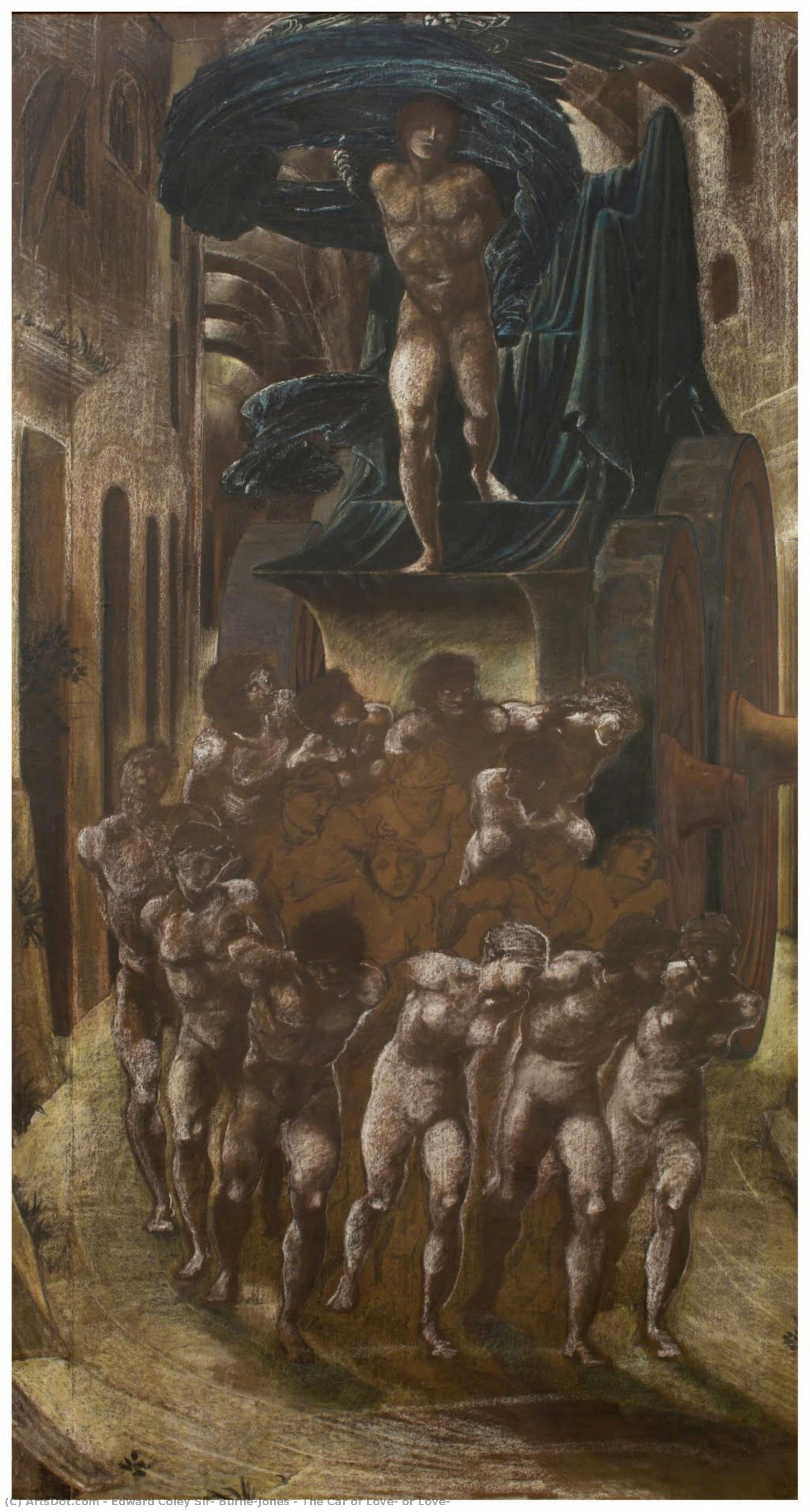
The Car of Love, or Love
 Acrylic On Canvas
- WallArt
- Pre-Raphaelite Brotherhood
 1800
1800 39.0 x 16.0 cm
 Auckland Art Gallery Toi o Tāmaki
 Weiterlesen
Giclée / Kunstdruck
Giclée- oder Leinwanddruck in Museumsqualität mit schneller Produktion und flexiblen Veredelungsoptionen. ( Handgemalte Reproduktion bestellen Bild kaufen)




P118B $10

P118H $10

P118W $10

P438Z $10

P508JH $12

P508YH $12

P805H $10

P805Z $10

P919BZ $10

P919G $10

P919XJ $10

P959ZH $10

P968JZ $12

W106C $8

W218G $10

W218JH $8

W218Y $10

W307PJ $10

W316G $10

W316PJ $8

W316Y $10

W398PJ $8

W4111J $10

W500HY $15

W500JH $15

W692G $12

W849H $8

W940BG $15

W953PJ $8




Wählen Sie aus unseren vordefinierten Formaten, die den ursprünglichen Proportionen des Kunstwerks entsprechen.

Sie können Ihre eigenen Maße eingeben, um ein bestimmtes Format oder einen speziellen Platz einzupassen. Wenn das von Ihnen gewählte Format nicht den Proportionen des Originalbildes entspricht, werden wir das Kunstwerk entweder beschneiden oder das Bild mit einem gespiegelten oder einfarbigen Rand erweitern. Ein digitaler Entwurf wird Ihnen zur Genehmigung zugesandt, bevor die Produktion beginnt.
Bitte beachten Sie, dass die Vorschau auf dem Bildschirm nicht den tatsächlichen Zuschnitt oder die Erweiterung widerspiegelt. Nur der Entwurf zeigt die endgültige Komposition präzise an.
Obwohl Sondermaße verfügbar sind, empfehlen wir die Auswahl eines Maßes aus der vordefinierten Liste, um die ursprünglichen Proportionen zu bewahren.
Weltweiter Versand () innerhalb von 2 Wochen statt der üblichen 4/5 Wochen. (26 August)

Kostenloser weltweiter Expressversand

Hochwertige Leinenleinwand

Umfassender Versicherungsschutz beim Versand

Zollgebühren-Rückerstattungsgarantie

Garantie für exakte Farbtreue

60 Tage Rückgaberecht (nur bei Mängeln)

100% Geld-zurück-Garantie

Mengenrabatt verfügbar
 Die Glasoption ist nur für Größen unter 110 cm verfügbar.

The Car of Love, or Love
Giclée / Kunstdruck
Format der Reproduktion
-


Gesamtpreis
$ 62
Sammlerstück-Beschreibung
The Mythic Embrace of Siena: Exploring Burne-Jones’s “The Car of Love”
Edward Coley Burne-Jones (1833 – 1898), a titan of Victorian art, didn't merely depict scenes; he wrestled them from the pages of myth and legend into tangible form. His magnum opus, "The Car of Love," housed in the Victoria and Albert Museum in London, stands as a testament to his unwavering belief in the transformative power of storytelling and the enduring fascination with medieval symbolism. This monumental canvas isn’t simply a beautiful image; it's an invitation to delve into a narrative steeped in passion, loss, and ultimately, acceptance – themes that resonate powerfully even today.A Vision Born from Tuscan Inspiration
Burne-Jones’s artistic journey began amidst the industrial fervor of Birmingham, shaped by formative experiences including the untimely passing of his mother. His father instilled in him a love for literature and contemplation, while Ann Sampson provided unwavering support during his childhood years. Exeter College nurtured his burgeoning talent, fostering an enduring friendship with William Morris – a partnership that would propel them to establish the Pre-Raphaelite Brotherhood, a movement dedicated to reviving artistic ideals rooted in medieval art and literature. The breathtaking beauty of Tuscany in 1870 profoundly impacted Burne-Jones’s creative sensibilities, fueling his desire to capture its grandeur on canvas. This influence is palpable in “The Car of Love,” where Siena's winding lanes serve as a visual anchor for the unfolding drama.Technical Mastery and Symbolism’s Dance
Burne-Jones employed meticulous technique – primarily oil paint on canvas – achieving remarkable detail and luminosity. He painstakingly layered pigments, utilizing glazing techniques to imbue the figures with an ethereal glow that captures the very essence of their emotional state. The composition itself is deliberately unsettling; a chariot driven relentlessly forward by unseen forces carries four nude figures—a man, a woman, and two youths—representing idealized forms of masculinity and femininity. These figures are not merely aesthetically pleasing; they embody archetypal roles within mythic narratives – representing Eros (love), Psyche (soul), Virtue, and Beauty. The chariot’s movement symbolizes the inescapable passage of time and the relentless pursuit of unattainable desires.The Heartbreak Behind the Ideal
Beneath the surface beauty lies a poignant tale of thwarted romance. Burne-Jones drew inspiration from his own tumultuous affair with Maria Zambaco, whose radiant red hair and alabaster skin captivated him. Their relationship ended tragically, mirroring the central conflict within the painting – the futile struggle against fate and the acceptance of inevitable sorrow. The anguished expressions on the figures’ faces convey this profound sadness, reminding viewers that even idealized beauty cannot shield us from the realities of human experience. Burne-Jones's masterful portrayal captures not just a mythological scene but also the deeply personal torment of artistic creation itself.A Legacy Enduring Through Reproduction
“The Car of Love” continues to inspire artists and collectors alike, its dramatic imagery and evocative symbolism transcending time. High-quality reproductions offer an opportunity to experience Burne-Jones’s vision firsthand, allowing admirers to appreciate the intricacies of his technique and contemplate the enduring themes explored within this unforgettable masterpiece. Its place in art history secures its position as a cornerstone of Victorian Romanticism—a testament to Burne-Jones's ability to transform myth into emotionally resonant visual storytelling.Ähnliche Kunstwerke
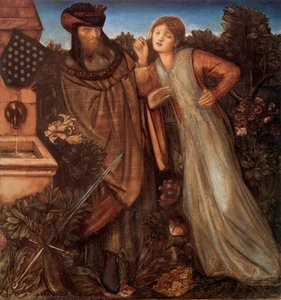
Über den Künstler
Frühes Leben und Ausbildung
Edward Coley Burne-Jones, ein renommierter britischer Künstler und Designer, wurde am 28. August 1833 in Birmingham, im Vereinigten Königreich, geboren. Sein frühes Leben war geprägt vom Tod seiner Mutter, Elizabeth Coley Jones, sechs Tage nach seiner Geburt. Er wurde von seinem Vater, Edward Richard Jones, und der Familienvermieterin Ann Sampson aufgezogen. Burne-Jones besuchte ab 1844 die King Edward VI Grammar School und studierte später von 1848 bis 1852 an der Birmingham School of Art.Akademische Laufbahn und die Brotherhood
Burne-Jones widmete sich am Exeter College in Oxford der Theologie, wo er William Morris begegnete. Gemeinsam mit einer Gruppe von Freunden aus Birmingham, dem sogenannten "Birmingham Set", gründeten sie eine intime Gesellschaft namens "die Brotherhood". Diese Zeit war geprägt vom Einfluss John Russkins und Tennysons auf ihre Arbeit sowie Besuchen von Kirchen und der Verehrung des Mittelalters.Künstlerische Karriere und bemerkenswerte Werke
Burne-Jones' künstlerische Karriere blühte in verschiedenen Medien, darunter Malerei, Glasmalerei und dekorative Kunst, auf. Seine frühen Gemälde waren vom Stil Dante Gabriel Rossettis beeinflusst, doch er entwickelte bald seinen eigenen einzigartigen Stil. Zu seinen bemerkenswertesten Werken zählen:- The Beguiling of Merlin, das 1877 in der Grosvenor Gallery ausgestellt wurde und seinen Aufstieg zum Star der Ästhetischen Bewegung markierte.
- Glasmalereien in verschiedenen Kirchen, wie z.B. St. Philip's Cathedral in Birmingham und Holy Trinity Church in Sloane Square, Chelsea.
- Zusammenarbeiten mit William Morris an dekorativen Kunstwerken, einschließlich Designs für Morris, Marshall, Faulkner & Co.
Persönliches Leben und späte Jahre
Burne-Jones heiratete 1860 Georgiana "Georgie" Macdonald, mit der er drei Kinder hatte. Seine späteren Jahre waren von einer leidenschaftlichen Affäre mit seiner griechischen Modellin Maria Zambaco geprägt, die in ihrem Selbstmordversuch endete. Trotzdem blieb Burne-Jones bis zu seinem Tod am 17. Juni 1898 bei seiner Frau.Vermächtnis und Einfluss
Edward Coley Burne-Jones' Beiträge zur Präraffaelitenbewegung und seine innovativen Glasmalereien haben einen bleibenden Eindruck in der britischen Kunst hinterlassen. Sein Einfluss ist in verschiedenen Bereichen der dekorativen Kunst sichtbar, von Keramikfliesen bis hin zu Schmuck.- Erkunden Sie weitere Werke von Burne-Jones auf ArtsDot.com.
- Entdecken Sie die British Council Collection, mit bemerkenswerten Künstlern, in den Kunstsammlungen von ArtsDot.
Referenzen:
- wikipedia: edward burne-jones
- Wabot Kunstassistent von ArtsDot für Einblicke in Kunst und Künstler.
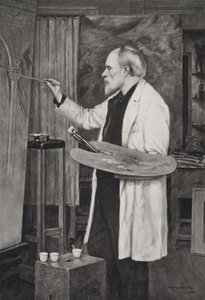
Edward Coley Burne-Jones
1833 - 1898 , Vereinigtes Königreich
Kurzinfos
- Beeinflusste Künstler/Bewegungen:
- Dekorative Kunst
- Keramikfliesen, Schmuck
- Bemerkenswerte Werke:
- The Beguiling of Merlin
- Drei weibliche Figuren
- Fides
- Einflussreiche Künstler:
- Dante Gabriel Rossetti
- John Ruskin
- Tennyson
- Geburtsdatum: 28. August 1833
- Geburtsort: Birmingham, Vereinigtes Königreich
- Künstlerische Bewegung: Präraffaeliten, Ästhetizismus
- Nationalität: Britisch
- Todatum: 17. Juni 1898
- Vollständiger Name: Edward Coley Burne-Jones
Ähnliche Artikel
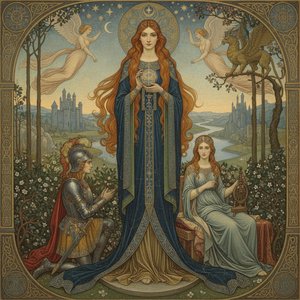
Edward Burne-Jones: Eine präraphaelitische Vision von Mythos, Symbolik und ästhetischem Idealismus
Entdecken Sie das faszinierende Werk von Edward Burne-Jones und die präraphaelitische Bewegung! Analysen, Hintergrundinformationen & hochwertige Reproduktionen bei ArtsDot.
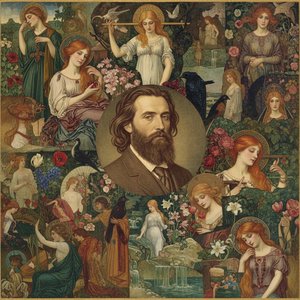
Dante Gabriel Rossetti: Die 25 Meisterwerke des Präraffelitismus | ArtsDot
Entdecken Sie die 25 schönsten Gemälde von Dante Gabriel Rossetti! Tauchen Sie ein in die Welt der Präraffeliten, symbolistischer Kunst & viktorianischer Romantik. Hochwertige Reproduktionen für Ihr Zuhause – jetzt bei ArtsDot.com!
The Pre-Raphaelite Brotherhood: A Rebellion of Beauty & Medieval Revival
Explore the captivating world of the Pre-Raphaelite Brotherhood! Discover their rebellion against academic art, iconic masterpieces, and lasting influence on Victorian aesthetics. Learn about Rossetti, Burne-Jones & more.
Edward Hopper: Die 25 Meisterwerke des amerikanischen Realismus | ArtsDot
Entdecken Sie die 25 Meisterwerke von Edward Hopper! Tauchen Sie ein in amerikanische Kunst, Realismus & Isolation. Hochwertige Reproduktionen & Inspiration für Ihr Zuhause bei ArtsDot.com.
The Pre-Raphaelite Brotherhood: Rebellion, Romance & Medieval Revival
Explore the captivating world of the Pre-Raphaelite Brotherhood! Discover their rebellious spirit, iconic masterpieces & lasting influence on art history. Learn about Rossetti, Millais & more.