 Versenden
 Teilen
 Details anzeigen

 Herunterladen
 Ähnliche Objekte
 Diashow
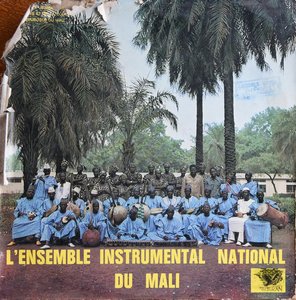
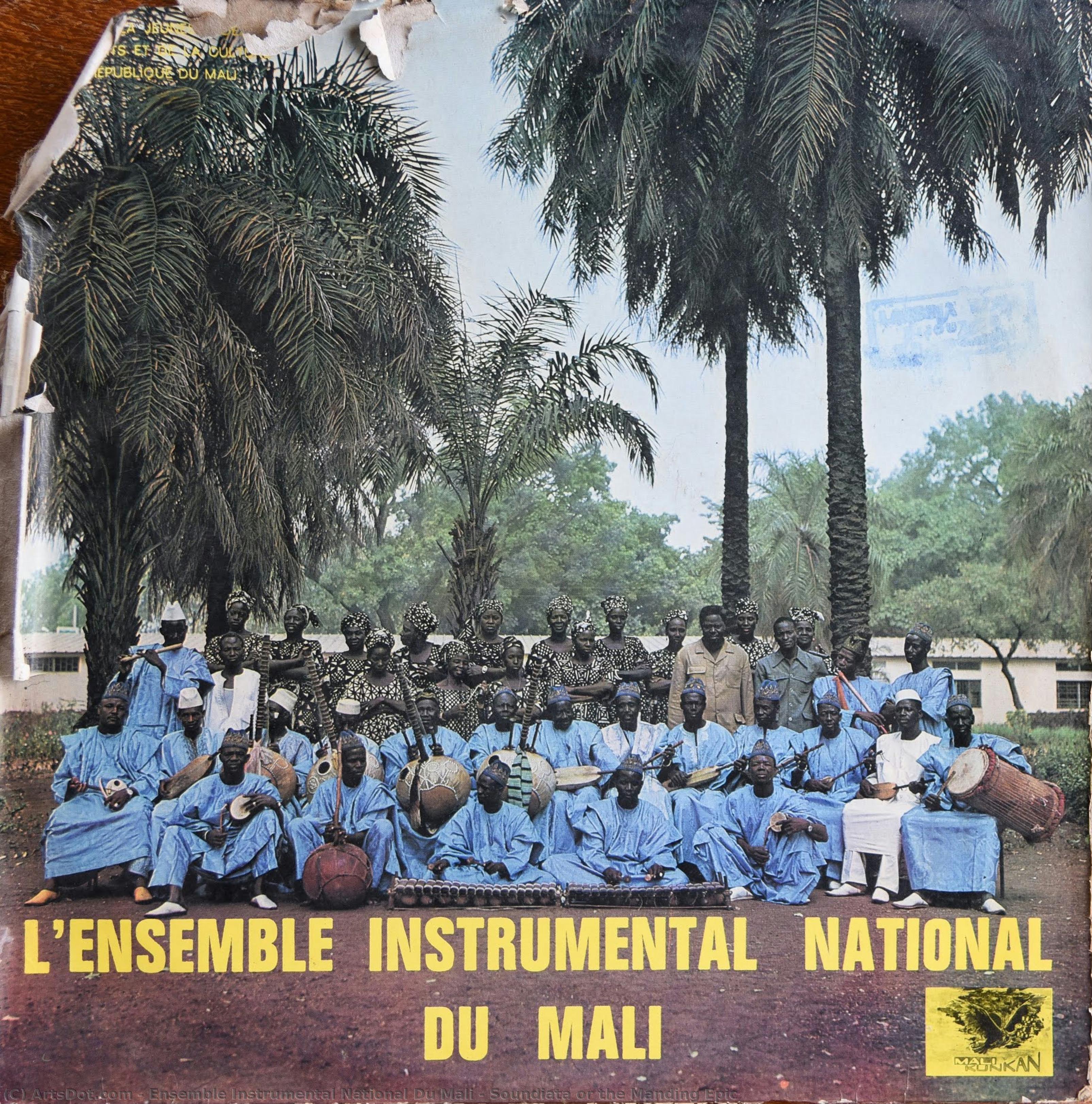
Soundiata or the Manding Epic


 Weiterlesen
Erwerben Sie ein hochauflösendes, optimiertes digitales Bild, das der Online-Vorschau weit überlegen ist.
Jede Datei wird von unseren hauseigenen Spezialisten mit modernsten Werkzeugen und fachmännischer manueller Retusche sorgfältig vorbereitet. Wir stellen sicher, dass jedes Bild eine außergewöhnliche Klarheit, präzise Farbgenauigkeit und feinste Details aufweist.
Die endgültige Datei wird innerhalb von 72 Stunden per E-Mail zugestellt und ist für den sofortigen Einsatz in professionellen, redaktionellen und Druckumgebungen optimiert. Es handelt sich um dieselbe Qualität, der führende Designstudios, Verlage und Galerien vertrauen.
Digitales Bild
Laden Sie eine hochauflösende Datei für die persönliche Präsentation, den Druck und kreative Projekte herunter. ( Druck bestellen Handgemalte Reproduktion bestellen)
In jeder Bestellung digitaler Bilder enthalten
Professionelle digitale Bereitstellung, garantiert
Wenn Sie sich für ArtsDot.com entscheiden, erhalten Sie nicht nur ein Bild – Sie erhalten ein professionell aufbereitetes digitales Kunstwerk, das mit höchster Präzision erstellt und durch eine Zufriedenheitsgarantie abgesichert wird. Hier ist alles, was automatisch mit Ihrer Bestellung geliefert wird:

Schnelle E-Mail-Zustellung
Ihre hochauflösende digitale Bilddatei wird Ihnen innerhalb von 72 Stunden nach der Bestellung per E-Mail zugestellt – bereit zur sofortigen Verwendung.

KI-optimierte digitale Datei
Ihre Kunstwerke werden professionell mithilfe fortschrittlicher KI-Tools und manueller Bearbeitung optimiert, um maximale Detailtreue, Klarheit und Farbgenauigkeit zu gewährleisten.

Lebenslanger kostenloser Neudruckservice
Datei versehentlich gelöscht oder verloren? Keine Sorge – wir senden sie Ihnen jederzeit kostenlos erneut zu.

Keine Einfuhrgebühren – jemals
Genießen Sie Ihr Kunstwerk sofort ohne Zollgebühren, Einfuhrabgaben oder Versandkosten – digitale Downloads sind immer steuerfrei.

Garantierte Farbtreue
Wir garantieren, dass Ihr digitales Bild mithilfe professioneller Werkzeuge und Farbmanagement die Originalfarben so präzise wie möglich wiedergibt.

60-Tage-Zufriedenheitsgarantie
Sollten Sie mit Ihrem digitalen Bild nicht zufrieden sein, werden wir es überarbeiten oder Ihnen innerhalb von 60 Tagen 100% erstatten – ohne Wenn und Aber.

100% Geld-zurück-Garantie
Nicht zufrieden? Erhalten Sie innerhalb von 60 Tagen nach Erhalt Ihrer digitalen Datei eine vollständige Rückerstattung – ohne Angabe von Gründen.

Rabatte bei Großbestellungen
3 Bilder kaufen, 10% sparen – 5 Bilder kaufen, 15% sparen – Ab 10 Bildern 20% sparen. Ideal für kreative Projekte, Galerien und Agenturen.
Ähnliche Kunstwerke
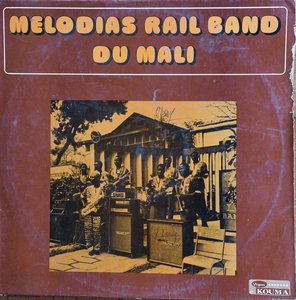
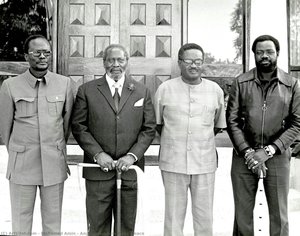
![Les Apprentis Mécanicians Au Garage Dramane [trainees At The Garage Dramane - Car Repair Shop] — Malick Sidibé, Contemporary Realism](/media/artworks/images-thumb/46/ad/46ad88f7fa24ecc51ecb44b49a2a6c55.jpg)
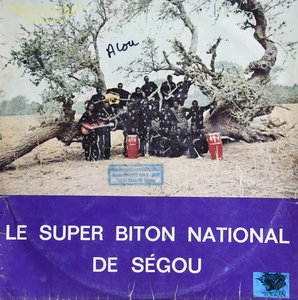
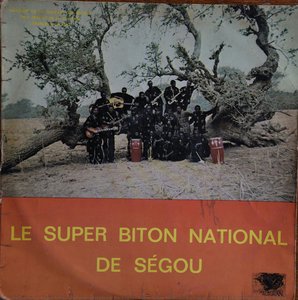
Biografie des Künstlers
The Voices of a Nation: Ensemble Instrumental National Du Mali
The Ensemble Instrumental National du Mali, often simply known as the Malian National Instrument Ensemble, represents far more than just a musical group; it is a living embodiment of West African cultural heritage. Founded in 1961 following independence from France, the ensemble was conceived as a deliberate act of nation-building, a project to collect, preserve, and promote the diverse musical traditions that constituted Mali’s identity. In a newly independent nation striving to forge its own path, music became a powerful tool for unity and self-expression. The initial impetus came from the Ministry of Culture, recognizing the urgent need to document oral traditions before they were lost amidst modernization and globalization. The ensemble wasn't created as a homogenous unit but rather as a collective of master musicians representing different ethnic groups – Bambara, Mandinka, Soninke, Dogon, Peulh (Fulani), and others – each bringing their unique instruments, vocal styles, and repertoire to the table. This deliberate inclusivity was crucial; it wasn’t about creating a single “Malian” sound but celebrating the rich tapestry of sounds *within* Mali. Early expeditions across the country were undertaken, recording performances, transcribing melodies, and learning directly from griots – the traditional storytellers, musicians, and keepers of history.A Synthesis of Tradition and Innovation
The early years of the Ensemble Instrumental National du Mali were dedicated to this intensive process of documentation and arrangement. Rather than simply replicating existing performances, the ensemble began a fascinating experiment in synthesis. Traditional instruments like the *ngoni* (a lute-like instrument), the *kora* (a 21-string harp-lute), the *balafon* (a wooden xylophone), various drums (*djembe*, *dunun*, etc.), and flutes were combined with Western orchestral instruments – violins, cellos, trumpets – creating a unique sonic landscape. This wasn’t about imposing Western aesthetics onto Malian music; instead, it was an attempt to find common ground, to explore the possibilities of dialogue between different musical worlds. Arrangements often involved layering complex polyrhythms with melodic lines played on both traditional and Western instruments, resulting in pieces that were simultaneously deeply rooted in African tradition and strikingly modern. This innovative approach quickly gained international recognition. The ensemble’s performances weren't merely concerts; they were immersive experiences, often accompanied by dance, storytelling, and elaborate costumes, offering audiences a glimpse into the vibrant cultural life of Mali. Key figures during this period included Djelimady Tounkara, a master *ngoni* player who became a central figure in shaping the ensemble’s sound, and Lamine Soumano, renowned for his virtuosity on the *kora*.Global Ambassadors of Malian Culture
Throughout the 1970s and 80s, the Ensemble Instrumental National du Mali embarked on numerous international tours, becoming de facto ambassadors of Malian culture. They performed at prestigious venues around the world – Carnegie Hall in New York, the Olympia in Paris, festivals across Europe and Asia – captivating audiences with their energetic performances and unique sound. These tours weren’t just about showcasing Malian music; they were also opportunities for cultural exchange, fostering understanding and appreciation between different cultures. The ensemble collaborated with musicians from various backgrounds, further expanding its musical horizons. Recordings during this period helped to solidify the ensemble's reputation. Albums like “Mali Koura” (1978) and “N’Goni Ba” (1982) became seminal works in world music, introducing audiences to the beauty and complexity of Malian musical traditions. The ensemble also played a crucial role in inspiring a new generation of Malian musicians, paving the way for artists like Salif Keita, Toumani Diabaté, and Ali Farka Touré who would later achieve international stardom.Challenges and Continued Legacy
Despite its success, the Ensemble Instrumental National du Mali faced numerous challenges over the years. Political instability in Mali, coupled with economic difficulties, led to funding cuts and a decline in support for cultural institutions. The ensemble experienced periods of inactivity and internal strife, as musicians struggled to maintain their artistic vision amidst changing circumstances. However, despite these setbacks, the spirit of the ensemble endured. In recent decades, there have been renewed efforts to revitalize the group, with younger generations of musicians joining forces with veteran members to continue its mission.- The ensemble continues to perform and record, albeit on a smaller scale.
- Workshops and educational programs are organized to transmit traditional musical knowledge to future generations.
- Collaborations with contemporary artists help to keep the music relevant and accessible to new audiences.