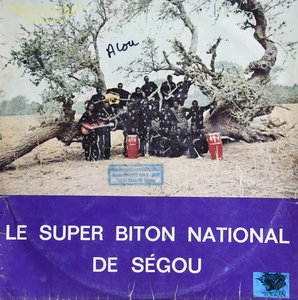
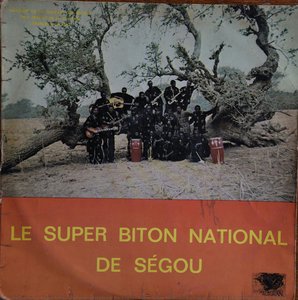
The Rhythmic Soul of Mali: Super Biton de Ségou
Super Biton de Ségou, a name synonymous with the vibrant musical landscape of Mali, represents more than just a band; it embodies a cultural movement that blossomed in the 1970s and continues to resonate today. Emerging from the historic city of Ségou in the 1960s, this ensemble rose to prominence as the nation’s orchestra, weaving together traditional Bambara rhythms with influences from Cuban jazz and other West African styles. Their story is one of artistic innovation, national pride, and resilience, marked by periods of flourishing success followed by challenges and a triumphant return.
Origins and Early Evolution
The seeds of Super Biton were sown in the mid-1960s, a period of burgeoning independence across Africa. Mali’s government actively fostered regional orchestras as part of its national identity building efforts, encouraging them to compete in events like the “Semaines Nationales” – later known as Biennales. The orchestra that would become Super Biton initially formed as one such regional ensemble representing Ségou. Early success at these competitions laid the foundation for their growing popularity and recognition. The band’s name itself is a tribute to Bitòn Coulibaly, a legendary leader of the Bamana kingdom, immediately grounding their music in a rich historical context.
A pivotal moment arrived in 1970 with the inaugural Biennale culturelle, established by President Moussa Traoré. This event propelled Super Biton into national stardom, and they began to distinguish themselves through a deliberate fusion of traditional Bambara dance rhythms with contemporary instrumentation – horns, guitars, and percussion. This wasn’t merely an aesthetic choice; it was a conscious effort to create music that reflected the diverse cultural tapestry of Mali, incorporating elements from Fulani, Mandingo, and Somono traditions alongside their core Bambara influences.
The Golden Age: National Orchestra Status
By the mid-1970s, Super Biton had earned the title of “national orchestra,” a testament to their widespread appeal and cultural significance. The band swelled in size, reaching up to 19 members, and amassed an impressive repertoire of over 200 songs. This period was characterized by a unique mandate: to showcase Mali’s rich heritage through music that was both entertaining and educational. Vocalists like Mamadou Doumbia (“Percé”), Toussaint Siané, and Papa Gaoussou Diarra (“Papus”) became household names, while the dynamic guitar work of Mama Sissoko and the arrangements led by Amadou Bâ defined their signature sound.
The band’s music wasn't simply about entertainment; it was deeply intertwined with the socio-political climate of the time. Songs were intended to inspire hard work, courage, and national pride among Malian youth. They even ventured into fieldwork, recording traditional ceremonial songs from rural communities – a testament to their commitment to preserving and celebrating Mali’s diverse oral traditions. Albums released under the name Super Biton National de Ségou further solidified their position as cultural ambassadors.
Challenges and Rebirth
The late 1980s brought significant challenges for Super Biton. Their status as civil servants, while providing stability, also created limitations. Internal tensions, the loss of key members, and financial difficulties led to a decline in activity after 1986, following Amadou Bâ’s departure. The band faced near-disintegration, with some musicians retiring from music altogether.
However, the story didn't end there. In 2001, Super Biton experienced a remarkable rebirth, fueled by a renewed interest in their music and the opportunity to perform at the annual Festival sur le Niger in Ségou. Guitarist Mama Sissoko stepped into the role of band leader, assembling a new lineup that included original members like Toussaint and Papus alongside fresh talent. This re-formed Super Biton not only revived their classic sound but also introduced it to a new generation of listeners.
Legacy and Historical Significance
Super Biton de Ségou’s enduring legacy lies in their pioneering fusion of traditional Malian music with contemporary jazz influences, creating a uniquely vibrant and captivating sound. They were instrumental in establishing a national musical identity for Mali during a crucial period of post-colonial development. Their commitment to preserving cultural heritage through fieldwork and incorporating diverse regional traditions set them apart as more than just performers; they were cultural custodians.
Today, Super Biton continues to perform, captivating audiences with their infectious energy and timeless melodies. They stand as a powerful symbol of Mali’s rich musical history and a testament to the enduring power of artistic collaboration and cultural pride. Their music remains a vital force in the West African soundscape, inspiring musicians and celebrating the soul of a nation.