

 Vorschau anzeigen
 Versenden
 Teilen
 Details anzeigen

 Herunterladen
 Ähnliche Objekte
 Röntgenaufnahme
 Diashow
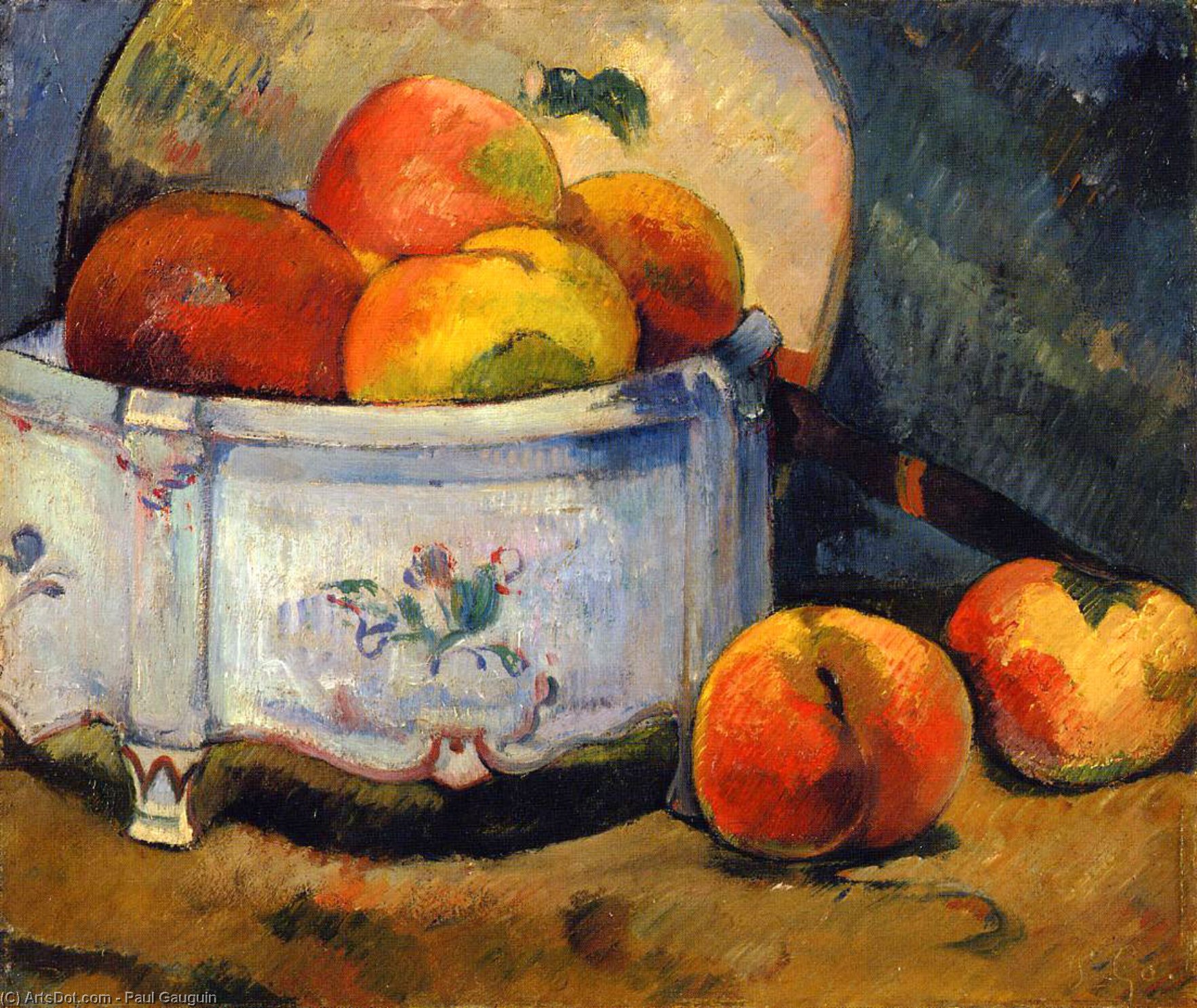
Still Life with Peaches
 Öl auf Tafel
- Post-Impressionism
 1889
1889- 19. Jahrhundert
 26.0 x 31.0 cm
 Fogg Art Museum
 Weiterlesen
Erwerben Sie ein hochauflösendes, optimiertes digitales Bild, das der Online-Vorschau weit überlegen ist.
Jede Datei wird von unseren hauseigenen Spezialisten mit modernsten Werkzeugen und fachmännischer manueller Retusche sorgfältig vorbereitet. Wir stellen sicher, dass jedes Bild eine außergewöhnliche Klarheit, präzise Farbgenauigkeit und feinste Details aufweist.
Die endgültige Datei wird innerhalb von 72 Stunden per E-Mail zugestellt und ist für den sofortigen Einsatz in professionellen, redaktionellen und Druckumgebungen optimiert. Es handelt sich um dieselbe Qualität, der führende Designstudios, Verlage und Galerien vertrauen.
Digitales Bild
Laden Sie eine hochauflösende Datei für die persönliche Präsentation, den Druck und kreative Projekte herunter. ( Druck bestellen Handgemalte Reproduktion bestellen)
In jeder Bestellung digitaler Bilder enthalten
Professionelle digitale Bereitstellung, garantiert
Wenn Sie sich für ArtsDot.com entscheiden, erhalten Sie nicht nur ein Bild – Sie erhalten ein professionell aufbereitetes digitales Kunstwerk, das mit höchster Präzision erstellt und durch eine Zufriedenheitsgarantie abgesichert wird. Hier ist alles, was automatisch mit Ihrer Bestellung geliefert wird:

Schnelle E-Mail-Zustellung
Ihre hochauflösende digitale Bilddatei wird Ihnen innerhalb von 72 Stunden nach der Bestellung per E-Mail zugestellt – bereit zur sofortigen Verwendung.

KI-optimierte digitale Datei
Ihre Kunstwerke werden professionell mithilfe fortschrittlicher KI-Tools und manueller Bearbeitung optimiert, um maximale Detailtreue, Klarheit und Farbgenauigkeit zu gewährleisten.

Lebenslanger kostenloser Neudruckservice
Datei versehentlich gelöscht oder verloren? Keine Sorge – wir senden sie Ihnen jederzeit kostenlos erneut zu.

Keine Einfuhrgebühren – jemals
Genießen Sie Ihr Kunstwerk sofort ohne Zollgebühren, Einfuhrabgaben oder Versandkosten – digitale Downloads sind immer steuerfrei.

Garantierte Farbtreue
Wir garantieren, dass Ihr digitales Bild mithilfe professioneller Werkzeuge und Farbmanagement die Originalfarben so präzise wie möglich wiedergibt.

60-Tage-Zufriedenheitsgarantie
Sollten Sie mit Ihrem digitalen Bild nicht zufrieden sein, werden wir es überarbeiten oder Ihnen innerhalb von 60 Tagen 100% erstatten – ohne Wenn und Aber.

100% Geld-zurück-Garantie
Nicht zufrieden? Erhalten Sie innerhalb von 60 Tagen nach Erhalt Ihrer digitalen Datei eine vollständige Rückerstattung – ohne Angabe von Gründen.

Rabatte bei Großbestellungen
3 Bilder kaufen, 10% sparen – 5 Bilder kaufen, 15% sparen – Ab 10 Bildern 20% sparen. Ideal für kreative Projekte, Galerien und Agenturen.
Details zum Sammlerstück
A Glimpse of Summer’s Bounty: Decoding Gauguin's Still Life with Peaches
Paul Gauguin’s *Still Life with Peaches*, painted in 1889, is more than a depiction of fruit; it’s a window into the artist’s evolving style and his fascination with capturing not just what he *saw*, but what he *felt*. This intimate oil on panel (26 x 31 cm), currently residing at the Fogg Art Museum in Cambridge, United States, exemplifies Gauguin's pivotal role within the Post-Impressionist movement. The painting invites us to contemplate the simple beauty of everyday objects, elevated through a masterful application of color and form.Composition and Artistic Choices
The arrangement is deceptively simple: peaches and apples nestled in a white and blue bowl, accompanied by a casually placed knife. This isn’t a meticulously arranged display for show; it feels like a moment captured – fruit enjoyed, perhaps recently cut for a meal. Gauguin deliberately flattens the perspective, moving away from strict realism towards a more symbolic representation. The composition is tightly cropped, drawing the viewer's eye directly to the luscious forms of the fruit and the textured surface of the bowl. The use of contrasting colors – the warm tones of the peaches against the cool blues and whites – creates visual interest and depth.Gauguin’s Post-Impressionist Style
*Still Life with Peaches* showcases Gauguin's distinctive approach to color and brushwork. He moves beyond merely imitating nature, instead employing vibrant, often non-naturalistic hues to express emotion and create a sense of atmosphere. The visible brushstrokes are loose and expressive, contributing to the painting’s tactile quality. This technique is characteristic of Post-Impressionism, a movement that rejected the limitations of Impressionism in favor of subjective interpretation and symbolic content. Gauguin's style, alongside artists like Van Gogh and Cézanne, paved the way for 20th-century modern art movements such as Fauvism.Symbolism and Interpretation
While seemingly straightforward, *Still Life with Peaches* is imbued with potential symbolism. Fruit has long been associated with themes of abundance, fertility, and the fleeting nature of life – a concept known as *vanitas*. The knife suggests consumption and the passage of time. The peaches themselves, with their delicate skin and soft flesh, can be interpreted as symbols of sensuality and pleasure. Gauguin’s deliberate choices in color and composition encourage viewers to look beyond the surface and contemplate these deeper meanings. It's a quiet meditation on life's simple pleasures and inevitable decay.Historical Context: A Shift in Artistic Focus
The late 19th century witnessed a growing interest in still-life painting as artists sought new ways to explore form, color, and composition. This genre allowed for experimentation without the constraints of narrative or portraiture. Gauguin’s contribution was significant; he infused traditional still life with a sense of emotional depth and symbolic resonance. He wasn't simply recording what he saw but expressing his inner world through the arrangement of everyday objects. This period also saw a rise in artistic circles like Les Nabis, where artists explored symbolism and abstraction – influences that can be seen in Gauguin’s work.Emotional Impact & Legacy
*Still Life with Peaches* evokes a sense of tranquility and warmth, yet there's an underlying current of melancholy. The painting isn’t simply about the beauty of fruit; it’s about the ephemeral nature of beauty itself. Gauguin’s influence on modern art is undeniable. His bold use of color, simplified forms, and symbolic approach continue to inspire artists today. For interior designers, this piece offers a timeless elegance that complements both traditional and contemporary spaces. Its warm palette and intimate scale make it an ideal focal point for dining rooms, kitchens, or studies. The painting serves as a reminder to appreciate the beauty in everyday life and find meaning in simple things.Key Takeaways
- *Still Life with Peaches* is a prime example of Paul Gauguin’s Post-Impressionist style.
- The painting features a carefully arranged composition of peaches, apples, and a knife.
- Gauguin employs vibrant colors and expressive brushwork to convey emotion and symbolism.
- The work reflects the late 19th-century shift towards exploring new artistic subjects and techniques.
- *Still Life with Peaches* continues to inspire artists and captivate audiences with its timeless beauty and emotional depth.
Ähnliche Kunstwerke
Biografie des Künstlers
Eugène Henri Paul Gauguin: Ein Leben in Farbe und Symbolik
Frühes Leben und Hintergrund
- Geboren am 7. Juni 1848 in Paris, Frankreich, war Eugène Henri Paul Gauguin eine komplexe Persönlichkeit, die von einer ungewöhnlichen Erziehung geprägt war.
- Sein Vater war Journalist, und seine Mutter stammte aus einer Familie mit peruanischen Wurzeln – ihre Großmutter, Flora Tristan, war eine Pionierin der feministischen und sozialistischen Schriftstellerin.
- Im Jahr 1850 zog die Familie nach Peru, wo Gauguin vier prägende Jahre in einer anderen Kultur verbrachte. Diese Erfahrung beeinflusste seine Kunst später nachhaltig.
- Nach dem Tod seines Vaters kehrte Gauguin nach Frankreich zurück und erhielt eine formale Ausbildung, wählte aber schließlich eine Karriere als Börsenmakler.
Von Börsenmakler zum Künstler
- Gauguin begann in seiner Freizeit zu malen, wobei er zunächst von den Impressionisten beeinflusst wurde.
- Eine Finanzkrise im Jahr 1882 veranlasste ihn, seine Geschäftskarriere aufzugeben und sich voll und ganz der Kunst zu widmen.
- Er studierte bei Camille Pissarro, der seine künstlerische Entwicklung förderte und ihn mit anderen avantgardistischen Malern bekannt machte.
Künstlerische Entwicklung und Einflüsse
- Gauguins frühe Werke spiegelten impressionistische Techniken wider, aber er suchte bald einen ausdrucksstärkeren und symbolischen Stil.
- Er experimentierte mit kräftigen Farben, flachen Formen und vereinfachten Kompositionen und weicht von den Naturalismen des Impressionismus ab.
- Seine Reisen nach Brittany, Martinique und schließlich nach Tahiti waren entscheidend für die Gestaltung seiner künstlerischen Vision. Er suchte einen „primitiveren“ Lebenswandel, in dem er eine größere spirituelle Authentizität glaubte.
- Er war von japanischen Holzschnitten (Japonismus) und mittelalterlicher Kunst beeinflusst, die zu seinem unverwechselbaren Ästhetik beitrugen.
Tahitianische Periode und wichtige Werke
- Gauguin kam im Jahr 1891 nach Tahiti, um Zuflucht vor der europäischen Zivilisation und Inspiration aus der polynesischen Kultur zu suchen.
- Diese Zeit markierte den Höhepunkt seiner künstlerischen Kreativität und führte zu ikonischen Gemälden wie “Vahine no te miti”, “Manao Tupapau” (Beobachtet vom Geist der Toten) und “The Day of Gods”.
- Seine tahitianischen Werke sind durch leuchtende Farben, exotische Themen und ein Gefühl von Mysterium und Spiritualität geprägt.
- Er stellte oft polynesische Frauen, Landschaften und religiöse Überzeugungen dar und interpretierte sie durch seine eigene symbolische Linse.
Spätere Jahre und Kämpfe
- Gauguin hatte während seiner Zeit in Tahiti und später auf den Marquesasinseln finanzielle Schwierigkeiten und Gesundheitsprobleme.
- Trotz dieser Herausforderungen malte er weiterhin produktiv und erkundete Themen wie Leben, Tod und Spiritualität.
- Er starb am 8. Mai 1903 auf der Insel Hiva Oa in den Marquesasinseln.
Vermächtnis und historische Bedeutung
- Gauguins Werk wurde während seines Lebens weitgehend unerkannt, erlangte aber nach seinem Tod posthumane Anerkennung.
- Er gilt heute als eine zentrale Figur in der Entwicklung der modernen Kunst, die die Lücke zwischen Impressionismus und Symbolismus schloss.
- Seine Verwendung von Farbe, vereinfachten Formen und symbolischen Bildern beeinflusste zahlreiche Künstler, darunter Pablo Picasso, Henri Matisse und die Fauves.
- Gauguins Erforschung „primitiver“ Kulturen und seine Ablehnung westlicher künstlerischer Konventionen werden bis heute debattiert und neu interpretiert.
- Er bleibt eine umstrittene Figur aufgrund bestimmter Aspekte seines Privatlebens, aber sein künstlerischer Beitrag ist unbestreitbar.
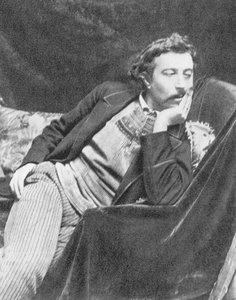
Eugène Henri Paul Gauguin
1848 - 1903 , Frankreich
Kurzinfos
- Artistic Movement Or Style: Post-Impressionismus, Symbolismus
- Artists Or Movements Influenced By This Artist:
- Pablo Picasso
- Henri Matisse
- Artists Who Influenced This Artist: ['Camille Pissarro']
- Date Of Birth: 7. Juni 1848
- Date Of Death: 8. Mai 1903
- Full Name: Eugène Henri Paul Gauguin
- Nationality: Französisch
- Notable Artworks:
- Vahine no te miti
- Manao Tupapau
- Der Tag der Götter
- Place Of Birth: Paris, Frankreich

