 Vorschau anzeigen
 Versenden
 Teilen
 Details anzeigen

 Herunterladen
 Ähnliche Objekte
 Röntgenaufnahme
 Diashow
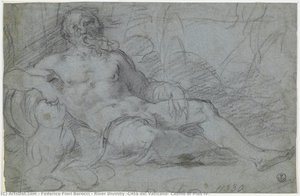
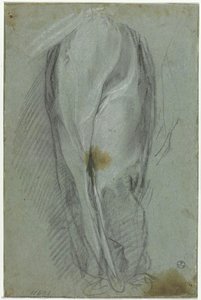
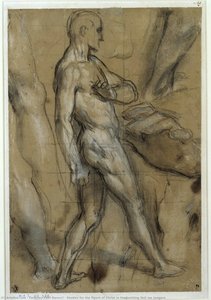
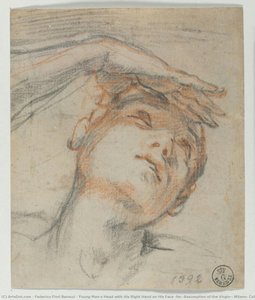
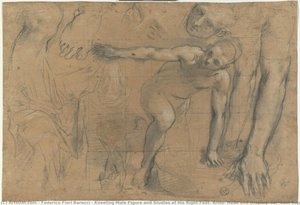
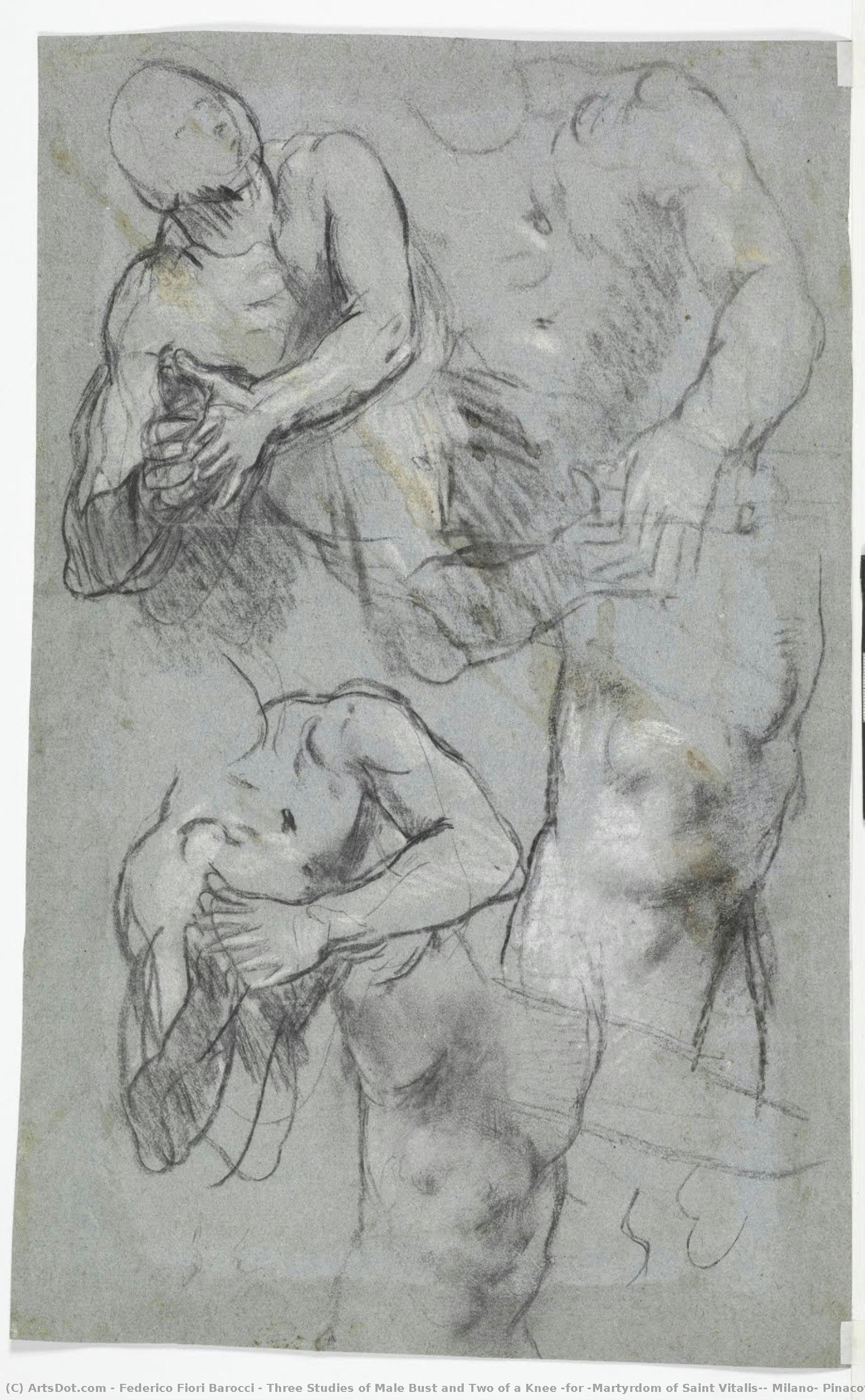
Three Studies of Male Bust and Two of a Knee (for “Martyrdom of Saint Vitalis”, Milano, Pinacoteca di Brera)
 Charcoal
- WallArt
- Renaissance Preparatory
 1583
1583 26.0 x 41.0 cm
 Galleria degli Uffizi
 Weiterlesen
Handgefertigte Ölreproduktion
Handgemaltes Ölgemälde auf Leinwand in Ihrer Wunschgröße und mit Rahmen, auf Bestellung von unseren Künstlern angefertigt. ( Druck bestellen Bild kaufen)




P118B $10

P118H $10

P118W $10

P438Z $10

P508JH $12

P508YH $12

P805H $10

P805Z $10

P919BZ $10

P919G $10

P919XJ $10

P959ZH $10

P968JZ $12

W106C $8

W218G $10

W218JH $8

W218Y $10

W307PJ $10

W316G $10

W316PJ $8

W316Y $10

W398PJ $8

W4111J $10

W500HY $15

W500JH $15

W692G $12

W849H $8

W940BG $15

W953PJ $8




Wählen Sie aus unseren vordefinierten Formaten, die den ursprünglichen Proportionen des Kunstwerks entsprechen.

Sie können Ihre eigenen Maße eingeben, um einen bestimmten Rahmen oder Platz auszufüllen. Wenn die gewählte Größe nicht den Proportionen des Originalbildes entspricht, werden wir das Kunstwerk entweder beschneiden oder das Gemälde durch zusätzliche, handgemalte Elemente erweitern. Ein digitales Mockup wird Ihnen zur Genehmigung zugesandt, bevor die Produktion beginnt.
Bitte beachten Sie, dass die Bildschirmvorschau nicht die tatsächliche Beschneidung oder Erweiterung widerspiegelt. Nur das Mockup zeigt die endgültige Komposition exakt an.
Obwohl Sondermaße verfügbar sind, empfehlen wir, eine Größe aus der vordefinierten Liste zu wählen, um die ursprünglichen Proportionen beizubehalten.
Nach der Bestellung wird das ArtsDot.com-Team dem Kunden Anweisungen per E-Mail zusenden und eine Mockup-Vorschau bereitstellen.
Weltweiter Versand () in nur 3 bis 4 Wochen statt der üblichen 5 Wochen. (2 September). Keine Kompromisse bei der Qualität.

Kostenloser weltweiter Expressversand

Hochwertige Leinenleinwand

Umfassender Versicherungsschutz beim Versand

Zollgebühren-Rückerstattungsgarantie

Garantie für exakte Farbtreue

60 Tage Rückgaberecht (nur bei Mängeln)

100% Geld-zurück-Garantie

Mengenrabatt verfügbar
 Die Glasoption ist nur für Größen unter 110 cm verfügbar.

Three Studies of Male Bust and Two of a Knee (for “Martyrdom of Saint Vitalis”, Milano, Pinacoteca di Brera)
Art der Reproduktion
Format der Reproduktion
-


Gesamtpreis
$ 363
A Study in Contemplation: Unveiling the Secrets of Barocci’s Preparatory Drawing
Federico Fiori Barocci's “Three Studies of Male Bust and Two of a Knee,” created in 1583, offers a rare glimpse into the creative process of one of Italy’s most enigmatic Renaissance artists. This preparatory drawing, now housed within the Pinacoteca di Brera in Milan, isn’t merely a sketch; it's a concentrated distillation of Barocci’s artistic vision, brimming with anatomical precision, expressive dynamism, and a profound exploration of human emotion. The work immediately captivates with its stark monochrome palette – shades of gray born from the charcoal or chalk applied to the aged paper – creating an atmosphere of quiet intensity that invites prolonged contemplation.
The composition itself is strikingly unconventional. Two distinct groupings dominate the page, a dynamic interplay of figures engaged in gestures both intimate and fraught with tension. At the top, two men are locked in a powerful embrace, one holding the other’s head – a pose suggesting struggle, vulnerability, or perhaps even a shared secret. Below, a solitary figure kneels in supplication, clasped hands raised towards an unseen deity. This arrangement isn't haphazard; it speaks to Barocci’s deliberate exploration of human interaction and its capacity for both profound connection and agonizing conflict. The lack of background emphasizes the figures themselves, forcing us to confront their emotional weight without distraction.
The Language of Line: Technique and Anatomical Mastery
Barocci's mastery lies not just in his subject matter but also in his extraordinary command of line. Executed with a loose yet remarkably controlled hand, the drawing is built upon a foundation of meticulous observation. Delicate hatching and cross-hatching define the musculature of the figures, revealing an intimate understanding of human anatomy – a hallmark of Barocci’s training under Battista Franco. Yet, these lines aren't rigidly defined; they possess a gestural quality, conveying movement and emotion with subtle shifts in weight and direction. The varying line weights contribute to a sense of depth and volume, suggesting the texture of skin, fabric, and bone.
The technique employed is particularly noteworthy. Barocci’s process involved an extensive series of preparatory sketches – studies of individual poses, lighting effects, and compositional arrangements. This meticulous approach allowed him to refine his vision before committing it to larger canvases. The drawing itself reveals traces of this layered process: subtle variations in line quality, indications of underlying sketches, and a palpable sense of experimentation. The paper’s own texture—its grain and slight imperfections—adds another layer of visual interest, grounding the image in its physical reality.
Symbolism and the Renaissance Soul
Within this seemingly simple drawing reside layers of symbolic meaning. The kneeling figure undoubtedly evokes themes of submission, prayer, or perhaps even sacrifice – a common motif within religious art of the period. However, the embrace between the two men carries a more ambiguous weight. It could represent loyalty, rivalry, or a complex interplay of emotions. Considering Barocci’s work often explored themes of faith and doubt, this drawing may be reflecting on the tension between devotion and earthly desires.
Furthermore, the drawing aligns perfectly with the artistic sensibilities of the late Renaissance – specifically, the influence of artists like Leonardo da Vinci and Michelangelo. The focus on anatomical accuracy, combined with a heightened sense of emotional intensity, reflects a desire to capture not just the outward appearance of the human form but also its inner life. Barocci’s “Three Studies…” is therefore more than just a preparatory sketch; it's a testament to the enduring power of observation and the profound beauty of the human condition.
A Window into a Master’s Studio
This drawing offers a unique opportunity to connect with one of Italy’s most celebrated artists. Barocci’s work foreshadowed the dramatic flair of the Baroque, yet retains a distinctly Renaissance sensibility. The Pinacoteca di Brera holds an exceptional collection of Barocci's drawings, providing invaluable insight into his creative process and artistic development. ArtsDot offers meticulously crafted reproductions that faithfully capture the nuances of this remarkable piece, allowing you to bring its beauty and complexity into your own space.
Ähnliche Kunstwerke
Über den Künstler
Frühes Leben und Ausbildung
- Geboren: Urbino, Italien (1535)
- Gestorben: 1612
- Federico Fiori Barocci, ein italienischer Renaissance-Maler und Grafiker, wurde 1535 in Urbino, Italien, geboren.
- Sein ursprünglicher Name war Federico Fiori, und er erhielt den Spitznamen "il Baroccio", was im nordwestitalienischen Dialekt eine zweirädrige Karre bedeutet, die von Ochsen gezogen wird.
- Barocci erhielt seine erste Ausbildung bei seinem Vater, Ambrogio Barocci, einem Bildhauer von örtlicher Bedeutung.
- Anschließend wurde er beim Maler Battista Franco in Urbino ausgebildet. Diese Ausbildung legte den Grundstein für seinen späteren Erfolg.
Künstlerische Karriere und Einflüsse
- Baroccis Werk war hoch angesehen und einflussreich und kündigte den Stil Peter Paul Rubens' an.
- Er arbeitete im renommierten Studio von Taddeo und Federico Zuccari in Rom, wo er verschiedenen künstlerischen Einflüssen ausgesetzt war.
- Seine erste bemerkenswerte Arbeit war eine St. Margarete, die für die Confraternity of the Holy Sacrament geschaffen wurde.
- Er wurde von Papst Pius IV eingeladen, bei der Dekoration des Vatikan Belvedere Palastes in Rom zu helfen, wo er die Jungfrau Maria und das Jesuskind mit mehreren Heiligen sowie eine Decke in Fresko malte, die die Verkündigung darstellten.
- Baroccis Stil war durch eine Mischung aus Manierismus- und Barockelementen gekennzeichnet.
Bemerkenswerte Werke und Vermächtnis
- Fünf Studien einer männlichen Figur und zwei seiner rechten Hand und Arms (Uffizien Galerie, Florenz, Italien) – ein Beweis für Baroccis Geschick im Festhalten der menschlichen Form.
- Kompositionsstudie (für „Beschneidung“, Paris, Musée du Louvre) – demonstriert seine Fähigkeit, Komposition und Emotion in Einklang zu bringen.
- Kopf eines Mannes (für „Rufer des Heiligen Andreas“, Brüssel, Königliche Museen der Schönen Künste von Belgien) – zeigt Baroccis Liebe zum Detail und Ausdruckskraft.
- Die Mariä Geburt (1597 Öl auf Leinwand im Prado).
- Madonna del Popolo (Uffizien Galerie, Florenz, Italien).
- Die Madonna mit der Katze (La Madonna del Gatto)
- Verkündigung (1582)
Entwicklung und Bedeutung
- Obwohl er sich nach einem vermeintlichen Giftanschlag 1563 dauerhaft aus Rom zurückzog und hauptsächlich in Urbino tätig war, entwickelte Barocci seinen Stil weiter.
- Er nutzte neue Zeichentechniken, die es ihm ermöglichten, unorthodoxe malerische Methoden zu entwickeln.
- Seine Werke zeichnen sich durch Wärme des Gefühls und tiefe Spiritualität aus.
Vermächtnis und Rezeption
- Barocci gilt als ein wichtiger Vorläufer des Barockstils und beeinflusste Künstler wie Peter Paul Rubens maßgeblich. Sein Werk steht für den Übergang von Manierismus zum Barock und spiegelt die religiösen und künstlerischen Strömungen der Gegenreformation wider.
- Er war einer der bedeutendsten und individuellsten Maler seiner Zeit in Mittelitalien.
- Baroccis Einfluss ist in den Werken verschiedener Künstler sichtbar, darunter Peter Paul Rubens, der von Baroccis dramatischem und emotionalem Pinselstrich inspiriert wurde. Sein Vermächtnis wird weiterhin gefeiert durch seine zahlreichen Werke, die sich nun in Museen wie der Uffizien Galerie (Florenz, Italien) und dem Musée du Louvre (Paris, Frankreich) befinden.
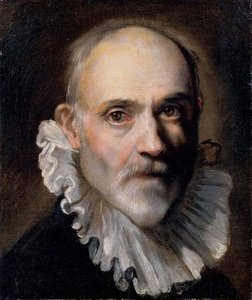
Federico Fiori Barocci
1535 - 1612 , Italien
Kurzinfos
- Beeinflusste Künstler: ['Battista Franco']
- Bemerkenswerte Werke:
- Die Mariä Geburt
- Madonna del Popolo
- Verkündigung
- Geburtsdatum: 1535
- Geburtsort: Urbino, Italien
- Künstlerischer Stil: Renaissance, Barock
- Nationalität: Italiener
- Sterbedatum: 1612
- Vollständiger Name: Federico Fiori Barocci
- Von Künstlern Beeinflusst: ['Peter Paul Rubens']
Ähnliche Artikel
The Eloquent Line: Exploring the Artistic Significance of Sketches Across Movements and Media
Explore the profound artistic significance of sketches throughout history. From Renaissance masters to modern innovators like Van Gogh & Guston, discover how these foundational works reveal technique, emotion, and vision. Learn more at ArtsDot.
The Nuances of Graphite: Exploring Emotional Depth & Technical Mastery in Pencil Drawing
Explore the captivating world of graphite drawing! Discover its rich history, master essential techniques like chiaroscuro, and learn how artists evoke emotion through this timeless medium. Expert insights for art enthusiasts.
The Alchemy of Graphite: An Expert Guide to Mastering Detail and Depth in Pencil Sketching
Unlock the secrets of graphite sketching with our expert guide for art students. Learn to master pencil grades, create realistic depth, and capture intricate textures through professional techniques designed to elevate your observational drawing skills.
Discover the Divine: Inspiring Saint Anthony Artworks to Elevate Your Home Decor
Transform your home with the profound beauty of Saint Anthony artworks. Explore exquisite Baroque reproductions by Murillo and Zurbarán, hand-painted on 100% cotton canvas to bring divine serenity and timeless elegance to your interior design.
The Art of the Line: Discover Captivating Drawings to Transform Your Home with Sophisticated Minimalist Elegance
Elevate your home with the profound elegance of fine art drawings. From soulful charcoal sketches to minimalist line art, discover how captivating textures and masterful contours can transform your interior design. Explore expert curation for a sophisticated, meaningful living space.