 Vorschau anzeigen
 Versenden
 Teilen
 Details anzeigen

 Herunterladen
 Ähnliche Objekte
 Röntgenaufnahme
 Diashow
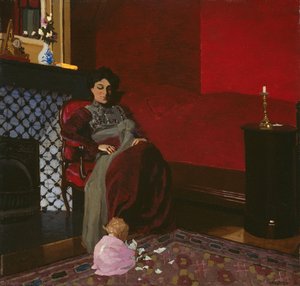
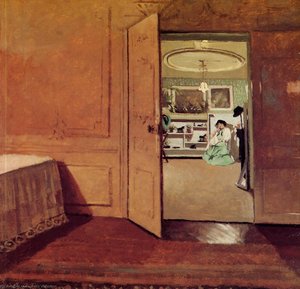
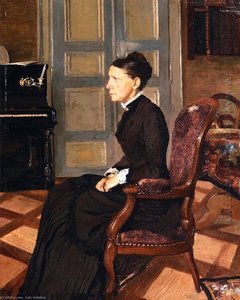
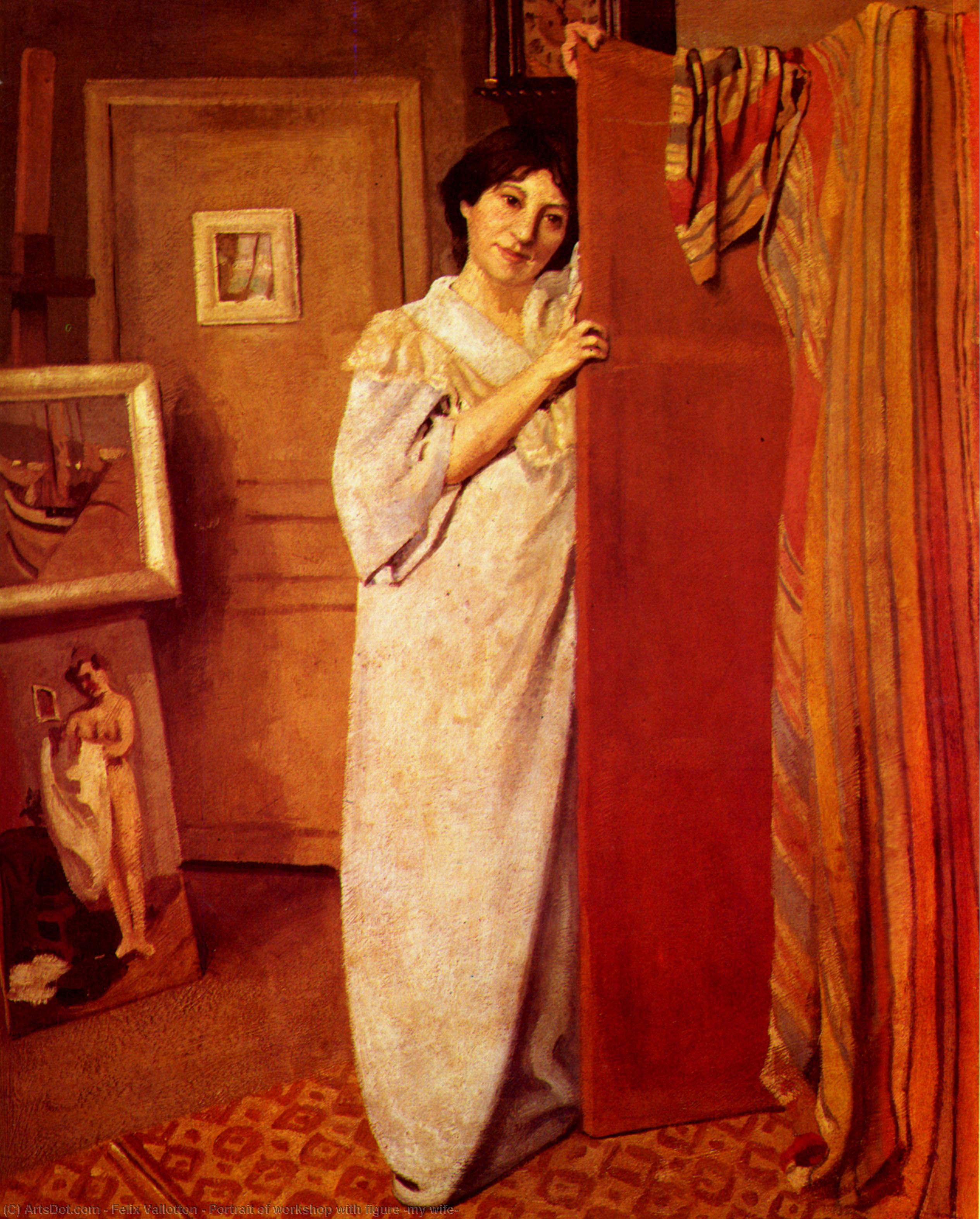
Portrait of workshop with figure (my wife)
 Oil On Canvas
- WallArt
- Modern Art
 1902
1902- 19th Century
 69.0 x 54.0 cm
 Weiterlesen
Handgefertigte Ölreproduktion
Handgemaltes Ölgemälde auf Leinwand in Ihrer Wunschgröße und mit Rahmen, auf Bestellung von unseren Künstlern angefertigt. ( Druck bestellen Bild kaufen)




P118B $10

P118H $10

P118W $10

P438Z $10

P508JH $12

P508YH $12

P805H $10

P805Z $10

P919BZ $10

P919G $10

P919XJ $10

P959ZH $10

P968JZ $12

W106C $8

W218G $10

W218JH $8

W218Y $10

W307PJ $10

W316G $10

W316PJ $8

W316Y $10

W398PJ $8

W4111J $10

W500HY $15

W500JH $15

W692G $12

W849H $8

W940BG $15

W953PJ $8




Wählen Sie aus unseren vordefinierten Formaten, die den ursprünglichen Proportionen des Kunstwerks entsprechen.

Sie können Ihre eigenen Maße eingeben, um einen bestimmten Rahmen oder Platz auszufüllen. Wenn die gewählte Größe nicht den Proportionen des Originalbildes entspricht, werden wir das Kunstwerk entweder beschneiden oder das Gemälde durch zusätzliche, handgemalte Elemente erweitern. Ein digitales Mockup wird Ihnen zur Genehmigung zugesandt, bevor die Produktion beginnt.
Bitte beachten Sie, dass die Bildschirmvorschau nicht die tatsächliche Beschneidung oder Erweiterung widerspiegelt. Nur das Mockup zeigt die endgültige Komposition exakt an.
Obwohl Sondermaße verfügbar sind, empfehlen wir, eine Größe aus der vordefinierten Liste zu wählen, um die ursprünglichen Proportionen beizubehalten.
Nach der Bestellung wird das ArtsDot.com-Team dem Kunden Anweisungen per E-Mail zusenden und eine Mockup-Vorschau bereitstellen.
Weltweiter Versand () in nur 3 bis 4 Wochen statt der üblichen 5 Wochen. (30 August). Keine Kompromisse bei der Qualität.

Kostenloser weltweiter Expressversand

Hochwertige Leinenleinwand

Umfassender Versicherungsschutz beim Versand

Zollgebühren-Rückerstattungsgarantie

Garantie für exakte Farbtreue

60 Tage Rückgaberecht (nur bei Mängeln)

100% Geld-zurück-Garantie

Mengenrabatt verfügbar
 Die Glasoption ist nur für Größen unter 110 cm verfügbar.

Portrait of workshop with figure (my wife)
Art der Reproduktion
Format der Reproduktion
-


Gesamtpreis
$ 263
A Glimpse into Intimate Modernity: Analyzing Vallotton's Portrait
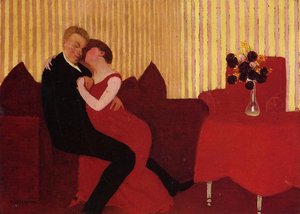
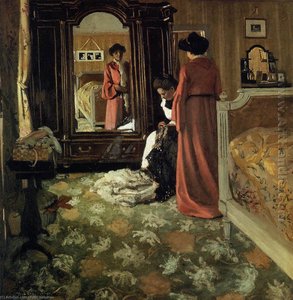
Félix Vallotton’s Portrait of workshop with figure (my wife), dating from 1902, offers a captivating window into the domestic sphere viewed through the sharp, modern lens of the turn of the century. This is not merely a likeness; it is a carefully composed tableau vivant, rich with suggestion and quiet narrative tension. The subject, positioned near the dramatic sweep of a red curtain, seems caught in a moment of private contemplation. Vallotton masterfully captures the interplay between the figure and her immediate surroundings—the scattered pictures on the wall, the elegant curve of the chair, and the presence of carefully placed vases.
The composition itself draws the eye immediately to the woman and the vibrant splash of crimson fabric she interacts with. The way she holds onto the curtain suggests a duality: perhaps it is an accessory, an extension of her own form, or maybe it serves as a subtle veil, hinting at secrets just beneath the surface of polite society. This sense of guarded intimacy is what gives the piece its enduring emotional resonance.
The Context of Fin de Siècle Life
To appreciate this work is to understand the period from which it emerges—the fin de siècle. Vallotton, though rooted in Swiss sensibilities, was deeply immersed in the artistic ferment of Paris. This era was a time of profound transition, where established academic traditions were beginning to fracture under the weight of modern psychological exploration and aesthetic rebellion. While the setting appears domestic and almost conventional—a portrait within a room—Vallotton’s handling elevates it beyond mere genre scene. His technique allows him to capture the solidity of objects alongside the ephemeral quality of human emotion, making the mundane feel charged with artistic significance.
The inclusion of various decorative elements—the handbags resting casually on the floor, the arrangement of vases—grounds the portrait in a specific reality, yet Vallotton’s signature flatness and crisp outlines prevent it from ever feeling purely anecdotal. Instead, these objects become symbolic anchors within a carefully constructed emotional landscape.
Technique and Visual Drama
Vallotton's brushwork, even in reproduction, speaks to an economy of line and a bold use of color contrast. The deep, saturated red of the curtain acts as a powerful visual magnet, contrasting sharply with the more muted tones of the walls and the figure’s attire. This strategic deployment of color is key; it injects immediate drama into what could otherwise be a subdued portrait study. His ability to render texture—the weight of the fabric, the smoothness of the vases, the matte quality of the wall hangings—is remarkable. It demonstrates an academic foundation that he then subverted with modern sensibilities.
For collectors and designers alike, this piece offers a masterclass in visual balance. The composition is weighted by the verticality of the curtain against the horizontal spread of the floor objects, creating a dynamic equilibrium that feels both stable and ready to shift at any moment.
Symbolism and Enduring Appeal
The symbolism within Portrait of workshop with figure (my wife) invites endless interpretation. Is the red curtain a symbol of passion, or perhaps concealment? Are the displayed pictures memories, or merely decorative filler? Vallotton never provides easy answers; he presents moments ripe for contemplation. This ambiguity is its greatest strength. It speaks to the complex relationship between public presentation and private self—a theme that remains profoundly relevant today.
Owning a reproduction of this work allows one to bring home not just a painting, but a piece of intellectual conversation. It suggests an appreciation for art history, a taste for sophisticated interior detailing, and a comfort with ambiguity. It is a quiet statement of modern elegance, perfectly suited to a space that values depth over mere ornamentation.
Ähnliche Kunstwerke
Über den Künstler
Frühes Leben und Ausbildung
Félix Édouard Vallotton, ein schweizerisch-französischer Maler und Grafiker, wurde am 28. Dezember 1865 in Lausanne, Schweiz, geboren. Er besuchte das Collège Cantonal und schloss 1882 mit einem Abschluss in klassischen Studien ab. In diesem Jahr zog er nach Paris, um unter Jules Joseph Lefebvre und Gustave Boulanger an der Académie Julian Kunst zu studieren.Künstlerischer Stil und Einflüsse
Vallottons früheste Gemälde, hauptsächlich Porträts, sind fest im akademischen Tradition verwurzelt. Sein Stil entwickelte sich jedoch bald weiter, beeinflusst vom Postimpressionismus, Symbolismus und insbesondere von japanischem Holzschnitt. Er betonte Umrisse und flache Muster und eliminierte allmähliche Übergänge und Modellierungen, die traditionell durch Schraffur erzeugt wurden.Wichtige Werke
- Intimités (Intimacies), eine Reihe von zehn Innenräumen, die 1898 veröffentlicht wurden und sich mit der Spannung zwischen Männern und Frauen befassen.
- Badeende an einem Sommerabend (1892–93), jetzt im Kunsthaus Zürich.
- Mondlicht (1895), im Musée d'Orsay.
Verbindung zu den Nabis und späteres Werk
Ab 1892 war Vallotton mit Les Nabis verbunden, einer Gruppe junger Künstler, darunter Pierre Bonnard, Ker-Xavier Roussel, Maurice Denis und Édouard Vuillard. Seine Gemälde spiegelten den Stil seiner Holzschnitte wider, mit flachen Farbflächen, harten Kanten und Vereinfachung von Details.Vermächtnis
Vallottons grafische Kunst erreichte in den späten 1890er Jahren ihren Höhepunkt und wurde in Europa sowie in den Vereinigten Staaten in Zeitschriften und Büchern weit verbreitetet. Sein Einfluss ist in der Arbeit von Edvard Munch, Aubrey Beardsley und Ernst Ludwig Kirchner zu sehen.Wichtige Links: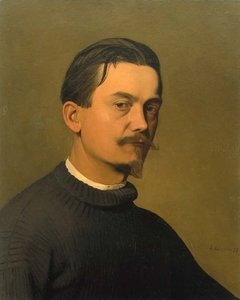
Félix Vallotton
1865 - 1925 , Schweiz
Kurzinfos
- Beeinflusste Künstler:
- Edvard Munch
- Aubrey Beardsley
- Ernst Ludwig Kirchner
- Bemerkenswerte Werke:
- Intimitäten (Intimacies)
- Badeende an einem Sommerabend
- Mondlicht
- Einflussreiche Kunstrichtung: Holbein, Ingres
- Geburtsdatum: 28. Dezember 1865
- Geburtsort: Lannes, Schweiz
- Künstlerische Richtung: Post-Impressionismus, Symbolismus
- Nationalität: Schweizer/Französisch
- Sterbedatum: 29. Dezember 1925
- Vollständiger Name: Félix Vallotton
Ähnliche Artikel

Goya: Die 25 Meisterwerke des spanischen Genies – Kunst für Ihr Zuhause | ArtsDot
Entdecken Sie die 25 Meisterwerke von Francisco Goya! Tauchen Sie ein in die düstere Romantik spanischer Malerei, Porträts & Historienbilder. Hochwertige Kunstdrucke auf ArtsDot.com – für Kunstliebhaber und stilvolles Wohnen.

Über uns
Entdecken Sie unsere Geschichte! Wir bringen Weltklasse-Kunst in Ihr Leben durch fachkundige Auswahl, individuelle Kreationen und kostenlose Vorschauen. Seit dem Jahr 2000 von Privatpersonen und Unternehmen geschätzt.
Charles Haslewood Shannon: Ästhetizismus, Symbolismus und die Porträtkunst des Fin de Siècle
Entdecken Sie das faszinierende Werk von Charles Haslewood Shannon! Unsere Expertenanalyse beleuchtet den Ästhetizismus, Symbolismus und die Porträtkunst des Fin de Siècle. Erfahren Sie mehr über diesen vergessenen Meister.
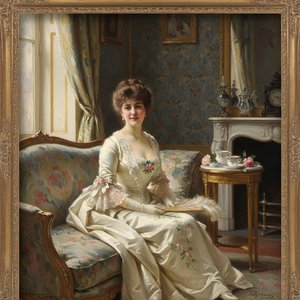
Alfred Stevens: Capturing Parisian Elegance & Fin-de-Siècle Intimacy
Discover the captivating world of Alfred Stevens, master of Parisian elegance & intimate portraiture. Explore his techniques, influences, and legacy – a prized collection for discerning art enthusiasts.
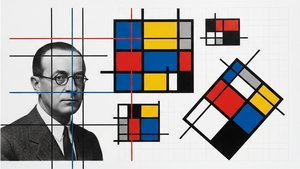
Theo van Doesburg: Pionier des De Stijl und die Evolution des Neo-Plastizismus
Entdecken Sie die faszinierende Welt des De Stijl! Erfahren Sie mehr über Theo van Doesburg, Piet Mondrian und die revolutionäre Ästhetik des Neo-Plastizismus. Expertenwissen & historische Einblicke.