 Vorschau anzeigen
 Versenden
 Teilen
 Details anzeigen

 Herunterladen
 Ähnliche Objekte
 Röntgenaufnahme
 Diashow
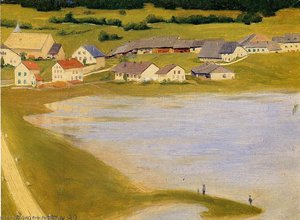
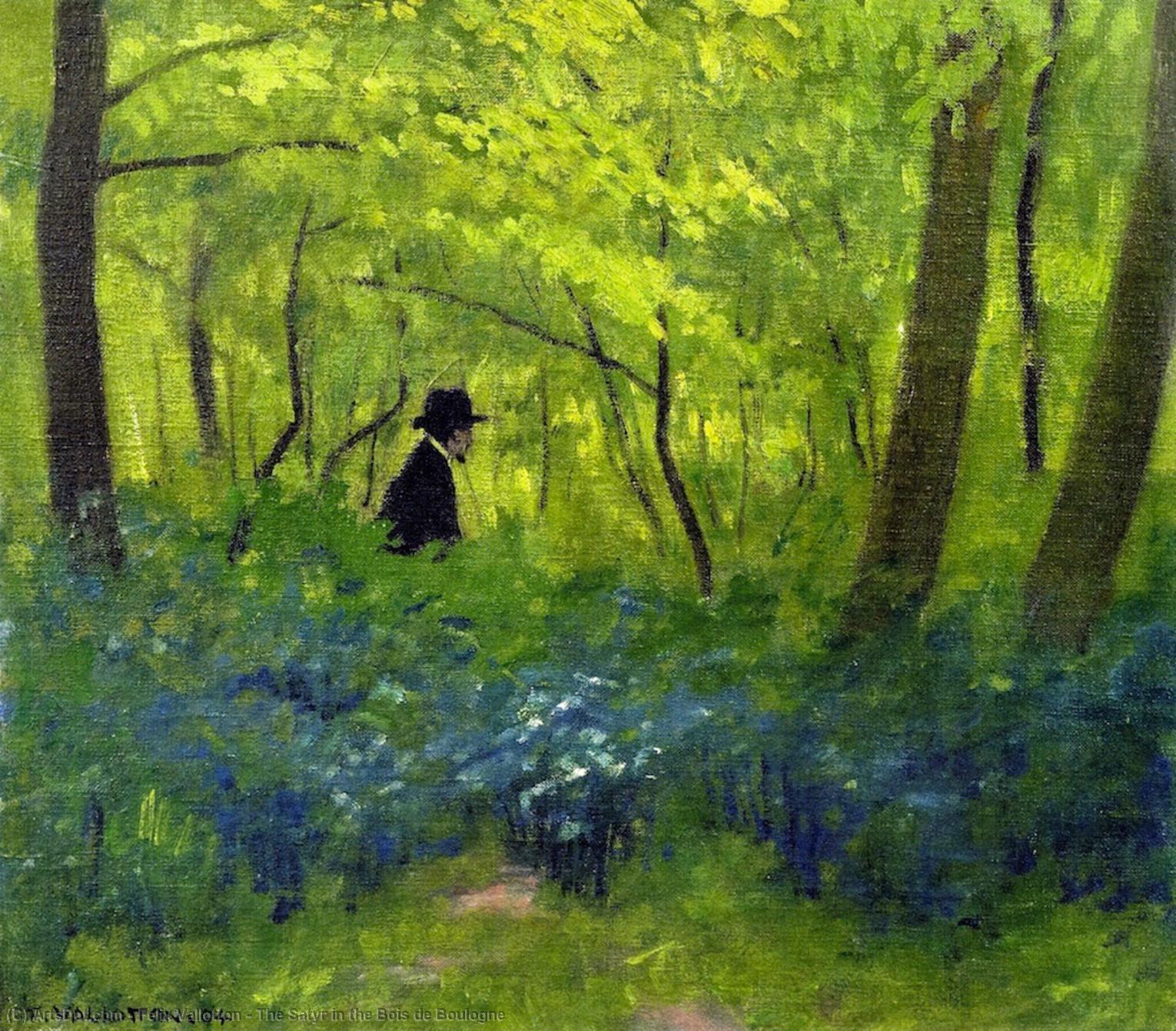
The Satyr in the Bois de Boulogne
 Oil On Canvas
- WallArt
- Nabi
 1904
1904 34.0 x 38.0 cm
 Weiterlesen
Handgefertigte Ölreproduktion
Handgemaltes Ölgemälde auf Leinwand in Ihrer Wunschgröße und mit Rahmen, auf Bestellung von unseren Künstlern angefertigt. ( Druck bestellen Bild kaufen)




P118B $10

P118H $10

P118W $10

P438Z $10

P508JH $12

P508YH $12

P805H $10

P805Z $10

P919BZ $10

P919G $10

P919XJ $10

P959ZH $10

P968JZ $12

W106C $8

W218G $10

W218JH $8

W218Y $10

W307PJ $10

W316G $10

W316PJ $8

W316Y $10

W398PJ $8

W4111J $10

W500HY $15

W500JH $15

W692G $12

W849H $8

W940BG $15

W953PJ $8




Wählen Sie aus unseren vordefinierten Formaten, die den ursprünglichen Proportionen des Kunstwerks entsprechen.

Sie können Ihre eigenen Maße eingeben, um einen bestimmten Rahmen oder Platz auszufüllen. Wenn die gewählte Größe nicht den Proportionen des Originalbildes entspricht, werden wir das Kunstwerk entweder beschneiden oder das Gemälde durch zusätzliche, handgemalte Elemente erweitern. Ein digitales Mockup wird Ihnen zur Genehmigung zugesandt, bevor die Produktion beginnt.
Bitte beachten Sie, dass die Bildschirmvorschau nicht die tatsächliche Beschneidung oder Erweiterung widerspiegelt. Nur das Mockup zeigt die endgültige Komposition exakt an.
Obwohl Sondermaße verfügbar sind, empfehlen wir, eine Größe aus der vordefinierten Liste zu wählen, um die ursprünglichen Proportionen beizubehalten.
Nach der Bestellung wird das ArtsDot.com-Team dem Kunden Anweisungen per E-Mail zusenden und eine Mockup-Vorschau bereitstellen.
Weltweiter Versand () in nur 3 bis 4 Wochen statt der üblichen 5 Wochen. (24 August). Keine Kompromisse bei der Qualität.

Kostenloser weltweiter Expressversand

Hochwertige Leinenleinwand

Umfassender Versicherungsschutz beim Versand

Zollgebühren-Rückerstattungsgarantie

Garantie für exakte Farbtreue

60 Tage Rückgaberecht (nur bei Mängeln)

100% Geld-zurück-Garantie

Mengenrabatt verfügbar
 Die Glasoption ist nur für Größen unter 110 cm verfügbar.

The Satyr in the Bois de Boulogne
Art der Reproduktion
Format der Reproduktion
-


Gesamtpreis
$ 263
Beschreibung des Kunstwerks
A Moment of Quiet Contemplation: Felix Vallotton’s “The Satyr in the Bois de Boulogne”
Felix Vallotton's "The Satyr in the Bois de Boulogne," painted in 1904, is more than just a depiction of a man walking through a forest; it’s an exquisitely crafted meditation on the tensions between modernity and nature, civilization and instinct. Measuring a modest 34 x 38 cm, this oil on canvas invites the viewer into a world of subtle symbolism and carefully considered composition, revealing Vallotton's mastery in blending realism with a distinctly modern sensibility.
- Subject Matter: The painting centers around a formally dressed gentleman – a man of urban attire – traversing a winding path within the Bois de Boulogne, Paris’s famed park. His presence is both deliberate and slightly detached, suggesting a solitary journey through a landscape that simultaneously offers solace and perhaps, a quiet unease.
- Technique: Vallotton employs a signature style characterized by bold lines, flattened forms, and a restrained color palette dominated by muted tones of gray, brown, and black. This deliberate flatness emphasizes the geometric structure of the scene, creating a powerful visual impact that transcends mere representation. The artist’s brushwork is precise yet loose, contributing to an overall sense of calm and control.
Decoding Symbolism: Modernity and the Wild
The painting's power lies significantly in its layered symbolism. The figure in the suit – a stark contrast against the natural backdrop – immediately evokes the anxieties of the *fin de siècle*, a period marked by rapid industrialization, social upheaval, and a growing sense of alienation. He represents the encroaching influence of urban life, logic, and order upon the untamed beauty of nature. The title itself, “The Satyr in the Bois de Boulogne,” is deliberately evocative. Satyrs, figures from Greek mythology, were known for their wildness, connection to the primal forces of nature, and often, their association with hedonism and excess. Vallotton’s choice subtly suggests a confrontation between these opposing forces – the civilized man and the untamed spirit.
- The Path: The winding path itself can be interpreted as a journey, perhaps one of self-discovery or a futile attempt to reconcile conflicting desires.
- The Trees: The towering trees, rendered with simplified forms, symbolize both strength and the enduring power of nature, offering a silent counterpoint to the figure’s urban existence.
A Nabi Masterpiece – Context and Influence
"The Satyr in the Bois de Boulogne" firmly places Vallotton within the context of early 20th-century art movements, particularly the *Nabi* group. The *Nabis*, meaning “prophets,” sought to evoke religious emotion through color and form, rejecting traditional academic realism. Vallotton’s work exemplifies this movement's emphasis on flattened planes, bold colors (though muted here), and a focus on spiritual or emotional content rather than photographic accuracy. His ability to capture a sense of atmosphere and mood – the quiet serenity of the forest – is a testament to his artistic skill and understanding of modern aesthetics.
Painted in 1904, this piece reflects a pivotal moment in art history, bridging the gap between traditional representation and the burgeoning experimentation that would define much of the 20th century. Vallotton’s influence can be seen in the work of artists who followed, solidifying his place as a key figure in the development of modern art.
Emotional Resonance and Artistic Value
“The Satyr in the Bois de Boulogne” possesses an enduring appeal due to its quiet contemplation and evocative atmosphere. It’s a painting that invites viewers to ponder questions about humanity's relationship with nature, the impact of modernity, and the inherent duality within ourselves. This hand-painted reproduction captures not only the visual details of Vallotton’s original but also the emotional depth and artistic intention behind it – making it a valuable addition to any discerning collection or a striking focal point for interior design.
Ähnliche Kunstwerke
Über den Künstler
Frühes Leben und Ausbildung
Félix Édouard Vallotton, ein schweizerisch-französischer Maler und Grafiker, wurde am 28. Dezember 1865 in Lausanne, Schweiz, geboren. Er besuchte das Collège Cantonal und schloss 1882 mit einem Abschluss in klassischen Studien ab. In diesem Jahr zog er nach Paris, um unter Jules Joseph Lefebvre und Gustave Boulanger an der Académie Julian Kunst zu studieren.Künstlerischer Stil und Einflüsse
Vallottons früheste Gemälde, hauptsächlich Porträts, sind fest im akademischen Tradition verwurzelt. Sein Stil entwickelte sich jedoch bald weiter, beeinflusst vom Postimpressionismus, Symbolismus und insbesondere von japanischem Holzschnitt. Er betonte Umrisse und flache Muster und eliminierte allmähliche Übergänge und Modellierungen, die traditionell durch Schraffur erzeugt wurden.Wichtige Werke
- Intimités (Intimacies), eine Reihe von zehn Innenräumen, die 1898 veröffentlicht wurden und sich mit der Spannung zwischen Männern und Frauen befassen.
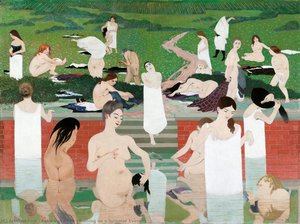
- Badeende an einem Sommerabend (1892–93), jetzt im Kunsthaus Zürich.
- Mondlicht (1895), im Musée d'Orsay.
Verbindung zu den Nabis und späteres Werk
Ab 1892 war Vallotton mit Les Nabis verbunden, einer Gruppe junger Künstler, darunter Pierre Bonnard, Ker-Xavier Roussel, Maurice Denis und Édouard Vuillard. Seine Gemälde spiegelten den Stil seiner Holzschnitte wider, mit flachen Farbflächen, harten Kanten und Vereinfachung von Details.Vermächtnis
Vallottons grafische Kunst erreichte in den späten 1890er Jahren ihren Höhepunkt und wurde in Europa sowie in den Vereinigten Staaten in Zeitschriften und Büchern weit verbreitetet. Sein Einfluss ist in der Arbeit von Edvard Munch, Aubrey Beardsley und Ernst Ludwig Kirchner zu sehen.Wichtige Links: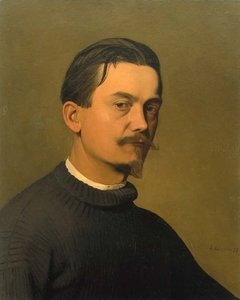
Félix Vallotton
1865 - 1925 , Schweiz
Kurzinfos
- Beeinflusste Künstler:
- Edvard Munch
- Aubrey Beardsley
- Ernst Ludwig Kirchner
- Bemerkenswerte Werke:
- Intimitäten (Intimacies)
- Badeende an einem Sommerabend
- Mondlicht
- Einflussreiche Kunstrichtung: Holbein, Ingres
- Geburtsdatum: 28. Dezember 1865
- Geburtsort: Lannes, Schweiz
- Künstlerische Richtung: Post-Impressionismus, Symbolismus
- Nationalität: Schweizer/Französisch
- Sterbedatum: 29. Dezember 1925
- Vollständiger Name: Félix Vallotton
Ähnliche Artikel

Giclée Prints: Archival Quality & Aesthetic Nuances for the Discerning Collector
Explore the world of giclée prints with ArtsDot. Learn about archival quality, aesthetic nuances & investment potential. Expert guidance for discerning art collectors seeking museum-quality reproductions and lasting value.

Die Top 10 berühmter Gemälde im Reich der dunklen Töne |
Entdecken Sie die Top 10 berühmter Gemälde, beherrscht von dunklen Tönen! Von Caravaggio bis Manet – erfahren Sie die Geschichten hinter Meisterwerken der Kunstgeschichte. Finden Sie Ihre perfekte Reproduktion auf .

Goya: Die 25 Meisterwerke des spanischen Genies – Kunst für Ihr Zuhause | ArtsDot
Entdecken Sie die 25 Meisterwerke von Francisco Goya! Tauchen Sie ein in die düstere Romantik spanischer Malerei, Porträts & Historienbilder. Hochwertige Kunstdrucke auf ArtsDot.com – für Kunstliebhaber und stilvolles Wohnen.

Echoes of Time: Exploring the Enduring Appeal & Historical Context of Vintage Art Prints
Explore the captivating world of vintage art prints! Discover their history, collecting tips & enduring appeal. Expert insights on chromolithography and building a legacy collection with ArtsDot.

The Enduring Legacy of Fine Art Prints: Technique, History & Aesthetic Impact
Explore the rich history & techniques of fine art prints. Discover investment potential, assess authenticity, and learn how to preserve your collection with expert guidance. Trusted insights for discerning collectors.