

 Vorschau anzeigen
 Versenden
 Teilen
 Details anzeigen

 Herunterladen
 Ähnliche Objekte
 Röntgenaufnahme
 Diashow
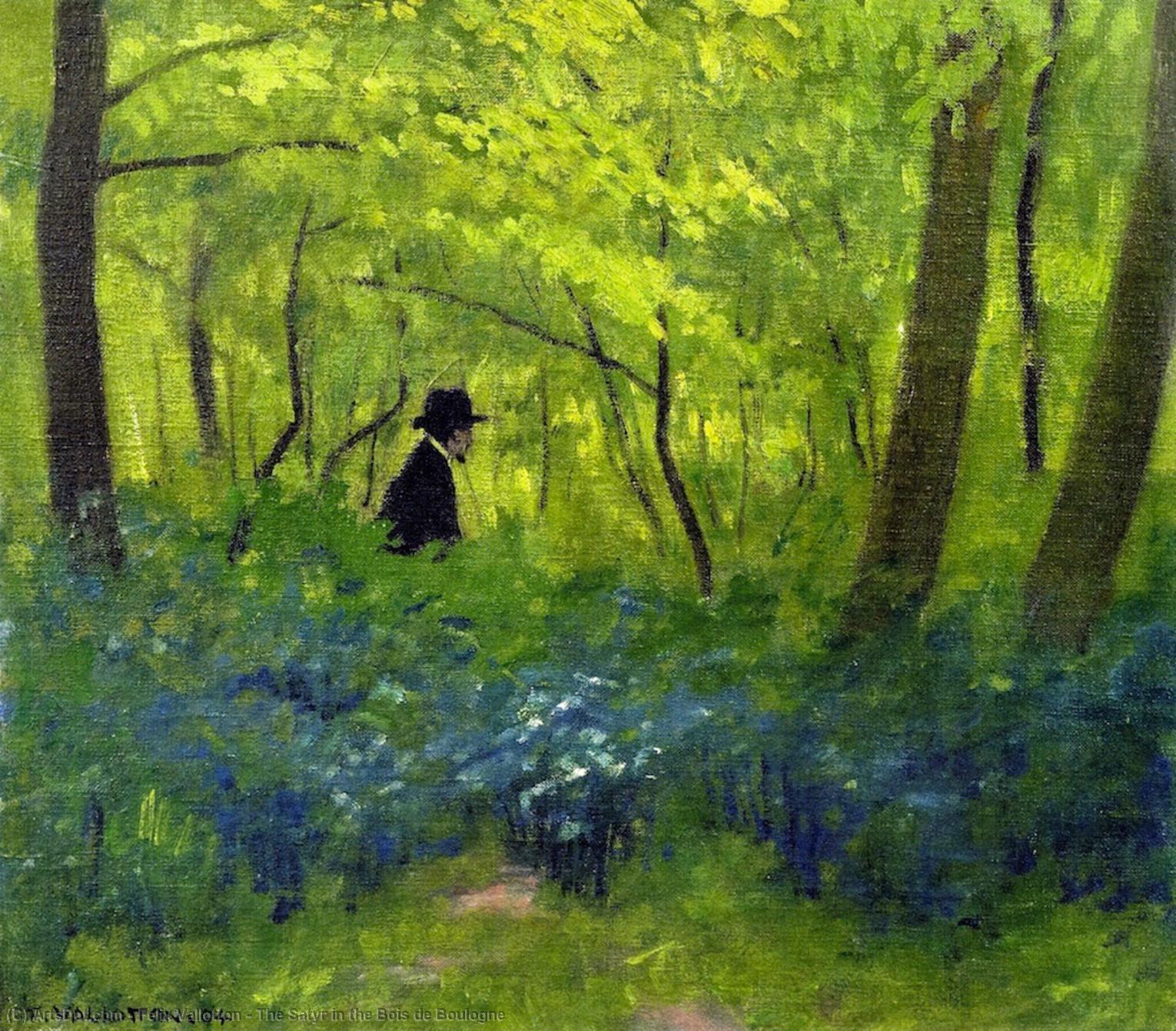
The Satyr in the Bois de Boulogne
 Oil On Canvas
- WallArt
- Nabi
 1904
1904 34.0 x 38.0 cm
 Weiterlesen
Erwerben Sie ein hochauflösendes, optimiertes digitales Bild, das der Online-Vorschau weit überlegen ist.
Jede Datei wird von unseren hauseigenen Spezialisten mit modernsten Werkzeugen und fachmännischer manueller Retusche sorgfältig vorbereitet. Wir stellen sicher, dass jedes Bild eine außergewöhnliche Klarheit, präzise Farbgenauigkeit und feinste Details aufweist.
Die endgültige Datei wird innerhalb von 72 Stunden per E-Mail zugestellt und ist für den sofortigen Einsatz in professionellen, redaktionellen und Druckumgebungen optimiert. Es handelt sich um dieselbe Qualität, der führende Designstudios, Verlage und Galerien vertrauen.
Digitales Bild
Laden Sie eine hochauflösende Datei für die persönliche Präsentation, den Druck und kreative Projekte herunter. ( Druck bestellen Handgemalte Reproduktion bestellen)
In jeder Bestellung digitaler Bilder enthalten
Professionelle digitale Bereitstellung, garantiert
Wenn Sie sich für ArtsDot.com entscheiden, erhalten Sie nicht nur ein Bild – Sie erhalten ein professionell aufbereitetes digitales Kunstwerk, das mit höchster Präzision erstellt und durch eine Zufriedenheitsgarantie abgesichert wird. Hier ist alles, was automatisch mit Ihrer Bestellung geliefert wird:

Schnelle E-Mail-Zustellung
Ihre hochauflösende digitale Bilddatei wird Ihnen innerhalb von 72 Stunden nach der Bestellung per E-Mail zugestellt – bereit zur sofortigen Verwendung.

KI-optimierte digitale Datei
Ihre Kunstwerke werden professionell mithilfe fortschrittlicher KI-Tools und manueller Bearbeitung optimiert, um maximale Detailtreue, Klarheit und Farbgenauigkeit zu gewährleisten.

Lebenslanger kostenloser Neudruckservice
Datei versehentlich gelöscht oder verloren? Keine Sorge – wir senden sie Ihnen jederzeit kostenlos erneut zu.

Keine Einfuhrgebühren – jemals
Genießen Sie Ihr Kunstwerk sofort ohne Zollgebühren, Einfuhrabgaben oder Versandkosten – digitale Downloads sind immer steuerfrei.

Garantierte Farbtreue
Wir garantieren, dass Ihr digitales Bild mithilfe professioneller Werkzeuge und Farbmanagement die Originalfarben so präzise wie möglich wiedergibt.

60-Tage-Zufriedenheitsgarantie
Sollten Sie mit Ihrem digitalen Bild nicht zufrieden sein, werden wir es überarbeiten oder Ihnen innerhalb von 60 Tagen 100% erstatten – ohne Wenn und Aber.

100% Geld-zurück-Garantie
Nicht zufrieden? Erhalten Sie innerhalb von 60 Tagen nach Erhalt Ihrer digitalen Datei eine vollständige Rückerstattung – ohne Angabe von Gründen.

Rabatte bei Großbestellungen
3 Bilder kaufen, 10% sparen – 5 Bilder kaufen, 15% sparen – Ab 10 Bildern 20% sparen. Ideal für kreative Projekte, Galerien und Agenturen.
Details zum Sammlerstück
A Moment of Quiet Contemplation: Felix Vallotton’s “The Satyr in the Bois de Boulogne”
Felix Vallotton's "The Satyr in the Bois de Boulogne," painted in 1904, is more than just a depiction of a man walking through a forest; it’s an exquisitely crafted meditation on the tensions between modernity and nature, civilization and instinct. Measuring a modest 34 x 38 cm, this oil on canvas invites the viewer into a world of subtle symbolism and carefully considered composition, revealing Vallotton's mastery in blending realism with a distinctly modern sensibility.
- Subject Matter: The painting centers around a formally dressed gentleman – a man of urban attire – traversing a winding path within the Bois de Boulogne, Paris’s famed park. His presence is both deliberate and slightly detached, suggesting a solitary journey through a landscape that simultaneously offers solace and perhaps, a quiet unease.
- Technique: Vallotton employs a signature style characterized by bold lines, flattened forms, and a restrained color palette dominated by muted tones of gray, brown, and black. This deliberate flatness emphasizes the geometric structure of the scene, creating a powerful visual impact that transcends mere representation. The artist’s brushwork is precise yet loose, contributing to an overall sense of calm and control.
Decoding Symbolism: Modernity and the Wild
The painting's power lies significantly in its layered symbolism. The figure in the suit – a stark contrast against the natural backdrop – immediately evokes the anxieties of the *fin de siècle*, a period marked by rapid industrialization, social upheaval, and a growing sense of alienation. He represents the encroaching influence of urban life, logic, and order upon the untamed beauty of nature. The title itself, “The Satyr in the Bois de Boulogne,” is deliberately evocative. Satyrs, figures from Greek mythology, were known for their wildness, connection to the primal forces of nature, and often, their association with hedonism and excess. Vallotton’s choice subtly suggests a confrontation between these opposing forces – the civilized man and the untamed spirit.
- The Path: The winding path itself can be interpreted as a journey, perhaps one of self-discovery or a futile attempt to reconcile conflicting desires.
- The Trees: The towering trees, rendered with simplified forms, symbolize both strength and the enduring power of nature, offering a silent counterpoint to the figure’s urban existence.
A Nabi Masterpiece – Context and Influence
"The Satyr in the Bois de Boulogne" firmly places Vallotton within the context of early 20th-century art movements, particularly the *Nabi* group. The *Nabis*, meaning “prophets,” sought to evoke religious emotion through color and form, rejecting traditional academic realism. Vallotton’s work exemplifies this movement's emphasis on flattened planes, bold colors (though muted here), and a focus on spiritual or emotional content rather than photographic accuracy. His ability to capture a sense of atmosphere and mood – the quiet serenity of the forest – is a testament to his artistic skill and understanding of modern aesthetics.
Painted in 1904, this piece reflects a pivotal moment in art history, bridging the gap between traditional representation and the burgeoning experimentation that would define much of the 20th century. Vallotton’s influence can be seen in the work of artists who followed, solidifying his place as a key figure in the development of modern art.
Emotional Resonance and Artistic Value
“The Satyr in the Bois de Boulogne” possesses an enduring appeal due to its quiet contemplation and evocative atmosphere. It’s a painting that invites viewers to ponder questions about humanity's relationship with nature, the impact of modernity, and the inherent duality within ourselves. This hand-painted reproduction captures not only the visual details of Vallotton’s original but also the emotional depth and artistic intention behind it – making it a valuable addition to any discerning collection or a striking focal point for interior design.
Ähnliche Kunstwerke

Biografie des Künstlers
Frühes Leben und Ausbildung
Félix Édouard Vallotton, ein schweizerisch-französischer Maler und Grafiker, wurde am 28. Dezember 1865 in Lausanne, Schweiz, geboren. Er besuchte das Collège Cantonal und schloss 1882 mit einem Abschluss in klassischen Studien ab. In diesem Jahr zog er nach Paris, um unter Jules Joseph Lefebvre und Gustave Boulanger an der Académie Julian Kunst zu studieren.Künstlerischer Stil und Einflüsse
Vallottons früheste Gemälde, hauptsächlich Porträts, sind fest im akademischen Tradition verwurzelt. Sein Stil entwickelte sich jedoch bald weiter, beeinflusst vom Postimpressionismus, Symbolismus und insbesondere von japanischem Holzschnitt. Er betonte Umrisse und flache Muster und eliminierte allmähliche Übergänge und Modellierungen, die traditionell durch Schraffur erzeugt wurden.Wichtige Werke
- Intimités (Intimacies), eine Reihe von zehn Innenräumen, die 1898 veröffentlicht wurden und sich mit der Spannung zwischen Männern und Frauen befassen.
- Badeende an einem Sommerabend (1892–93), jetzt im Kunsthaus Zürich.
- Mondlicht (1895), im Musée d'Orsay.
Verbindung zu den Nabis und späteres Werk
Ab 1892 war Vallotton mit Les Nabis verbunden, einer Gruppe junger Künstler, darunter Pierre Bonnard, Ker-Xavier Roussel, Maurice Denis und Édouard Vuillard. Seine Gemälde spiegelten den Stil seiner Holzschnitte wider, mit flachen Farbflächen, harten Kanten und Vereinfachung von Details.Vermächtnis
Vallottons grafische Kunst erreichte in den späten 1890er Jahren ihren Höhepunkt und wurde in Europa sowie in den Vereinigten Staaten in Zeitschriften und Büchern weit verbreitetet. Sein Einfluss ist in der Arbeit von Edvard Munch, Aubrey Beardsley und Ernst Ludwig Kirchner zu sehen.Wichtige Links:
Félix Vallotton
1865 - 1925 , Schweiz
Kurzinfos
- Beeinflusste Künstler:
- Edvard Munch
- Aubrey Beardsley
- Ernst Ludwig Kirchner
- Bemerkenswerte Werke:
- Intimitäten (Intimacies)
- Badeende an einem Sommerabend
- Mondlicht
- Einflussreiche Kunstrichtung: Holbein, Ingres
- Geburtsdatum: 28. Dezember 1865
- Geburtsort: Lannes, Schweiz
- Künstlerische Richtung: Post-Impressionismus, Symbolismus
- Nationalität: Schweizer/Französisch
- Sterbedatum: 29. Dezember 1925
- Vollständiger Name: Félix Vallotton

