 Vorschau anzeigen
 Versenden
 Teilen
 Details anzeigen

 Herunterladen
 Ähnliche Objekte
 Röntgenaufnahme
 Diashow
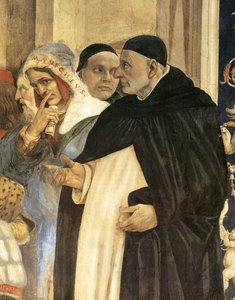
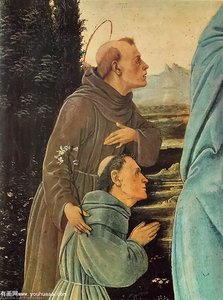
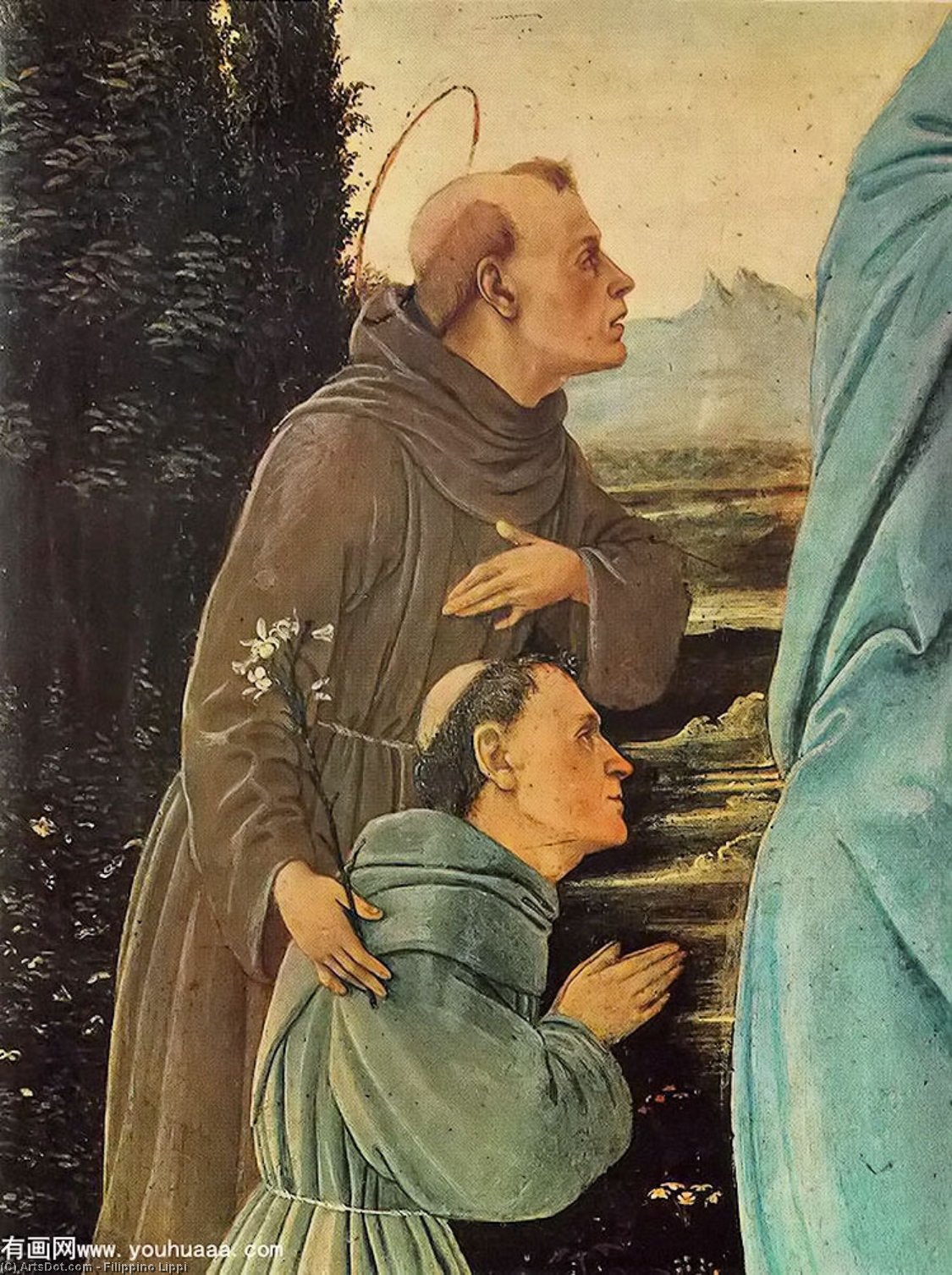
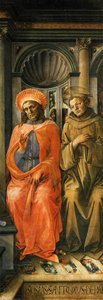
Madonna mit Kind, der Heilige Antonius von Padua und ein Franziskaner (Detail)


 Weiterlesen
Giclée / Kunstdruck
Giclée- oder Leinwanddruck in Museumsqualität mit schneller Produktion und flexiblen Veredelungsoptionen. ( Handgemalte Reproduktion bestellen Bild kaufen)




P118B $10

P118H $10

P118W $10

P438Z $10

P508JH $12

P508YH $12

P805H $10

P805Z $10

P919BZ $10

P919G $10

P919XJ $10

P959ZH $10

P968JZ $12

W106C $8

W218G $10

W218JH $8

W218Y $10

W307PJ $10

W316G $10

W316PJ $8

W316Y $10

W398PJ $8

W4111J $10

W500HY $15

W500JH $15

W692G $12

W849H $8

W940BG $15

W953PJ $8




Wählen Sie aus unseren vordefinierten Formaten, die den ursprünglichen Proportionen des Kunstwerks entsprechen.

Sie können Ihre eigenen Maße eingeben, um ein bestimmtes Format oder einen speziellen Platz einzupassen. Wenn das von Ihnen gewählte Format nicht den Proportionen des Originalbildes entspricht, werden wir das Kunstwerk entweder beschneiden oder das Bild mit einem gespiegelten oder einfarbigen Rand erweitern. Ein digitaler Entwurf wird Ihnen zur Genehmigung zugesandt, bevor die Produktion beginnt.
Bitte beachten Sie, dass die Vorschau auf dem Bildschirm nicht den tatsächlichen Zuschnitt oder die Erweiterung widerspiegelt. Nur der Entwurf zeigt die endgültige Komposition präzise an.
Obwohl Sondermaße verfügbar sind, empfehlen wir die Auswahl eines Maßes aus der vordefinierten Liste, um die ursprünglichen Proportionen zu bewahren.
Weltweiter Versand () innerhalb von 2 Wochen statt der üblichen 4/5 Wochen. (24 August)

Kostenloser weltweiter Expressversand

Hochwertige Leinenleinwand

Umfassender Versicherungsschutz beim Versand

Zollgebühren-Rückerstattungsgarantie

Garantie für exakte Farbtreue

60 Tage Rückgaberecht (nur bei Mängeln)

100% Geld-zurück-Garantie

Mengenrabatt verfügbar
 Die Glasoption ist nur für Größen unter 110 cm verfügbar.

Madonna mit Kind, der Heilige Antonius von Padua und ein Franziskaner (Detail)
Giclée / Kunstdruck
Format der Reproduktion
-


Gesamtpreis
$ 62
Sammlerstück-Beschreibung
Introduction
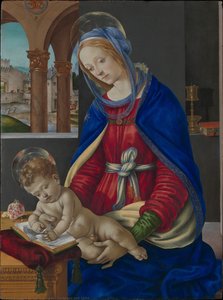
Filippino Lippi was an Italian painter from Florence who lived between 1457 and 1504. He was the son of Fra Filippo Lippi, a Carmelite friar and one of the most important painters of the early Renaissance. Filippino Lippi is known for his elegant figures, rich colors, and intricate details, which are evident in his painting Madonna with Child, St Anthony of Padua and a Friar, currently housed at the Szépmûvészeti Múzeum in Budapest, Hungary.
Description
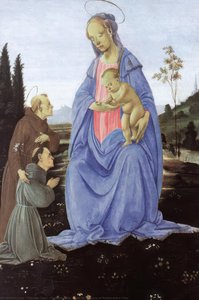
Madonna with Child, St Anthony of Padua and a Friar is a small painting on panel that measures 57 x 41 cm. It depicts the Virgin Mary holding the Christ Child on her lap, while St Anthony of Padua stands on the left side of the composition, looking at the viewer with a gentle smile. A friar, possibly representing Fra Filippo Lippi himself, is shown on the right side, kneeling in front of the Madonna and gazing at her with devotion.
The painting is executed in tempera, a technique that involves mixing pigments with egg yolk or another binder. The colors are bright and vivid, especially the blue of Mary's robe and the red of St Anthony's habit. The details of the faces, hands, and fabrics are rendered with great precision and delicacy, revealing Lippi's mastery of the medium.
Interpretation
Madonna with Child, St Anthony of Padua and a Friar is a devotional image that invites the viewer to contemplate the mystery of the Incarnation, the belief that God became man in the person of Jesus Christ. The presence of St Anthony of Padua, a popular saint known for his preaching and miracles, suggests that the painting may have been intended as an aid to meditation or prayer.
The friar in the painting may represent the donor who commissioned the work, or it could be a self-portrait of Filippino Lippi himself. In either case, his presence underscores the importance of the religious life and the role of art in expressing and promoting spiritual values.
Historical Context
Madonna with Child, St Anthony of Padua and a Friar was painted around 1485, during the early Renaissance period in Italy. This was a time of great cultural and artistic flowering, characterized by the revival of classical learning, the development of linear perspective, and the exploration of naturalism in art.
Filippino Lippi was one of the leading painters of his generation, along with Sandro Botticelli, Domenico Ghirlandaio, and Leonardo da Vinci. He was influenced by the works of Fra Angelico, Masaccio, and other early Renaissance masters, but he also incorporated elements from northern European art, such as the use of oil paint and the attention to detail.
Conclusion
Madonna with Child, St Anthony of Padua and a Friar is a beautiful and meaningful painting that showcases Filippino Lippi's artistic talent and spiritual vision. It is an example of the rich cultural heritage of Italy and the enduring appeal of religious art.
If you are interested in owning a reproduction of this masterpiece, please visit our website ArtsDot.com, where you can find high-quality handmade oil paintings that capture the beauty and essence of the original work.
- Sources:
- Smarthistory – Filippino Lippi’s Madonna and Child, an early Renaissance masterpiece
- Filippino Lippi's Madonna and Child - The Metropolitan Museum of Art
- Painting by 'Filippino Lippi' | Filippino Lippi:Madonna with Child, St Anthony of Padua and a Friar (detail) - ArtsDot.com
- Painting by 'Filippino Lippi' | Filippino Lippi:Madonna with Child, St Anthony of Padua and a Friar - ArtsDot.com
- Filippino Lippi - ArtsDot.com
Ähnliche Kunstwerke
Über den Künstler
Frühe Jahre und Ausbildung
- Geboren: April 1457, Prato, Italien
- Gestorben: April 1504
- Eltern: Fra Filippo Lippi (Maler) und Lucrezia Buti
- Filippino war der uneheliche Sohn eines renommierten Malers.
- Die frühe Ausbildung unter seinem Vater legte den Grundstein für seine künstlerische Karriere.
Künstlerische Laufbahn und Entwicklung
- Frühe Periode (1475-1480): Anfängliche Werke, wie Madonnen, zeigten einen weniger verfeinerten Stil. Diese wurden zunächst einem anonymen Künstler namens "amico di Sandro" zugeschrieben.
- Entwicklung (1480-1485): Entwicklung eines persönlichen und effektiven Ansatzes in Werken wie den *Reisen des Tobias*.
- Maturität (1485-1504): Beherrschung des Hochrenaissance-Stils, veranschaulicht durch die *Erscheinung Christi der Jungfrau*.
Hauptwerke und Kollaborationen
- Zusammenarbeit mit Perugino, Ghirlandaio und Botticelli an Fresken in Lorenzos de' Medicis Villa.
- Vollendung der unvollendeten Dekoration von Masaccio in der Brancacci-Kapelle zusammen mit Masolino.
- Bemerkenswerte Werke sind: *Die Krönung der Jungfrau*, *Tobias und der Engel*, *St. Hieronymus* und *Szene aus dem Leben des Heiligen Thomas*.
Einflüsse und künstlerischer Stil
- Frühe Einflüsse: Sandro Botticelli, Fra Filippo Lippi.
- Stileigenschaften: Animierte Form und Linie, warmer Kolorit, detaillierte Landschaften, ausdrucksstarke Figuren und eine Mischung aus Perspektivgeometrie mit intimen Innenräumen.
- Römische Altertümer: Studien nach römischen Altertümern während seiner Zeit in Rom beeinflussten seine Arbeit und integrierten einen antiken Wortschatz in seine Kunst.
Historische Bedeutung und Vermächtnis
- Ein führender florentinischer Vertreter der Tradition großer Freskenzyklen.
- Sein Einfluss auf die Hochrenaissance ist unbestreitbar.
- Werke sind in Museen auf der ganzen Welt zu finden, darunter in der Uffizien-Galerie in Florenz.
- Bekannt dafür, die Kluft zwischen früheren Renaissance-Stilen und der entstehenden Hochrenaissance-Ästhetik zu überbrücken.
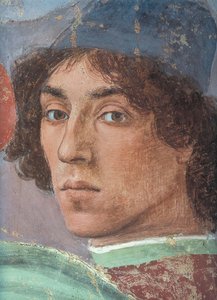
Filippino Lippi
1457 - 1504 , Italien
Kurzinfos
- Beeinflusste Künstler:
- Fra Filippo Lippi
- Sandro Botticelli
- Bemerkenswerte Werke:
- Coronation of the Virgin
- Tobias and the Angel
- St Jerome
- Geburtsdatum: April 1457
- Geburtsort: Prato, Italien
- Künstlerische Richtung: Hochrenaissance
- Nationalität: Italienisch
- Sterbedatum: April 1504
- Vollständiger Name: Filippino Lippi
- Von Künstlern Beeinflusst: ['Masaccio']
Ähnliche Artikel
Filippino Lippi: Renaissance-Innovation zwischen Glauben und Humanismus – Ein Meister der Florentiner Malerei
Entdecken Sie Filippino Lippi, einen Meister der Florentiner Renaissance! Erfahren Sie mehr über seinen einzigartigen Stil, monumentale Werke und seinen Einfluss auf die Kunstgeschichte. Expertenwissen & detaillierte Analysen.
Filippo Lippi: Zwischen religiöser Andacht und künstlerischer Innovation der Renaissance
Entdecken Sie das faszinierende Leben und Werk von Filippo Lippi, einem Schlüsselkünstler der Renaissance. Analysen seiner Meisterwerke, Einflüsse & Vermächtnis – Expertenwissen für Kunstliebhaber auf ArtsDot.

El Greco: Die 25 Meisterwerke – Kunst für Ihr Zuhause | ArtsDot
Entdecken Sie die 25 bedeutendsten Meisterwerke von El Greco! Erleben Sie die spirituelle Tiefe und den dramatischen Stil des griechischen Malers. Hochwertige Kunstdrucke & Inspiration für Ihr Zuhause auf ArtsDot.com.

Raphael: Die 25 Meisterwerke des Renaissance-Genies – Kunst für Ihr Zuhause
Entdecken Sie die 25 schönsten Meisterwerke von Raphael! Tauchen Sie ein in die Welt der Renaissance-Kunst, erfahren Sie faszinierende Geschichten und lassen Sie sich von den Farben und Kompositionen inspirieren. Hochwertige Reproduktionen auf ArtsDot.com.
Sandro Botticelli: Die 25 Meisterwerke des Renaissance-Genies – Kunst für Ihr Zuhause
Entdecken Sie die 25 schönsten Meisterwerke von Sandro Botticelli! Erleben Sie die Renaissance-Kunst mit 'Geburt der Venus', 'Primavera' & mehr. Hochwertige Reproduktionen für Ihr Zuhause – jetzt auf ArtsDot.com!