 Vorschau anzeigen
 Versenden
 Teilen
 Details anzeigen

 Herunterladen
 Ähnliche Objekte
 Röntgenaufnahme
 Diashow
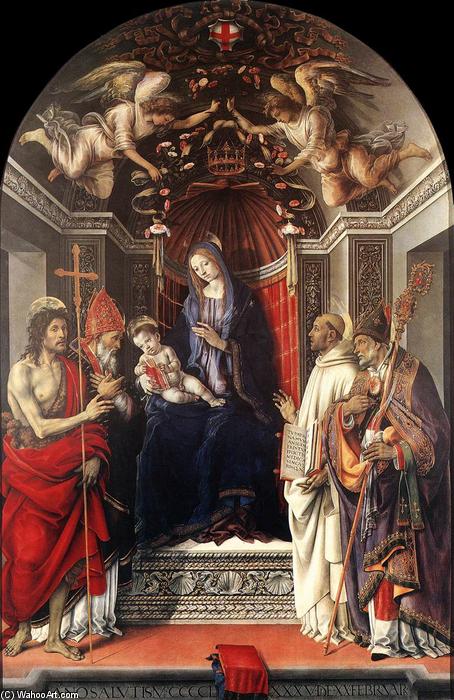
Signoria Altarpiece (Pala degli Otto)
 Acrylic On Canvas
- WallArt
- High Renaissance
 1486
1486 355.0 x 255.0 cm
 Galleria degli Uffizi
 Weiterlesen
Giclée / Kunstdruck
Giclée- oder Leinwanddruck in Museumsqualität mit schneller Produktion und flexiblen Veredelungsoptionen. ( Handgemalte Reproduktion bestellen Bild kaufen)




P118B $10

P118H $10

P118W $10

P438Z $10

P508JH $12

P508YH $12

P805H $10

P805Z $10

P919BZ $10

P919G $10

P919XJ $10

P959ZH $10

P968JZ $12

W106C $8

W218G $10

W218JH $8

W218Y $10

W307PJ $10

W316G $10

W316PJ $8

W316Y $10

W398PJ $8

W4111J $10

W500HY $15

W500JH $15

W692G $12

W849H $8

W940BG $15

W953PJ $8




Wählen Sie aus unseren vordefinierten Formaten, die den ursprünglichen Proportionen des Kunstwerks entsprechen.

Sie können Ihre eigenen Maße eingeben, um ein bestimmtes Format oder einen speziellen Platz einzupassen. Wenn das von Ihnen gewählte Format nicht den Proportionen des Originalbildes entspricht, werden wir das Kunstwerk entweder beschneiden oder das Bild mit einem gespiegelten oder einfarbigen Rand erweitern. Ein digitaler Entwurf wird Ihnen zur Genehmigung zugesandt, bevor die Produktion beginnt.
Bitte beachten Sie, dass die Vorschau auf dem Bildschirm nicht den tatsächlichen Zuschnitt oder die Erweiterung widerspiegelt. Nur der Entwurf zeigt die endgültige Komposition präzise an.
Obwohl Sondermaße verfügbar sind, empfehlen wir die Auswahl eines Maßes aus der vordefinierten Liste, um die ursprünglichen Proportionen zu bewahren.
Weltweiter Versand () innerhalb von 2 Wochen statt der üblichen 4/5 Wochen. (23 August)

Kostenloser weltweiter Expressversand

Hochwertige Leinenleinwand

Umfassender Versicherungsschutz beim Versand

Zollgebühren-Rückerstattungsgarantie

Garantie für exakte Farbtreue

60 Tage Rückgaberecht (nur bei Mängeln)

100% Geld-zurück-Garantie

Mengenrabatt verfügbar
 Die Glasoption ist nur für Größen unter 110 cm verfügbar.

Signoria Altarpiece (Pala degli Otto)
Giclée / Kunstdruck
Format der Reproduktion
-


Gesamtpreis
$ 62
Sammlerstück-Beschreibung
Signoria Altarpiece (Pala degli Otto): A Renaissance Masterpiece Illuminated
The Signoria Altarpiece, formally known as Pala degli Otto, stands as a testament to Filippino Lippi’s mastery of High Renaissance artistic principles and his collaborative spirit within Florence's vibrant cultural landscape. Painted in 1486, this monumental wooden panel depicts the Virgin Mary cradling Jesus Christ amidst an ensemble of saints—John the Baptist, Victor, Bernard, and Zenobius—creating a scene brimming with religious devotion and visual splendor.
Photographic Detail: The painting’s luminous palette – dominated by rich reds, deep blues, and opulent purples – immediately draws the eye. Careful observation reveals intricate detailing in drapery folds, facial expressions, and architectural ornamentation. Light plays across surfaces with remarkable realism, enhancing the sense of depth and conveying a palpable atmosphere of solemn reverence.
Artist Biography & Early Career: Filippino Lippi (1457 – 1504), born into an illegitimate union between Fra Filippo Lippi and Lucrezia Buti, benefited from his father’s considerable artistic influence. Initially apprenticed to Andrea Mantegna, Lippi honed his skills in Padua before embarking on a prolific career marked by collaborations with luminaries like Perugino, Ghirlandaio, and Botticelli at Lorenzo de' Medici’s villa. His early works showcased a somewhat restrained style, initially attributed to an anonymous artist known as “amico di Sandro,” but swiftly evolved into a more personal and expressive approach.
Style & Technique: Lippi’s signature style embodies the ideals of the High Renaissance – characterized by balanced compositions, idealized figures, and masterful use of perspective. The altarpiece exemplifies this ethos through its carefully constructed pyramidal structure, directing the viewer's gaze towards Mary and Christ at its apex. Employing tempera on wood—a technique favored for its durability and ability to achieve brilliant colors—Lippi meticulously layered pigments onto the surface, achieving remarkable textural richness and luminosity. Notably, scholars debate whether Leonardo da Vinci influenced Lippi’s artistic vision, citing similarities in compositional techniques and color palettes.
Historical Context & Symbolism: Commissioned for the Lesser Council Hall of Palazzo Vecchio—Florence's seat of government—the Pala degli Otto reflects the humanist fervor of the era. The depiction of Mary and Christ symbolizes divine grace and redemption, while the saints represent various facets of Christian faith and piety. The prominent crosses serve as reminders of Christ’s sacrifice and underscore the spiritual significance of the scene. Furthermore, Lippi's meticulous attention to architectural detail—evident in the gilded reliefs adorning the panel—mirrors the revival of classical ideals prevalent during the Renaissance.
Emotional Impact & Legacy: The Signoria Altarpiece transcends mere visual representation; it communicates profound emotion – compassion, serenity, and unwavering faith. Its enduring beauty continues to inspire artists and collectors alike, cementing Lippi’s place as one of Florence's foremost painters and a pivotal figure in the artistic canon of the High Renaissance.
Ähnliche Kunstwerke
Über den Künstler
Frühe Jahre und Ausbildung
- Geboren: April 1457, Prato, Italien
- Gestorben: April 1504
- Eltern: Fra Filippo Lippi (Maler) und Lucrezia Buti
- Filippino war der uneheliche Sohn eines renommierten Malers.
- Die frühe Ausbildung unter seinem Vater legte den Grundstein für seine künstlerische Karriere.
Künstlerische Laufbahn und Entwicklung
- Frühe Periode (1475-1480): Anfängliche Werke, wie Madonnen, zeigten einen weniger verfeinerten Stil. Diese wurden zunächst einem anonymen Künstler namens "amico di Sandro" zugeschrieben.
- Entwicklung (1480-1485): Entwicklung eines persönlichen und effektiven Ansatzes in Werken wie den *Reisen des Tobias*.
- Maturität (1485-1504): Beherrschung des Hochrenaissance-Stils, veranschaulicht durch die *Erscheinung Christi der Jungfrau*.
Hauptwerke und Kollaborationen
- Zusammenarbeit mit Perugino, Ghirlandaio und Botticelli an Fresken in Lorenzos de' Medicis Villa.
- Vollendung der unvollendeten Dekoration von Masaccio in der Brancacci-Kapelle zusammen mit Masolino.
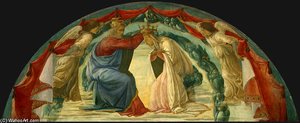
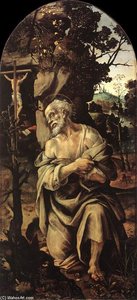
- Bemerkenswerte Werke sind: *Die Krönung der Jungfrau*, *Tobias und der Engel*, *St. Hieronymus* und *Szene aus dem Leben des Heiligen Thomas*.
Einflüsse und künstlerischer Stil
- Frühe Einflüsse: Sandro Botticelli, Fra Filippo Lippi.
- Stileigenschaften: Animierte Form und Linie, warmer Kolorit, detaillierte Landschaften, ausdrucksstarke Figuren und eine Mischung aus Perspektivgeometrie mit intimen Innenräumen.
- Römische Altertümer: Studien nach römischen Altertümern während seiner Zeit in Rom beeinflussten seine Arbeit und integrierten einen antiken Wortschatz in seine Kunst.
Historische Bedeutung und Vermächtnis
- Ein führender florentinischer Vertreter der Tradition großer Freskenzyklen.
- Sein Einfluss auf die Hochrenaissance ist unbestreitbar.
- Werke sind in Museen auf der ganzen Welt zu finden, darunter in der Uffizien-Galerie in Florenz.
- Bekannt dafür, die Kluft zwischen früheren Renaissance-Stilen und der entstehenden Hochrenaissance-Ästhetik zu überbrücken.
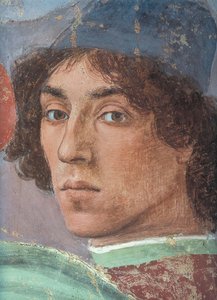
Filippino Lippi
1457 - 1504 , Italien
Kurzinfos
- Beeinflusste Künstler:
- Fra Filippo Lippi
- Sandro Botticelli
- Bemerkenswerte Werke:
- Coronation of the Virgin
- Tobias and the Angel
- St Jerome
- Geburtsdatum: April 1457
- Geburtsort: Prato, Italien
- Künstlerische Richtung: Hochrenaissance
- Nationalität: Italienisch
- Sterbedatum: April 1504
- Vollständiger Name: Filippino Lippi
- Von Künstlern Beeinflusst: ['Masaccio']
Ähnliche Artikel
Filippino Lippi: Renaissance-Innovation zwischen Glauben und Humanismus – Ein Meister der Florentiner Malerei
Entdecken Sie Filippino Lippi, einen Meister der Florentiner Renaissance! Erfahren Sie mehr über seinen einzigartigen Stil, monumentale Werke und seinen Einfluss auf die Kunstgeschichte. Expertenwissen & detaillierte Analysen.
Filippo Lippi: Zwischen religiöser Andacht und künstlerischer Innovation der Renaissance
Entdecken Sie das faszinierende Leben und Werk von Filippo Lippi, einem Schlüsselkünstler der Renaissance. Analysen seiner Meisterwerke, Einflüsse & Vermächtnis – Expertenwissen für Kunstliebhaber auf ArtsDot.
Die 25 Meisterwerke der Uffizien: Kunstgeschichte für Ihr Zuhause | ArtsDot
Entdecken Sie die 25 berühmtesten Meisterwerke der Uffizien, Florenz! Von Botticelli bis Leonardo da Vinci – Kunstgeschichte erleben. Hochwertige Reproduktionen & Inspiration für Ihr Zuhause auf ArtsDot.com.
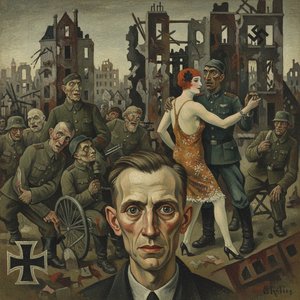
Otto Dix: Trauma, Gesellschaft und künstlerische Rebellion in der Weimarer Republik
Entdecken Sie das komplexe Werk von Otto Dix und die künstlerische Rebellion der Weimarer Republik. Analyse seiner Kriegserfahrungen, Gesellschaftskritik und des Stils der Neuen Sachlichkeit – fundiert & verständlich.

James Otto Lewis: Navigating American Modernism Through Regional Identity & Stylistic Innovation
Explore the captivating portraits of James Otto Lewis, a pivotal figure bridging 19th-century realism & American Modernism. Discover his groundbreaking work documenting Native American culture and regional identity.