 Vorschau anzeigen
 Versenden
 Teilen
 Details anzeigen

 Herunterladen
 Ähnliche Objekte
 Röntgenaufnahme
 Diashow
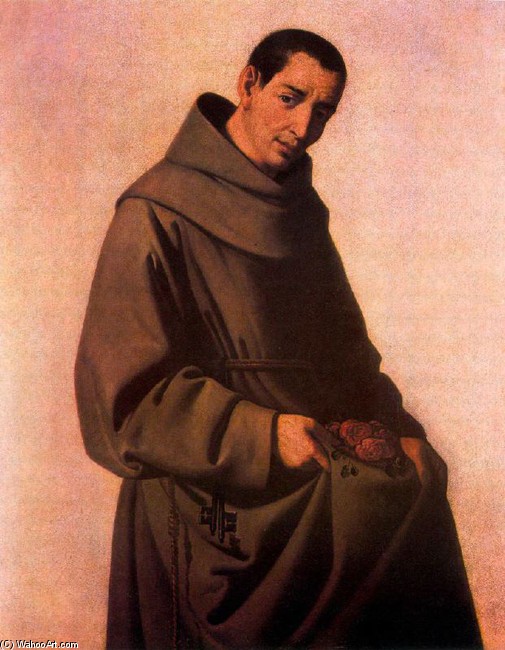
San Diego de Álcala

 Weiterlesen
Handgefertigte Ölreproduktion
Handgemaltes Ölgemälde auf Leinwand in Ihrer Wunschgröße und mit Rahmen, auf Bestellung von unseren Künstlern angefertigt. ( Druck bestellen Bild kaufen)




P118B $10

P118H $10

P118W $10

P438Z $10

P508JH $12

P508YH $12

P805H $10

P805Z $10

P919BZ $10

P919G $10

P919XJ $10

P959ZH $10

P968JZ $12

W106C $8

W218G $10

W218JH $8

W218Y $10

W307PJ $10

W316G $10

W316PJ $8

W316Y $10

W398PJ $8

W4111J $10

W500HY $15

W500JH $15

W692G $12

W849H $8

W940BG $15

W953PJ $8




Wählen Sie aus unseren vordefinierten Formaten, die den ursprünglichen Proportionen des Kunstwerks entsprechen.

Sie können Ihre eigenen Maße eingeben, um einen bestimmten Rahmen oder Platz auszufüllen. Wenn die gewählte Größe nicht den Proportionen des Originalbildes entspricht, werden wir das Kunstwerk entweder beschneiden oder das Gemälde durch zusätzliche, handgemalte Elemente erweitern. Ein digitales Mockup wird Ihnen zur Genehmigung zugesandt, bevor die Produktion beginnt.
Bitte beachten Sie, dass die Bildschirmvorschau nicht die tatsächliche Beschneidung oder Erweiterung widerspiegelt. Nur das Mockup zeigt die endgültige Komposition exakt an.
Obwohl Sondermaße verfügbar sind, empfehlen wir, eine Größe aus der vordefinierten Liste zu wählen, um die ursprünglichen Proportionen beizubehalten.
Nach der Bestellung wird das ArtsDot.com-Team dem Kunden Anweisungen per E-Mail zusenden und eine Mockup-Vorschau bereitstellen.
Weltweiter Versand () in nur 3 bis 4 Wochen statt der üblichen 5 Wochen. (22 August). Keine Kompromisse bei der Qualität.

Kostenloser weltweiter Expressversand

Hochwertige Leinenleinwand

Umfassender Versicherungsschutz beim Versand

Zollgebühren-Rückerstattungsgarantie

Garantie für exakte Farbtreue

60 Tage Rückgaberecht (nur bei Mängeln)

100% Geld-zurück-Garantie

Mengenrabatt verfügbar
 Die Glasoption ist nur für Größen unter 110 cm verfügbar.

San Diego de Álcala
Art der Reproduktion
Format der Reproduktion
-


Gesamtpreis
$ 263
Beschreibung des Kunstwerks
Francisco de Zurbarán’s Profound Meditation on Faith
Francisco de Zurbarán's "San Diego de Álcala" is not merely a portrait; it’s an immersion into the heart of 17th-century Spanish religious art. Painted between approximately 1630 and 1650, this arresting black and white composition captures a moment of intense contemplation by San Diego of Alcalá, a revered figure known for his unwavering devotion and tireless efforts to reform the Church. The painting’s power lies not in dramatic action or elaborate ornamentation, but rather in its quiet intensity—a testament to Zurbarán's mastery of *tenebrism*, a technique he perfected that dramatically contrasts light and shadow to heighten emotional impact.
The subject himself is presented with remarkable realism. Dressed in a simple, dark brown robe, his posture exudes solemnity and unwavering focus. The open sleeves reveal a white shirt beneath, symbolizing purity and humility—qualities central to San Diego’s life and teachings. His gaze, direct and penetrating, engages the viewer immediately, inviting us into his inner world of prayer and reflection. The object held in his hand – often interpreted as a book or perhaps a piece of fruit – serves as a tangible symbol of spiritual nourishment and divine guidance.
The Baroque Influence and Zurbarán’s Distinct Style
Zurbarán's work is deeply rooted in the Baroque period, yet he developed a uniquely austere style. Unlike many of his contemporaries who embraced opulent color and theatrical gestures, Zurbarán favored simplicity, restraint, and an almost photographic realism. He meticulously rendered textures – the folds of the robe, the roughness of the wood beneath his hand – with astonishing detail, creating a sense of tangible presence. This commitment to naturalism was further enhanced by his use of *chiaroscuro*, the dramatic interplay of light and dark, which sculpts the figure and draws our attention to key elements within the composition.
The painting’s monochrome palette—a hallmark of Zurbarán's style—amplifies the sense of solemnity and spiritual depth. The absence of color forces us to focus entirely on form, texture, and the emotional weight conveyed through gesture and expression. It echoes the austerity of monastic life and the contemplative nature of religious devotion.
Historical Context: San Diego’s Legacy and the Mission System
To understand "San Diego de Álcala," it's crucial to consider the historical context in which it was created. San Diego of Alcalá (1569-1637) was a Spanish friar, cardinal, and reformer who dedicated his life to combating corruption within the Church and promoting stricter adherence to religious principles. He established the Order of Saint Philip and Saint James, known as the “Caldereros,” which focused on reforming monastic life and providing assistance to the poor. His influence extended far beyond Spain, shaping Catholic reform movements throughout Europe.
The painting was produced during a period when the Spanish monarchy actively promoted the expansion of its mission system in New Spain (present-day Mexico and Central America). These missions were not simply religious centers; they were complex social institutions designed to convert indigenous populations to Christianity, integrate them into Spanish society, and secure valuable labor for colonial agriculture. The Mission San Diego de Alcalá, where this painting depicts San Diego’s life and work, played a pivotal role in this process.
Symbolism and Emotional Resonance
Beyond its historical context, "San Diego de Álcala" is rich in symbolism. The figure's posture—head bowed slightly, hand outstretched—suggests an act of prayer or contemplation. The simplicity of his attire underscores his humility and dedication to spiritual service. The painting’s overall effect is one of profound serenity and inner peace – a testament to the transformative power of faith. It invites viewers to reflect on their own spiritual journeys and to consider the enduring legacy of San Diego of Alcalá, a man who dedicated his life to upholding the ideals of Christian charity and reform.
Ähnliche Kunstwerke
Über den Künstler
frühes Leben und Ausbildung
Francisco de Zurbarán, ein bedeutender spanischer Maler, wurde 1598 in Extremadura, Spanien, geboren. Seine künstlerische Reise begann unter der Anleitung von Alejandro de la Mina, doch es war seine Zeit mit Alonso de Najera, der seinen barocken Stil wirklich prägte.Künstlerische Karriere und bedeutende Werke
Zurbaráns Werk ist durch die dramatische Verwendung von Licht und Schatten gekennzeichnet, eine Technik, die als Tenebrismus bekannt ist. Dies kann in das Sudarium der Heiligen Veronika gesehen werden, einem Gemälde, das seine Meisterschaft über das Medium demonstriert. *- Unbefleckte Empfängnis (ca. 1635), ein herausragendes Beispiel für Zurbaráns frühe Arbeit, befindet sich im Museo de Bellas Artes, Bilbao.
- Agnus Dei (ca. 1640), ein kraftvolles Symbol religiöser Hingabe, ist Teil der Sammlung des Metropolitan Museum of Art.
- Das apokryphe Motiv der Erscheinung der Jungfrau vor Johannes dem Baptist, ein weiteres bemerkenswertes Werk, demonstriert seine Fähigkeit, Licht und Dunkelheit auszubalancieren.
Vermächtnis und Einfluss
Zurbaráns Einfluss auf den spanischen Barock ist unbestreitbar. Seine Verwendung von Chiaroscuro hat Generationen von Künstlern inspiriert. Der Kreis um Francisco de Zurbarán, eine Gruppe von Künstlern, die von seinem Werk beeinflusst wurden, setzte die Grenzen des Tenebrismus weiter aus. * Schlüsselpunkte: * Aktiv in Sevilla, Spanien, ab 1614. * Bekannt für dramatische Beleuchtung und intensive emotionale Tiefe. * Hat zahlreiche spanische Barockmaler beeinflusst.Fazit
Francisco Zurbaráns Vermächtnis ist ein Beweis für die dauernde Kraft der Barockkunst. Seine innovative Verwendung von Licht und Schatten hat einen unauslöschlichen Eindruck auf die Kunstwelt hinterlassen und unzählige Künstler inspiriert und seinen Platz in der Geschichte gesichert. * Weitere Lektüre: * [https://ArtsDot.com/@/francisco-zurbaran](https://ArtsDot.com/@/francisco-zurbaran) - Entdecken Sie mehr von Zurbaráns Werken auf ArtsDot. * [https://wikipedia.org/wiki/francisco_de_zurbarán](https://wikipedia.org/wiki/francisco_de_zurbarán) - Tauchen Sie ein in das Leben und die Einflüsse des Künstlers.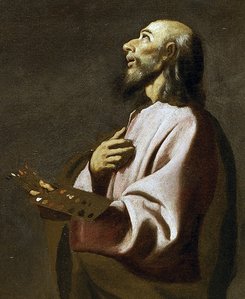
Francisco de Zurbarán
1598 - 1664 , Spanien
Kurzinfos
- Artistic Movement Or Style: Barock
- Artists Or Movements Influenced By This Artist: Der Kreis um Zurbarán
- Artists Who Influenced This Artist:
- Alejandro de la Mina
- Alonso de Najera
- Juan Sánchez Cotán
- Date Of Birth: 1598
- Date Of Death: 1664
- Full Name: Francisco de Zurbarán
- Nationality: Spanisch
- Notable Artworks:
- Unbefleckte Empfängnis
- Agnus Dei
- Sudarium der Heiligen Veronika
- Place Of Birth: Fuente de Cantos, Spanien
Ähnliche Artikel

Goya: Die 25 Meisterwerke des spanischen Genies – Kunst für Ihr Zuhause | ArtsDot
Entdecken Sie die 25 Meisterwerke von Francisco Goya! Tauchen Sie ein in die düstere Romantik spanischer Malerei, Porträts & Historienbilder. Hochwertige Kunstdrucke auf ArtsDot.com – für Kunstliebhaber und stilvolles Wohnen.

Über uns
Entdecken Sie unsere Geschichte! Wir bringen Weltklasse-Kunst in Ihr Leben durch fachkundige Auswahl, individuelle Kreationen und kostenlose Vorschauen. Seit dem Jahr 2000 von Privatpersonen und Unternehmen geschätzt.
Francisco de Zurbarán: Mystik, Realismus und das goldene Zeitalter der spanischen Malerei
Entdecken Sie das faszinierende Werk von Francisco de Zurbarán! Erfahren Sie mehr über den Meister des spanischen Barock, seine religiösen Gemälde und den Einfluss Caravaggios. Kunstgeschichte pur – jetzt lesen!

Barock Meisterwerke: Die 10 prägendsten Kunstwerke für Ihr Zuhause |
Entdecken Sie die 10 prägendsten Meisterwerke des Barock! Caravaggio, Rembrandt & Co. – Erfahren Sie die Geschichten hinter ikonischen Gemälde und finden Sie hochwertige Kunst Reproduktionen für Ihr Zuhause auf .

The Dramatic Flourish: Exploring the Baroque Movement's Enduring Legacy in Art History
Explore the dramatic world of Baroque art! Discover iconic artists like Caravaggio & Rubens, defining techniques, and its lasting impact on art history. Expert insights for collectors & enthusiasts at ArtsDot.