 Vorschau anzeigen
 Versenden
 Teilen
 Details anzeigen

 Herunterladen
 Ähnliche Objekte
 Röntgenaufnahme
 Diashow
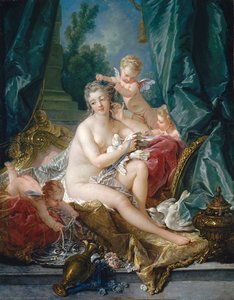
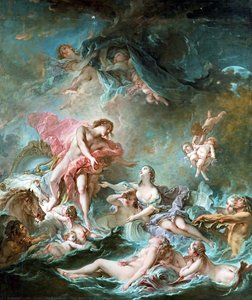
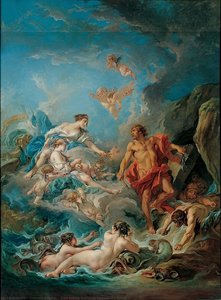
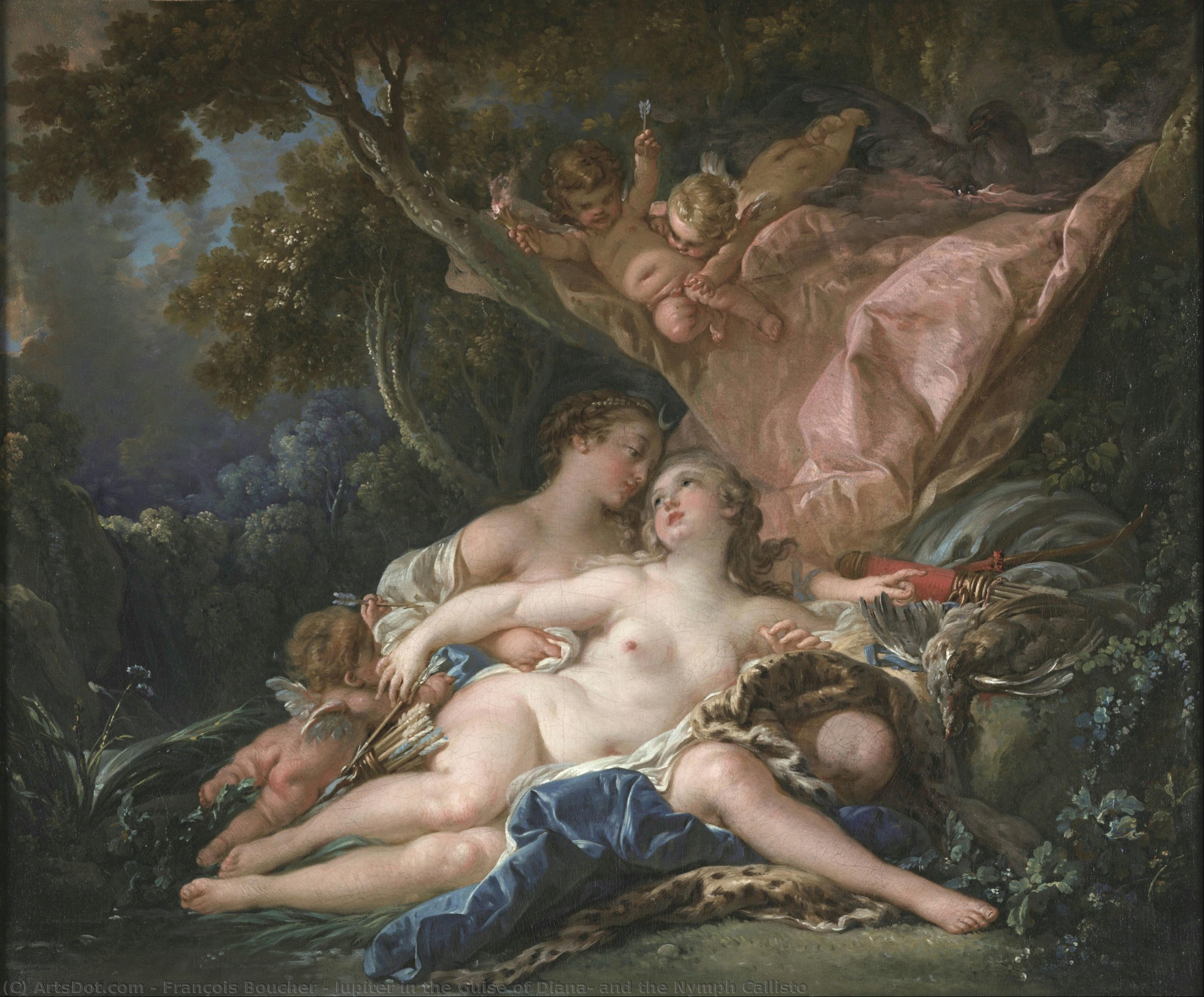
Jupiter in the Guise of Diana, and the Nymph Callisto
 Rococo
 1759
1759 57.0 x 69.0 cm
 Nelson-Atkins Museum of Art
 Weiterlesen
Giclée / Kunstdruck
Giclée- oder Leinwanddruck in Museumsqualität mit schneller Produktion und flexiblen Veredelungsoptionen. ( Handgemalte Reproduktion bestellen Bild kaufen)




P118B $10

P118H $10

P118W $10

P438Z $10

P508JH $12

P508YH $12

P805H $10

P805Z $10

P919BZ $10

P919G $10

P919XJ $10

P959ZH $10

P968JZ $12

W106C $8

W218G $10

W218JH $8

W218Y $10

W307PJ $10

W316G $10

W316PJ $8

W316Y $10

W398PJ $8

W4111J $10

W500HY $15

W500JH $15

W692G $12

W849H $8

W940BG $15

W953PJ $8




Wählen Sie aus unseren vordefinierten Formaten, die den ursprünglichen Proportionen des Kunstwerks entsprechen.

Sie können Ihre eigenen Maße eingeben, um ein bestimmtes Format oder einen speziellen Platz einzupassen. Wenn das von Ihnen gewählte Format nicht den Proportionen des Originalbildes entspricht, werden wir das Kunstwerk entweder beschneiden oder das Bild mit einem gespiegelten oder einfarbigen Rand erweitern. Ein digitaler Entwurf wird Ihnen zur Genehmigung zugesandt, bevor die Produktion beginnt.
Bitte beachten Sie, dass die Vorschau auf dem Bildschirm nicht den tatsächlichen Zuschnitt oder die Erweiterung widerspiegelt. Nur der Entwurf zeigt die endgültige Komposition präzise an.
Obwohl Sondermaße verfügbar sind, empfehlen wir die Auswahl eines Maßes aus der vordefinierten Liste, um die ursprünglichen Proportionen zu bewahren.
Weltweiter Versand () innerhalb von 2 Wochen statt der üblichen 4/5 Wochen. (4 September)

Kostenloser weltweiter Expressversand

Hochwertige Leinenleinwand

Umfassender Versicherungsschutz beim Versand

Zollgebühren-Rückerstattungsgarantie

Garantie für exakte Farbtreue

60 Tage Rückgaberecht (nur bei Mängeln)

100% Geld-zurück-Garantie

Mengenrabatt verfügbar
 Die Glasoption ist nur für Größen unter 110 cm verfügbar.

Jupiter in the Guise of Diana, and the Nymph Callisto
Giclée / Kunstdruck
Format der Reproduktion
-


Gesamtpreis
$ 62
A Dance of Gods and Nymphs: François Boucher’s “Jupiter in the Guise of Diana, and the Nymph Callisto”
François Boucher's "Jupiter in the Guise of Diana, and the Nymph Callisto," painted in 1759, is more than just a beautiful depiction of mythological figures; it’s a shimmering embodiment of Rococo elegance, a testament to Boucher’s mastery of light, color, and sensual form. This captivating work, now residing within the Nelson-Atkins Museum of Art in Kansas City, transports us to a world where divine desire unfolds amidst clouds of luxurious drapery and the tranquil beauty of Arcadia. It's a scene brimming with symbolism, inviting contemplation on themes of love, deception, and the eternal allure of the gods.
The painting immediately draws the eye into a softly lit, almost dreamlike space. Boucher expertly employs a technique known as *sfumato*, blurring lines and creating an atmospheric haze that softens the forms and contributes to the overall sense of opulence. The palette is rich and vibrant – deep reds, blues, and golds dominate, contrasted by delicate creams and pale pinks. Notice how light seems to emanate from within the figures themselves, highlighting their graceful curves and emphasizing the textures of their garments. Boucher’s brushwork is remarkably fluid, almost dissolving into the background, creating a sense of movement and dynamism despite the static pose of the subjects.
The Mythic Narrative Unveiled
At the heart of the composition lies the central drama: Jupiter, disguised as Diana (the goddess of the hunt), seducing Callisto, a nymph who has strayed from her duties. The story originates in Ovid’s *Metamorphoses*, where Zeus, captivated by Callisto's beauty, transforms himself into Diana to entice her. Boucher captures this pivotal moment with exquisite detail and subtle suggestion. We see Jupiter, rendered as an eagle – a potent symbol of his power and swiftness – reaching out towards Callisto, who is depicted reclining gracefully on a bed of flowers, her expression a mixture of surprise and yielding acceptance. The inclusion of the young Medor and Angélique, two cherubic figures, adds another layer to the narrative, hinting at the playful nature of divine love and the consequences of its pursuit.
The painting’s historical context is crucial to understanding its significance. Boucher was working during the height of the Rococo period, a style characterized by its emphasis on pleasure, beauty, and aristocratic taste. Royal patronage played a significant role in shaping this artistic movement, and Boucher benefited greatly from the support of Louis XV. This commission reflects the court’s fascination with classical mythology, which provided a rich source of inspiration for artists seeking to depict themes of love, desire, and heroism.
Symbolism and Emotional Resonance
Beyond the literal depiction of the myth, “Jupiter in the Guise of Diana” is laden with symbolic meaning. The crescent moon adorning Diana’s forehead serves as a visual reminder of her connection to Jupiter, highlighting the deception at play. The lush floral arrangement beneath Callisto symbolizes fertility and rebirth – a subtle nod to the nymph's impending motherhood. The overall mood of the painting is one of sensual delight tempered by a hint of melancholy. Despite the beauty and grace of the scene, there’s an underlying sense of vulnerability and loss associated with Callisto’s fate.
Boucher masterfully evokes a feeling of timelessness within this intimate tableau. The figures seem suspended in a perpetual moment of enchantment, inviting viewers to lose themselves in the beauty and drama of the myth. The painting's enduring appeal lies not only in its technical brilliance but also in its ability to tap into universal themes of love, desire, and the complexities of human relationships – all rendered with Boucher’s signature elegance and a profound understanding of the power of visual storytelling.
A Reproduction for Your Space
Reproductions of “Jupiter in the Guise of Diana, and the Nymph Callisto” offer a remarkable opportunity to bring this masterpiece into your home or office. The intricate details and vibrant colors are faithfully captured in high-quality prints, allowing you to appreciate Boucher’s artistry from afar. Whether displayed as a focal point in a salon or incorporated into a more subtle interior design scheme, this painting's evocative beauty will undoubtedly add a touch of sophistication and timeless charm to any space.
Ähnliche Kunstwerke
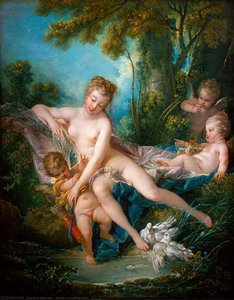
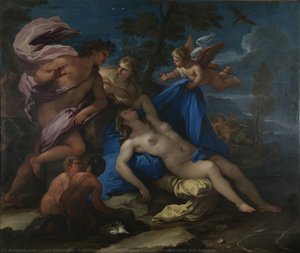
Über den Künstler
François Boucher: Ein Leben im Rokoko
François Boucher (1703–1770) war eine zentrale Figur der französischen Kunst des 18. Jahrhunderts und gilt als einer der bekanntesten Maler der Epoche des Rokoko. Seine Werke verkörpern die Eleganz, Sinnlichkeit und verspielte Stimmung, die diesen einflussreichen Stil definierten.
Frühes Leben und Ausbildung
François Boucher wurde am 29. September 1703 in Paris, Frankreich, geboren. Seine künstlerische Reise begann unter der Anleitung seines Vaters, Jean Boucher, selbst Maler. Im Alter von siebzehn Jahren erregte er die Aufmerksamkeit von François Lemoyne, was zu einer kurzen, aber wirkungsvollen Lehrlingszeit führte. Er verbesserte seine Fähigkeiten weiter mit dem Radierer Jean-François Cars, bevor er einen bedeutenden Meilenstein erreichte: den Gewinn des prestigeträchtigen Grand Prix de Rome im Jahr 1720.
Aufstieg und künstlerische Entwicklung
Bouchers Zeit in Italien nach seinem Gewinn beim Grand Prix erwies sich als prägend. Nach seiner Rückkehr nach Frankreich wurde er 1731 in die
- Académie Royale de Peinture et de Sculpture
Hauptwerke und Themen
Bouchers Œuvre ist bemerkenswert vielfältig und umfasst Mythologie, Porträts, Genreszenen und dekorative Künste. Zu seinen bekanntesten Werken gehören:
- „Das Frühstück“ (1739): Eine charmante Darstellung des häuslichen Lebens mit seiner Frau und seinen Kindern.
- „Der Triumph der Venus“ (1740–1751): Eine Reihe von Gemälden, die Bouchers Meisterschaft in mythologischen Erzählungen zeigen.
- Zahlreiche Porträts von Madame de Pompadour, der einflussreichen Geliebten des Königs Ludwig XV., festigten seine Position am Hof.
- Landschaftsbilder wie „Der Sonnenuntergang“, die eine lyrische und idyllische Vision der Natur demonstrieren.
Wiederkehrende Themen in Bouchers Werk sind Liebe, Schönheit, Freizeit und die idealisierte Welt der Mythologie. Seine Gemälde erwecken oft ein Gefühl von verspielter Erotik und raffinierter Eleganz.
Einfluss und Vermächtnis
Bouchers Einfluss reichte weit über die Malerei hinaus. Er entwarf Kostüme und Bühnenbilder für das Theater, schuf Wandteppiche für die Werkstätten von Beauvais und arbeitete mit der Gobelins Manufaktur zusammen. Seine Ernennung zum *Premier Peintre du Roi* im Jahr 1765 festigte seinen Status als führender Künstler des französischen Rokoko.
Obwohl spätere Kritiker die vermeintliche Oberflächlichkeit der Rokokokunst in Frage stellten, ist Bouchers Einfluss auf nachfolgende Generationen unbestreitbar. Er beeinflusste Künstler wie Jean-Honoré Fragonard und trug durch seine Schüler wesentlich zur Entwicklung des Neoklassizismus bei.
Historische Bedeutung
Bouchers Werk bietet einen wertvollen Einblick in den Geschmack und die Werte der französischen Gesellschaft des 18. Jahrhunderts. Seine Gemälde spiegeln die aristokratische Kultur der Epoche wider, die durch Luxus, Raffinesse und das Streben nach Vergnügen gekennzeichnet war. Er bleibt eine bedeutende Figur in der Kunstgeschichte, gefeiert für seine technische Fertigkeit, künstlerische Innovation und seinen bleibenden Beitrag zum Rokoko-Stil.

François Boucher
1703 - 1770 , Frankreich
Kurzinfos
- Beeinflusste Kunstrichtungen:
- Neoklassizismus
- Jean-Honoré Fragonard
- Beeinflusste Künstler:
- François Lemoyne
- Jean-François Cars
- Bemerkenswerte Werke:
- Rinaldo und Armida
- Das Frühstück
- Der Triumph der Venus
- Die Sonnenuntergang
- Geburtsdatum: 29. September 1703
- Geburtsort: Paris, Frankreich
- Künstlerischer Stil: Rokoko
- Nationalität: Französisch
- Sterbedatum: 30. Mai 1770
- Vollständiger Name: François Boucher
- Von Künstlern Beeinflusst:
- Tizian
- Veronese
- Tintoretto
Ähnliche Artikel
François Boucher: Rokoko-Meister von Mythos, Sinnlichkeit und dem französischen Hofleben
Entdecken Sie François Boucher, den Meister des Rokoko! Erfahren Sie mehr über sein Leben, seine sinnlichen Gemälde und seinen Einfluss auf die französische Hofkunst. Jetzt lesen!

Rococo Meisterwerke: Die Top 10, die eine Epoche prägten |
Entdecken Sie die Top 10 Rokoko Meisterwerke von Watteau, Boucher & Fragonard! Erfahren Sie die Geschichten hinter diesen ikonischen Gemälden und lassen Sie sich für Ihre Inneneinrichtung inspirieren. Hochwertige Kunstdrucke auf .

The Rococo Aesthetic: Opulence, Rebellion & the Pursuit of Pleasure in 18th-Century Art
Explore the opulent world of Rococo art! Discover its origins, key artists like Watteau & Boucher, and lasting influence on design. Expert insights for collectors & enthusiasts.
The Allure of Elegance in Art: A Historical & Aesthetic Exploration of Refinement & Grace
Explore the exquisite world of Rococo art! Discover its history, masters (Watteau, Boucher & more), and defining elegance. Expert insights for collectors seeking museum-quality reproductions & custom portraits.
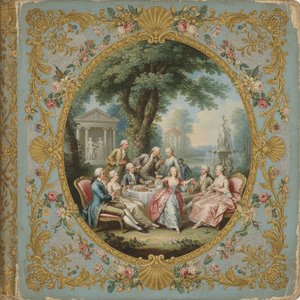
The Rococo Style: Aristocratic Leisure & the Pursuit of Delight in 18th-Century Art
Explore the opulent world of Rococo art! Discover Watteau, Boucher & Nattier's masterpieces. Expert insights for collectors seeking museum-quality reproductions and custom portraits at ArtsDot.