 Vorschau anzeigen
 Versenden
 Teilen
 Details anzeigen

 Herunterladen
 Ähnliche Objekte
 Röntgenaufnahme
 Diashow
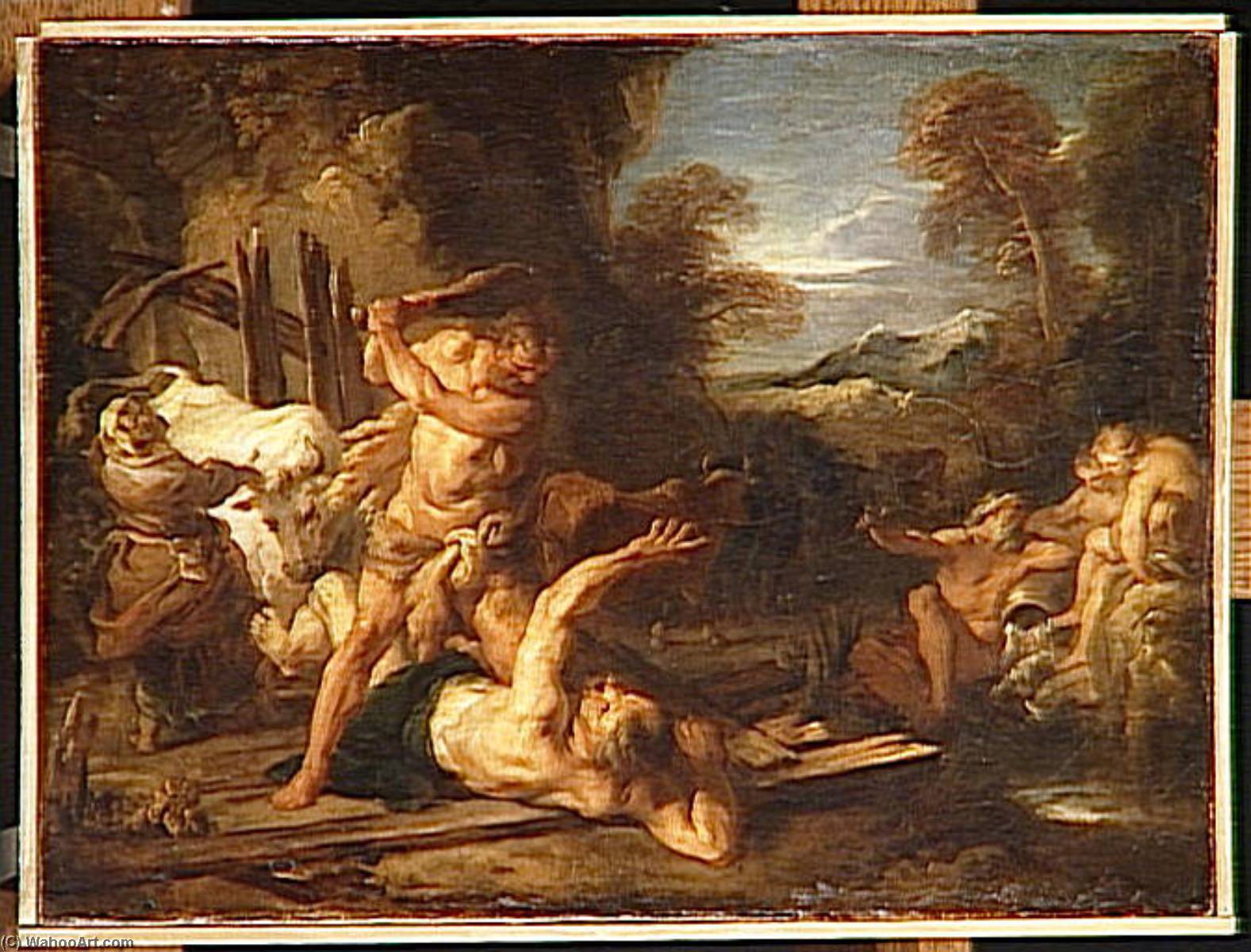
HERCULE ASSOMMANT CACUS


 Weiterlesen
Giclée / Kunstdruck
Giclée- oder Leinwanddruck in Museumsqualität mit schneller Produktion und flexiblen Veredelungsoptionen. ( Handgemalte Reproduktion bestellen Bild kaufen)




P118B $10

P118H $10

P118W $10

P438Z $10

P508JH $12

P508YH $12

P805H $10

P805Z $10

P919BZ $10

P919G $10

P919XJ $10

P959ZH $10

P968JZ $12

W106C $8

W218G $10

W218JH $8

W218Y $10

W307PJ $10

W316G $10

W316PJ $8

W316Y $10

W398PJ $8

W4111J $10

W500HY $15

W500JH $15

W692G $12

W849H $8

W940BG $15

W953PJ $8




Wählen Sie aus unseren vordefinierten Formaten, die den ursprünglichen Proportionen des Kunstwerks entsprechen.

Sie können Ihre eigenen Maße eingeben, um ein bestimmtes Format oder einen speziellen Platz einzupassen. Wenn das von Ihnen gewählte Format nicht den Proportionen des Originalbildes entspricht, werden wir das Kunstwerk entweder beschneiden oder das Bild mit einem gespiegelten oder einfarbigen Rand erweitern. Ein digitaler Entwurf wird Ihnen zur Genehmigung zugesandt, bevor die Produktion beginnt.
Bitte beachten Sie, dass die Vorschau auf dem Bildschirm nicht den tatsächlichen Zuschnitt oder die Erweiterung widerspiegelt. Nur der Entwurf zeigt die endgültige Komposition präzise an.
Obwohl Sondermaße verfügbar sind, empfehlen wir die Auswahl eines Maßes aus der vordefinierten Liste, um die ursprünglichen Proportionen zu bewahren.
Weltweiter Versand () innerhalb von 2 Wochen statt der üblichen 4/5 Wochen. (19 August)

Kostenloser weltweiter Expressversand

Hochwertige Leinenleinwand

Umfassender Versicherungsschutz beim Versand

Zollgebühren-Rückerstattungsgarantie

Garantie für exakte Farbtreue

60 Tage Rückgaberecht (nur bei Mängeln)

100% Geld-zurück-Garantie

Mengenrabatt verfügbar
 Die Glasoption ist nur für Größen unter 110 cm verfügbar.

HERCULE ASSOMMANT CACUS
Giclée / Kunstdruck
Format der Reproduktion
-


Gesamtpreis
$ 62
Sammlerstück-Beschreibung
A Triumph Forged in Light and Shadow: François Lemoyne’s “Hercules Assommant Cacus”
François Lemoyne's "Hercules Assommant Cacus," a monumental painting housed within the hallowed halls of the Louvre, isn’t merely a depiction of a mythological struggle; it’s a vibrant testament to the burgeoning Rococo style and a profound exploration of heroism, power, and the subjugation of primal chaos. Completed in 1717, this artwork transcends its narrative roots, offering a glimpse into the artistic sensibilities of a pivotal era – a time when grandeur and intimacy danced together within the opulent courts of Louis XV’s France.
Lemoyne, deeply influenced by the legacy of Charles Le Brun and the Italian masters, particularly Rubens, masterfully employs a dynamic composition that immediately draws the viewer into the heart of the drama. The triangular arrangement, anchored by the muscular form of Hercules at its apex and culminating in the prostrate Cacus at the base, creates an irresistible sense of movement and tension. The scene unfolds with a palpable urgency – a clash between divine strength and monstrous resistance, rendered with breathtaking realism and theatrical flair. It’s a visual symphony of action, meticulously orchestrated to capture both the physical exertion and the psychological drama of the encounter.
A Palette of Earth and Light: Technique and Composition
The painting's power resides not only in its narrative but also in Lemoyne’s exceptional technical skill. He skillfully utilizes a muted palette dominated by earthy browns, deep greens, and ochres – colors that evoke the rugged landscape and the raw physicality of the combatants. Strategic highlights of flesh tones accentuate the heroic musculature of Hercules, while subtle blues introduce depth to the stormy sky, creating an atmospheric backdrop that amplifies the drama. The use of chiaroscuro—the dramatic interplay of light and shadow—is particularly striking, casting long, theatrical shadows across the scene and emphasizing the contours of the figures.
Lemoyne’s brushwork is remarkably controlled yet expressive. He employs layered application to build depth and texture, creating a tangible sense of surface – from the rough grain of the wooden platform upon which Cacus lies to the weathered foliage of the surrounding trees. Strong diagonal lines, particularly evident in Hercules' pose and Cacus’ outstretched arm, propel the eye through the composition, mirroring the relentless energy of the struggle. The flattened perspective, characteristic of the period, lends a sense of immediacy and theatricality, as if the viewer is witnessing the event unfold before their very eyes.
Mythology and Meaning: Symbolism in Action
Beyond its surface narrative, “Hercules Assommant Cacus” is rich with symbolic meaning. Hercules, representing virtue, strength, and divine justice, overcomes the monstrous Cacus, a symbol of primal chaos and destructive force. The defeat of Cacus signifies the triumph of order over disorder, reason over instinct – themes that resonated deeply within the intellectual climate of 18th-century France.
The scene itself is laden with significance. Cacus’s contorted posture, his limbs flailing in a desperate attempt to resist, evokes not only pain but also submission. Hercules' unwavering gaze and powerful stance embody resilience and determination. The inclusion of other figures – attendants, onlookers – adds layers of complexity to the narrative, suggesting the broader implications of this heroic deed. It’s a visual allegory that speaks to the enduring human struggle between good and evil, order and chaos.
A Legacy of Rococo Grandeur
“Hercules Assommant Cacus” stands as a prime example of Lemoyne's mastery of the Rococo style – a period characterized by its elegance, exuberance, and dramatic flair. The painting’s monumental scale, dynamic composition, and skillful use of light and shadow reflect the artistic ideals of the era, while simultaneously drawing inspiration from classical antiquity. It is a work that continues to captivate viewers with its potent blend of narrative drama, technical virtuosity, and symbolic depth, cementing Lemoyne's place as one of the most significant artists of his time.
Ähnliche Kunstwerke
Über den Künstler
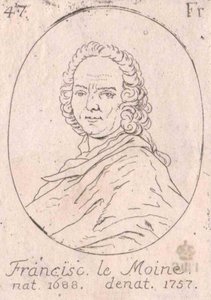
François Lemoyne: Ein Leben im Rokoko
- Geboren: Paris, Frankreich (1688)
- Gestorben: 4. Juni 1737
François Lemoyne war ein bedeutender französischer Rokokomaler des frühen bis mittleren 18. Jahrhunderts. Er ist bekannt für seine großartigen allegorischen Deckenfresken und mythologischen Szenen und leistete damit einen wesentlichen Beitrag zur künstlerischen Landschaft unter der Herrschaft von Ludwig XV. Obwohl er oft im Schatten seiner Zeitgenossen wie Boucher und Watteau stand, bemühte sich Lemoyne, sich als Erbe Charles Le Bruns zu etablieren, einer führenden Figur in der französischen Kunstgeschichte.
Frühes Leben und Ausbildung
- Ausbildung: Lemoyne studierte zunächst bei seinem Stiefvater Robert le Vrac.
- Académie Royale: Er absolvierte von 1701 an eine formelle Ausbildung an der Académie Royale de peinture et de sculpture, wo er bei Louis Galloche und später unter der Leitung von Pierre-Jacques Cazes studierte. Der Einfluss von Cazes ist besonders in Lemoynes Farbgebung zu bemerken.
- Prix de Rome: 1711 erreichte er einen bedeutenden Meilenstein, indem er den Prix de Rome gewann, eine Auszeichnung, die typischerweise eine Reise nach Italien für künstlerische Studien gewährte. Aufgrund finanzieller Einschränkungen konnte er diese Gelegenheit jedoch nicht sofort nutzen.
Künstlerische Entwicklung und Einflüsse
- Italienischer Einfluss: Lemoynes spätere Reise nach Italien im Jahr 1723/24, begleitet von François Berger, erwies sich als entscheidend. Er studierte die Werke von Raphael, Correggio und Tizian und absorbierte italienische künstlerische Techniken und Ästhetik.
- Rubens' Einfluss: Ein starker Einfluss auf Lemoyne war das Werk von Peter Paul Rubens, insbesondere in seiner lebhaften Farbgebung und dynamischen Kompositionen deutlich erkennbar.
- Venetianische Schule: Die Auseinandersetzung mit der venezianischen Malerei, insbesondere innerhalb der Sammlung von Pierre Crozat, prägte seine künstlerische Stilrichtung weiter.
- Rokoko-Stil: Obwohl er von früheren Meistern beeinflusst war, gehörte Lemoynes Werk fest zur Rokoko-Periode, die durch Eleganz, Ornamentik und einen Fokus auf dekorative Schönheit gekennzeichnet ist.
Wichtige Werke und Errungenschaften
- Deckenfresken: Lemoyne ist am besten bekannt für seine monumentalen Deckenfresken, insbesondere L'Apothéose d'Hercule (Die Apotheose des Herkules) im Salon d’Hercule im Schloss Versailles. Diese Arbeit demonstrierte seine Meisterschaft in illusionistischen Techniken und wurde von Zeitgenossen wie Voltaire und Kardinal Fleury hoch gelobt.
- Religiöse Gemälde: Er schuf auch bedeutende religiöse Werke, wie Die Verklärung im Chor der Jacobin Kirche (heute Parish Church of St. Thomas d’Aquin) in Paris.
- Premier peintre du Roi: 1736 erreichte Lemoyne den Höhepunkt seiner Karriere, indem er zum Premier peintre du roi (Erster Maler des Königs) unter Ludwig XV ernannt wurde.
Historische Bedeutung und Vermächtnis
François Lemoyne spielte eine entscheidende Rolle bei der Gestaltung der französischen Rokoko-Malerei. Sein Ziel war es, die Tradition großformatiger allegorischer Deckenfresken wiederzubeleben, die aus dem Mode gekommen waren. Obwohl seine Karriere durch seinen Selbstmord im Jahr 1737 tragisch beendet wurde, hinterließ sein Werk einen bleibenden Eindruck auf nachfolgende Generationen von Künstlern.
- Einfluss auf Schüler: Lemoyne unterrichtete bedeutende Künstler wie Charles-Joseph Natoire und François Boucher und vermittelte so sein künstlerisches Wissen und beeinflusste ihre Entwicklung.
- Niedergang der Deckenmalerei: Sein Tod markierte das Ende einer Ära, die mit dem Rückgang der Beliebtheit großer allegorischer Deckenfresken zusammenfiel.
- Anerkennung heute: Obwohl er vielleicht nicht so bekannt ist wie einige seiner Zeitgenossen, werden Lemoynes Beiträge zur französischen Rokoko-Kunst zunehmend für seine technische Fertigkeit und künstlerische Ambition geschätzt.
François Lemoyne
1688 - 1737 , Frankreich
Kurzinfos
- Beeinflusste Künstler:
- Charles Le Brun
- Peter Paul Rubens
- Bemerkenswerte Werke:
- L'Apothéose d'Hercule
- Die Verklärung
- Geburtsdatum: 1688
- Geburtsort: Paris, Frankreich
- Künstlerische Richtung: Rokoko-Malerei
- Nationalität: Französisch
- Todatum: 1737
- Vollständiger Name: François Lemoyne
- Von Künstlern Beeinflusst:
- François Boucher
- Charles-Joseph Natoire
Ähnliche Artikel

The Rococo Aesthetic: Opulence, Rebellion & the Pursuit of Pleasure in 18th-Century Art
Explore the opulent world of Rococo art! Discover its origins, key artists like Watteau & Boucher, and lasting influence on design. Expert insights for collectors & enthusiasts.

Rococo Meisterwerke: Die Top 10, die eine Epoche prägten |
Entdecken Sie die Top 10 Rokoko Meisterwerke von Watteau, Boucher & Fragonard! Erfahren Sie die Geschichten hinter diesen ikonischen Gemälden und lassen Sie sich für Ihre Inneneinrichtung inspirieren. Hochwertige Kunstdrucke auf .
François Boucher: Rokoko-Meister von Mythos, Sinnlichkeit und dem französischen Hofleben
Entdecken Sie François Boucher, den Meister des Rokoko! Erfahren Sie mehr über sein Leben, seine sinnlichen Gemälde und seinen Einfluss auf die französische Hofkunst. Jetzt lesen!
The Rococo Style: Aristocratic Leisure & the Pursuit of Delight in 18th-Century Art
Explore the opulent world of Rococo art! Discover Watteau, Boucher & Nattier's masterpieces. Expert insights for collectors seeking museum-quality reproductions and custom portraits at ArtsDot.
Echoes of Olympus: Mythological Narratives in Western Art Through the Ages
Explore the captivating history of mythological narratives in Western art! From ancient Greece to modern masterpieces, discover iconic artworks & symbolism. Expert analysis and high-quality reproductions at ArtsDot.