 Vorschau anzeigen
 Versenden
 Teilen
 Details anzeigen

 Herunterladen
 Ähnliche Objekte
 Röntgenaufnahme
 Diashow
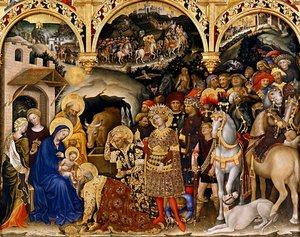
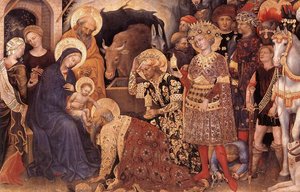
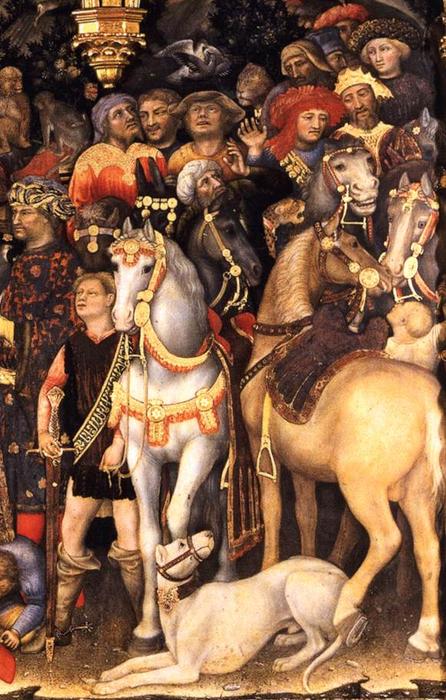
Anbetung der Könige (Detail)


 Weiterlesen
Handgefertigte Ölreproduktion
Handgemaltes Ölgemälde auf Leinwand in Ihrer Wunschgröße und mit Rahmen, auf Bestellung von unseren Künstlern angefertigt. ( Druck bestellen Bild kaufen)




P118B $10

P118H $10

P118W $10

P438Z $10

P508JH $12

P508YH $12

P805H $10

P805Z $10

P919BZ $10

P919G $10

P919XJ $10

P959ZH $10

P968JZ $12

W106C $8

W218G $10

W218JH $8

W218Y $10

W307PJ $10

W316G $10

W316PJ $8

W316Y $10

W398PJ $8

W4111J $10

W500HY $15

W500JH $15

W692G $12

W849H $8

W940BG $15

W953PJ $8




Wählen Sie aus unseren vordefinierten Formaten, die den ursprünglichen Proportionen des Kunstwerks entsprechen.

Sie können Ihre eigenen Maße eingeben, um einen bestimmten Rahmen oder Platz auszufüllen. Wenn die gewählte Größe nicht den Proportionen des Originalbildes entspricht, werden wir das Kunstwerk entweder beschneiden oder das Gemälde durch zusätzliche, handgemalte Elemente erweitern. Ein digitales Mockup wird Ihnen zur Genehmigung zugesandt, bevor die Produktion beginnt.
Bitte beachten Sie, dass die Bildschirmvorschau nicht die tatsächliche Beschneidung oder Erweiterung widerspiegelt. Nur das Mockup zeigt die endgültige Komposition exakt an.
Obwohl Sondermaße verfügbar sind, empfehlen wir, eine Größe aus der vordefinierten Liste zu wählen, um die ursprünglichen Proportionen beizubehalten.
Nach der Bestellung wird das ArtsDot.com-Team dem Kunden Anweisungen per E-Mail zusenden und eine Mockup-Vorschau bereitstellen.
Weltweiter Versand () in nur 3 bis 4 Wochen statt der üblichen 5 Wochen. (21 August). Keine Kompromisse bei der Qualität.

Kostenloser weltweiter Expressversand

Hochwertige Leinenleinwand

Umfassender Versicherungsschutz beim Versand

Zollgebühren-Rückerstattungsgarantie

Garantie für exakte Farbtreue

60 Tage Rückgaberecht (nur bei Mängeln)

100% Geld-zurück-Garantie

Mengenrabatt verfügbar
 Die Glasoption ist nur für Größen unter 110 cm verfügbar.

Anbetung der Könige (Detail)
Art der Reproduktion
Format der Reproduktion
-


Gesamtpreis
$ 263
Beschreibung des Kunstwerks
A Glimpse into Florentine Opulence: Gentile da Fabriano’s “Adoration of the Magi” (Detail)
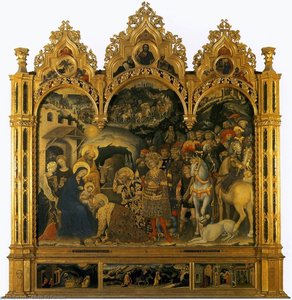
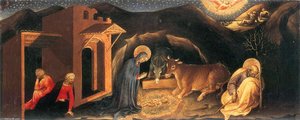
Gentile da Fabriano's "Adoration of the Magi," particularly this exquisite detail, offers a breathtaking window into the vibrant artistic landscape of 15th-century Florence. Completed in 1423 and now residing within the hallowed halls of the Galleria degli Uffizi, this panel painting represents the pinnacle of the International Gothic style – a movement characterized by its meticulous attention to detail, luxurious ornamentation, and an almost dreamlike quality. The original work, commissioned for the family chapel of Palla Strozzi in Santa Trinita, was intended as an altarpiece, designed to unfold with multiple layers of narrative and symbolic meaning, inviting prolonged contemplation.
This particular detail immediately draws the eye to a carefully orchestrated tableau. Dominating the foreground is a magnificent white horse, its bridle and reins intricately rendered, standing proudly on all fours. Beside it lies a brown dog, seemingly gazing upwards with an almost melancholic curiosity – a touch of earthy realism amidst the prevailing elegance. A figure clad in medieval attire, holding what appears to be either a sword or staff, adds a layer of earthly authority to the scene. The composition is not static; figures engage in conversation, others are seated upon horses, and the background teems with further activity, suggesting a bustling gathering or important event. The sheer density of detail—the elaborate clothing, the richly textured fabrics, the meticulously painted facial features – speaks volumes about the artist’s skill and the considerable resources invested in this ambitious project.
The Language of International Gothic
Gentile da Fabriano was a master of the International Gothic style, a movement that flourished across Europe during the late 14th and early 15th centuries. Unlike the more rigid formality of earlier Gothic painting, International Gothic embraced a heightened sense of naturalism, incorporating elements of Renaissance perspective and a focus on luxurious detail. Notice the delicate rendering of drapery, the subtle modeling of forms, and the use of vibrant colors – particularly gold – to create an atmosphere of opulence and splendor. The figures themselves are depicted with a remarkable degree of realism, yet retain an idealized beauty that is characteristic of the style. Fabriano’s work reflects the influence of Flemish painting, known for its meticulous detail and luminous color palettes, blended seamlessly with Italian artistic traditions.
Symbolism and Narrative
The “Adoration of the Magi” isn't simply a depiction of a biblical scene; it’s a complex tapestry woven with symbolic meaning. The adoration itself represents the recognition of Jesus Christ as the Messiah, but the specific figures present—the kings, the shepherds, the attendants—are not merely random additions. They represent different cultures and social classes who have come to acknowledge the divine birth of Christ. The presence of animals – the horse, the dog – adds another layer of symbolism, often associated with humility, loyalty, and earthly concerns. The detail in the clothing and accessories further reinforces this narrative, reflecting the wealth and status of those involved.
Technique and Legacy
Painted primarily in tempera on panel, a technique favored for its durability and ability to achieve rich colors, “Adoration of the Magi” retains a certain flatness characteristic of the era. However, Fabriano’s masterful use of layering and glazing creates an illusion of depth and luminosity that belies this limitation. The painting's vibrant palette—a symphony of reds, blues, greens, and golds—is remarkably preserved, offering a testament to the artist’s skill in handling pigments. Gentile da Fabriano’s “Adoration of the Magi” stands as one of the most important examples of International Gothic painting in Italy, influencing generations of artists who followed. Its exquisite detail, rich symbolism, and captivating beauty continue to enthrall viewers centuries after its creation. ArtsDot offers meticulously crafted reproductions that allow you to experience this masterpiece firsthand, bringing its splendor into your home or office.
Ähnliche Kunstwerke
Über den Künstler
Frühes Leben und Werdegang
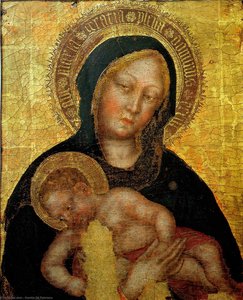
Gentile da Fabriano, ein italienischer Maler, wurde um 1370 in oder nahe Fabriano im Marche-Gebiet Italiens geboren. Seine Mutter verstarb vor 1380, und sein Vater, Niccolò di Giovanni Massi, zog 1385 in ein Kloster. Über Gentiles frühe künstlerische Ausbildung ist wenig bekannt, aber eines seiner ersten bekannten Werke, die Madonna mit Kind (ca. 1395-1400, heute in Berlin), zeigt den Einfluss der spätgotischen Malerei Norditaliens.Karrierehöhepunkte
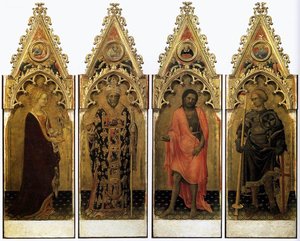
* Um 1405 arbeitete Gentile da Fabriano in Venedig, wo er ein Tafelbild für die Kirche Santa Sofia malte (heute verloren). Er kooperierte auch mit Jacopo Bellini und kannte Pisanello und Michelino da Besozzo. * Zwischen 1410 und 1412 schuf er eines seiner Meisterwerke, das Valle Romita Polyptychon (heute in der Pinacoteca di Brera). * Im Jahr 1423 malte Gentile da Fabriano sein berühmtes Altarbild, die Anbetung der Heiligen Drei Könige, heute in den Uffizien, das als eines der Meisterwerke des Internationalen Gotischen Stils gilt.Wichtige Werke und Standorte
- Gentile da Fabriano: Anbetung der Heiligen Drei Könige (10) (300 x 282 cm, Galleria degli Uffizi, Florenz, Italien)
- Valle Romita Polyptychon (Pinacoteca di Brera)
- Madonna mit Kind (verloren, ehemals im Palazzo dei Notai auf der Piazza del Campo, Siena)
Stil und Bedeutung
Gentile da Fabriano gilt als einer der Hauptvertreter des Internationalen Gotischen Stils in Italien. Sein Stil zeichnet sich durch eine detailreiche Darstellung, elegante Figuren und eine harmonische Farbgebung aus. Er kombinierte naive Erzählfreude mit höfischer Eleganz. Gentiles Werke beeinflussten die florentinischen Maler und bildeten das Gegenstück zum kargen Realismus Masaccios. Er war der Erste in der Reihe glänzender Maler Umbriens. Zu seinen Schülern zählen bedeutende Maler wie Pisanello oder Jacopo Bellini.Tod und Vermächtnis
Gentile da Fabriano starb vor dem 14. Oktober 1427. Er wurde in der Kirche Santa Maria in Trastevere, Rom, oder möglicherweise in der heute als S. Francesca Romana bekannte Kirche in Florenz begraben, obwohl sein Grab verschwunden ist. Sein Einfluss auf die Malerei des 15. Jahrhunderts war bedeutend und seine Werke werden bis heute für ihre Schönheit und ihren Detailreichtum geschätzt.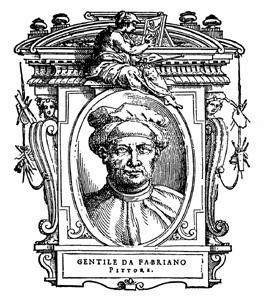
Gentile Da Fabriano
1370 - 1427 , Italien
Kurzinfos
- Bemerkenswerte Kunstwerke:
- Anbetung der Heiligen Drei Könige
- Valle Romita Polyptychon
- Madonna mit Kind (Berlin)
- Geburtsdatum: ca. 1370
- Geburtsort (Stadt, Land): Fabriano, Italien
- Künstler Oder Bewegungen, Die Von Diesem Künstler Beeinflusst Wurden:
- Florentinische Maler
- Frührenaissance
- Künstler, Die Diesen Künstler Beeinflussten: ['Norditalienische Gotik']
- Künstlerische Bewegung/Stil: International Gotik
- Nationalität: Italienisch
- Todatum: 1427
- Vollständiger Name: Gentile da Fabriano
Ähnliche Artikel
Leonardo da Vinci: Die 25 Meisterwerke für Ihr Zuhause | ArtsDot
Entdecken Sie die 25 Meisterwerke von Leonardo da Vinci! Erfahren Sie faszinierende Geschichten hinter Gemälden wie der Mona Lisa & Das letzte Abendmahl. Hochwertige Reproduktionen für Ihr Zuhause – jetzt bei ArtsDot entdecken!

Leonardo da Vinci: Synthese von Kunst, Wissenschaft und menschlicher Beobachtung – Eine Renaissance-Meisterleistung für den Kenner
Entdecken Sie Leonardo da Vincis revolutionäre Kunst und Wissenschaft! Expertenanalyse seiner Meisterwerke, Techniken wie Sfumato & Chiaroscuro. Für Kenner und Sammler.
Renaissance Humanismus: Die 10 Meisterwerke, die eine Epoche prägten – Kunst für Ihr Zuhause
Entdecken Sie die 10 Meisterwerke der Renaissance Humanismus! Von Leonardo da Vinci bis Michelangelo – erfahren Sie die Geschichten hinter ikonischen Gemälden & Skulpturen. Finden Sie Ihre perfekte Reproduktion auf ArtsDot.com.
Louvre Meisterwerke: Die Top 25 Kunstwerke für Ihr Zuhause | ArtsDot
Entdecken Sie die Top 25 Kunstwerke des Louvre! Von der Mona Lisa bis zur Venus von Milo – erleben Sie Geschichte, Künstler und Techniken. Hochwertige Reproduktionen für Ihr Zuhause auf ArtsDot.com.
Die 25 Meisterwerke der Uffizien: Kunstgeschichte für Ihr Zuhause | ArtsDot
Entdecken Sie die 25 berühmtesten Meisterwerke der Uffizien, Florenz! Von Botticelli bis Leonardo da Vinci – Kunstgeschichte erleben. Hochwertige Reproduktionen & Inspiration für Ihr Zuhause auf ArtsDot.com.